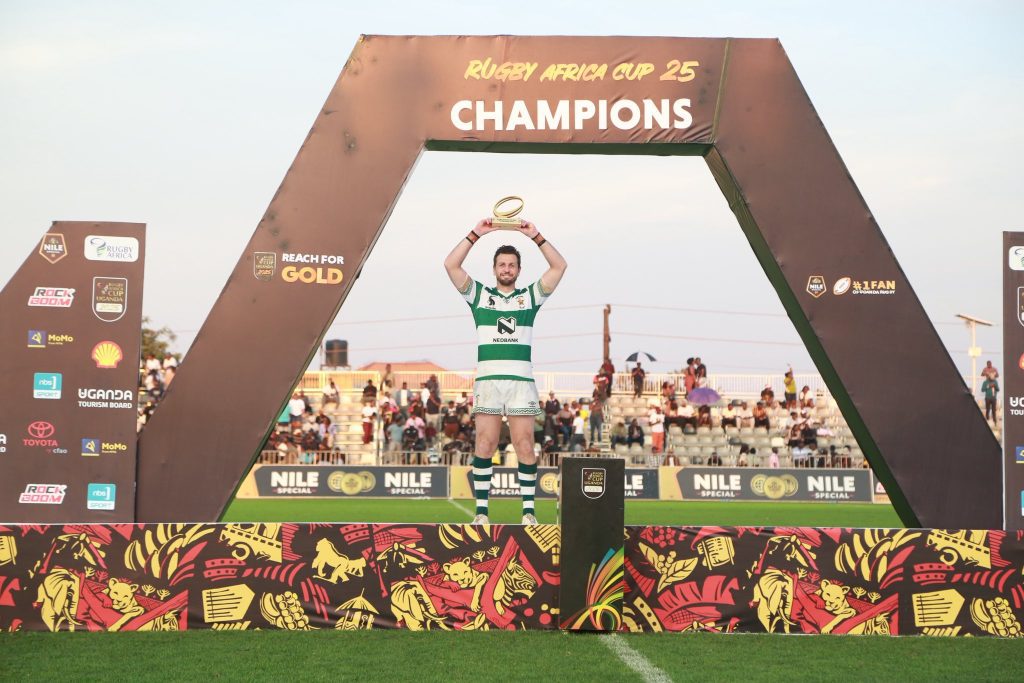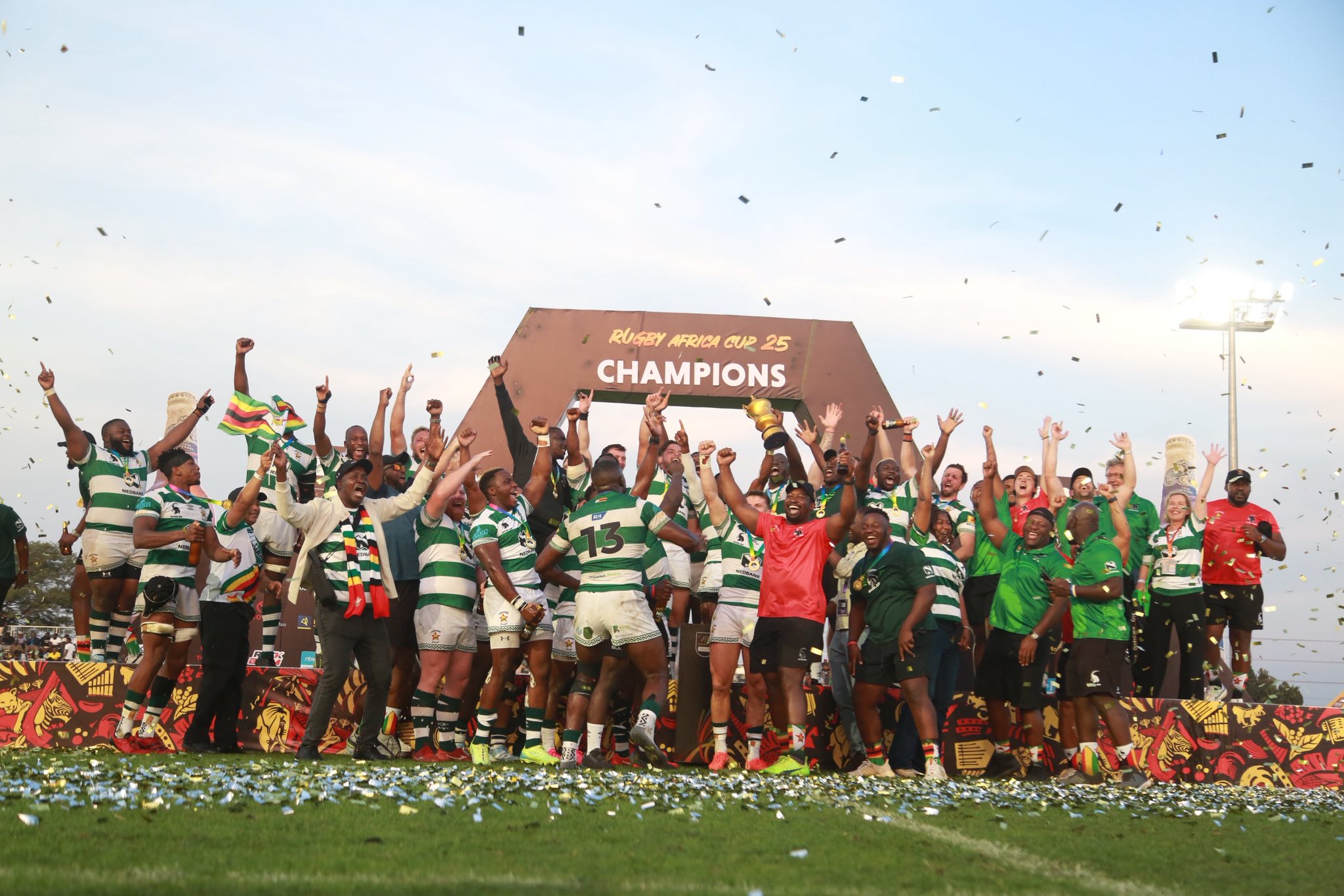
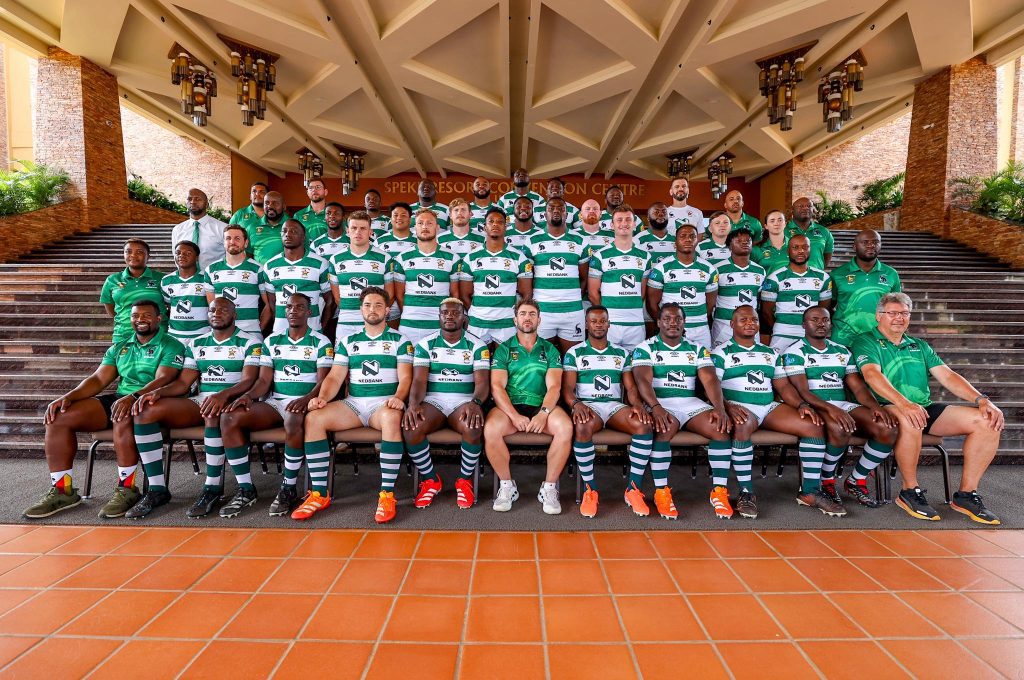
The Zimbabwe Sables delivered a landmark performance on Saturday, defeating Namibia 30–28 in a fiercely contested Rugby Africa Cup final to secure qualification for the 2027 Rugby World Cup in Australia. The win ends a 34-year absence from rugby’s premier global competition and marks a defining moment for Zimbabwean sport.
The narrow victory over a seasoned Namibian side underscores the Sables’ tactical evolution, disciplined execution, and psychological resilience under pressure. Zimbabwe last appeared in a Rugby World Cup in 1991. Since then, the team has endured decades of administrative instability, player exodus, and financial hardship all of which make this achievement both unprecedented and symbolically restorative.
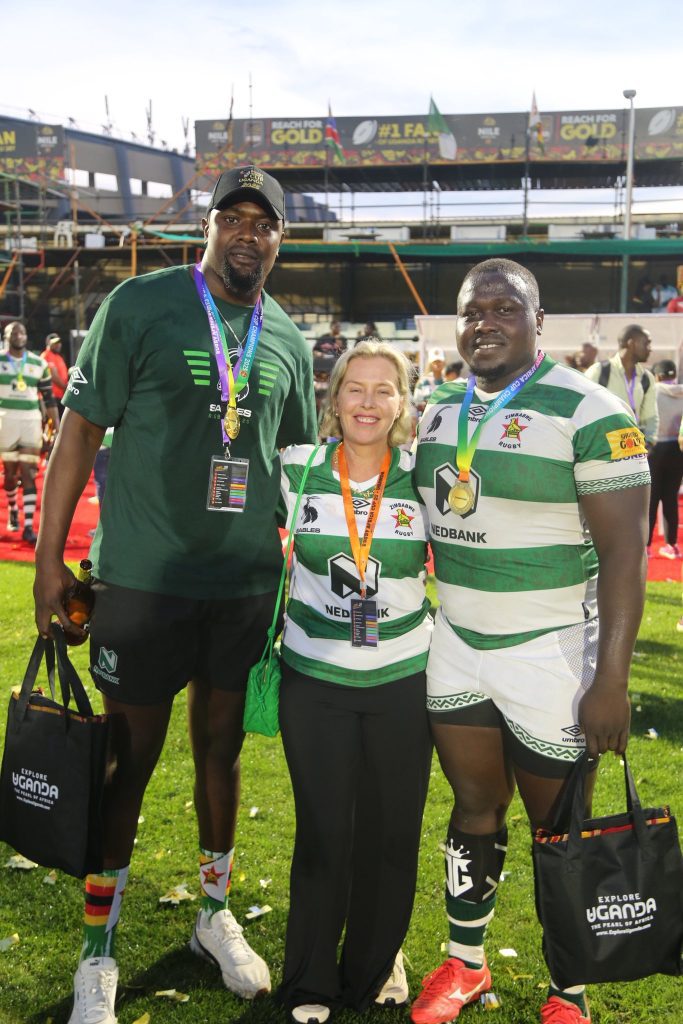
Deputy Minister of Sports, Recreation, Arts and Culture, Honourable Emily Jesaya, addressed the squad ahead of the final, commending their tenacity and the unifying role they play in Zimbabwe’s sporting narrative. Her remarks reflect growing institutional support for rugby’s resurgence in the country, particularly under the leadership of a new crop of technically gifted and mentally robust players.
The Men Behind the Milestone
Among the standout performers is vice-captain Kudzai Mashawi, nicknamed The Enforcer, who has consistently demonstrated strategic awareness and midfield authority across his 25 international caps. Representing Harare Sports Club at domestic level, Mashawi’s leadership extends beyond the pitch, earning him a reputation as a core personality in the team’s off-field cohesion.
Veteran centre Matthew Mandioma, capped 53 times for Zimbabwe, remains one of the squad’s most decorated players. A critical figure in the Sables’ 2024 Africa Cup-winning campaign, Mandioma’s stability, grit, and game-reading ability have become synonymous with Zimbabwe’s recent successes. His enduring presence has proven indispensable during high-stakes matches, including the semifinal clash that secured the team’s place in the final.

Also instrumental is Aiden Burnett, known to teammates as Bhanya, a versatile forward with 34 caps who plays for Old Hararians RFC. Renowned for his physical commitment and locker-room leadership, Burnett doubles as a peer mentor and is affectionately referred to as an “emergency contact” by fellow players — a nod to his reliability and emotional steadiness.
A Strategic and Cultural Shift
The Sables’ return to form reflects a broader shift within Zimbabwe Rugby Union’s structures, with improved technical coaching, diaspora player engagement, and private-sector sponsorships — notably from Nedbank Zimbabwe — playing a pivotal role. The team’s recent performances signal a recalibrated national rugby identity, one focused on long-term development rather than short-term optics.
Zimbabwe’s qualification for the 2027 World Cup is expected to catalyze further investment in grassroots rugby, with youth academies, regional tournaments, and talent scouting likely to intensify in the coming months. Rugby stakeholders have also called for enhanced administrative transparency and player welfare systems to ensure sustained progress.
Outlook to 2027
While the road to the World Cup will demand rigorous preparation, strategic depth, and increased exposure to Tier 1 competition, the Sables have laid a credible foundation. Their Rugby Africa Cup triumph is not merely a victory of scoreline it is a reclaiming of legitimacy on the international stage.
As anticipation builds towards 2027, the Zimbabwe Sables now stand not only as continental champions but also as symbols of what deliberate investment, unified leadership, and national belief can accomplish.
Follow the conversation: | @nedbank_zimbabwe