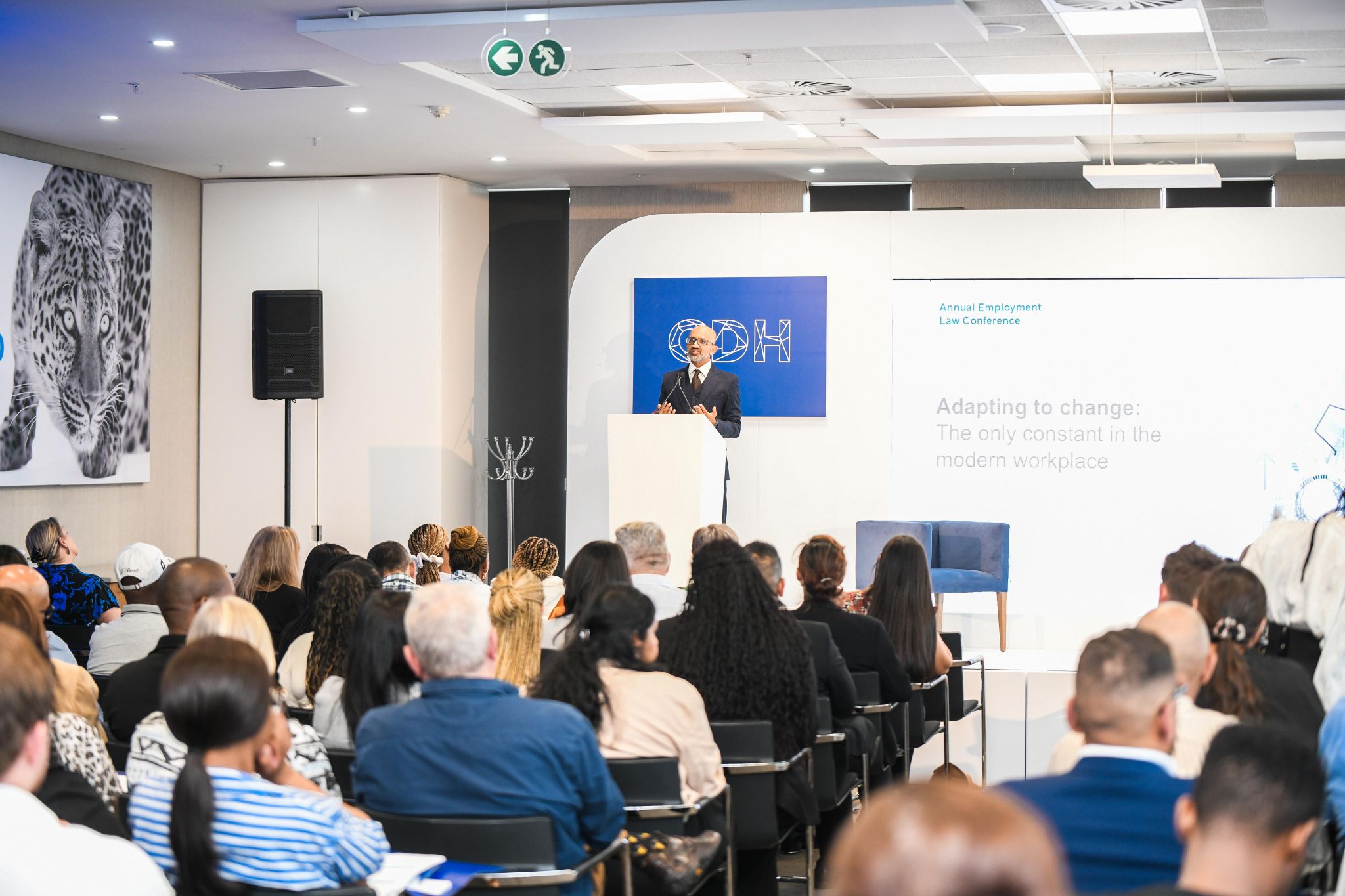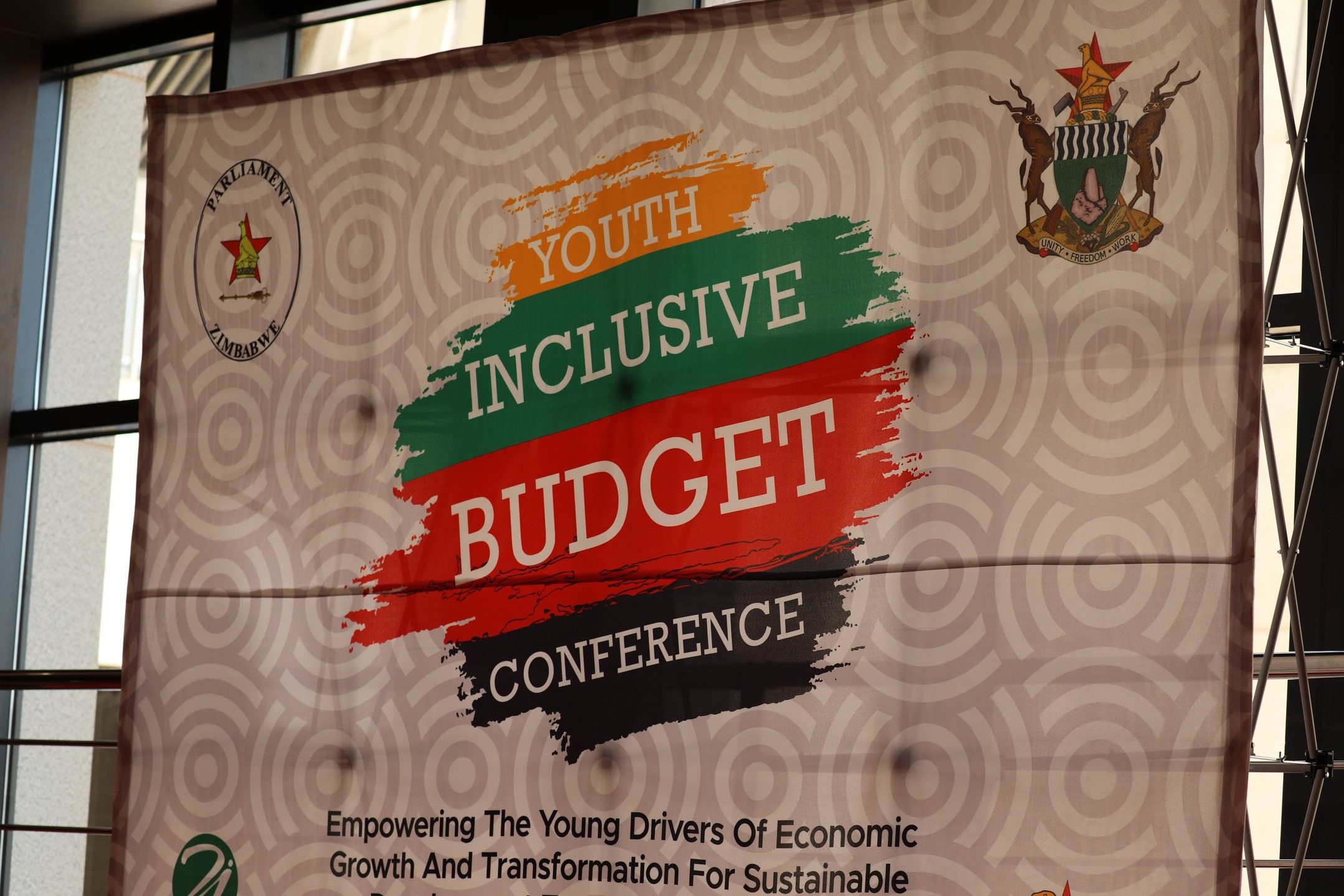
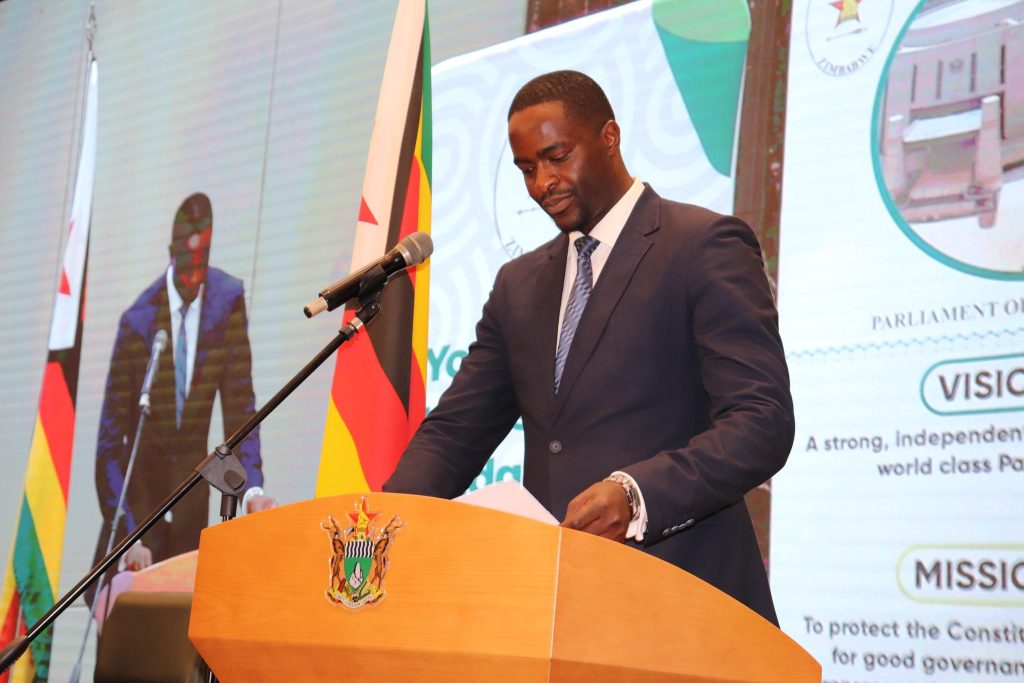
The Youth Inclusive Budget Conference took place on 26 and 27 September at Parliament in Mt Hampden, with a strong focus on putting young people at the heart of fiscal policy discussions. Held under the theme “Empowering the Young Drivers of Economic Growth and Transformation for Sustainable Development to Deliver Vision 2030,” the gathering created a rare opportunity for youth to engage directly with policymakers on the national budget.
Organised by the Parliamentary Youth Caucus with support from the Zimbabwe Youth Council and the Zimbabwe Institute, the conference drew wide participation from across the country. Delegates were divided into committees aligned with different ministries, ensuring that discussions were grounded in specific sectors. Each committee produced recommendations which were later presented during a plenary session, where young representatives articulated their priorities and expectations for the 2026 national budget, according to the Zimbabwe Institute.
The conference follows earlier advocacy successes where youth input led to tangible budget outcomes. Free sanitary wear for schoolgirls was added to the national budget, while resources were also dedicated to tackling drug abuse among young people. In the 2025 budget, government earmarked about ZIG 670 million for rural development through youth and village business units, ZIG 447.1 million for skills development, and additional funds for innovation hubs at universities (AllAfrica report). Such gains highlight how youth engagement can shift from symbolic participation to meaningful influence.
Beyond shaping fiscal allocations, the initiative also aims to build the financial literacy of young citizens by exposing them to parliamentary procedures and budget processes. Organisers stressed that the dialogue is not only about hearing youth voices but also about promoting accountability in how resources are planned and spent (Parliament of Zimbabwe).
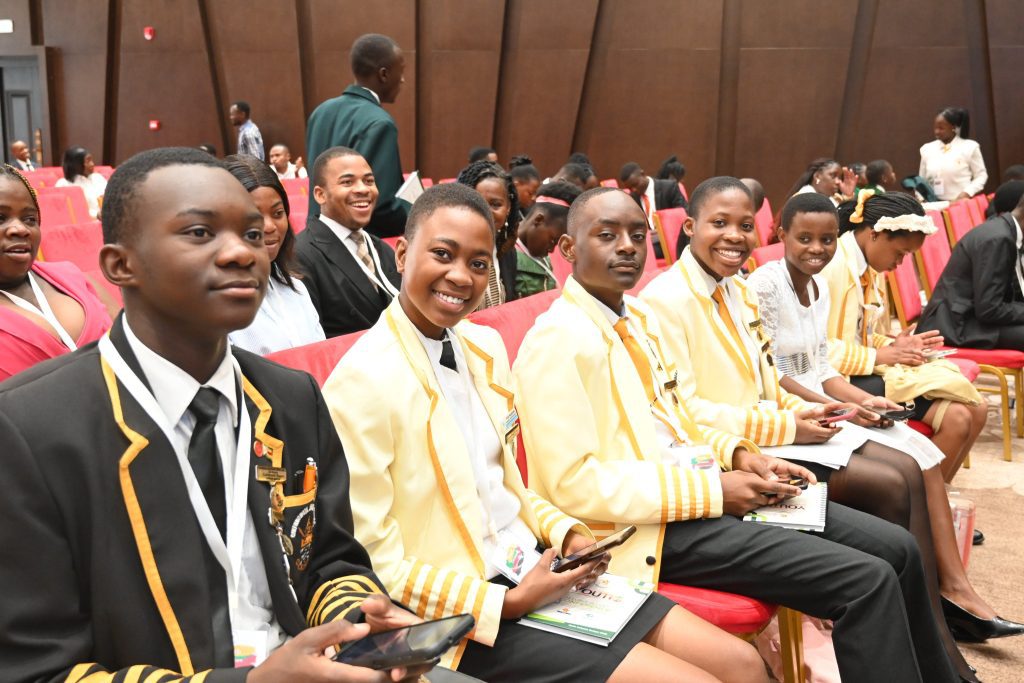
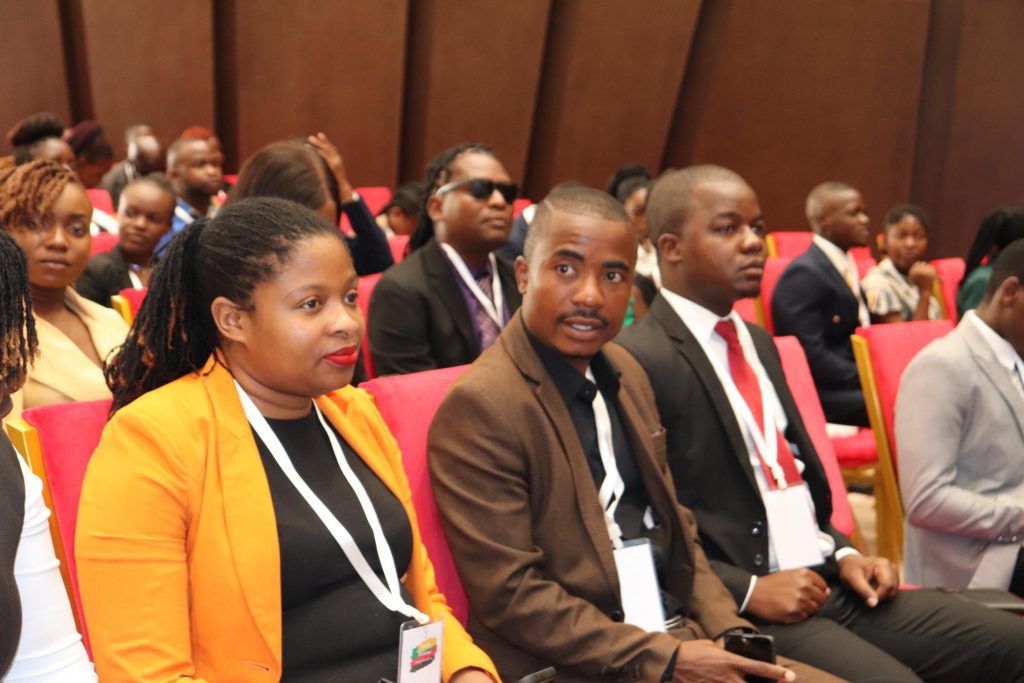
Observers noted that the conference marks an important step in broadening national ownership of development policies. By engaging young people in decisions that directly affect their future, the process strengthens both inclusivity and legitimacy. However, much will depend on how the proposals are translated into actual funding and programmes. Without follow-through, such forums risk becoming rhetorical exercises.
The Youth Inclusive Budget Conference has positioned itself as more than a one-off event. Partners such as the Zimbabwe Institute and the Zimbabwe Youth Council say they will continue creating platforms for constructive dialogue between youth and policymakers. For many young participants, this represents a bridge to a space where their voices are no longer peripheral, but part of the core of national planning as Zimbabwe pursues its Vision 2030 goals.