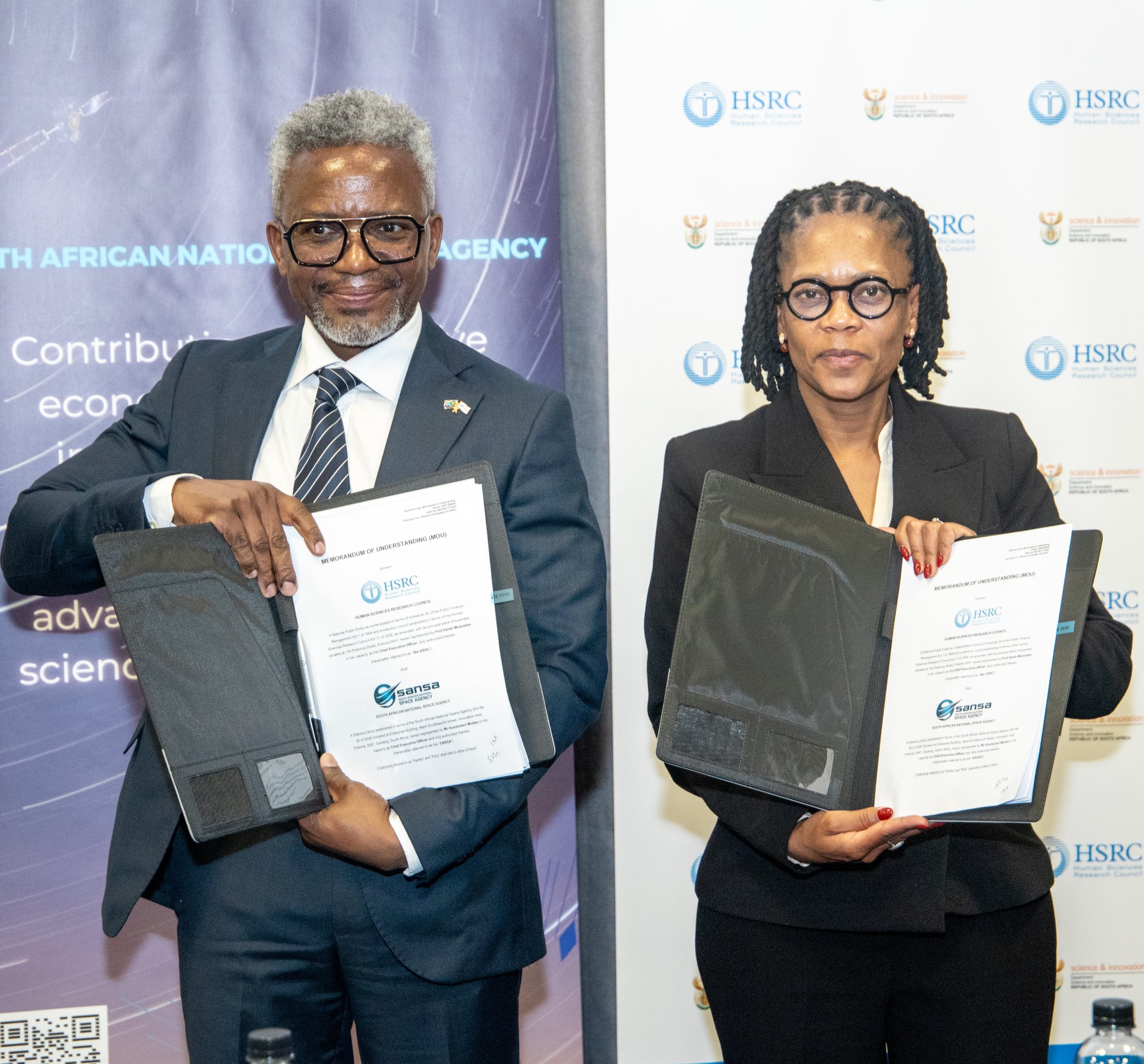
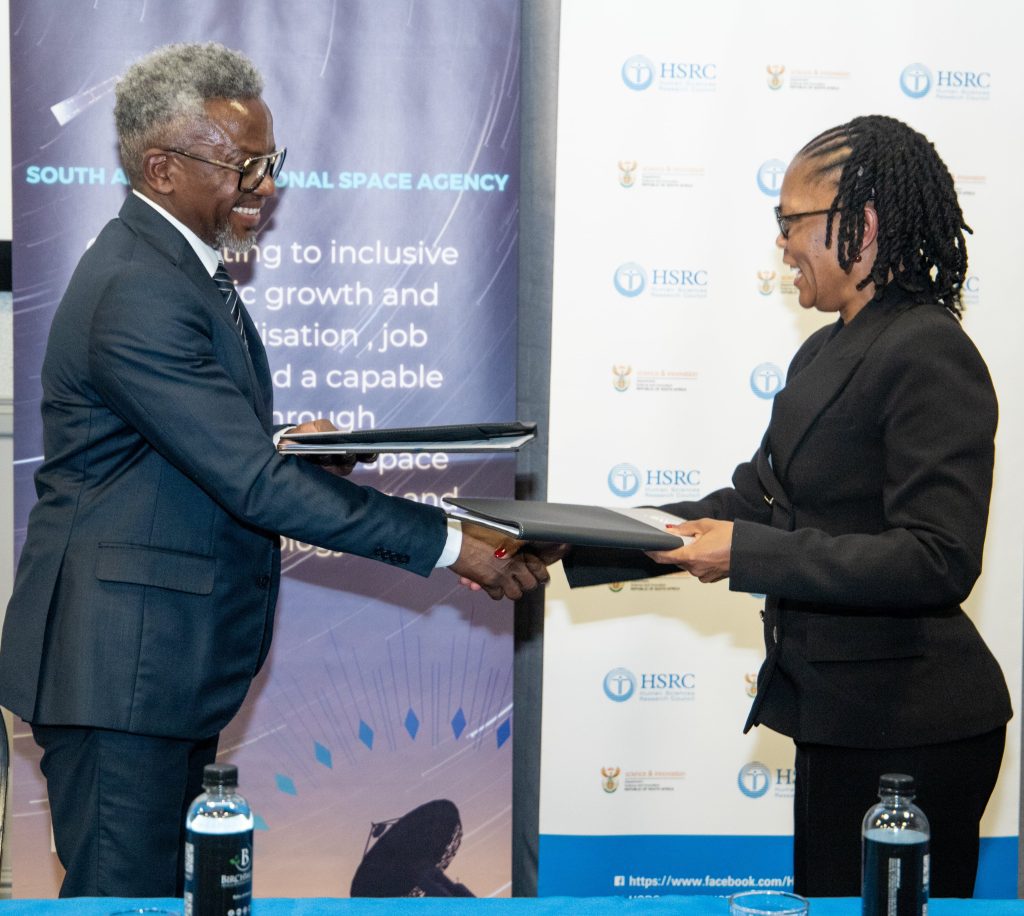
The Engaged Research Conference 2025, hosted by the Human Sciences Research Council (HSRC), convened in Johannesburg from 21–22 October 2025. The event is part of the Engaged Research Project, an initiative led by the Department of Science, Technology, and Innovation (DSTI) in collaboration with the National Research Foundation (NRF). The project aims to advance engaged research within South Africa’s National System of Innovation (NSI).
The conference brought together researchers, policymakers, community members, and practitioners to explore innovative approaches to engaged research that address societal challenges. With the theme “Engaged Research as a Pathway to Bridging Knowledge and Society”, participants discussed established and emerging methodologies, shared best practices, and examined the barriers and opportunities for research with real-world societal impact.
The programme included pre-conference workshops on 21 October covering topics such as building effective partnerships, pathways for co-creation, and public engagement strategies. These workshops set the stage for the main conference sessions that focused on translating academic research into actionable outcomes for communities and policymakers.
A multidisciplinary Scientific Committee, composed of scholars and practitioners from across Africa and beyond, guided the conference programme. Their expertise spans public health, social sciences, education, community development, and policy engagement, ensuring a relevant and impactful agenda. Meet the Scientific Committee.
Attendance and notable participation
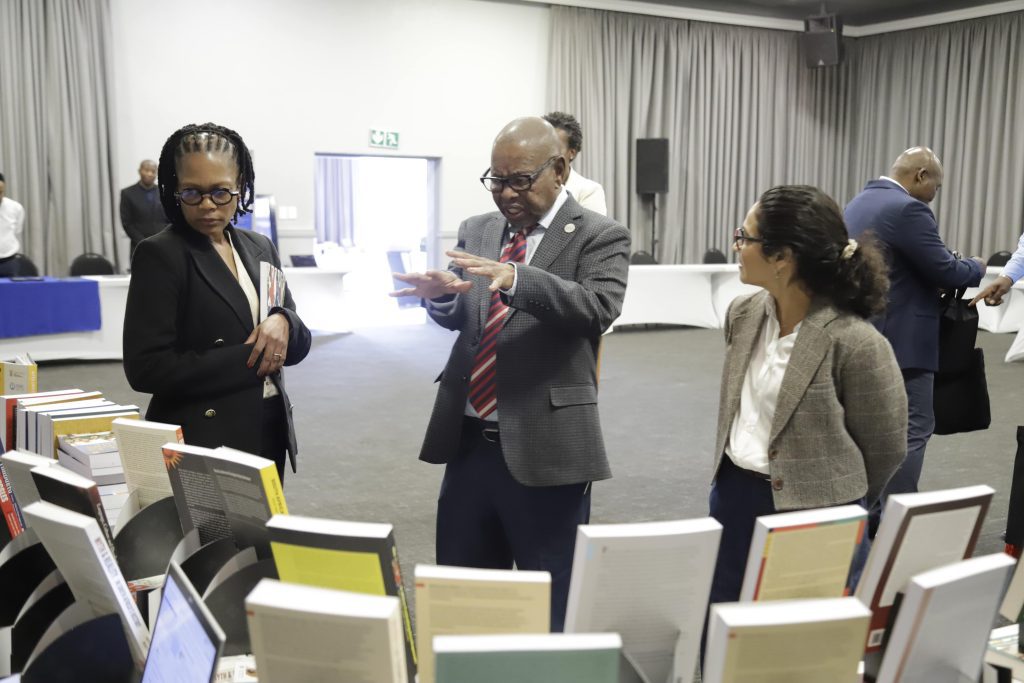
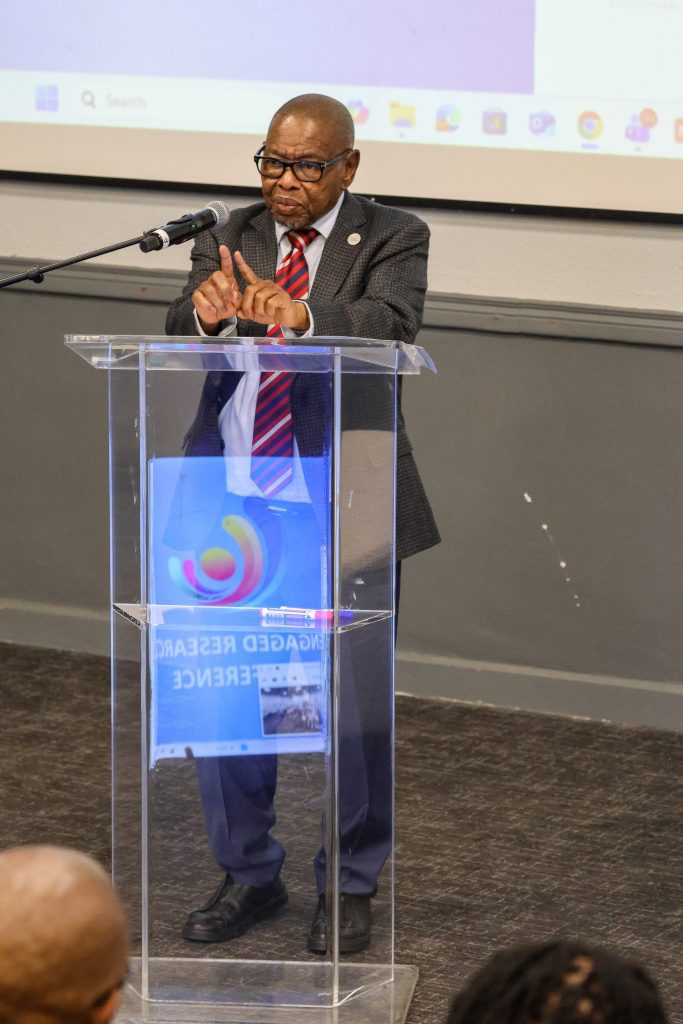
Day one of the in-person conference included the inaugural Science Diplomacy Summer School. HSRC CEO Prof Sarah Mosoetsa delivered welcome remarks, while Dr Ndumiso Cingo from CSIR, representing the Science Diplomacy Capital of Africa, presented the opening address. Attendees also engaged in a free book sale, touring the collection alongside DSTI Minister Prof Blade Nzimande and Director-General Dr Mlungisi Cele, highlighting the conference’s emphasis on accessibility and resource sharing. Watch the sessions online
Objectives and focus areas
The conference aimed to:
Consolidate learnings on operationalising engaged research in diverse contexts.
Identify barriers to engaged research and propose solutions, including challenges within University Ethics Approval structures.
Promote knowledge exchange on methodologies, approaches, and best practices.
Facilitate networking between academia, community organisations, industry, and government to build partnerships.
Showcase case studies that demonstrate the real-world benefits and value of engaged research.
Key themes explored
The conference was structured around thematic discussions, including:
- Co-Creation and Participatory Research Approaches – Methods for involving stakeholders at all stages of research.
- Impactful Community Partnerships – Building long-term, mutually beneficial collaborations.
- Policy and Engaged Research – How research informs policy and drives societal change.
- Engaged Research in the Digital Age – Leveraging technology to enhance research reach and accessibility.
- Epistemic Justice, Social Justice and Equity – Addressing power dynamics, inclusivity, and ethical considerations. Dr Dane Isaacs presented on “Expression sessions as a valuable method of engagement with marginalised communities in research,” highlighting innovative ways to include underrepresented voices in academic inquiry.
- Ethical and Inclusive Research – Promoting ethical standards and inclusivity in research practice.
- Research Translation and Knowledge Brokering – Strategies to make research findings accessible and actionable.
- Impact Measurement and Evaluation – Frameworks and tools for assessing research impact.
The conference concluded with a call for stronger collaboration across academia, government, and civil society to ensure engaged research continues to produce tangible benefits for communities and informs policy in meaningful ways.
The ERConference25 reaffirmed South Africa’s commitment to advancing research that bridges knowledge and society, fostering partnerships, co-creation, and impactful outcomes that address pressing societal challenges.