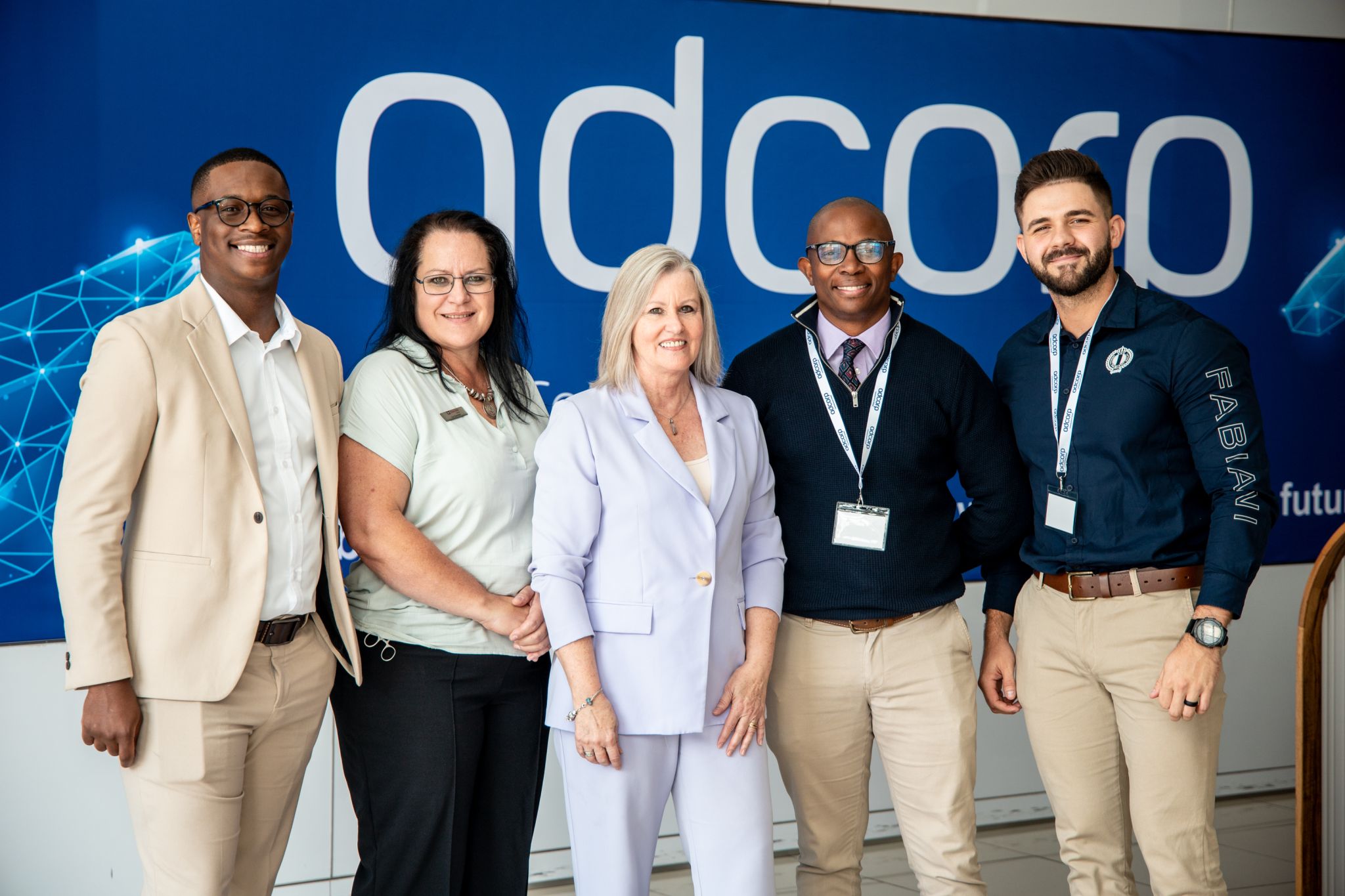
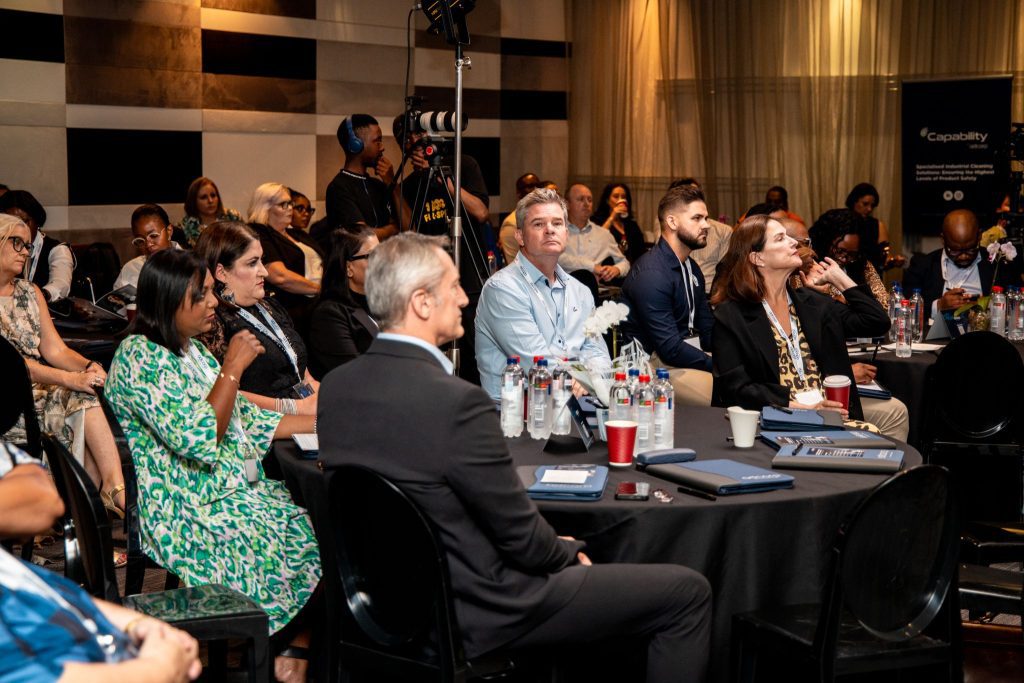
As the business landscape continues to evolve, driven by generational shifts and technological advancements, companies are urged to rethink their workforce strategies. At the recent Adcorp Group Business Breakfast, John Botha shared critical insights into the evolving Code of Good Practice on Dismissal and the broader changes in workforce dynamics. His address emphasized the importance of businesses remaining agile and adaptable, particularly as Generation Z and millennials redefine workplace expectations. These shifts demand a forward-thinking approach to navigating the complexities of a changing workforce.
Key Insights from John Botha:
Tightening Labour Laws and Its Impact on Platform-Based Employment: Botha underscored the growing pressure of tighter labour regulations, especially for platform-based employment. With gig economy workers becoming a more prominent part of the labour force, businesses must navigate the complexities of compliance with employment equity standards and the changing framework of worker rights. As labour laws evolve, there is an increasing push for fairer working conditions, which businesses must address through proactive policy development.
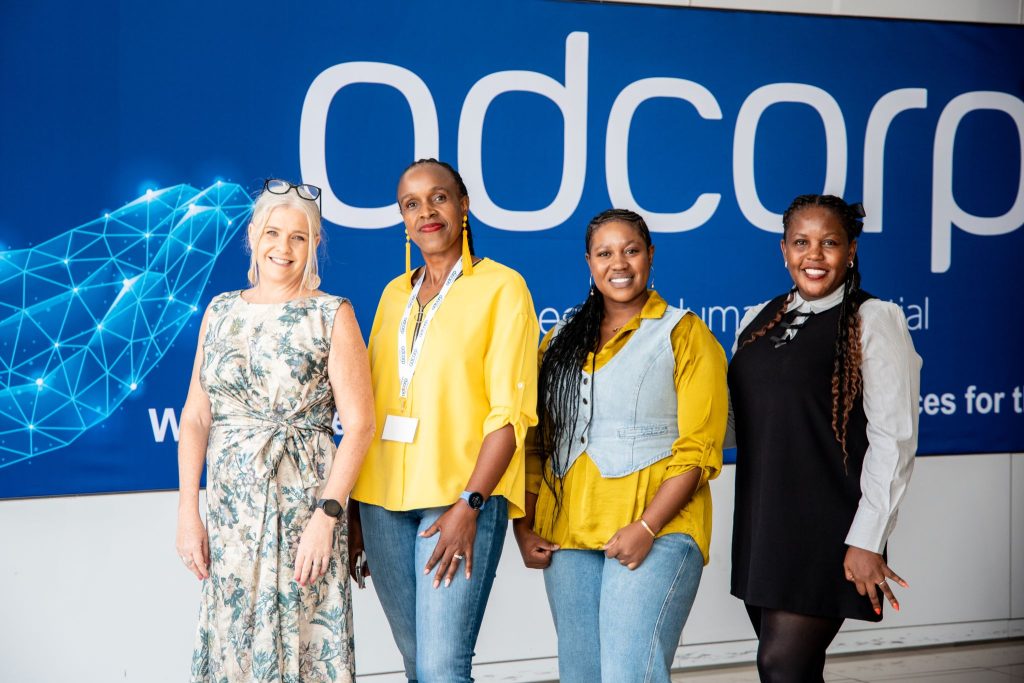

Rethinking Workforce Models: Companies are now faced with the challenge of balancing direct employment with temporary services. This shift requires careful consideration of the risks and benefits of different employment structures. Botha highlighted that organisations must re-evaluate how they approach staffing—moving beyond traditional models to embrace more flexible approaches that can mitigate legal risks and adapt to future market changes. A blended model combining both temporary and permanent employees could be a way forward, but this requires strategic planning and investment in compliance mechanisms.
Increasing Severance Pay, Salary Transparency, and Parental Leave Reforms: Another major point of discussion was the imminent changes to severance pay regulations, salary transparency, and parental leave. Businesses will soon need to adjust their compensation structures to ensure compliance with these reforms. While the adjustments may be seen as a financial burden in the short term, the long-term benefit of fostering a fair and transparent work environment cannot be overlooked. As a result, businesses must implement these changes efficiently, ensuring minimal disruption while remaining competitive in the market.

.
Embracing Change to Stay Competitive: In line with the insights from the World Economic Forum (WEF), Botha emphasized that organisations that fail to innovate risk becoming redundant. Companies must be proactive in embracing change—not just to meet regulatory requirements, but also to foster long-term sustainability. By prioritizing workforce transformation, businesses can not only comply with evolving labour laws but also position themselves as leaders in their respective industries.

Conclusion: The Adcorp Group Business Breakfast provided invaluable insights into the changing landscape of labour laws and workforce dynamics. With a stronger focus on equity, transparency, and flexibility, businesses must adapt or risk falling behind. Organisations that embrace these shifts, invest in compliance, and build adaptable workforce models will be better equipped to thrive in the future job market.
Ultimately, the ability to evolve in response to these regulatory and societal changes will be the key to both legal compliance and continued business success.