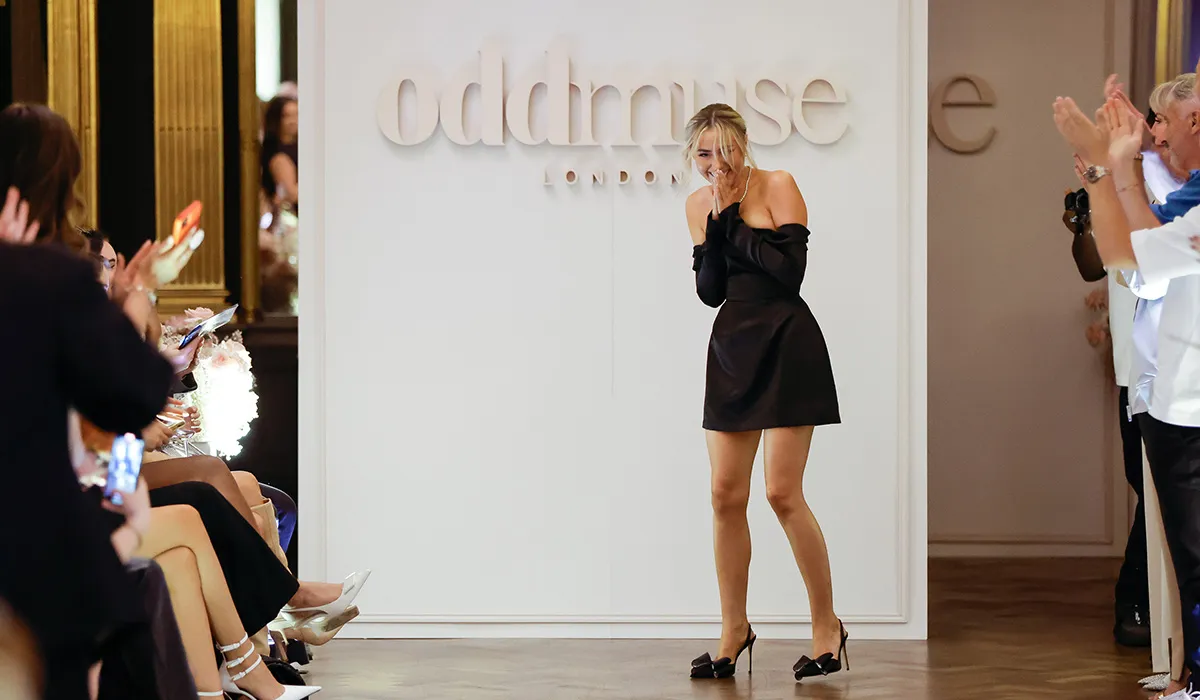
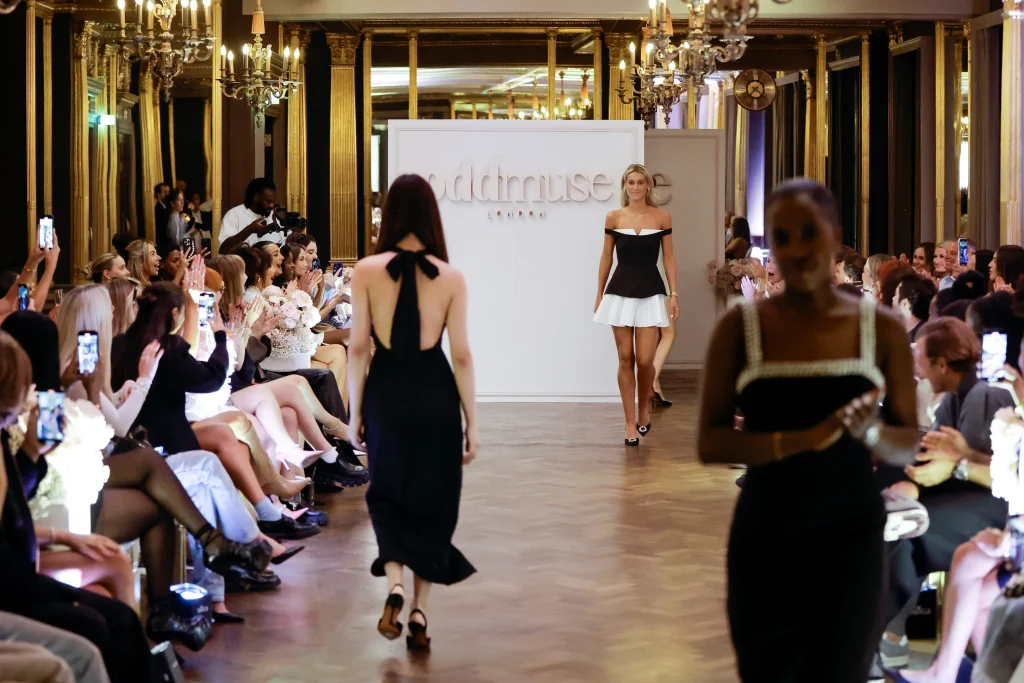
British luxury brand Odd Muse has carved out a devoted following with its striking blend of slow fashion principles and social media-savvy engagement. Founded by Aimee Smale, the brand’s ethos revolves around creating timeless, durable wardrobe staples that promise longevity without sacrificing elegance. Its signature blazers and viral pearl-trimmed dresses have helped transform Odd Muse into a darling of digital luxury—aspirational, yet within reach.
Odd Muse’s strategy positions it at the intersection of investment dressing and accessible luxury. By offering high-quality pieces designed to last, the brand appeals to consumers weary of fast fashion’s disposability. Its focus on versatility, craftsmanship, and online experience has been central to its success. Notably, the brand has prioritized building a community through its website and Instagram presence—spaces where founder Smale often shares behind-the-scenes moments, transparent production insights, and styling tutorials.
“Our pieces are meant to be worn and re-worn, loved and lived in,” Smale has said in past interviews, highlighting her vision for intentional, slow-made luxury.
Yet, that vision has not gone unchallenged.
The Polyester Problem: A Viral TikTok Call-Out
Odd Muse recently found itself at the center of a heated sustainability debate following a viral video by TikToker @itsplzdontbuythat. In the video, the creator questioned the brand’s claims of sustainability, highlighting that many of its garments are made with polyester—a synthetic fiber derived from fossil fuels.
The critique struck a chord with sustainability advocates, igniting conversations around greenwashing and ethical marketing. Can a polyester blazer, however well-constructed, truly qualify as a “sustainable investment piece”? The post argued no, citing that polyester’s environmental impact contradicts the brand’s messaging.
Smale responded emotionally on her own TikTok account, appearing in tears as she addressed the backlash. She reaffirmed her commitment to durability and slow fashion principles, explaining that the label’s design philosophy aims to reduce overconsumption by creating pieces that stand the test of time. The moment was raw, honest—and divisive.
Critics pointed to the tension between sustainability as a marketing term and the actual materials used in production. Others sympathized with Smale, noting the pressures faced by small business owners in the crosshairs of digital discourse.
This incident echoes broader industry concerns. As the Changing Markets Foundation reports, many fashion brands walk a tightrope between aspirational branding and genuine sustainability, often blurring the lines with ambiguous claims.
Beyond the Blazer: The Brand’s Bigger Picture
Despite the controversy, Odd Muse continues to resonate with a generation of consumers seeking alternatives to both fast fashion and prohibitively expensive luxury. The brand’s success rests not only on its product but on its ability to build trust and community—traits that many traditional fashion houses are still learning to master in the digital age.
Odd Muse’s commitment to slow fashion principles, even when imperfect, reflects a growing appetite for brands that try to do better—even if they’re still learning what “better” means. Whether the label adapts its materials or doubles down on its messaging, its next chapter will likely be shaped as much by its digital audience as by its design studio.
In a time when brands are both built and dismantled online, Odd Muse’s journey is a case study in how visibility, vulnerability, and values intersect—one TikTok at a time.