
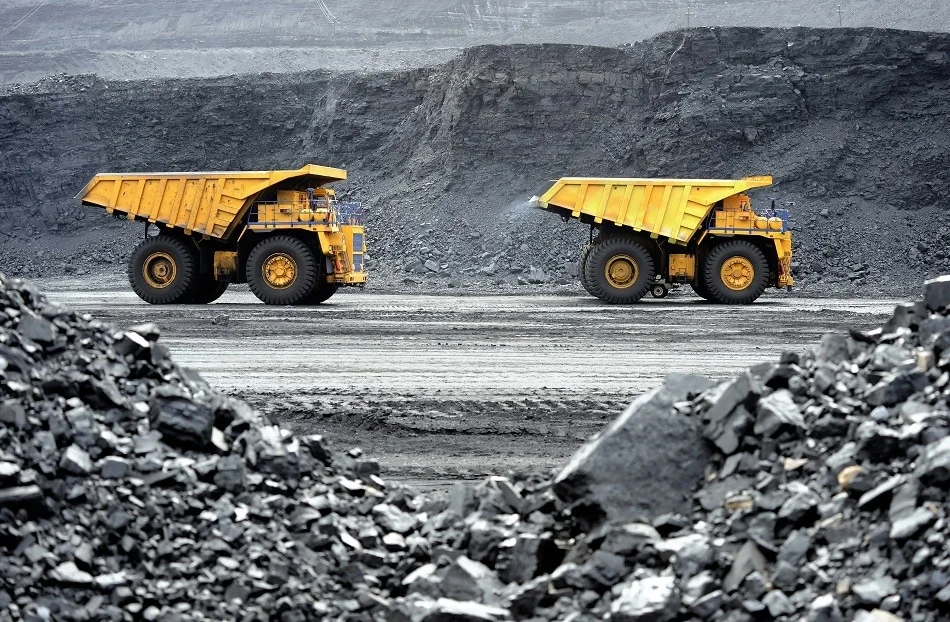
Lusaka — Allegations of a cover-up and mounting health risks have intensified scrutiny of Sino-Metals Leach Zambia following the February 2025 collapse of a tailings dam that released toxic waste into the Mwambashi and Kafue rivers. Six months after the disaster, new evidence suggests the scale of contamination is far greater than the company admitted, while diplomatic missions and civil society groups escalate pressure for accountability.
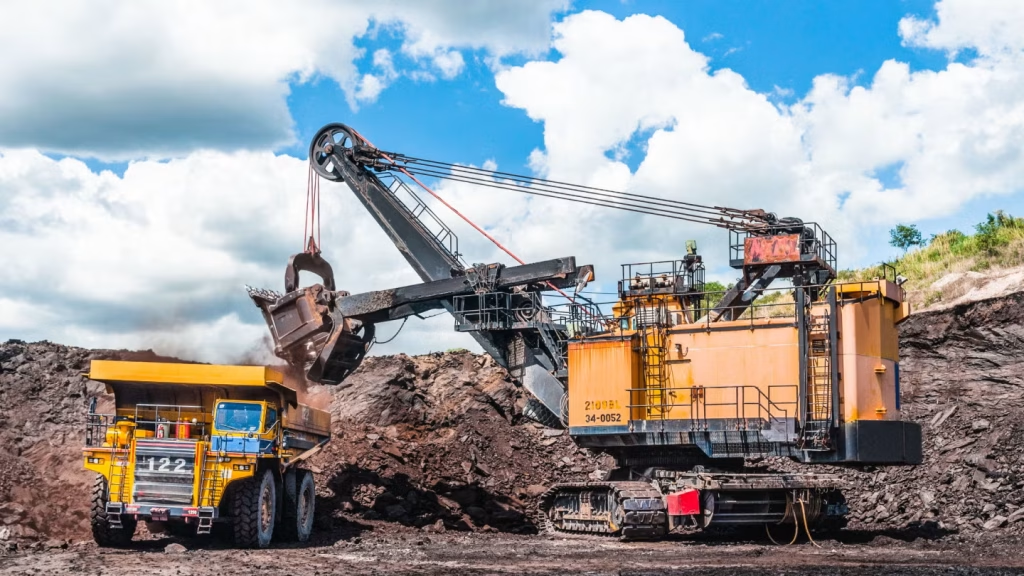
Independent investigators from Drizit Environmental estimate that as much as 1.5 million tonnes of toxic sludge entered the river system, nearly 30 times higher than Sino-Metals’ official figure. The discharge contained arsenic, cyanide, uranium, and lead, threatening long-term public health and food security for millions who rely on the Kafue River for water, irrigation, and power.
The United States Embassy in Lusaka has ordered the evacuation of its personnel from Kitwe and surrounding areas, warning that contaminants may persist in soil, water, and possibly become airborne. The advisory underscores ongoing risks in the Copperbelt, where residents report destroyed farmland, dead fish stocks, and reduced access to safe drinking water.
Compensation efforts by Sino-Metals have provoked outrage. Farmers in affected communities received interim payments ranging from 17 to 2 000 US dollars but were required to sign legal waivers that prevent future claims. Human rights advocates have criticised the agreements as exploitative, given the scale of environmental and economic loss.
Multiple lawsuits have now been filed. One group representing 47 households is demanding 220 million US dollars in relocation, medical testing, and livelihood support, alongside 9.7 billion US dollars for a victims’ and environmental rehabilitation fund. Another coalition is seeking 200 million US dollars in emergency relief and 80 billion US dollars in long-term reparations, reflecting the unprecedented financial stakes surrounding the case.
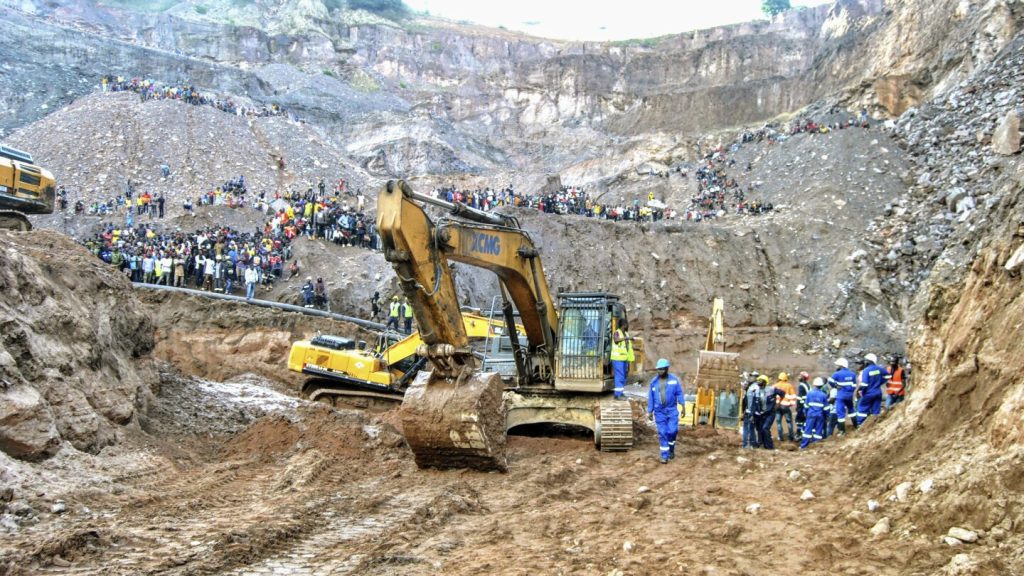
The Zambian government has announced an independent inquiry into the collapse, alongside new regulatory deadlines for mining operators to strengthen dam safety standards by the end of 2025. Civil society groups, led by the Zambia Environmental Justice Coalition, continue to demand transparency, fair compensation, and structural reforms to prevent future disasters.
The Sino-Metals incident is now regarded as one of southern Africa’s most severe environmental crises in recent decades. As investigations proceed, the case has become a test of Zambia’s capacity to enforce mining accountability and protect communities from the high costs of extractive industries.