A Fleeting Respite in a Broken System
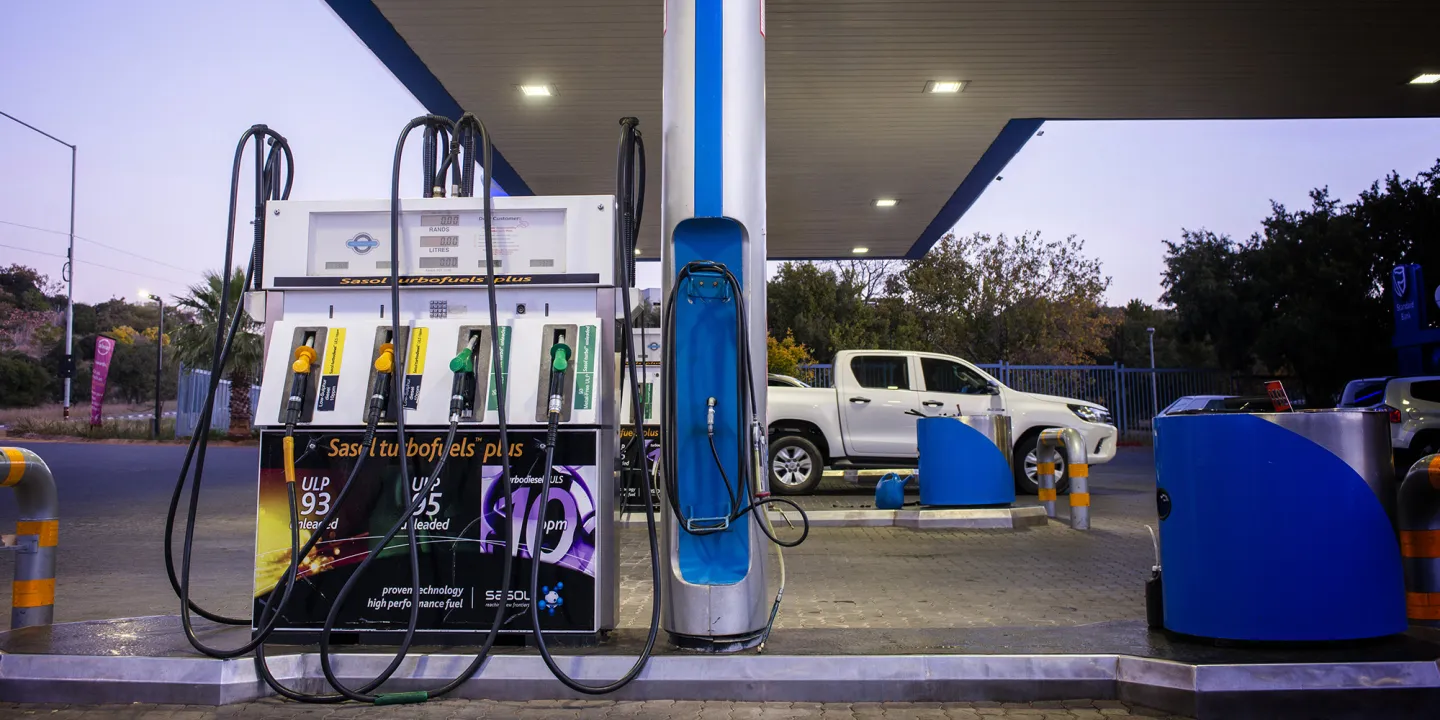
On 3 September 2025, the Department of Mineral Resources and Energy announced modest reductions in South Africa’s fuel prices: petrol dropped by 4 cents per litre, diesel by 56–57 cents, and illuminating paraffin by 37–49 cents (Central News). While this brings immediate relief to struggling households and small-scale transport operators, it’s merely a band-aid over a gaping wound.
Structural Profiteering Built Into the System
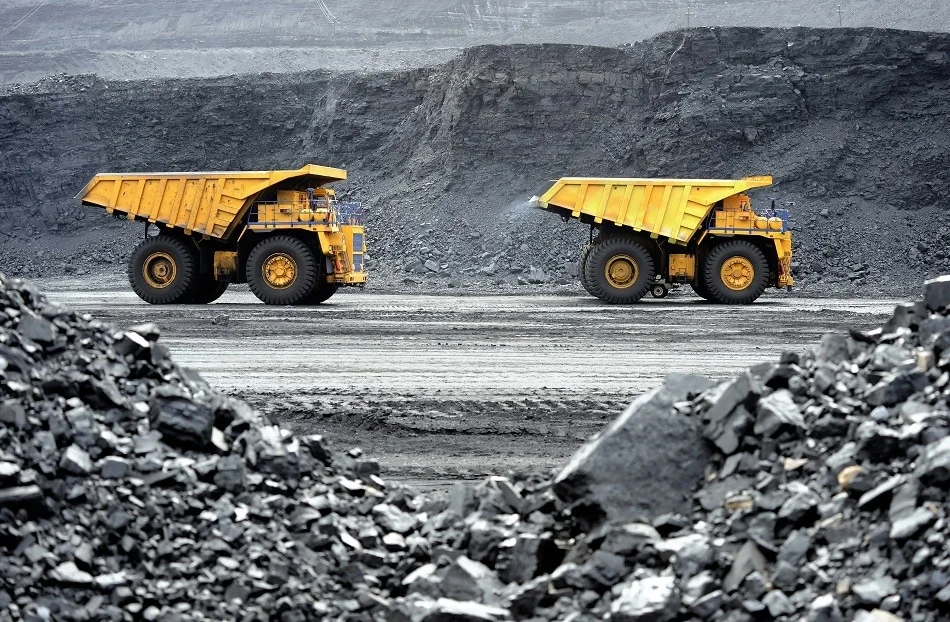
South Africa’s fuel prices are shaped by a complex formula: Basic Fuel Price (BFP) rooted in global benchmarks, layered with levies, taxes, monopolistic margins, and distribution costs (fuelsindustry.org.za). As GIWUSA argues, this mechanism is not designed for affordability. It effectively shields corporate profits—especially through the Import Parity Pricing (IPP) model—forcing citizens to pay global fuel prices for energy products derived domestically, like coal-based petrol from Sasol.
This system ensures that even when global oil prices fall, the savings barely filter through to consumers.
The Illusion of Relief Amid Inflation
The slight fuel price drop comes at a time when South African inflation is already rising, now at 3.5% as of July 2025(Central News). Drivers may save R2 on a full tank of petrol, while diesel users could pocket over R28—but these savings are insignificant against the broader backdrop of soaring living costs.
Bold Demands for Energy Justice
Acknowledging the short-lived relief, GIWUSA reiterates the need for transformative, collective solutions:
1. Nationalise the Oil Industry
Expropriate private refining and distribution monopolies, consolidate them within a state-controlled South African National Petroleum Company, focus on breaking the IPP cycle, and channel profits toward accessible energy and renewable investment.
2. Reform the Auto Industry
Under worker-led governance, shift the auto sector from luxury exports to producing affordable public transport vehicles—buses, trams, minibus taxis—to cut transportation costs and create thousands of jobs.
3. Enable Democratic, Worker-Led Control
Place fuel pricing mechanisms under boards comprising energy and auto workers, unions, commuters’ associations, and civic representatives to ensure pricing reflects public need rather than private gain.
Turning Flickers of Relief Into Structural Change
Yes, this September’s fuel relief offers a moment of breathing room—but it’s still relief sourced from an unjust system. Without bold structural changes, these price fluctuations only reinforce inequality. True energy justice lies in reclaiming public control—through nationalisation, democratic oversight, and a just transition to renewable energy.