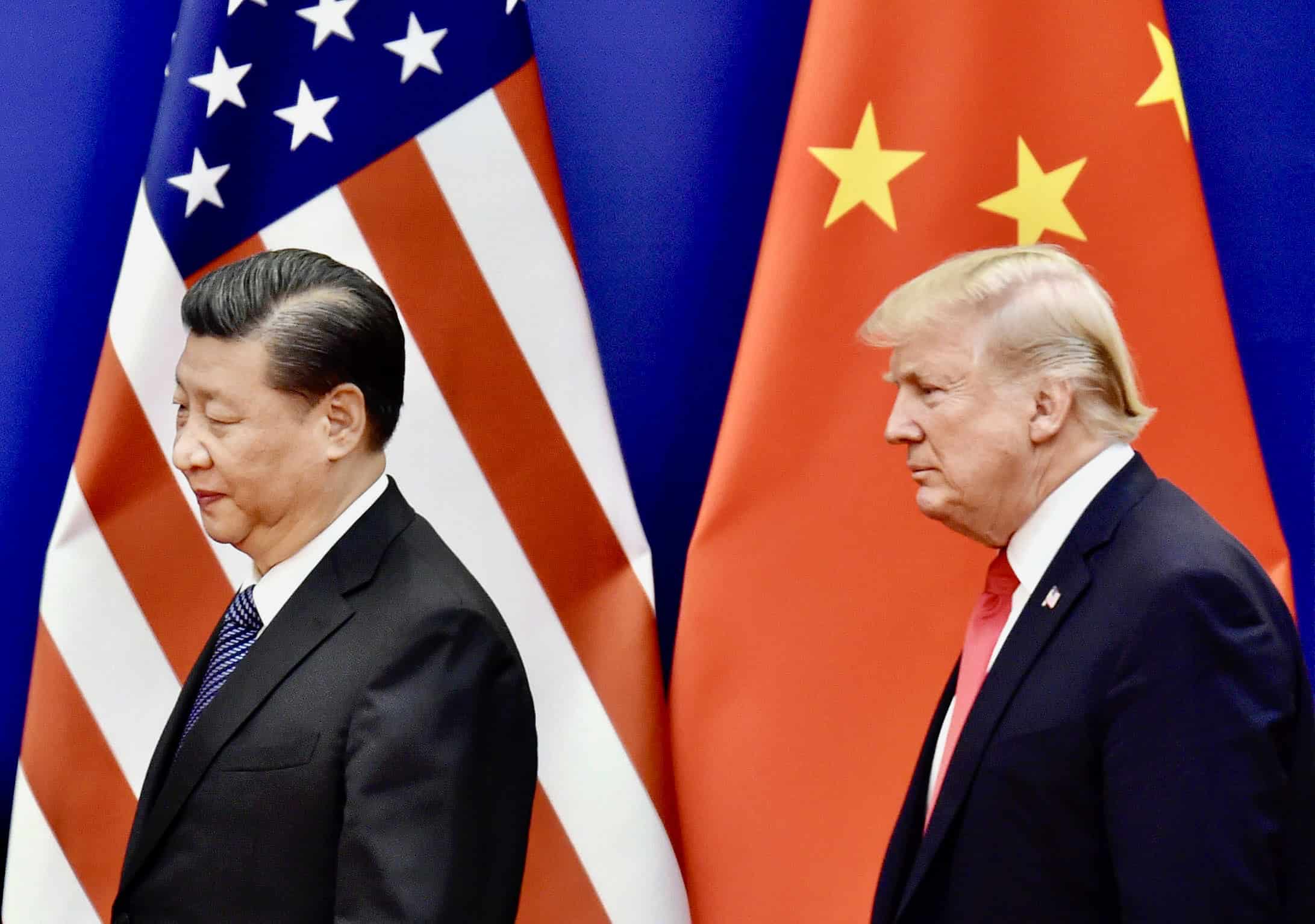
Just when you thought the economic seesaw of U.S. foreign policy had finally leveled out—bam! President Donald Trump pulls another lever, flips a tariff switch, and sets the global economy jittering like a stockbroker on espresso.
In his latest plot twist worthy of a political K-drama, Trump has decided to suspend those punishing tariffs for most countries—but (plot twist!) China isn’t invited to the tariff-free party. Instead, the Asian superpower has found itself hit with a double whammy of heightened duties, prompting economic analysts and everyday consumers alike to ask: What’s the endgame here?
“Trump believes that the US is unfairly importing in larger amounts from other countries than they are getting to export to other countries… he wishes to ‘rebalance’ trade with the rest of the world,”
— Charles Adams, University of the Western Cape
Let’s unpack this with a bit of flair, shall we?
🎯 Trump’s Trade Balancing Act: More Tightrope, Less Ballet
Like a magician performing for an audience that alternates between applause and anxious side-eye, Trump insists that his tariff tantrum is all part of a master plan. He wants to fix what he sees as a lopsided trade deficit. Essentially, he’s saying:
“Hey world, we’re buying way too much of your stuff and you’re barely buying ours—so let’s fix that.”
📌 For context: What is a trade deficit? – Investopedia
But it’s not just China who’s being summoned to the economic principal’s office. It’s the rest of us who feel the ripple effects when two giants square off. Whether you’re in Cape Town, Cincinnati, or Chengdu, the fallout hits the prices of everything from smartphones to sneakers.
“These import and export taxes are going to affect American consumers as much as the rest of the world, which has been explained as ‘short-term pain’ for those affected in the US,”
— Charles Adams
📌 Here’s a breakdown of how tariffs impact everyday consumer goods (CNBC).
🥡 So What’s Cooking in China’s Kitchen?
Spoiler: not humble pie. Beijing, unsurprisingly, isn’t backing down. In response to what they see as economic bullying, China has already clapped back with retaliatory tariffs of its own. Think of it as a game of high-stakes economic ping pong, except the balls are billions of dollars and the paddles are government policies.
📌 China’s response in detail: China hits back with new tariffs on US goods – BBC
“It would mean significantly higher costs for certain goods from China, for US consumers. It will also mean a likely escalation in this ‘trade war’ from China’s side…”
— Adams again, dropping facts like mic drops
What’s the Global Vibe Check?
Well, in a word: uneasy.
Imagine global trade as a dinner party. The U.S. and China are the noisy guests arguing over who brought the most to the table. Meanwhile, the rest of the guests—Europe, Africa, South America—are nervously clutching their wine glasses, wondering if it’s time to call an Uber or just find new friends to host the next party.
📌 The World Trade Organization (WTO) has weighed in, warning that continued tensions could derail recovery:
WTO warns global trade growth slowing amid uncertainty
“If this trade war doesn’t abate in the near term… it will also have a significant effect on trade relationships across the world. Countries will have to seek different high-level trading partners.”
— Charles Adams, once more for the people in the back
Indeed, as China and the U.S. volley tariffs like dodgeballs, smaller economies may be forced to shift alliances, diversify trade deals, and—dare we say—start looking inward for innovation and supply.
📌 Example: South Africa-China trade relations deepen despite global tensions – BusinessLive
Is It Market Manipulation… or Just Classic Trump Showmanship?
Whispers abound that this might all be a numbers game—a manipulation of markets, headlines, and public perception. After all, few can command global attention like Trump with a signature and a smirk.
📌 Analysis: Is Trump’s tariff strategy manipulating markets? – Brookings Institute
Is it strategy? Ego? Economic brinkmanship? A bit of all three? Likely.
What’s clear is this: the global economy is dancing to the beat of Trump’s unpredictable playlist, and no one knows when the music will stop—or who’ll be left without a chair.
The Final Word
Whether you’re an economist, a shop owner, or just someone trying to order an affordable smartphone online—tariffs matter. They shape the cost of living, the health of industries, and the diplomatic mood of the moment.
So keep an eye on the headlines, a finger on your wallet, and maybe… a backup trade partner.
And as for Trump? He’s not done yet. This, dear readers, is only intermission.