The U.S. dollar still enjoys its place at the top of the global financial food chain, but the landscape is quietly shifting. Around the world, countries are slowly but surely reducing their reliance on the greenback. It’s a trend driven by everything from economic sanctions to a desire for more control over national currencies—and the rest of the world is watching.
For starters, Russia and Iran have made a bold move, shifting a whopping 96% of their bilateral trade to local currencies—the rubles and rials—a strategy aimed at sidestepping Western sanctions. This isn’t just a political statement; it’s a financial strategy to protect both nations from international pressure. Observer Diplomat, Eastern Herald, and Tremplin.io have all reported on this significant step in the world of de-dollarization.
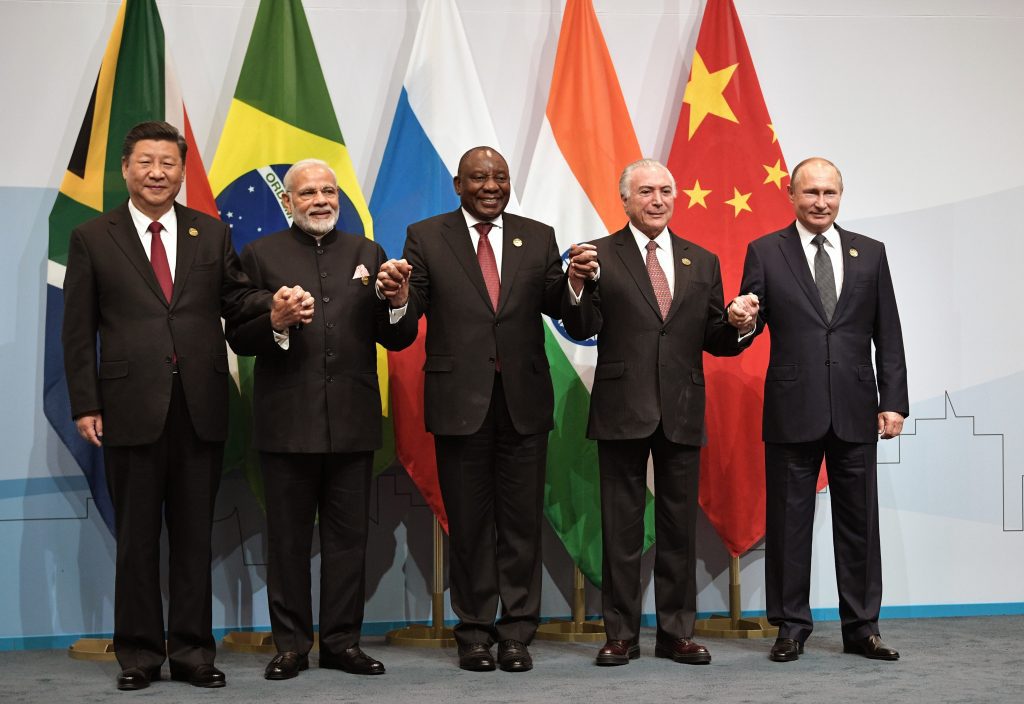
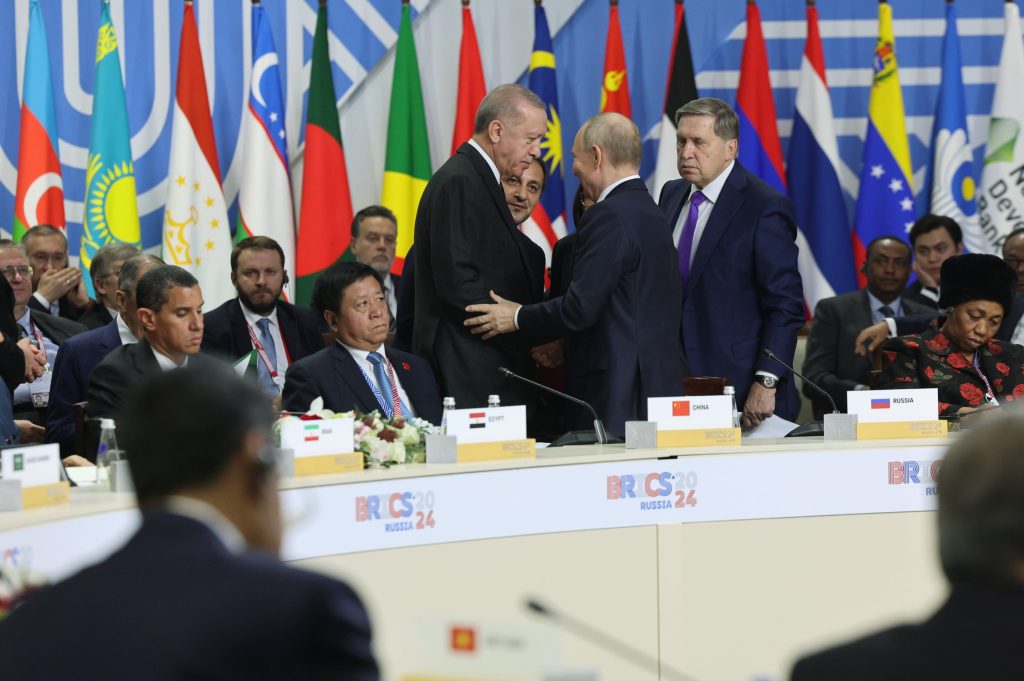
Then, there’s the expanding influence of the BRICS coalition—the familiar names of Brazil, Russia, India, China, and South Africa have been joined by Iran, Saudi Arabia, Argentina, the UAE, Egypt, and Ethiopia. With this growing bloc, many of the countries involved are turning to local currencies for trade, and in some cases, up to 85% of transactions between certain members are already dollar-free. This shift is covered in depth by sources like Eastern Herald, Amandala, Reuters, and EthioReview.
China, meanwhile, is working hard to make the yuan a more global currency. The People’s Bank of China has signed currency swap deals with over 40 countries, enabling businesses to trade in yuan rather than relying on the dollar. The yuan’s role in international trade has grown from just 2% in 2019 to 4.6% by April 2024, and it’s likely to keep climbing. You can read more about China’s rise as a global economic player on Eastern Herald, Watcher Guru, and The National Frontier.
In the CIS (Commonwealth of Independent States), nations like Armenia, Kazakhstan, and Uzbekistan have rolled out plans to settle 85% of cross-border transactions in their own currencies. This move is designed to protect regional economies from the volatility of international currencies and to create a more resilient financial ecosystem. These shifts have been documented by Covid Call to Humanity, EthioReview, and Observer Diplomat.
ASEAN, too, is taking action. At a recent meeting in Bali, Southeast Asian finance ministers agreed to prioritize local currencies in regional trade. It’s another step toward reducing reliance on dominant currencies like the USD, which has long been the default for international trade. The move is covered by Amandala.
What Does All This Mean for Global Trade?
The U.S. dollar still dominates, making up over 58% of global foreign exchange reserves, but these changes signal something bigger: the rise of a multipolar financial world. It’s not about overthrowing the dollar in one fell swoop, but about building a more diversified and resilient financial system, one that doesn’t rely solely on one currency.
As covered by Covid Call to Humanity, Eastern Herald, and Tremplin.io, these steps could eventually shift the balance of power in global finance—depending on how well these new systems can prove themselves. The next few years will be crucial as the dollar’s dominance faces increasing competition from regional currencies and alternative systems.