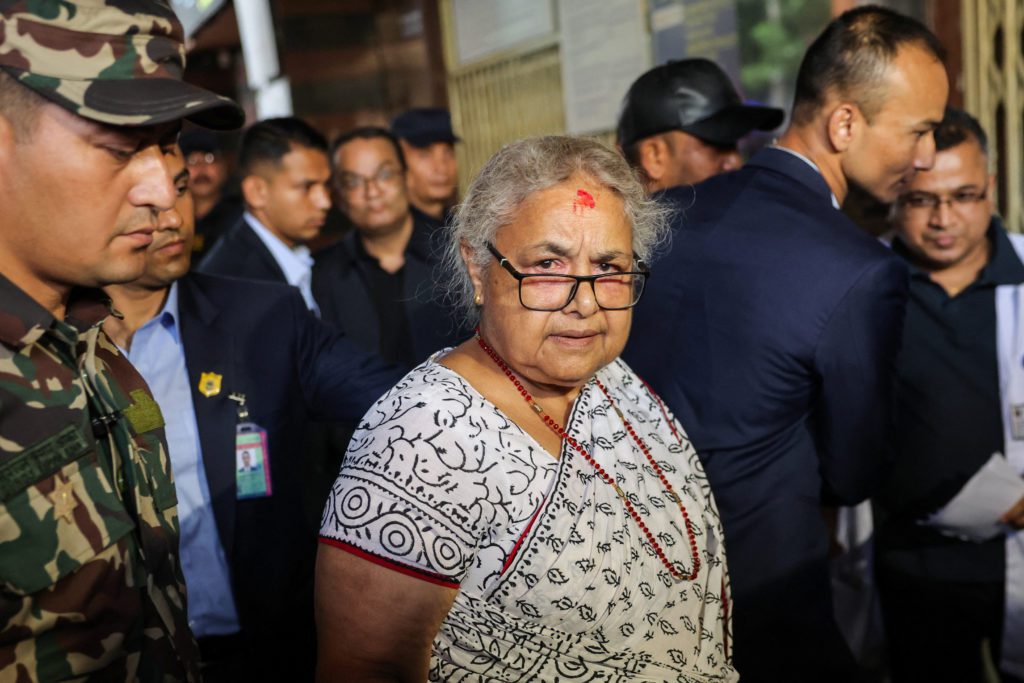
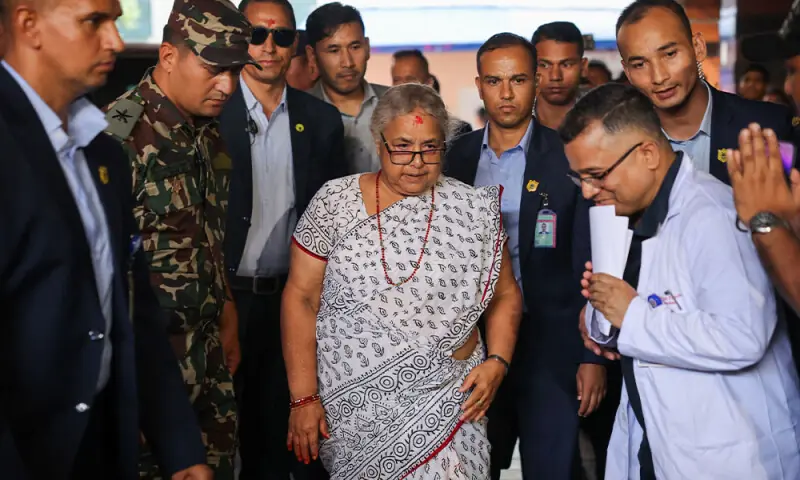
Kathmandu has turned a page in its political history. In the aftermath of deadly youth-led protests, Nepal’s leaders, civil society, and Gen Z activists handed the reins of power not to another party strongman, but to a woman. Sushila Karki, former chief justice and a fearless anti-corruption crusader, was sworn in on Friday as the country’s first female interim prime minister.
Her appointment is more than symbolic. It reflects profound trust. When the country’s fragile democracy needed integrity, it turned first to a woman.
Karki, 73, is no newcomer to political battles. As chief justice from 2016 to 2017, she defended judicial independence, protected women’s rights, and jailed a sitting minister on corruption charges. She famously resisted an impeachment attempt after blocking the government’s handpicked police chief, insisting on merit over cronyism. That same defiance now underpins her new role.
For Nepal’s Gen Z, her rise is validation. Their protests against corruption, a government-imposed social media blackout, and economic despair toppled Prime Minister Khadga Prasad Oli’s government and left more than 70 dead. They demanded a leader who embodied accountability and chose a woman whose reputation was forged in the courts, not the backrooms of party politics.
The symbolism is powerful in a nation long dominated by male leaders. Since the 2015 constitution, women have risen to top state offices, including president, chief justice, and speaker of parliament, yet the prime ministership remained a fortress. That wall has now been broken in crisis.
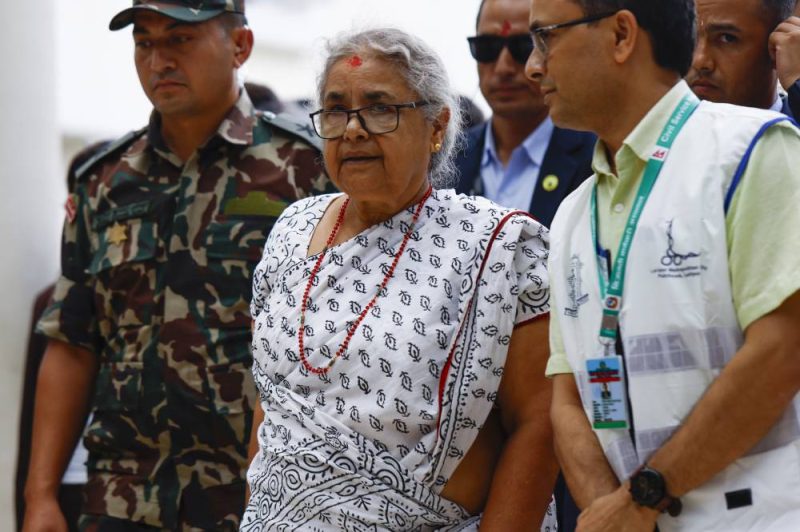
Nepali poet Abhi Subedi described her appointment as proof that society is dynamic and not anti-women. Her elevation is also a statement that women are trusted to lead when men’s politics fail. She is tasked with rebuilding ministries burned in the protests, restoring order, and preparing for the March 2026 elections.
Her challenges are significant. She must deliver elections on time, reform the bureaucracy that embodies corruption, and secure the confidence of both the Nepali Army and the international community. Karki is reframing the crisis as opportunity, calling the Gen Z uprising “a revolution that turned everything upside down” and vowing to keep corruption on the chopping block.
Nepal still faces threats from royalist nostalgia, geopolitical pressures, and entrenched political inertia. Yet for now, the nation has placed its faith in a woman who once stood alone against the state. Sushila Karki’s rise is not just a victory for gender equality. It is a reminder that when nations reach breaking point, women are often the leaders called upon to rebuild. This time, Nepal is trusting her first.