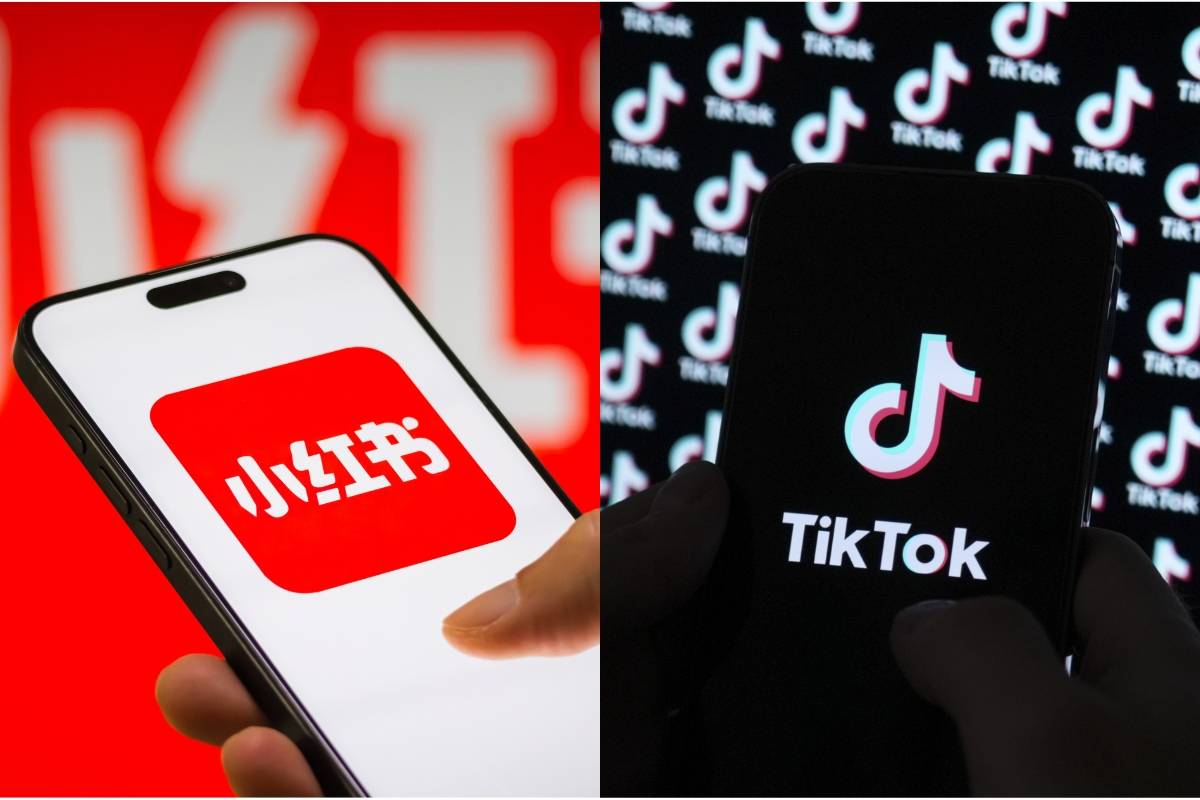
Social media platforms are like reality TV contestants—some shine, some flop, and some just stir up drama. With TikTok teetering on the edge of elimination thanks to U.S. national security concerns, a fresh face has sashayed onto the scene: RedNote. Think of it as the scrappy underdog ready to steal the spotlight. But can RedNote become the new social media darling, or is it destined to be the app version of “that one-hit wonder we all forgot about”? The stage is set, the algorithms are buzzing, and the drama is real. Stay tuned—this could get entertaining!
TikTok’s Meteoric Rise and Controversial Fallout
When TikTok exploded onto the scene, it revolutionized short-form video content, reshaping digital advertising, influencer culture, and even political discourse. Its highly advanced algorithm turned everyday users into viral sensations. However, its ties to China’s government raised red flags in the U.S., sparking debates about data privacy and national security. The U.S. government’s proposed ban on TikTok symbolizes a larger geopolitical struggle between the West and China.
Enter RedNote: A New Contender
RedNote, a U.S.-based platform, has positioned itself as a safe haven for TikTok users anticipating the app’s removal from American app stores. While TikTok dominated globally, RedNote offers an opportunity for users to start fresh in a platform free from the scrutiny that plagued its predecessor. But can RedNote replicate TikTok’s global appeal?
Unlike TikTok, RedNote’s roots are in fostering niche interests and hobbies. Originally launched in 2013 as a shopping guide for middle-class Chinese users, it has evolved into a lifestyle platform catering to highly educated, middle-class audiences. Now, with a surge of U.S. users flocking to the app, the platform faces unprecedented challenges in adapting to a global audience.
A Digital Divide or Global Phenomenon?
The rise of RedNote could signal the start of a splintered internet where social media reflects geopolitical alliances. Imagine a future where RedNote dominates in the U.S., while TikTok retains its stronghold in Asia, Europe, and Africa. This potential fragmentation of social media could exacerbate global tensions and create distinct digital ecosystems based on political and economic divides.
However, history shows that trends can transcend borders. If RedNote captures the same innovative spark that catapulted TikTok to global fame, it could rise as a formidable player in the international social media landscape. To do so, it must deliver unique features that go beyond being merely a TikTok replacement.
The Role of Politics and Content Moderation
TikTok was more than just a platform for entertainment; it became a space for political discourse and activism. From climate change awareness campaigns to election rallies, TikTok’s impact on political movements was profound. RedNote now faces a critical choice: how it handles political content will determine its long-term success.
China’s censorship policies have historically silenced political dissent on social media platforms, but RedNote’s relatively apolitical user base has so far shielded it from heavy scrutiny. However, the recent influx of American users, accustomed to free speech, could challenge this status quo. The platform’s ability to navigate these cultural and political differences will be a defining factor in its future.
The Economic Ecosystem: Creators and Advertisers
TikTok was a goldmine for creators and advertisers, generating billions in ad revenue and fueling industries built around influencer culture. RedNote’s rise offers creators a chance to tap into a new audience, but replicating TikTok’s success requires more than attracting users. Social media platforms thrive on robust ecosystems of advertisers, investors, and infrastructure. Without this foundation, RedNote risks being seen as a temporary refuge rather than a permanent home.
Lessons from the Past
RedNote’s journey mirrors past efforts to adapt Chinese platforms for Western audiences. ByteDance, TikTok’s parent company, previously attempted to launch a global alternative, Lemon8, which failed to gain traction despite significant investment. RedNote’s success will depend on its ability to innovate and cater to its diverse audience without losing its original identity.
Conclusion: The Future of RedNote
RedNote stands at a crossroads. It could rise to global prominence by offering unique features and fostering meaningful connections across cultures. Alternatively, it could remain a niche platform, a temporary solution for disenfranchised TikTok users.
The migration to RedNote underscores the complex interplay between technology, politics, and economics in the digital age. As the world watches this unfolding drama, one thing is clear: social media is no longer just about entertainment. It’s a battleground for influence, innovation, and societal change.
Will RedNote reshape the social media landscape, or is it destined to fade into obscurity? Only time will tell, but the story of this migration is a powerful reminder of the profound impact social media platforms have on our lives and our world.