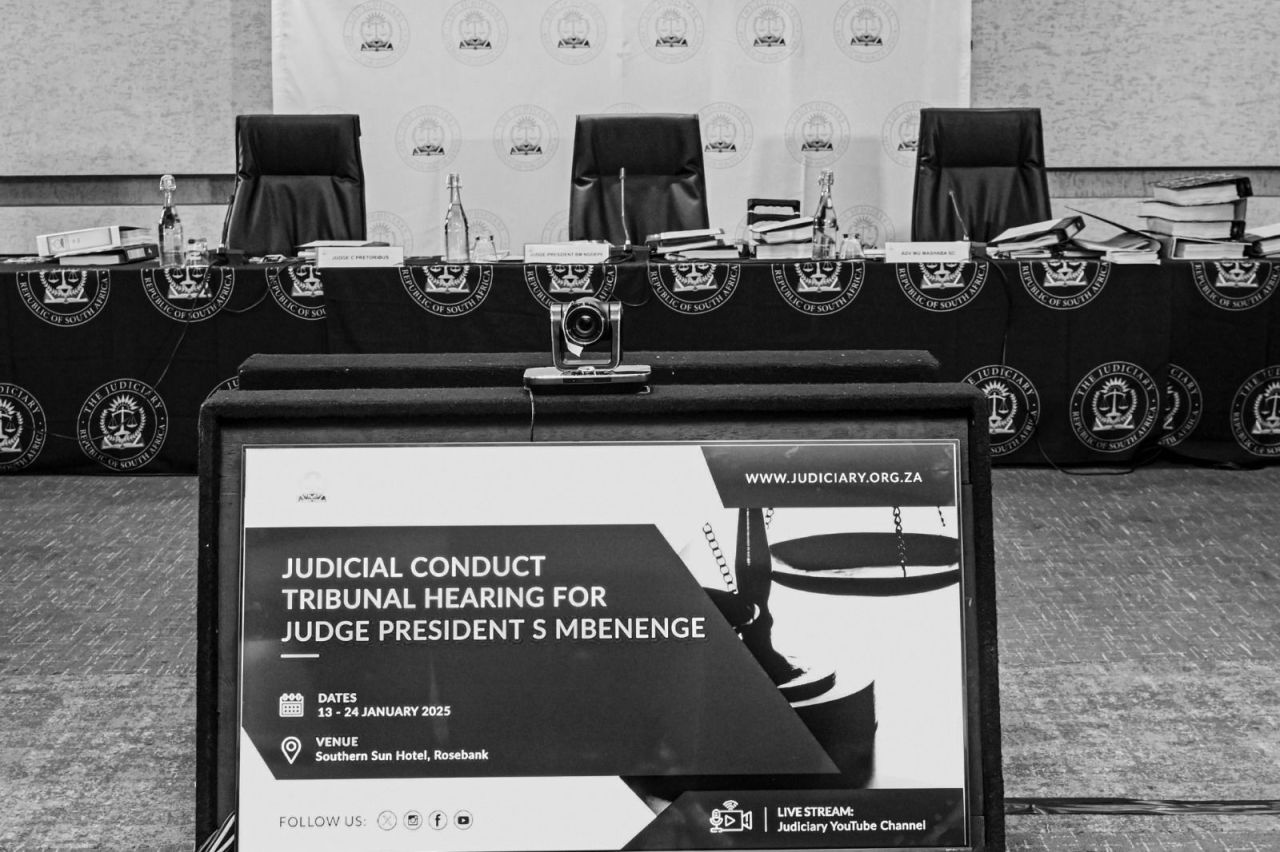
The Judicial Conduct Tribunal convened on January 13, 2025, to address allegations of sexual harassment leveled against Eastern Cape Judge President Selby Mbenenge. This tribunal marks a historic moment as it is the first time a sitting judge in South Africa faces such proceedings for alleged sexual misconduct.
The allegations were brought forward by Andiswa Mengo, a judicial secretary, who claims that Mbenenge made repeated and unwelcome sexual advances toward her. According to her testimony, these advances included inappropriate WhatsApp messages and an incident in which Mbenenge allegedly attempted to expose himself in his chambers. Mengo, testifying before the tribunal, described feeling trapped in an untenable situation, where her responses to Mbenenge were carefully measured to avoid provoking him or jeopardizing her employment.
“I felt like I had no choice but to tread carefully,” Mengo stated during the tribunal. “I was afraid of the consequences if I outrightly rejected him.” Her testimony highlighted the inherent power dynamics at play, with Mengo asserting that her ambiguous and placatory responses were aimed at deflecting Mbenenge’s alleged advances without causing him to retaliate.
Judge President Mbenenge, however, has categorically denied all allegations, maintaining that their interactions were consensual. He has pledged to vigorously defend his conduct and reputation throughout the proceedings. His legal team has emphasized that the burden of proof lies with the complainant and that the tribunal’s findings must be based on credible evidence.
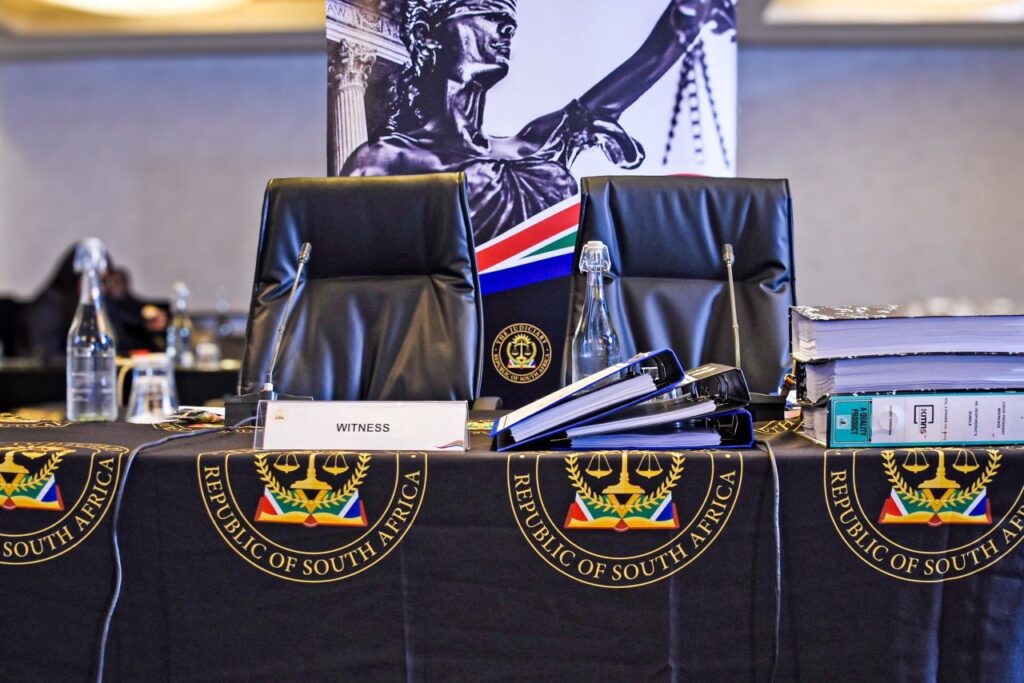
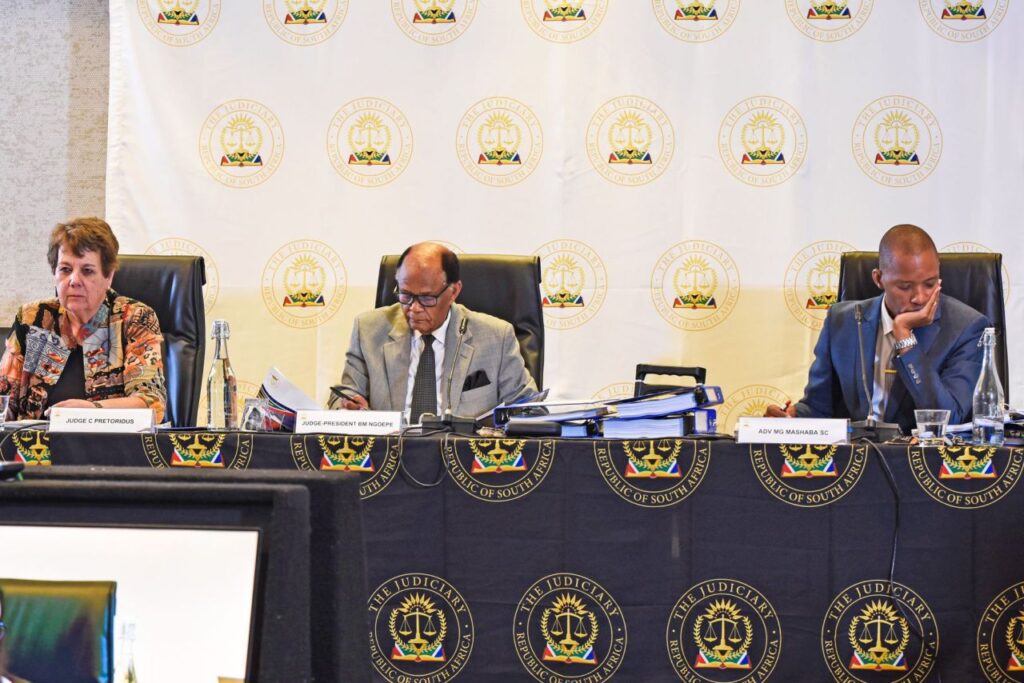
The tribunal is chaired by retired Judge President Bernard Ngoepe and is scheduled to run until January 24, 2025. Proceedings include both open and in-camera sessions to balance transparency with the need to uphold judicial integrity and protect sensitive information. The outcome of this tribunal could have far-reaching implications, not only for Judge Mbenenge’s career but also for the judiciary’s broader efforts to address allegations of misconduct and ensure accountability within its ranks.
Legal and Institutional Context
The Judicial Conduct Tribunal was established under the Judicial Service Commission Act, 1994, to address complaints against judicial officers. A finding of gross misconduct by the tribunal could result in Mbenenge’s impeachment, subject to confirmation by a two-thirds majority of the National Assembly. This underscores the seriousness of the allegations and the potential ramifications for the judiciary’s reputation and public trust.
Legal experts have weighed in on the case, noting the challenges inherent in adjudicating allegations of this nature. “Sexual harassment cases often involve questions of power dynamics and intent, making them complex to prove,” said Professor Lindiwe Mkhize, a constitutional law scholar at the University of Pretoria. “The tribunal will need to carefully consider both the evidence presented and the broader implications for judicial accountability.”
Broader Implications
This tribunal represents a watershed moment for South Africa’s legal system. It comes at a time when public institutions face increasing scrutiny and demands for transparency. Analysts suggest that the handling of this case will be a litmus test for the judiciary’s commitment to addressing misconduct within its ranks.
Advocates for gender equality and workplace safety have also expressed keen interest in the proceedings. “The outcome of this tribunal will send a strong message about how seriously the judiciary takes allegations of sexual harassment,” said Zanele Dlamini, spokesperson for a national women’s rights organization. “This is not just about one individual; it’s about setting a precedent for accountability and respect in the workplace.”
What Next?
The tribunal’s findings will be closely watched by legal professionals, civil society, and the public. As the hearings continue, both sides will present their evidence and arguments, with the tribunal tasked with determining whether Mbenenge’s alleged conduct constitutes gross misconduct. Should the tribunal’s findings support Mengo’s claims, the matter will proceed to the National Assembly for further action.
In the meantime, the case has sparked important conversations about power dynamics, workplace ethics, and the judiciary’s role in upholding the values of justice and accountability. The tribunal’s outcome, expected later this month, will undoubtedly shape the discourse around these critical issues and set a precedent for future cases.