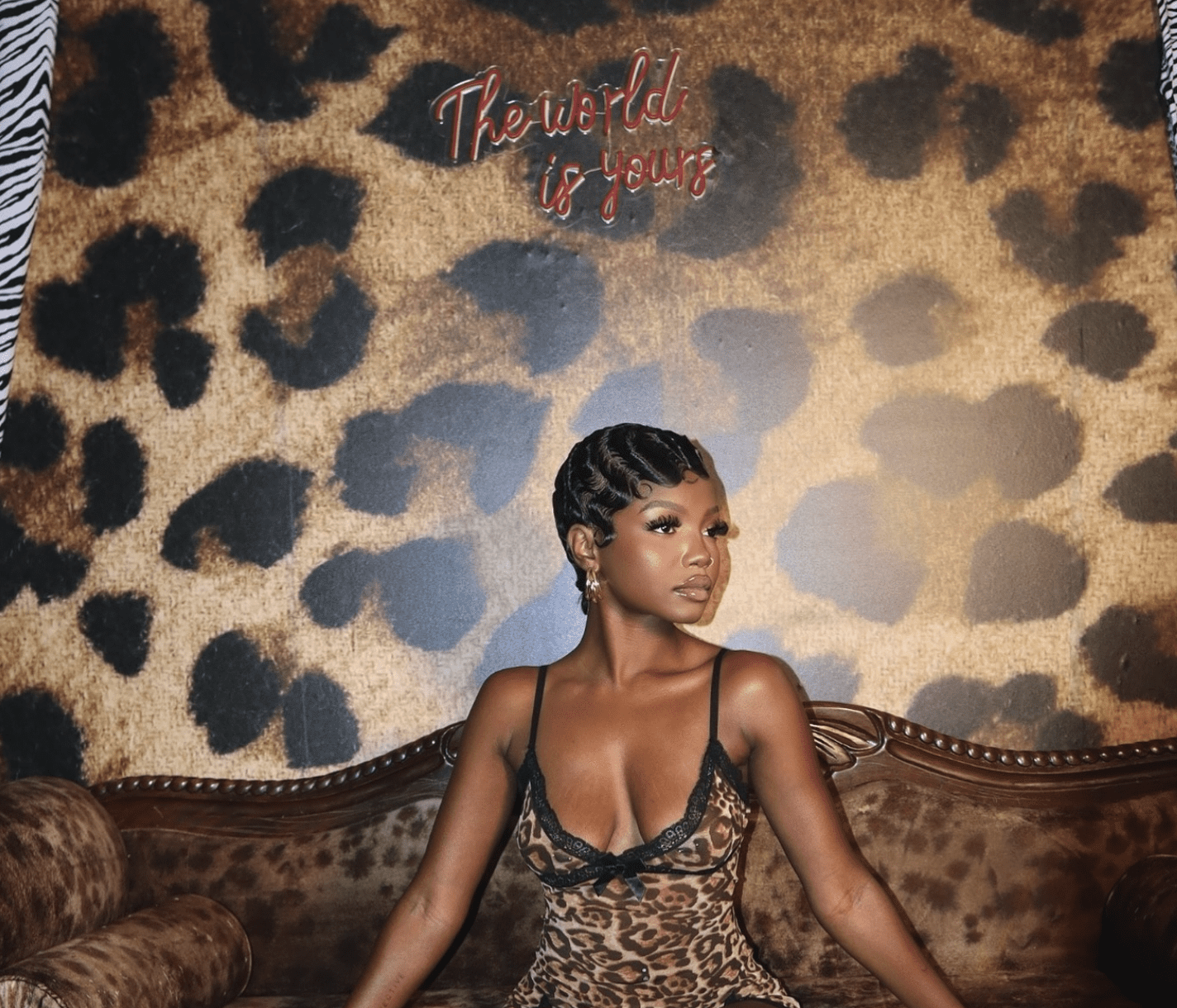
Michelle “Chelley” Bissainthe was never desperate, dramatic, or divisive. She simply refused to shrink.
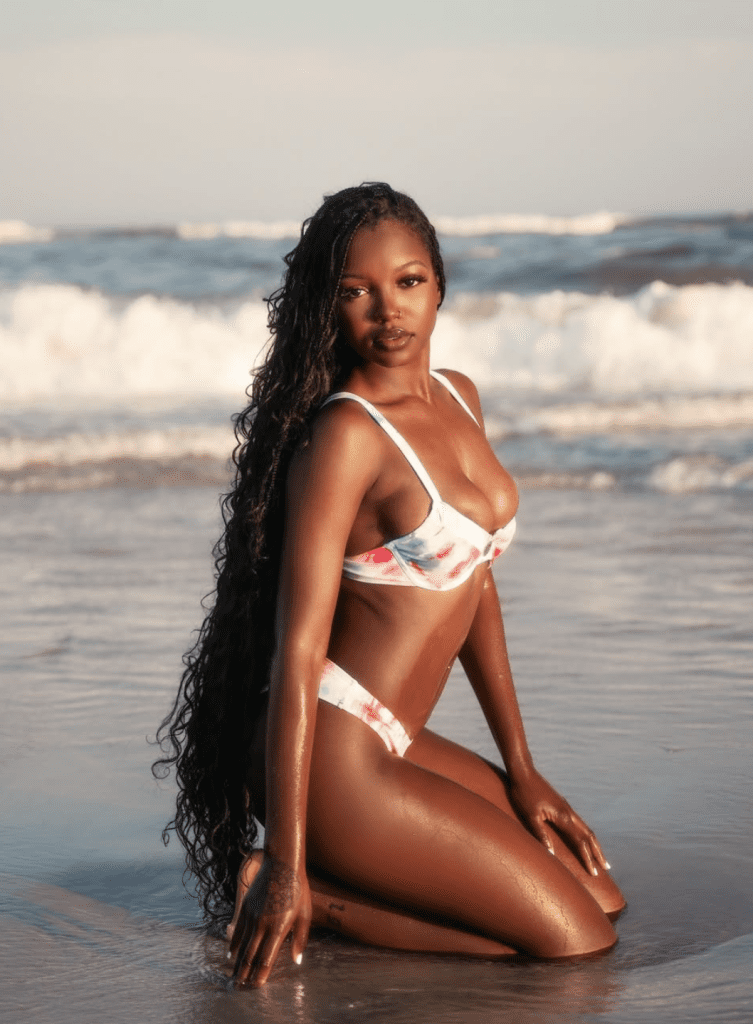
From her entrance on Love Island USA Season 7, the 27-year-old Miami-based day trader and model brought a composed, self-assured energy rarely seen—let alone rewarded—on American reality dating shows. Her beauty was striking, her demeanor controlled, and her interest in finding a connection came from a place of power rather than performance. And for that, viewers branded her cold.
In an ecosystem that thrives on emotional volatility and theatrical romance, Chelley refused to beg, chase, or fight for male attention. Instead, she moved with the calm precision of someone accustomed to being chosen. Her quiet chemistry with Ace Green was evident from early episodes, even as she was initially paired with Austin Shepard. Ace—who had briefly crossed paths with Chelley in New York before the show—ultimately chose her in a pivotal recoupling. Viewers saw the bond take shape naturally, without manipulation, overreactions, or desperation.
Racism and Misogyny in the Spotlight: Chelly’s Experience with Online Hate
But Chelley’s refusal to play the traditional reality TV game—pulling men for chats, groveling after drama, or spiraling emotionally—wasn’t read as poise. It was weaponized as arrogance.
This summer, Chelley became a lightning rod for fan hostility online, much of it racially coded. One particularly egregious incident came when BuzzFeed’s Tasty account posted a since-deleted image implying that Chelley deserved a “knuckle sandwich.” Her team responded directly on Instagram, calling the post “disturbing, disgusting, and unacceptable.” The backlash wasn’t limited to content mills. Across TikTok, Reddit, and comment sections, Chelley and fellow Islander Olandria were villainized—often for behavior deemed neutral when exhibited by their white or light-skinned castmates.
On July 16, actress and producer Keke Palmer brought Chelley and Olandria onto her podcast Baby, This Is Keke Palmer, where the women gave frank accounts of their experience with fandom bias, post-show harassment, and being labeled “mean girls.” It was a searing, necessary conversation.
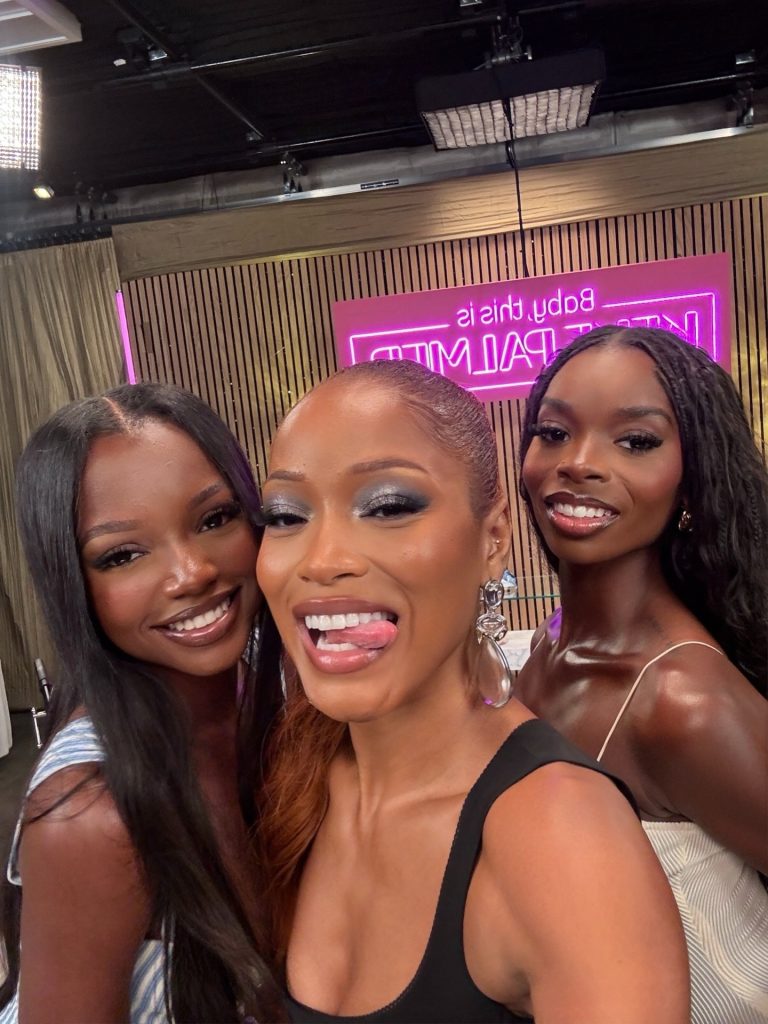
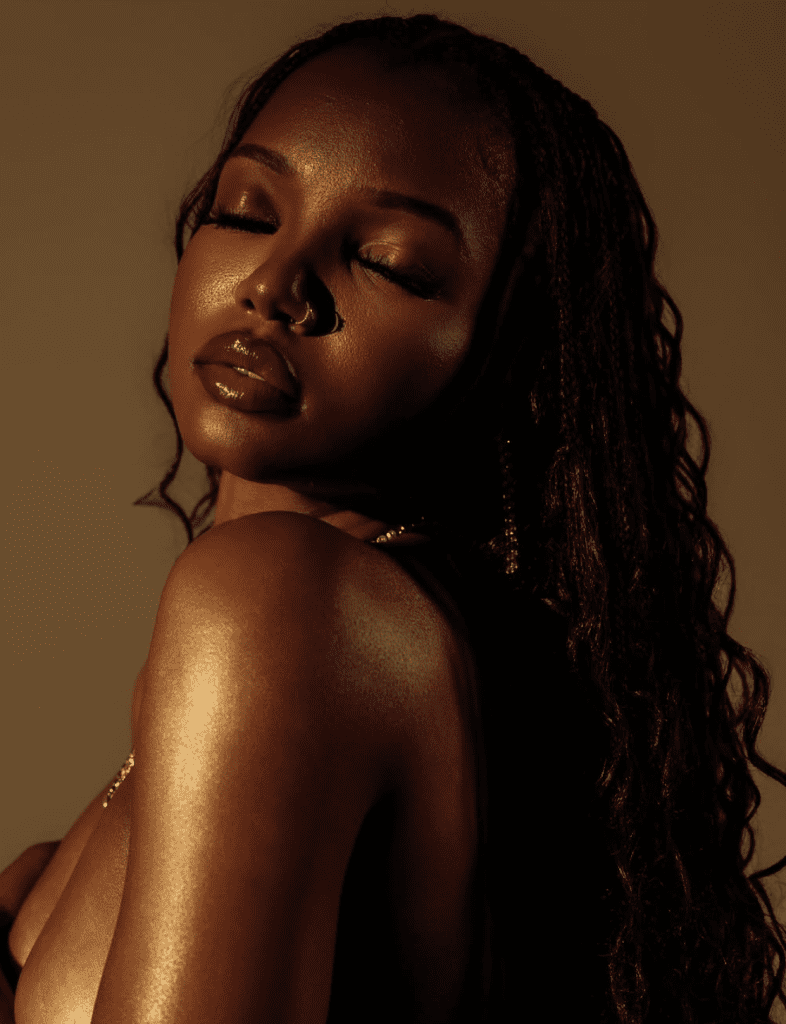
A Candid Conversation: Chelly on Keke Palmer’s Podcast
“On the inside, we have a whole different life than what is out there,” Chelley told Palmer. “I don’t understand what made y’all think we were these mean girls.”
Palmer, who’s long been vocal about the way Black women are policed in public, pointed to how quickly firm statements or boundaries from Black women are interpreted as aggression. “Just because I’m saying something sternly doesn’t mean you need to be afraid of me,” she said. Chelley and Olandria echoed the sentiment: emotional restraint isn’t hostility. Directness isn’t cruelty. And yet, when they set boundaries or showed discernment, it was read as a threat.
To understand the backlash Chelley faced is to understand how reality television fandoms consistently misinterpret confident Black women. There is little tolerance for nuance. There is even less for dignity. When Chelley didn’t perform sadness after conflicts, she was called icy. When she didn’t play the social politics of the villa with breathless desperation, she was deemed ungrateful. When she secured genuine romantic interest from both Ace and Casa Amor’s Chris without resorting to dramatics, her desirability was framed as suspicious.
At one point, Love Island USA polled viewers on fan-favorite Islanders. Despite Chelley ranking near the bottom in multiple categories, she was ultimately saved by America’s vote—proof of a divided public perception. Some saw her clearly. Others saw what they’ve been conditioned to expect from women like her.
In truth, Chelley’s arc on the show was deliberate, intelligent, and restrained. She moved on instinct, never for optics. She didn’t perform mess. She didn’t weaponize her sexuality, her race, or her trauma. And she never begged. That calm confidence—alongside her obvious physical beauty—challenged dominant scripts about who gets to be liked, loved, or believed on television.
The real indictment lies not with Chelley, but with the ecosystem that still punishes Black women for exercising the same emotional intelligence it praises in others.
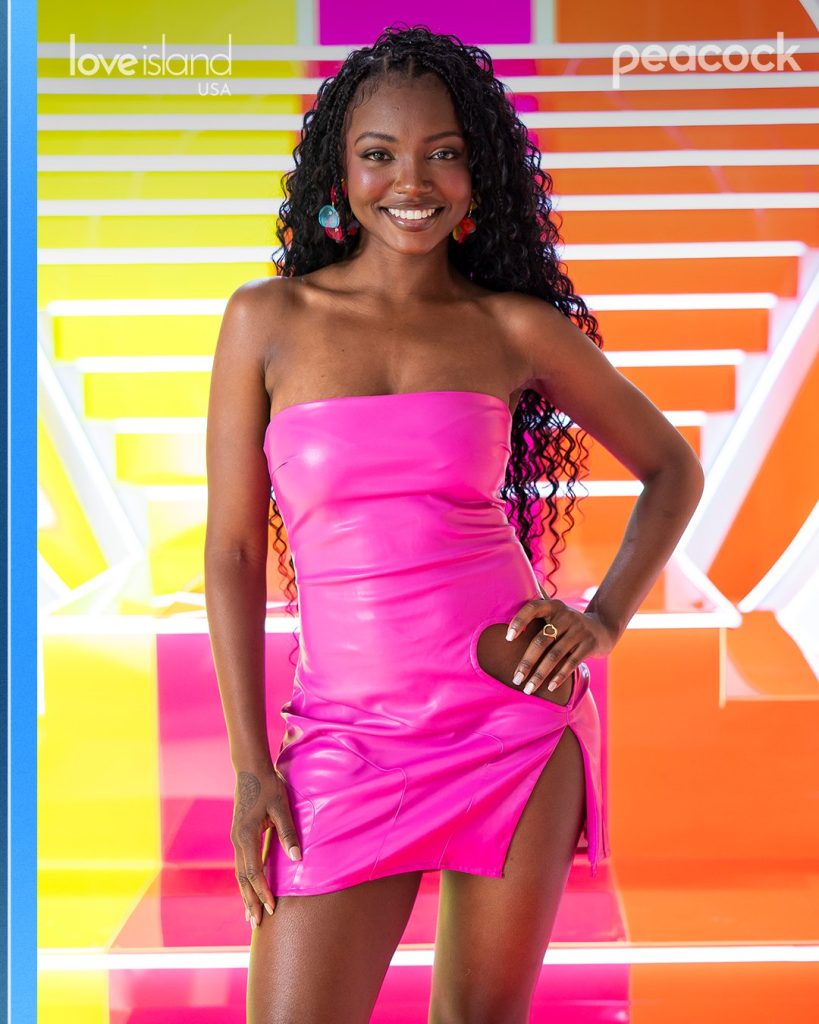
The Fenty Follow: What It Means for Chelly’s Rising Profile
Her growing cultural footprint reflects that imbalance—and the possibility of redress. This week, Fenty Beauty followed Chelley on Instagram, signaling a potential brand alignment that feels both logical and overdue. Her sharp bone structure, elegance, and ability to carry a screen without overexposure make her an obvious choice for any premium beauty campaign. She’s not just another reality contestant—she’s a model of how to hold presence and stay poised while under fire.
“We bring everybody peace of mind,” Chelley said during her interview with Palmer. “So to see the internet calling us mean, disrespectful, angry… y’all really don’t know us.”
We hope this is the start of seeing “too much” of her gorgeous face. We’re still Team Chelley.