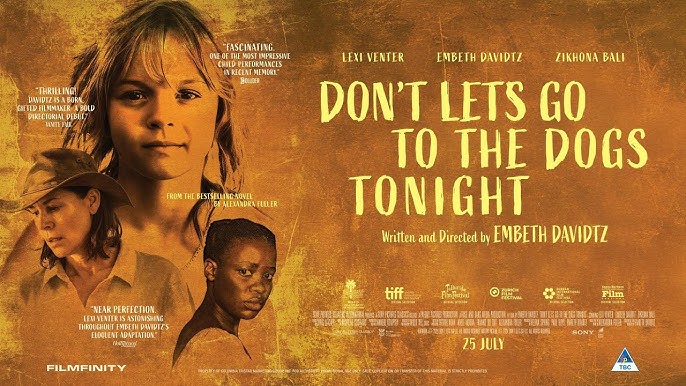
When Alexandra Fuller’s memoir Don’t Let’s Go to the Dogs Tonight was published by Random House in 2001, it was immediately recognised for its raw, introspective portrayal of white settler life in 1970s Rhodesia—now Zimbabwe. Lauded in Western literary circles for its honesty and descriptive prose, the book also raised important questions about whose narratives are preserved and prioritised in post-colonial African history.
Now adapted into a feature film produced by Sony Pictures Classics, the onscreen version delivers high production value, anchored by a cast including Embeth Davidtz, South African newcomer Lexi Venter, and executive producer Trevor Noah. Yet, despite its technical success and emotional pull, the film fails to centre Zimbabwean voices or sensibilities in any meaningful way.
Whose Zimbabwe?
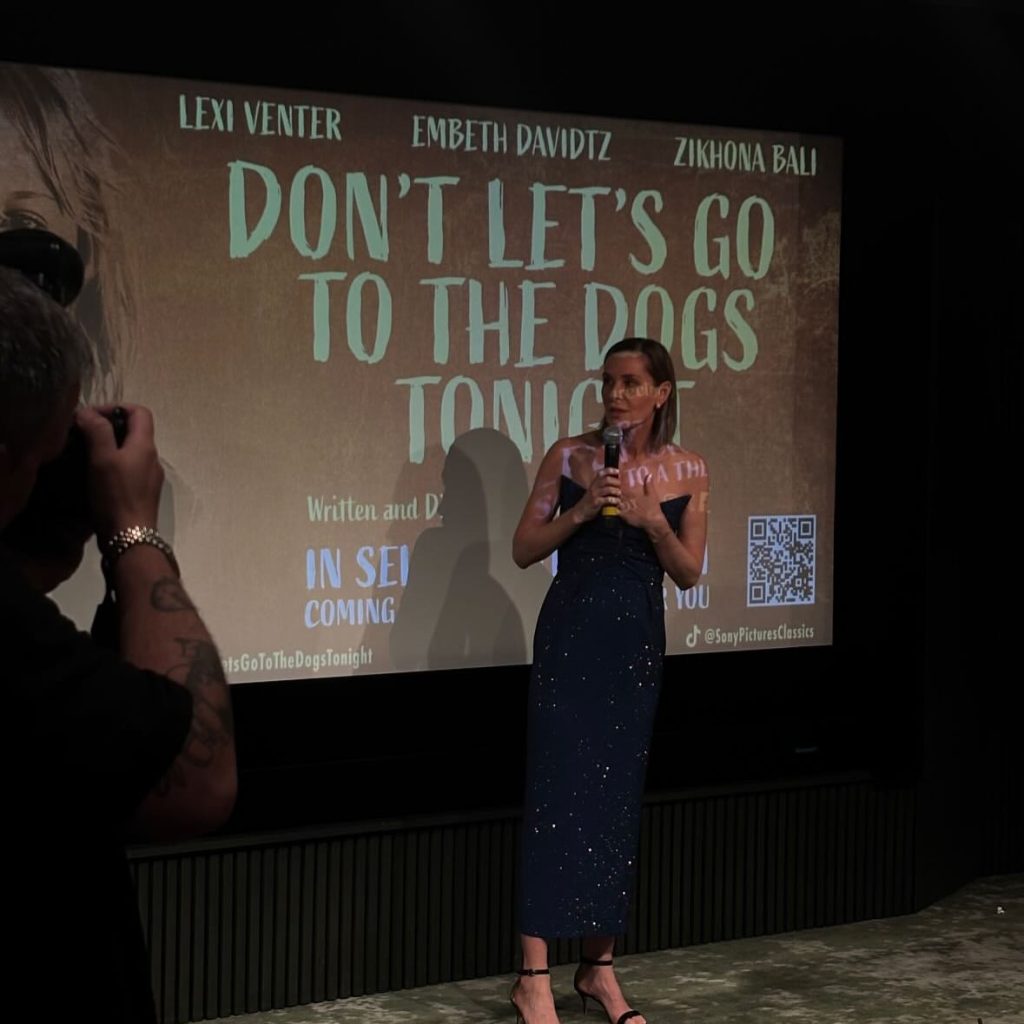
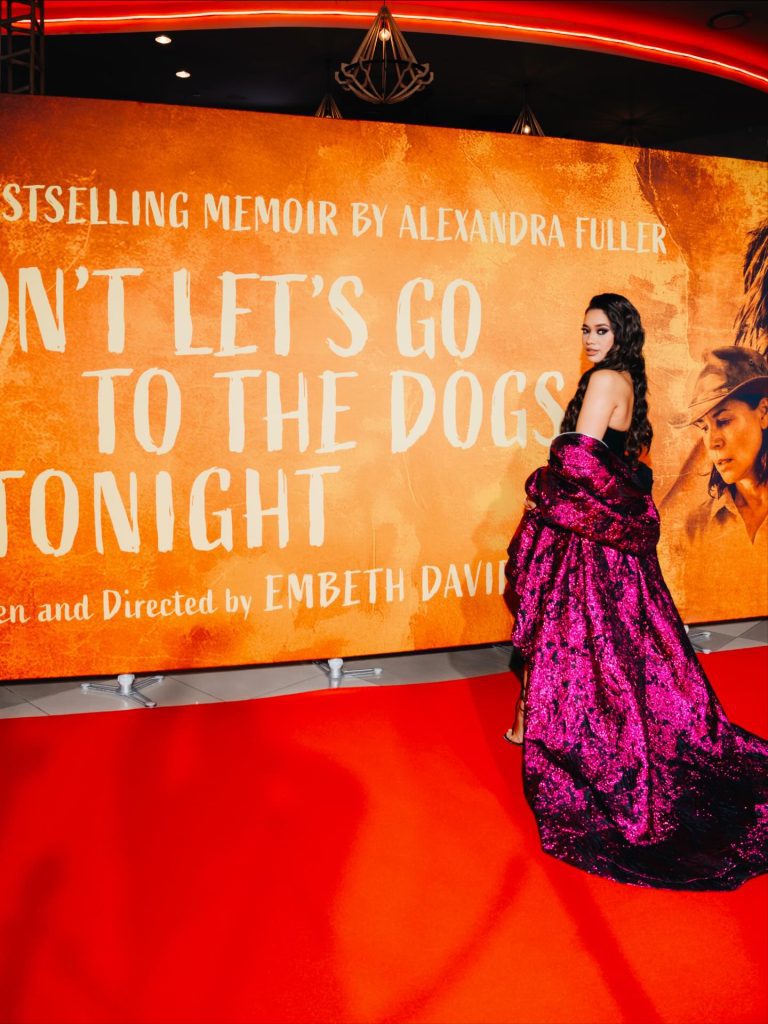
Zimbabwean media personality Kim Jayde praised the film for its emotional impact following the Johannesburg premiere:
“Hours after I left this glamorous movie premiere, I found myself still deeply moved, thinking about this film based on a story in my home country, Zimbabwe.” — Instagram/@kimjayde, 24 July 2025
While her sentiment is genuine and widespread, the critical question is whether the film adequately represents the Zimbabwean context beyond aesthetics and scenery. A closer examination of the film’s credits confirms what many have already noted: there are no Zimbabwean actors in lead roles, no Zimbabwean producers, and no credited cultural historians or language experts consulted for dialect precision.
This is not a pedantic complaint about casting; it’s a structural oversight with deep implications. In a story situated in the heart of Matabeleland and Manicaland, the lack of Shona- or Ndebele-speaking leads is conspicuous. The Shona accents delivered in the film—largely by South African actors—veer into caricature, betraying a lack of linguistic coaching or regional fluency.

The Accent and Language Deficit
The importance of linguistic integrity in post-colonial storytelling cannot be overstated. As scholar Vambe Mbulelo notes in the Journal of African Cultural Studies (2020), “Accent is not merely phonetic; it is embedded in culture, geography, and social structure.” Mispronunciations and inauthentic delivery distort the identities being portrayed, reducing characters to background noise in their own homeland.
In Don’t Let’s Go to the Dogs Tonight, this shortcoming becomes apparent early in the film. Domestic workers, farmhands, and locals are all portrayed with generic Southern African accents, detached from Zimbabwe’s multilingual reality. The failure to get this right—particularly when South Africa and Zimbabwe are neighbouring countries—suggests a lack of investment in local cultural authenticity.
The original memoir navigated Alexandra Fuller’s childhood during the Rhodesian Bush War, a complex and brutal conflict often omitted in global discourse. The film, while polished and moving, adopts a softened lens. It sidesteps major political and racial dynamics in favour of family drama and internal monologue. There is little historical framing of Zimbabwe’s liberation war, and viewers unfamiliar with the region’s history may leave without understanding the root causes of the national trauma that shaped Fuller’s early life.
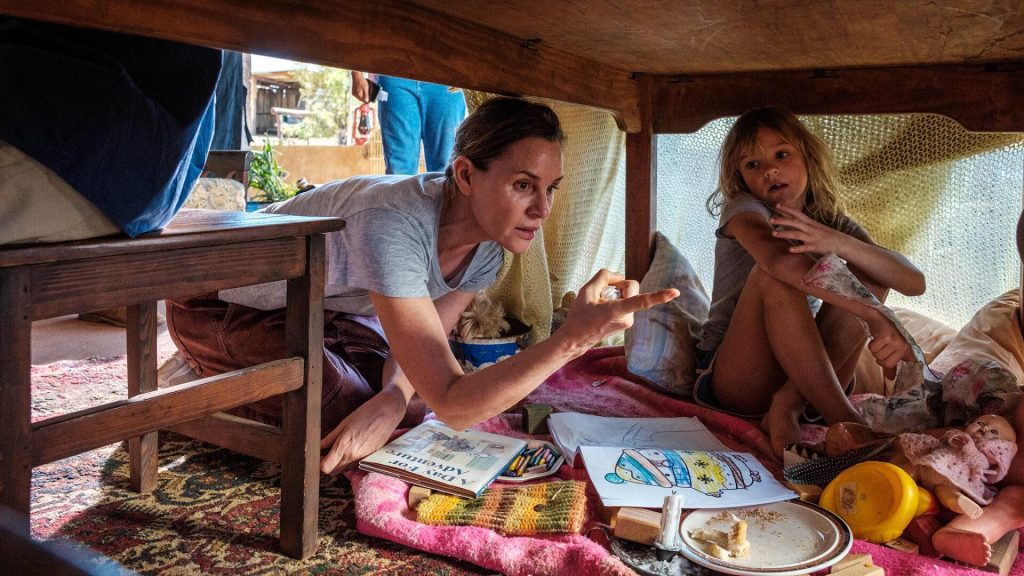
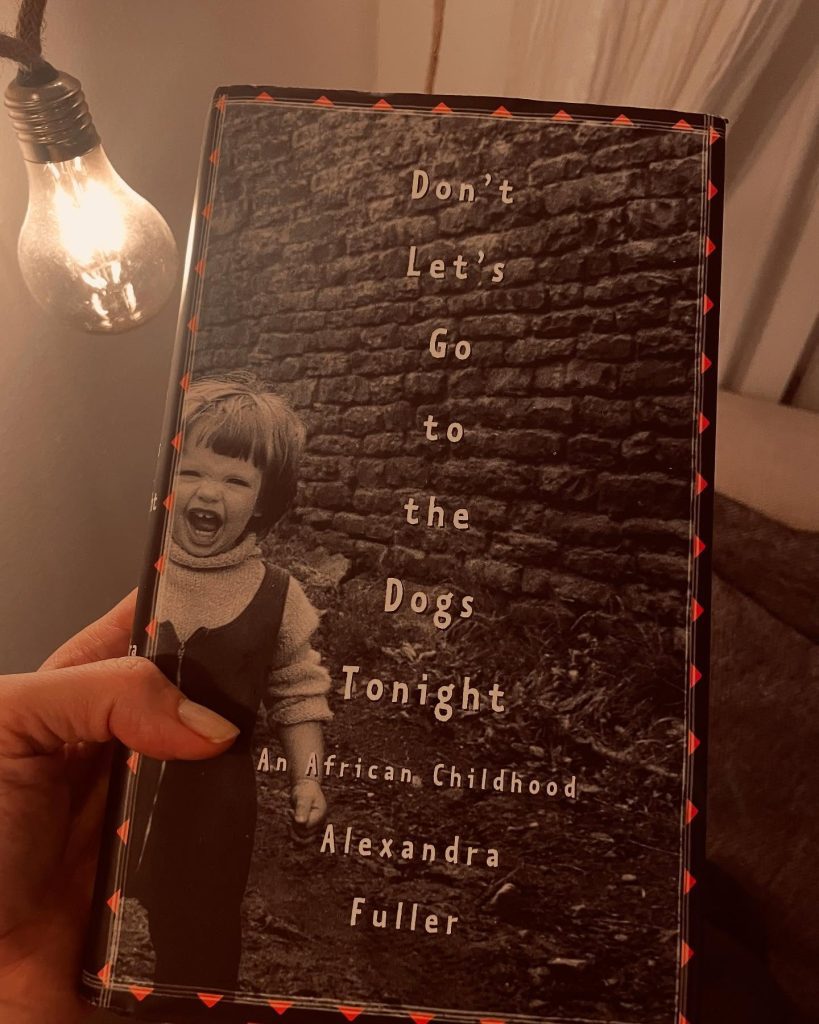
Trevor Noah’s role as executive producer lent the film a pan-African sheen. While Noah has championed African excellence in global media—most recently through projects under his company Day Zero Productions—this film’s Zimbabwean gaps are glaring. In a 2024 interview with Deadline Hollywood, Noah said, “My job is to open the door. Once it’s open, others have to walk through it.” But it’s unclear whether that door was opened to Zimbabwean creatives at all.
An Emotional Film, but Ethically Ambiguous
The performances—particularly from 14-year-old Lexi Venter—are commendable. The cinematography is immersive. The soundtrack, subtle and evocative. But the central dilemma remains: is this truly a Zimbabwean film, or is Zimbabwe merely a setting?
As cultural critic Rungano Zhakata wrote in New African (May 2025), “Africa has become the canvas upon which others paint their ideas of beauty, trauma, and resilience. But few hand the brush to Africans themselves.”
Conclusion: Tell the Story, But Tell It Right
Don’t Let’s Go to the Dogs Tonight is not without merit. It succeeds emotionally, and it will resonate with many viewers—especially those unfamiliar with Zimbabwe’s history. But it fails to pass the test of narrative ownership. It illustrates the cost of global cinema’s fascination with African stories told through external gazes.
Zimbabweans—and Africans more broadly—deserve more than visibility. They deserve authority, editorial control, and recognition. If we are to celebrate “African excellence in film,” as Kim Jayde urges, then that excellence must include the presence of local voices at every stage of production: in casting, in writing, in consultation, and in decision-making.
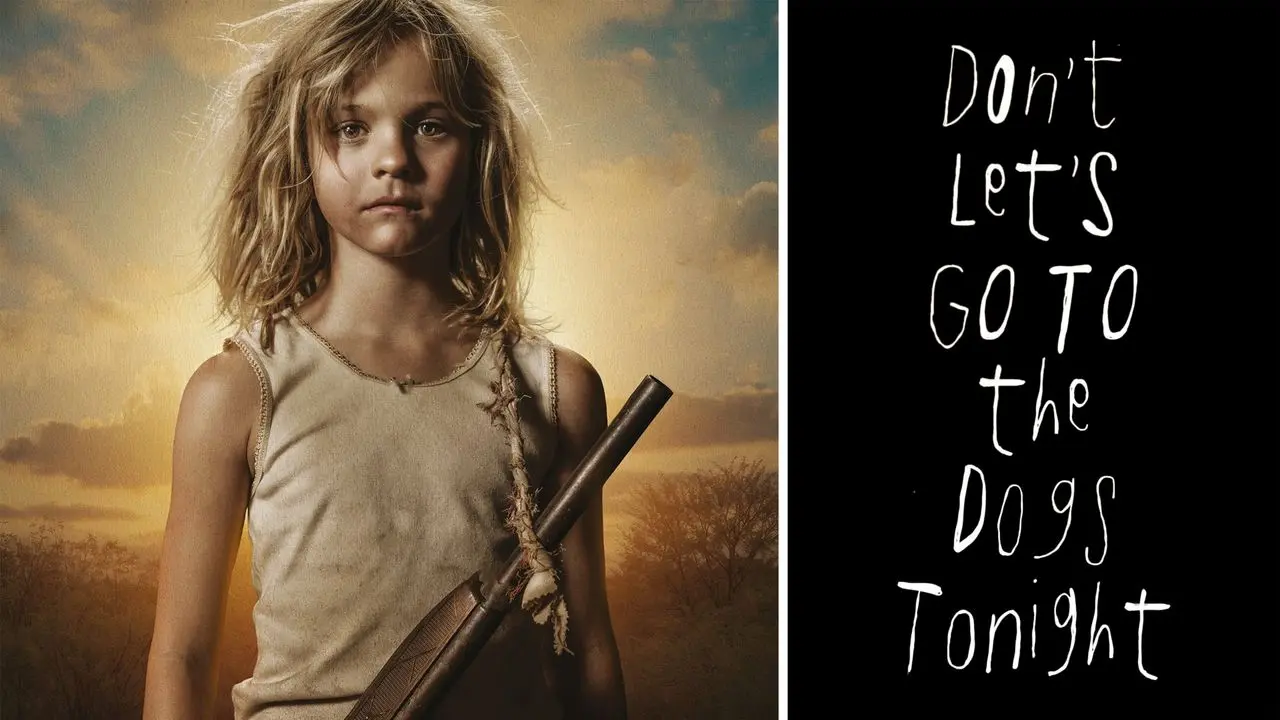
To paraphrase the oft-quoted maxim: if you do not tell your story, someone else will—and they may get the accent wrong.
Sources:
- Alexandra Fuller, Don’t Let’s Go to the Dogs Tonight
- Film credits via IMDb
- Sony Pictures Classics official page
- Kim Jayde Instagram
- Trevor Noah production deal – Variety
- Deadline Hollywood interview with Trevor Noah
- Journal of African Cultural Studies – Accent and Identity
- Britannica entry on the Rhodesian Bush War
- Zimbabwe Actors Guild