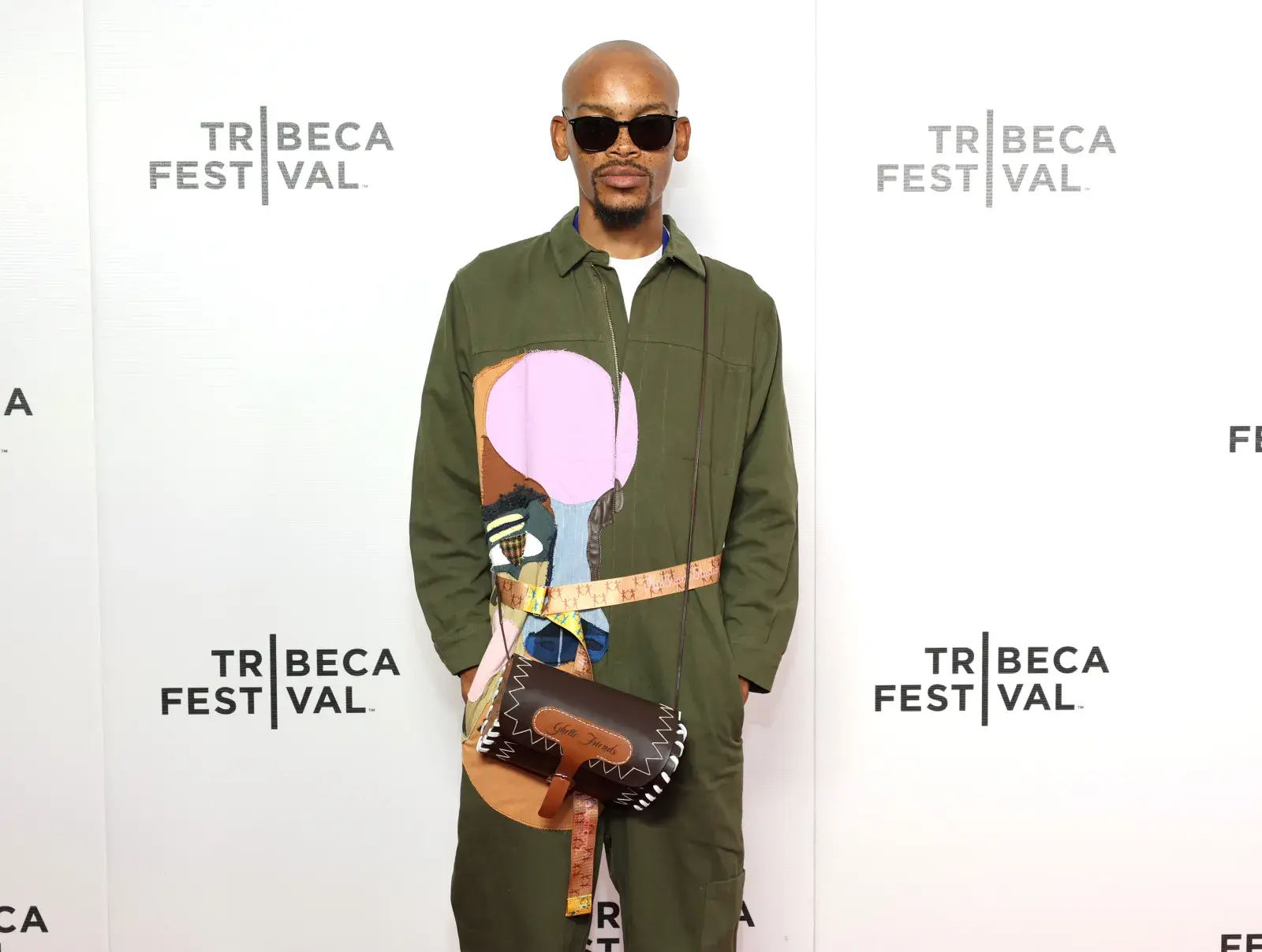
Washington — The United States has revoked the visa of South African music executive and media personality Nhlamulo “Nota” Baloyi following his social media commentary on the assassination of conservative activist Charlie Kirk. The decision has intensified global debate over free speech, executive discretion in visa policy, and the limits of political expression for noncitizens.
Immediate Precipitant
On October 14, the U.S. State Department posted on X that the country “has no obligation to host foreigners who wish death on Americans.” The post included screenshots of inflammatory comments about Kirk’s death and identified Baloyi as one of several foreign nationals whose visas were revoked.
In one tweet, Baloyi wrote: “Neanderthals can’t have their cake and eat it. This weekend, they went openly anti-black racist. Charlie Kirk won’t be remembered as a hero. He was used to astroturf white nationalist trailer trash,” according to IOL.
Baloyi later deleted the post and issued an apology, stating that his comments were a critique of racial politics rather than a call to violence.
Legal and Policy Context
Under the Immigration and Nationality Act (INA) §221(i), the Secretary of State may revoke a visa at any time if the holder is found to be ineligible. The Foreign Affairs Manual guides consular officers to notify affected individuals when possible, though prior notice is not a legal requirement.
Revocations typically rely on public order, security, or character considerations. In Baloyi’s case, officials cited his public statements as inconsistent with visa eligibility standards that prohibit “incitement to imminent unlawful action.”
Legal scholars interviewed by ABC News noted that noncitizens outside U.S. territory enjoy limited First Amendment protections. While political expression is generally permissible, visa holders may be denied entry if their speech is interpreted as promoting violence or hostility toward Americans.
This episode aligns with recent policy trends under the Trump-Rubio administration. According to Axios, the State Department has expanded social media surveillance of visa applicants and introduced AI-assisted “catch-and-revoke” mechanisms to identify foreign nationals deemed to support extremist positions.
In a related initiative, the department recently introduced a visa restriction policy targeting individuals who censor Americans online, signaling a widening use of ideological criteria in visa adjudication.
Arguments and Repercussions
Baloyi has called the decision a “gross violation” of free speech and said he plans to reapply while challenging the ruling, according to The Washington Post. Immigration lawyers have warned that revocations based on political opinions undermine established constitutional norms, while civil liberties groups told The Guardian the policy risks creating a chilling effect on global discourse.
Critics argue that conditioning entry on “acceptable” viewpoints contradicts the U.S. commitment to freedom of expression. One legal expert cited by TIME said that “using immigration authority to police opinions” may invite constitutional challenges.

In South Africa, the case has drawn attention to how easily digital commentary can affect international mobility. Analysts note that the decision highlights the blurred boundaries between domestic expression and foreign policy, as online speech increasingly shapes diplomatic and administrative decisions.
Conclusion and Outlook
The revocation of Nota Baloyi’s visa captures a growing tension between national sovereignty and the universal ideal of free expression. While Washington retains full authority to deny entry to individuals deemed contrary to U.S. interests, doing so on the basis of controversial but nonviolent speech raises complex ethical and constitutional questions.
Legal experts anticipate potential litigation if Baloyi seeks redress through U.S. courts. Any forthcoming judicial interpretation will likely set an important precedent for how speech, ideology, and immigration control intersect in the digital age.