Migration shapes Zimbabwe’s social and economic landscape. Around 60% of the population lives in rural areas, where women often face distinct challenges when moving for work, education, or safety. Limited resources, cultural expectations, and the risk of exploitation can make migration particularly risky for rural women.
The International Organization for Migration (IOM) Zimbabwe is working to change that. Through programs that promote safe and dignified migration, IOM and its partners aim to empower women, children, and communities, ensuring that migration benefits everyone involved.
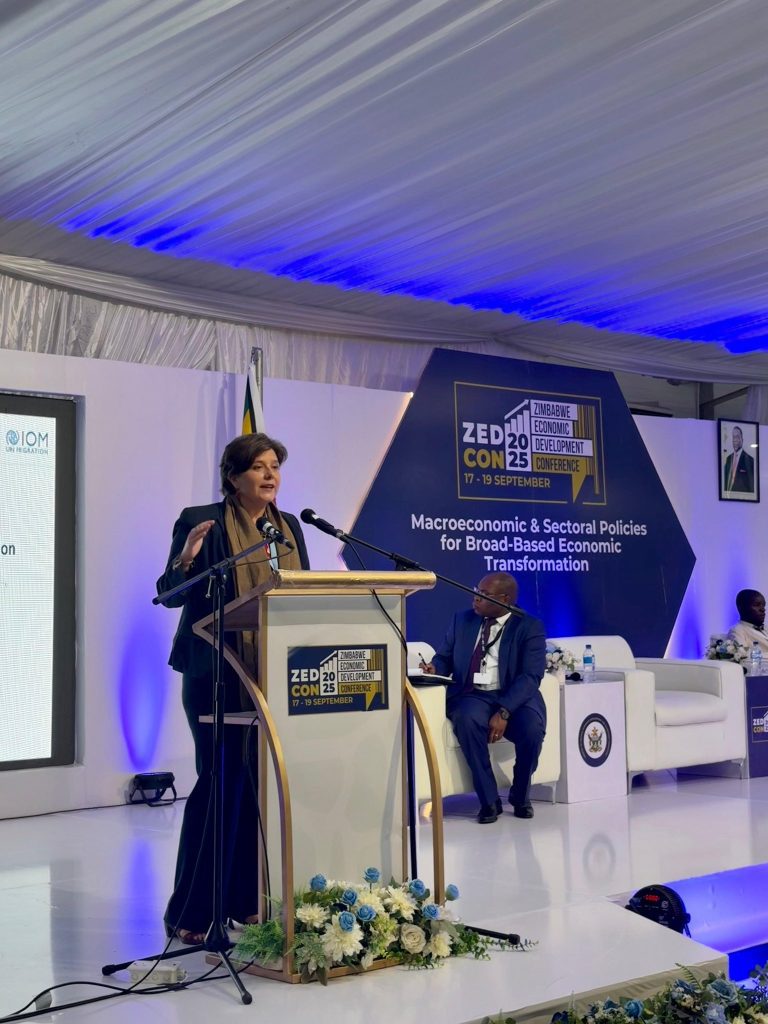
Another important dimension of Zimbabwe’s migration landscape is diaspora engagement. As Diana Cartier of IOM highlighted at #ZEDCON2025, actively involving the diaspora can create valuable opportunities for national development. By tapping into the skills, investments, and networks of Zimbabweans abroad, the country can strengthen economic growth, support community projects, and foster knowledge exchange. Engaging the diaspora at all levels—policy, business, and community initiatives—ensures that migration benefits not just those who move, but the nation as a whole.
Key Challenges for Rural Women in Migration
- Limited Access to Resources: Many rural women lack information, financial means, or support networks needed to migrate safely.
- Cultural and Social Barriers: Traditional norms may restrict mobility or decision-making power.
- Exploitation Risks: Without protective measures, women can face abuse, unfair labor practices, or trafficking.
Initiatives Driving Change
IOM Zimbabwe collaborates with government agencies and civil society organizations to create policies and programs that protect and empower rural migrants. Recent initiatives include:
Health and Mental Wellbeing: Partnerships with the Ministry of Health, hospices, and NGOs emphasize access to mental health services during emergencies, reflecting the link between wellbeing and safe migration. Learn more about IOM’s efforts on World Mental Health Day 2025.
Policy Dialogues: Regional forums bring officials together to discuss climate mobility, labor migration, skills recognition, and alternatives to detention. For more information, visit the Migration Dialogue for Southern Africa (MIDSA).
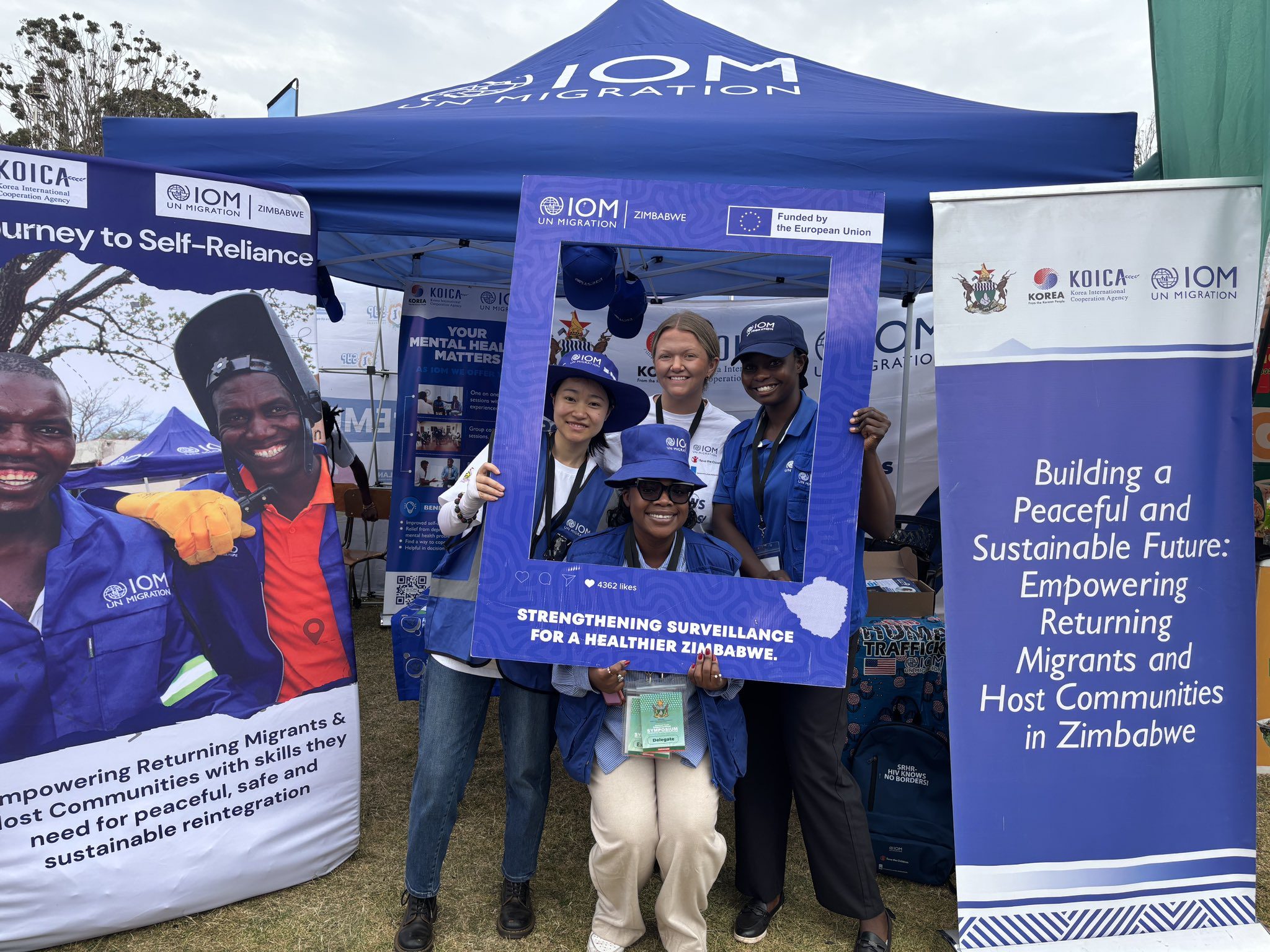
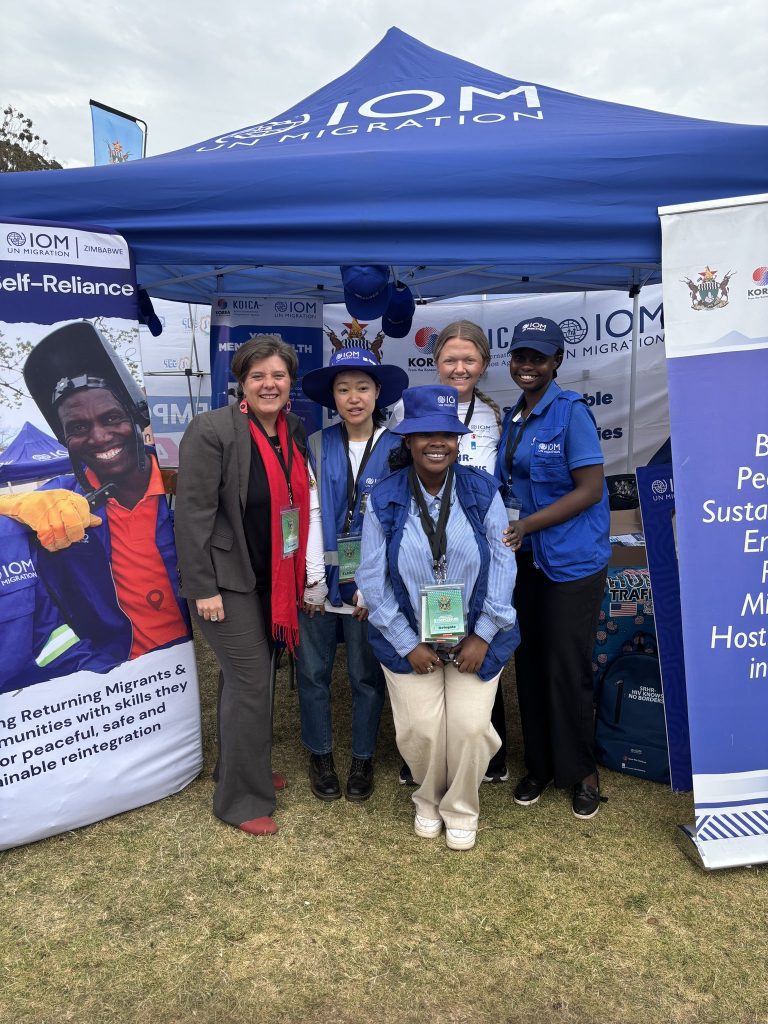
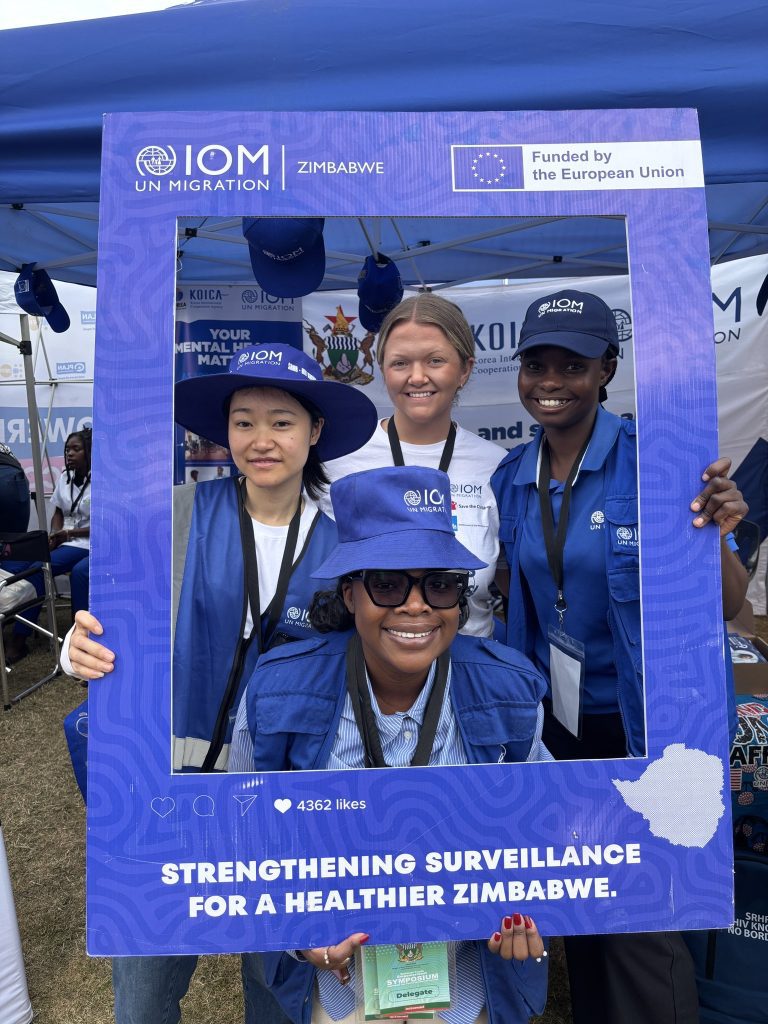
Youth and Community Engagement: Events like the National Youth Empowerment Symposium highlight opportunities for young people, with quizzes and interactive stands raising awareness about safe migration. Details can be found on the Ministry of Youth Empowerment, Development and Vocational Training’s website.
Why It Matters
Supporting rural women in migration is not only a matter of safety—it’s an investment in communities and the economy. Empowered migrants can contribute to local development, build stronger social networks, and promote gender equality.
As IOM Zimbabwe emphasizes, “Safer, dignified migration protects everyone.” By removing barriers and creating inclusive policies, Zimbabwe can ensure that rural women have the tools, knowledge, and support to navigate migration safely and confidently.
Looking Forward
Ongoing dialogue and policy development are critical. Governments, NGOs, and communities must work together to ensure migration is safe, equitable, and empowering for rural women. Every initiative that uplifts women in migration contributes to stronger, more resilient communities across Zimbabwe and the region.