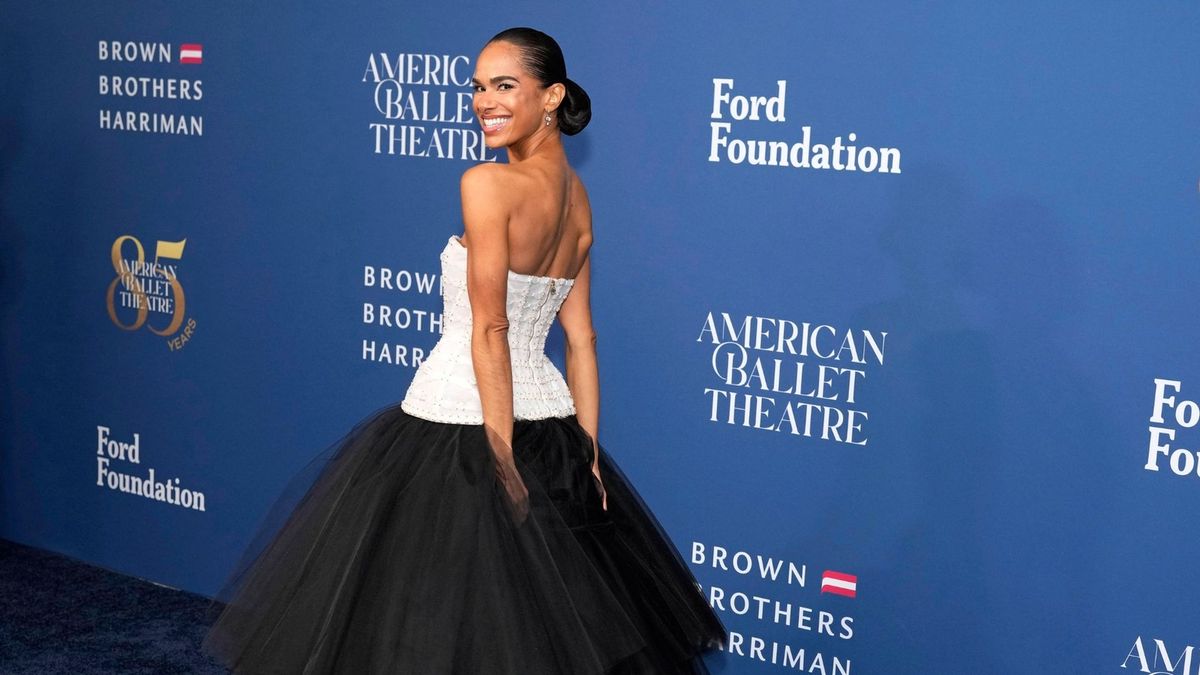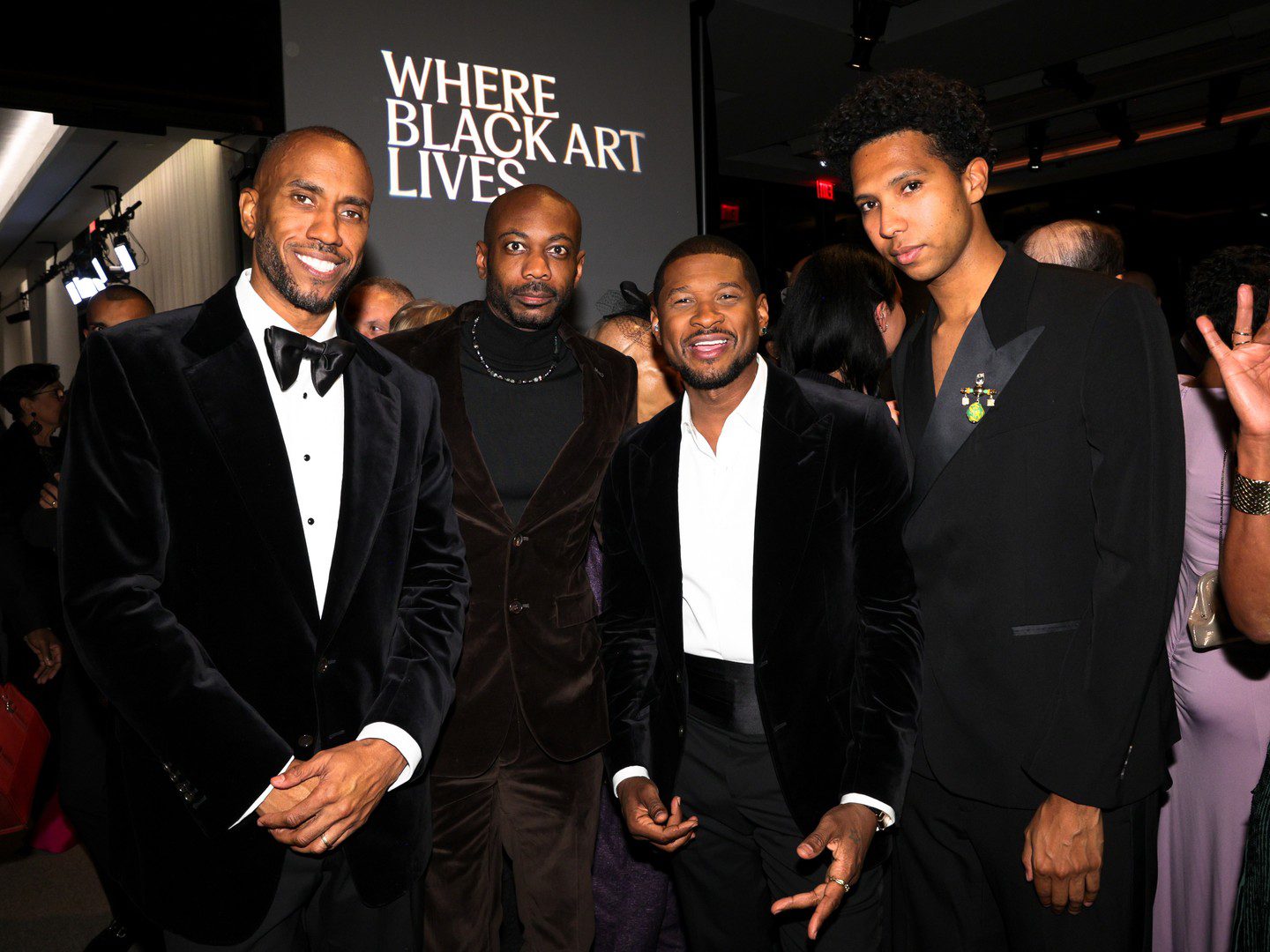
A major fundraising gala held in late October 2025 reaffirmed the role of the Studio Museum in Harlem (SMH) as a cultural anchor in Harlem and marked a decisive moment in its long‑anticipated return to its newly constructed home on West 125th Street.
A High‑Profile Return
The gala brought together artists, cultural leaders and philanthropists to celebrate the museum’s reopening in a purpose‑built facility of some 82,000 square feet. The institution has been closed for an extended period as it transitioned from its former building to a structure designed from the ground up to support its mission of collecting, preserving and exhibiting work by artists of African descent.
With a formal evening of dining, remarks and programme highlights, the event served both as a funding vehicle and as a symbolic signal that the museum is stepping into its next chapter. According to the museum’s own announcement, the building will open to the public on Saturday, 15 November 2025.


Institutional Context: Mission, Campaign & Building
Founded in 1968, SMH has long been recognised for championing artists of African descent and giving them a dedicated institutional platform. The new building, designed by Adjaye Associates with Cooper Robertson as executive architect, marks the first structure conceived expressly for SMH’s programme.
Key metrics of transformation include:
Opening slate: The inaugural exhibition will feature the late sculptor Tom Lloyd (1929‑1996), whose work was the subject of the museum’s first exhibition in 1968 — a compelling linkage between the institution’s origins and its new phase.
Space expansion: The new facility more than doubles previous exhibition capacity and significantly enlarges public- and education-oriented areas. (studiomuseum.org)
Fundraising: The museum’s extended “Creating Space” capital campaign has amassed over US$300 million to fund construction, endowment and operating reserves. (studiomuseum.org)
Gala Significance & Broader Implications
The gala’s timing is strategic. It positions SMH not only as reopening a venue but as reaffirming its relevance amid a shifting arts‑landscape where issues of representation, equity and community access are increasingly prominent. A recent cultural‑sector review described the museum’s return as part of a “cultural renaissance” in New York City for 2025.
From a leadership vantage point, the gala highlights several trends:
Institutional legacy and reinvention: By opening with a retrospective of Tom Lloyd and aligning the architecture with SMH’s historic mission, the institution signals continuity even as it modernises.
Fundraising leverage: By elevating its visibility with a signature event, the museum stands to convert social capital into financial sustainability — crucial given the scale of investment in its new home.
Community access and equity: The building offers expanded educational and public programming, reinforcing the museum’s commitment to its Harlem roots and broader audiences. (studiomuseum.org)
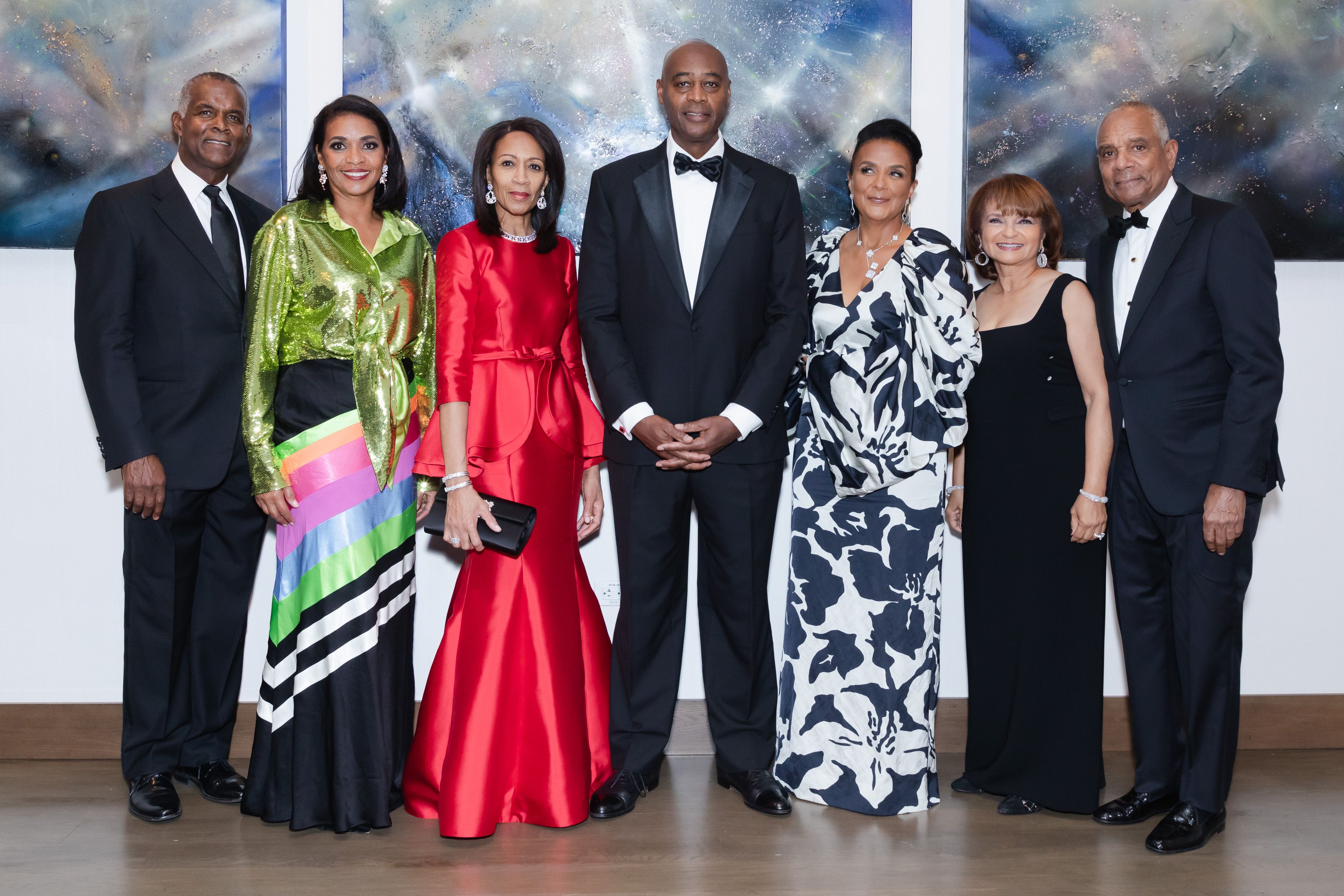
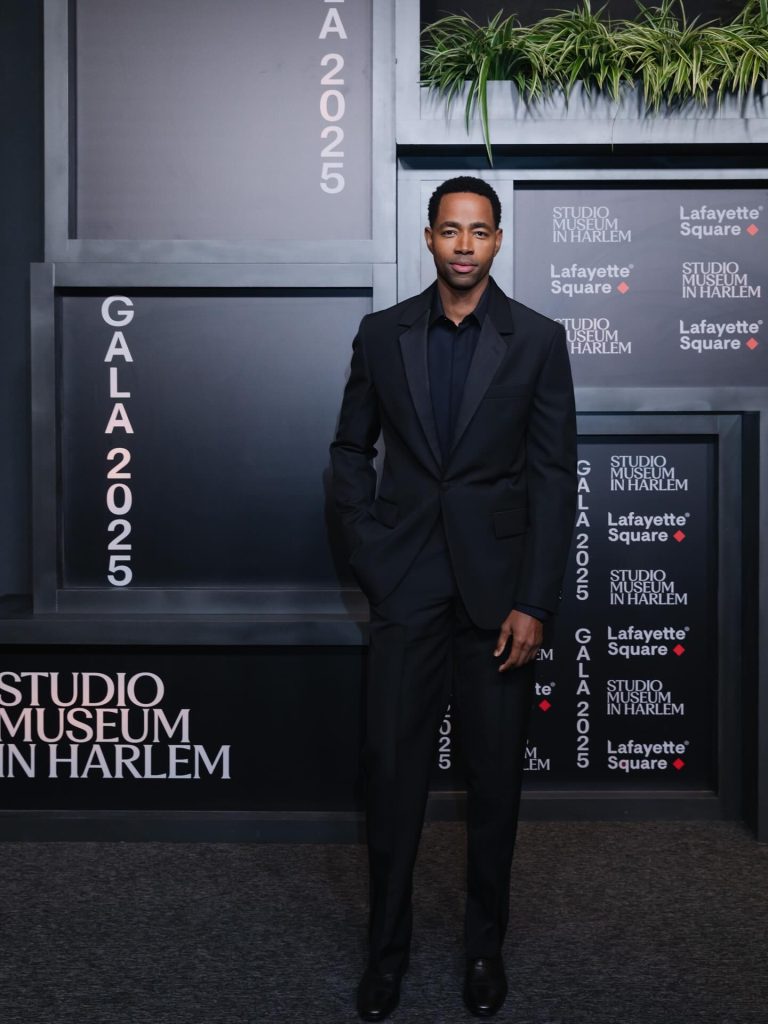
Looking Ahead: What to Watch
- Opening programmes: The period following the public opening will reveal how effectively the museum leverages its architectural and spatial upgrade into visitor growth, scholarship, and civic engagement.
- Artist-in-Residence evolution: Given SMH’s reputation for its residency programmes, observers will track how these adapt in a new facility and with enhanced resources.
- Community metrics: Key performance indicators will include access for local residents, educational outreach, and sustained funding beyond the initial launch.
- Cultural ecosystem ripple effects: The museum’s success could influence other institutions in Harlem and beyond in terms of collaboration, representation and funding models.
Conclusion
The gala marks more than a celebratory moment: it is the prelude to a publicly operational era for the Studio Museum in Harlem in its redeveloped form. For stakeholders in culture, arts funding and community engagement, the institution now enters a phase where its expanded infrastructure must translate into measurable impact. Watching its first year of operations will provide insights into how legacy cultural institutions can effectively reinvent themselves while honouring mission.