A new financing mechanism targeting small and medium‑sized enterprises (SMEs) in Africa’s renewable energy sector was unveiled at the Africa Capital Markets Forum (ACMF), held from 7 to 9 October 2025 at the Sandton Convention Centre in Johannesburg.
The African Guarantee Fund (AGF) and the African Development Bank Group (AfDB) announced a dedicated “Mission 300 Local Currency Guarantee Facility” to help bridge the local‑currency financing gap facing SMEs operating in the distributed renewable energy (DRE) sector.
Under the facility, the AGF is targeting approximately US$5 billion in guarantee commitments to enable local banks and financial institutions to lend in domestic currencies—in turn reducing foreign‑exchange risk for renewable energy projects.
The initiative aligns with the Mission 300 programme, backed by AfDB and the World Bank, which aims to connect 300 million Africans to electricity by 2030.
Leadership and stakeholder engagement
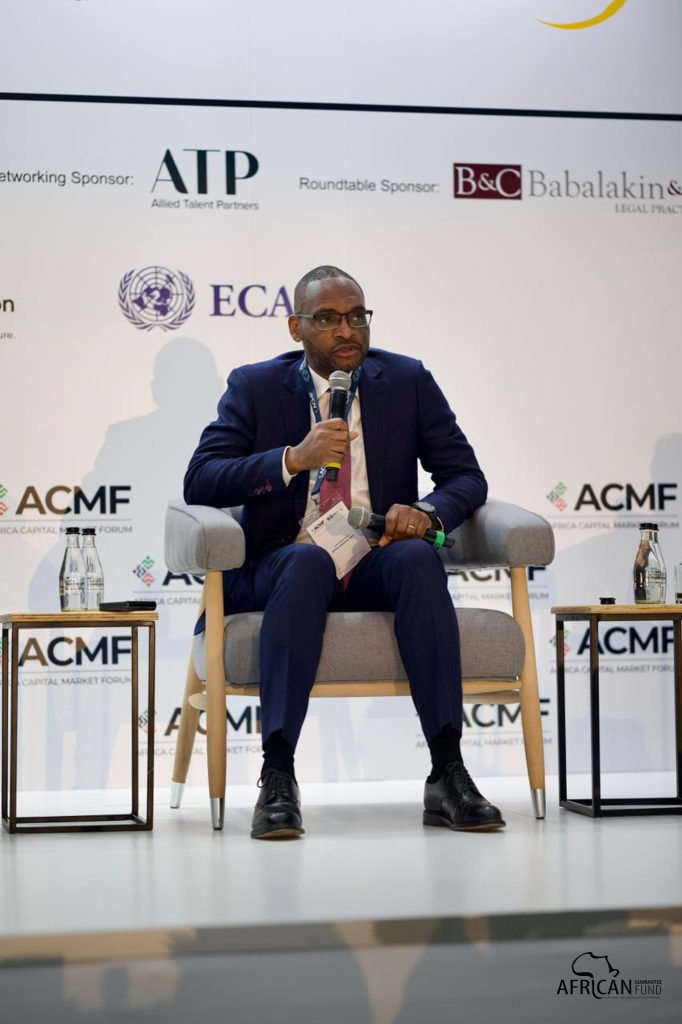
At ACMF, AGF CEO Jean Ngankam highlighted the central role of SMEs in capital markets, noting that they represent 90% of Africa’s private sector. He emphasized AGF’s mandate to provide both guarantees and technical assistance to support SMEs in capital raising, positioning AGF as the continent’s second-best rated financial institution.
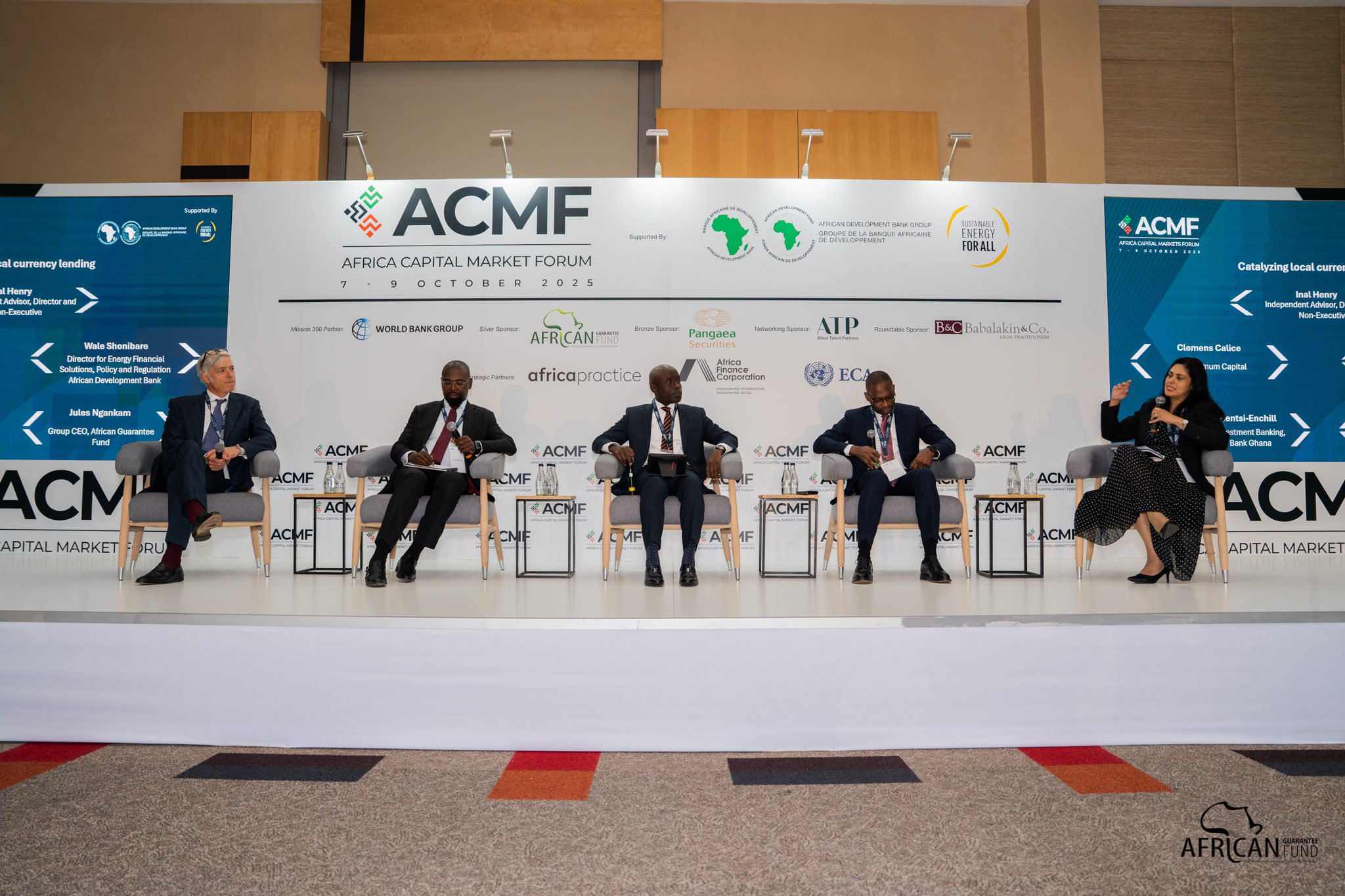
Ngankam participated on a panel alongside Clemens Calice of Cygnus Capital, Wale Shonibare of AfDB, and Kobby Bentsi-Echill of Stanbic Bank Ghana, focusing on catalyzing local‑currency lending and mobilizing private capital for SMEs. (AGF Twitter)
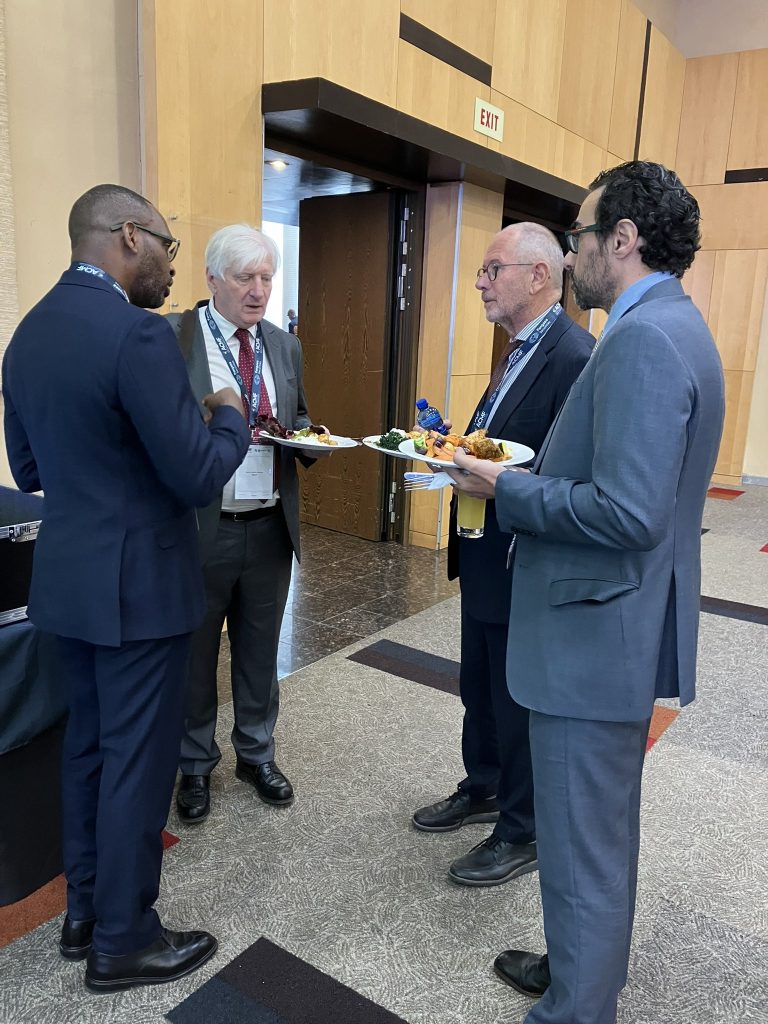
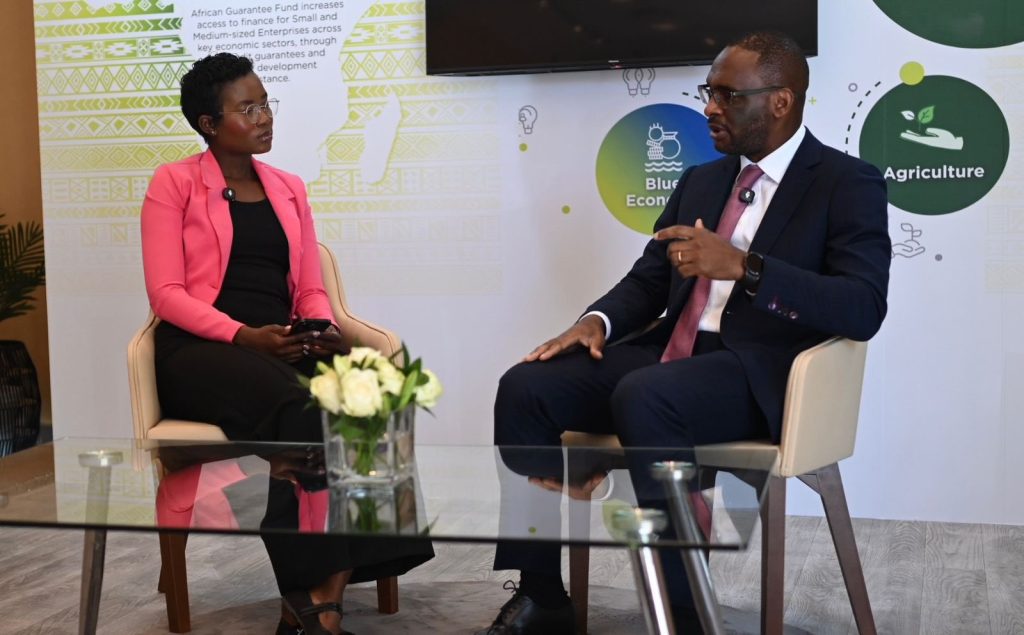
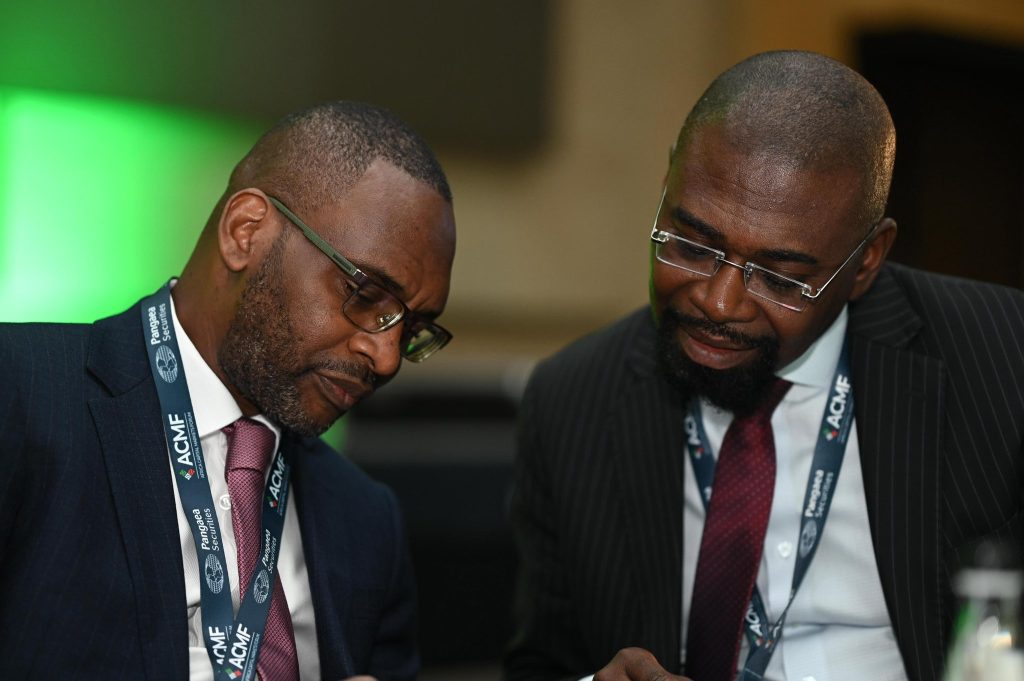
In addition, AGF engaged with multiple stakeholders on the sidelines of ACMF, facilitating strategic dialogues aimed at connecting SMEs with capital markets opportunities and technical resources.
Key context & significance
Africa still faces an acute energy access deficit: as of 2023, roughly 600 million people lacked electricity supply. Annual investment needs to achieve universal access by 2030 are estimated at close to US$25 billion.
Traditional financing structures for renewable energy in Africa have relied heavily on foreign‑currency loans, exposing borrowers to currency risk when generating revenues in local currency. The new local‑currency guarantee facility is explicitly designed to de-risk lending and thereby mobilize greater volumes of private capital via local financial institutions.
At the ACMF event, energy and capital‑markets stakeholders were engaged in dedicated sessions under the Mission 300 banner, including national energy compact boardrooms, ministerial presentations, and investor dialogues focused on operationalizing policy ambitions into bankable deals.
Implications for the renewable SME segment
By enabling local banks to provide loans in domestic currency with guarantee support, the facility lowers barriers for SMEs in the DRE sector—such as solar‑home‑system providers, mini‑grid developers, and energy‑service companies—to access scalable financing. This is particularly relevant given that smaller-scale renewables are often underserved by traditional financing.
Furthermore, the localization of currency funding may strengthen the resilience of projects against exchange-rate shocks, reducing default risk and encouraging more local institutional participation.
For financial-sector stakeholders, the initiative signals a shift toward blended-finance models where international development institutions provide de-risking instruments to unlock domestic capital flows.
What comes next
Implementation will depend on three critical factors:
- The capacity of national regulators and central banks to facilitate local-currency lending frameworks for renewable energy.
- The ability of local commercial banks to absorb guarantee products and scale lending to SMEs.
- The establishment of pipelines of bankable renewable-energy projects that meet investor criteria and can access the guarantee facility.
In sum, the facility announced at the Johannesburg forum represents a substantive structural advance in Africa’s quest for clean-energy access. The coming 12–24 months will be decisive in converting this promise into deployed capital and measurable impact.