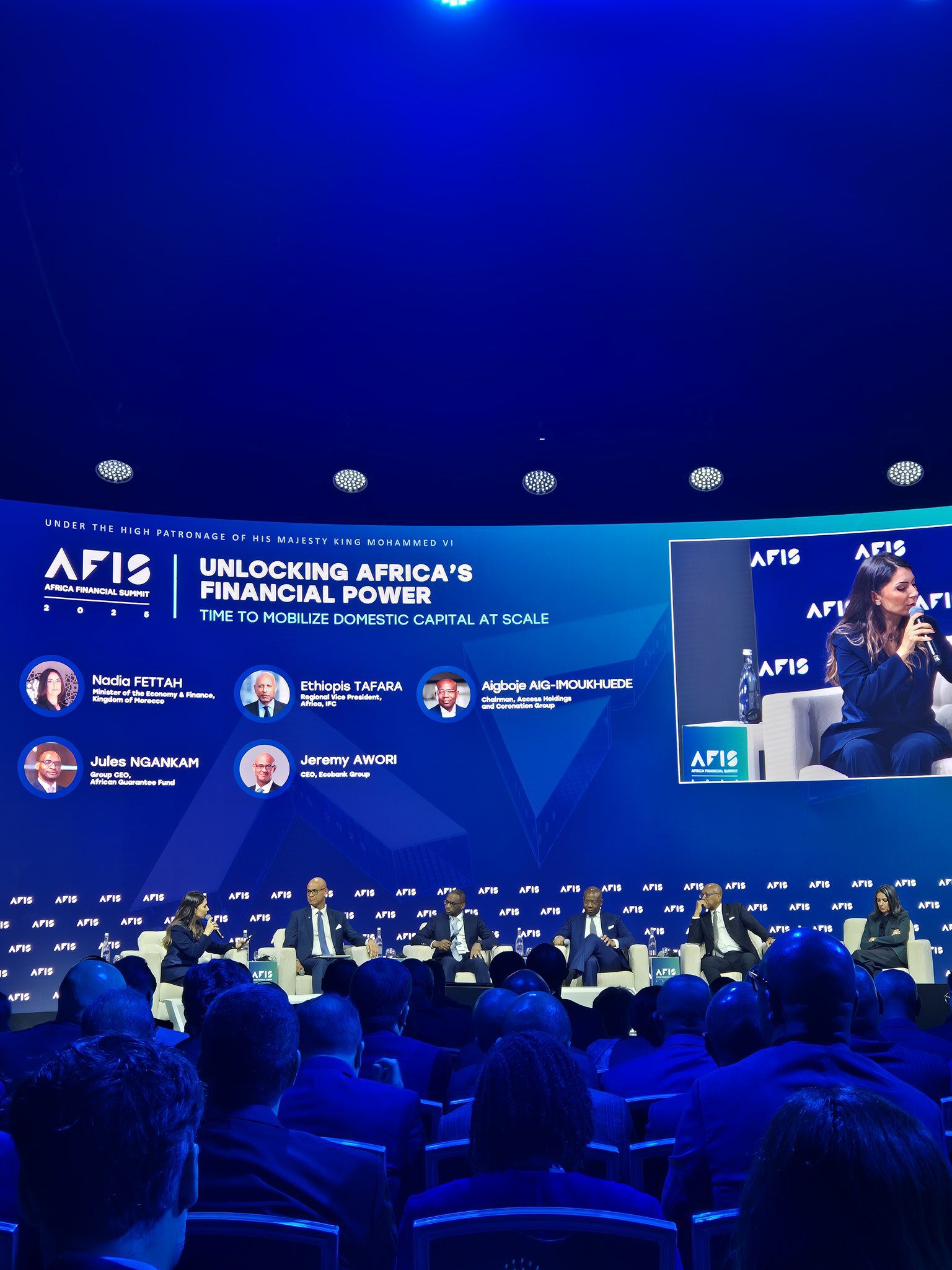
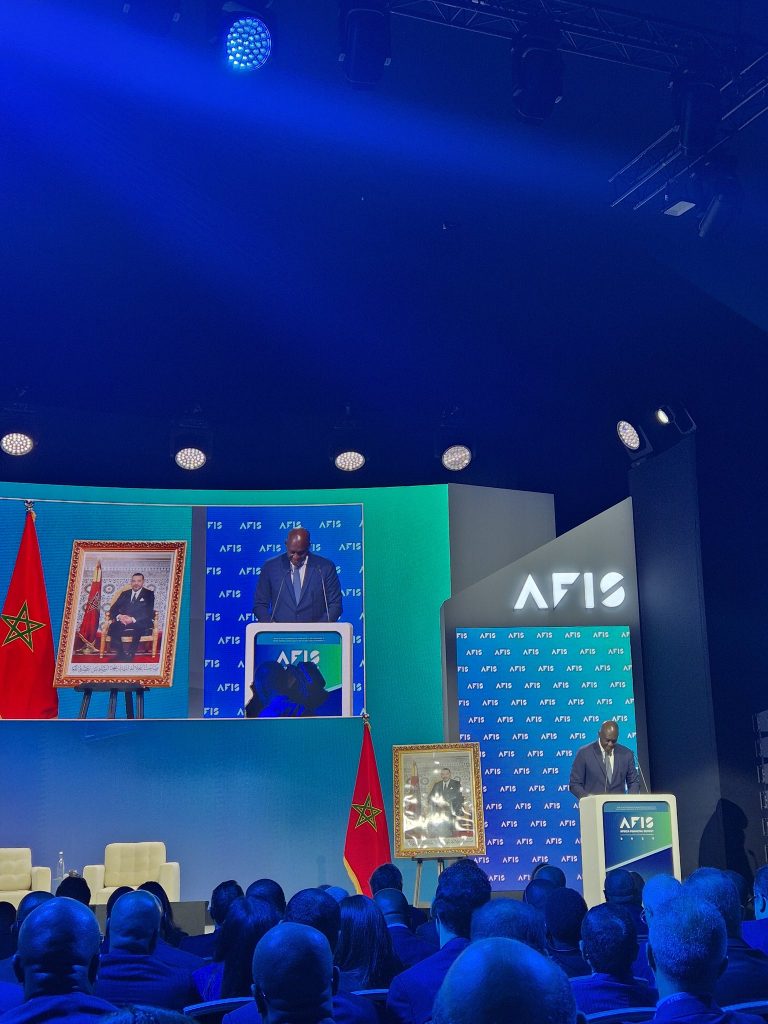
Africa’s financial architecture enters a decisive phase as the Africa Financial Summit 2025 AFIS 2025 unfolds in Casablanca on 3–4 November 2025, convening bankers, fintech pioneers, regulators, and government ministers to establish a roadmap for continental financial sovereignty. According to the official programme published by the summit organisers, this year’s agenda is focused on shifting the continent “from savings to strategic power”.
Key themes and developments
The summit emphasises a multi‑pronged agenda:
- Unlocking institutional capital: Delegates noted that significant African savings remain unused or flow offshore even as infrastructure, entrepreneurship, and innovation demand fresh investment.
- Reforming banking and capital markets: A featured session asks why domestic banks and exchangesunderperform in financing intra‑African trade, public listings, and cross‑border clearing.
- Accelerating digital finance and inclusion: With fintechs proliferating, the challenge now is scaling governance, data infrastructure, and regulatory frameworks.
- Embedding sustainability and resilience: Amid growing debt burdens and climate‑linked shocks, the financial sector must diversify exposure, strengthen risk frameworks, and direct capital toward long‑term productive investment. (middleeastmonitor.com)
Implications for South Africa and township‑economy entrepreneurs
Although hosted in Morocco, AFIS 2025’s outcomes carry immediate relevance for South Africa’s entrepreneurial and media ecosystems:
- With institutional capital now directed toward African markets, women‑led SMEs and township‑economy ventures can gain access to funding previously channelled offshore.
- Digital finance developments and fintech support may translate into greater credit and payments infrastructure for township entrepreneurs.
- Media professionals and content strategists focused on youth and women’s leadership can explore new story angles, including how township economies engage with rising investment flows.
Next steps and consequences
Locally, content creators, media strategists, and entrepreneurs should monitor how capital flows and fintech innovations reach township economies, ensuring new resources become accessible.
Policymakers and regulators must translate commitments into action, harmonising laws and opening cross‑border investment channels.
Private‑sector stakeholders should design investment vehicles linking pensions, insurance assets, and capital-market platforms to SME, infrastructure, and township-economy opportunities.
In conclusion, AFIS 2025 crystallises an inflection point in Africa’s financial transformation. If stakeholders convert forum commitments into implementation, ripple effects could reach South Africa’s township economies, women‑led enterprises, and emerging digital-media ecosystems.