
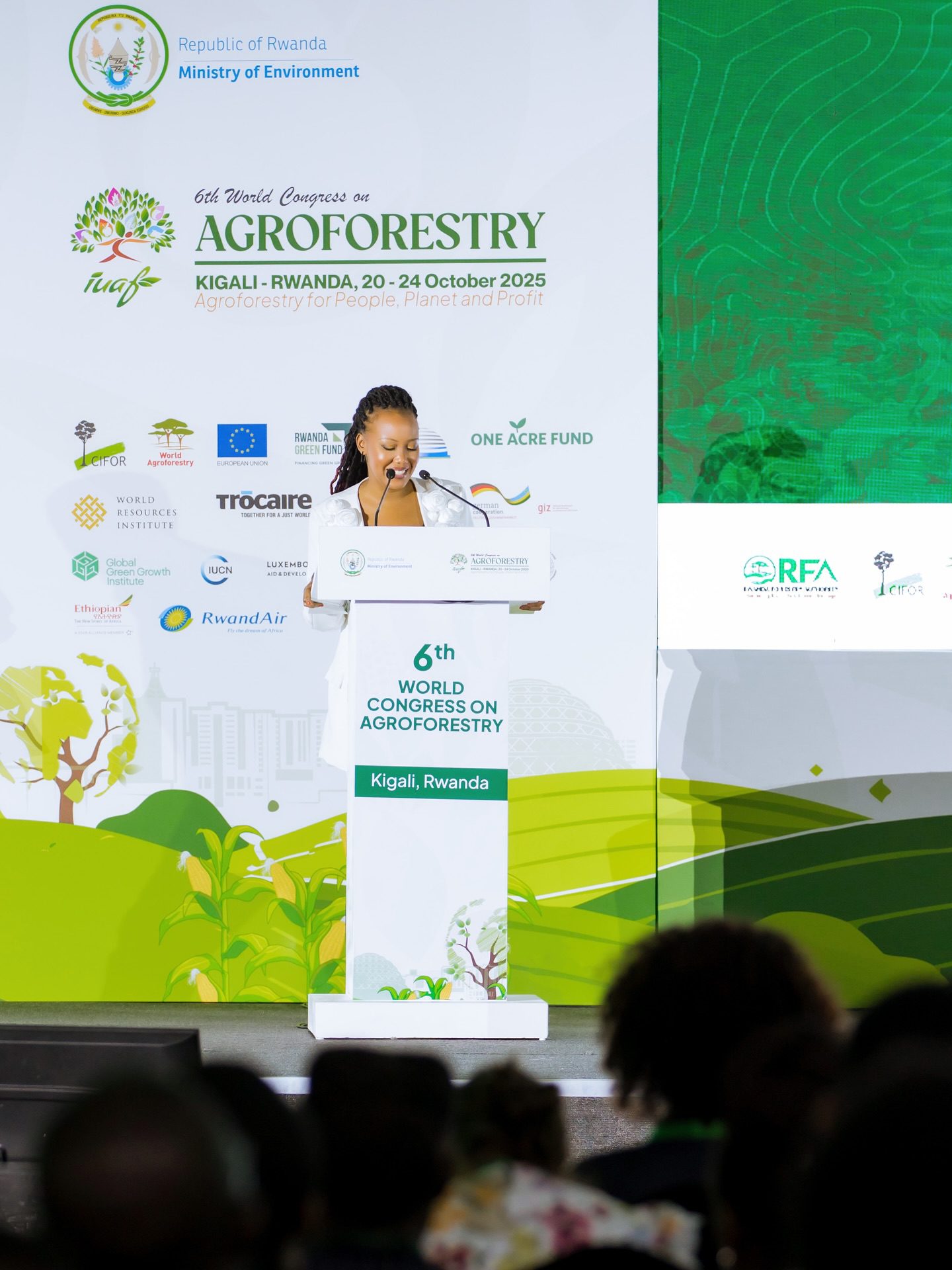
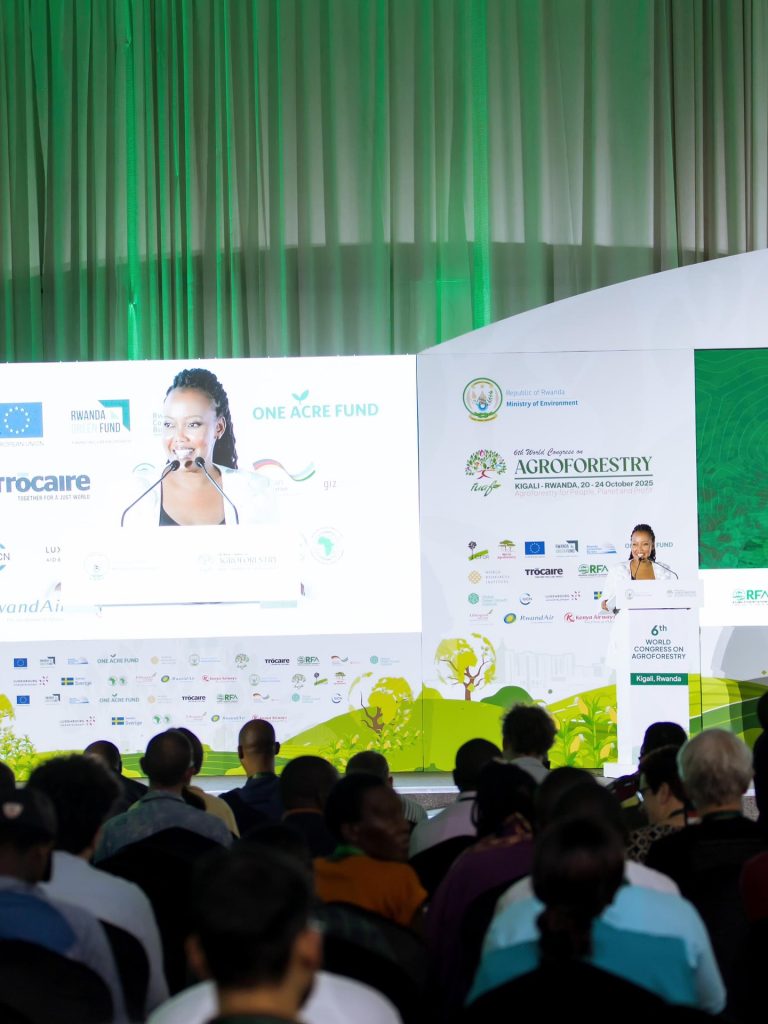
Kigali, Rwanda – The 6th World Congress on Agroforestry (WCA2025) concluded successfully in Kigali, marking a milestone in the global effort to advance sustainable land management, biodiversity conservation, and climate resilience through agroforestry.
Under the theme “Agroforestry for People, Planet & Profit,” the Congress brought together more than 1,500 participants from around the world, including scientists, policymakers, civil society leaders, farmers, and representatives of the private sector. Delegates shared research, innovations, and best practices in agroforestry systems aimed at supporting sustainable and resilient communities.
Hosted in Kigali, the event underscored the power of science, community, and collaboration in tackling climate change and promoting inclusive growth. Experts emphasized agroforestry’s pivotal role in sustainable food systems, ecosystem restoration, and rural livelihoods. Participants discussed how tree-based farming systems can help smallholder farmers adapt to changing climates, restore degraded lands, and generate sustainable income, aligning with the UN Sustainable Development Goals.
Key Congress Themes and Outcomes
The Congress program explored a wide range of critical areas shaping the future of global agroforestry:
- Agroforestry in a Changing Climate: New findings on the role of trees in carbon sequestration and climate adaptation.
- Biodiversity and Ecosystem Services: How agroforestry enhances ecological health and supports species diversity.
- Improved Livelihoods: Evidence of agroforestry’s social and economic benefits for smallholder farmers.
- Agroforestry for Sustainable Food Systems: Innovations integrating perennial crops and silvopastoral systems.
- Financial and Policy Frameworks: Calls for stronger institutional support and investment incentives for agroforestry.
- Traditional Knowledge and Innovation: Recognition of indigenous agroforestry practices and their scientific relevance.
Delegates agreed that integrating trees into agricultural landscapes remains one of the most effective and scalable solutions for environmental and socioeconomic challenges.
Distinguished Speakers and Global Leadership
The Congress featured addresses and discussions with influential leaders and experts, including:
Dr. Éliâne Ubalijoro, CEO, Center for International Forestry Research and World Agroforestry (CIFOR-ICRAF)
Hon. Dr. Arakwiyé Bernadette, Minister of Environment, Rwanda
H.E. Hailemariam Dessalegn, Former Prime Minister of Ethiopia; Chairperson, AGRA Board of Directors
Patrick Worms, President, International Union for Agroforestry (IUAF)
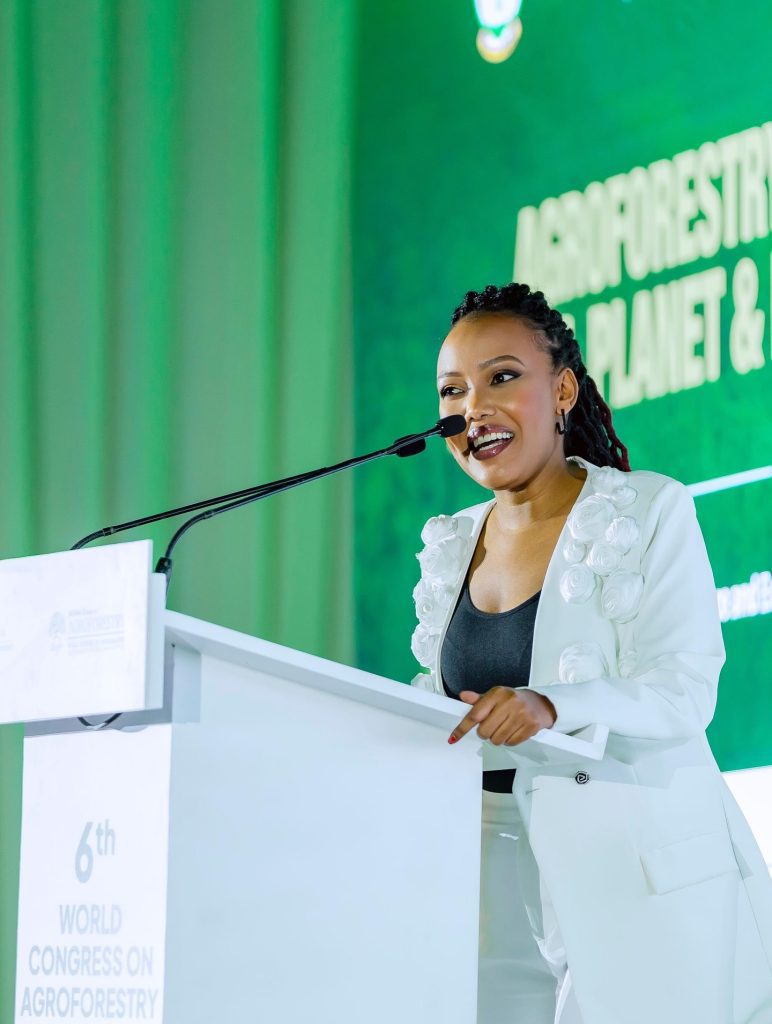

Their remarks reinforced the importance of cross-sector partnerships, science-based policy, and grassroots innovation in accelerating the adoption of agroforestry worldwide.
Kigali’s Commitment to Green Growth
The choice of Kigali as the host city reflected Rwanda’s environmental leadership, with the government promoting nature-based solutions as a key element of its national climate strategy. The Congress also highlighted East Africa’s growing influence in shaping the global agroforestry agenda.
A Legacy for the Future
The 6th World Congress on Agroforestry concluded with renewed commitments to foster research collaboration, strengthen policy frameworks, and invest in capacity building for farmers and youth.
Organizers and partners reaffirmed that agroforestry is not merely an agricultural technique but a movement for ecological resilience, economic inclusion, and planetary health.
Contact
Phone: +250 784 753 047
Email: info@agroforestry2025.org
Website: www.agroforestry2025.org