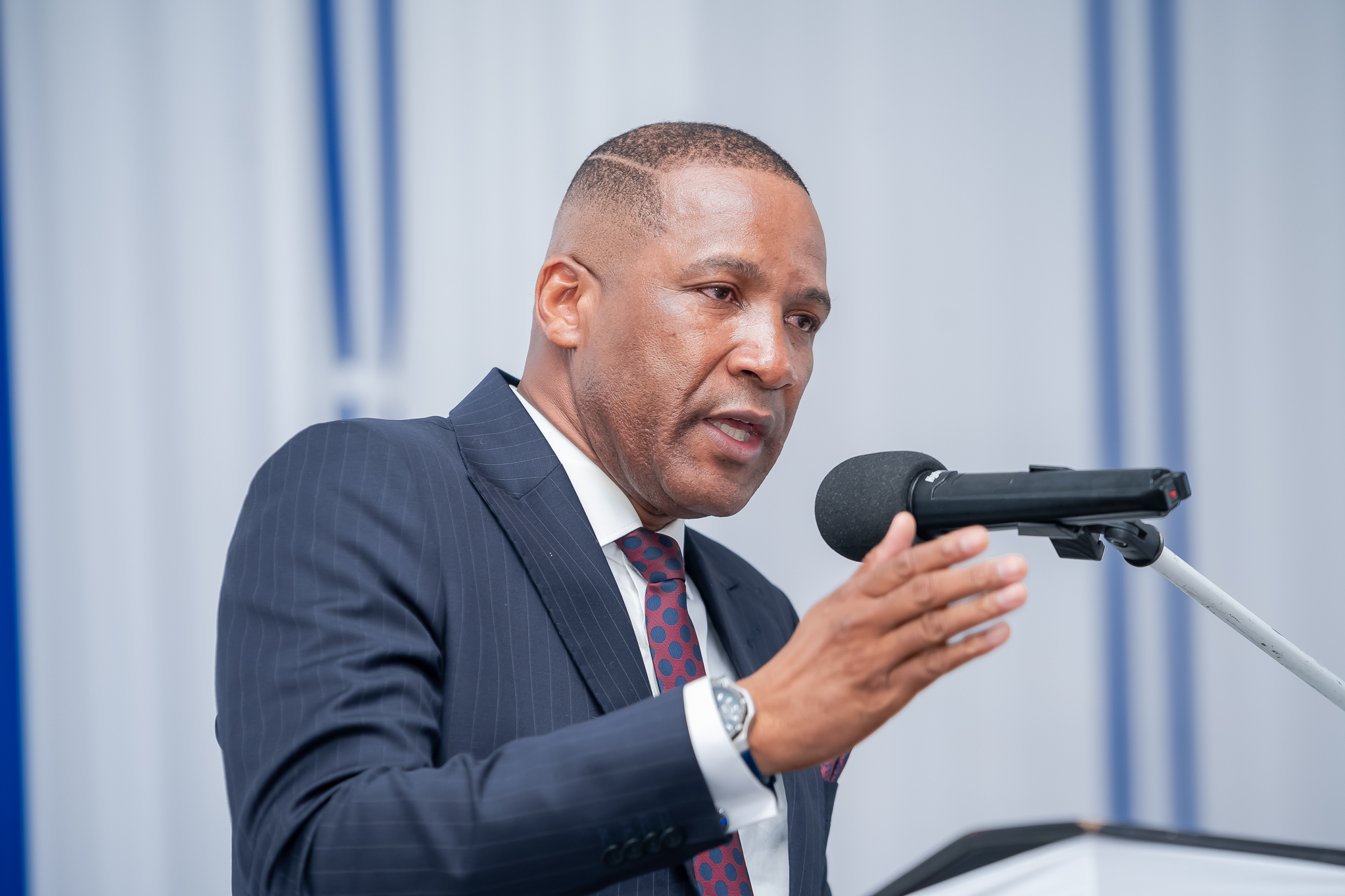
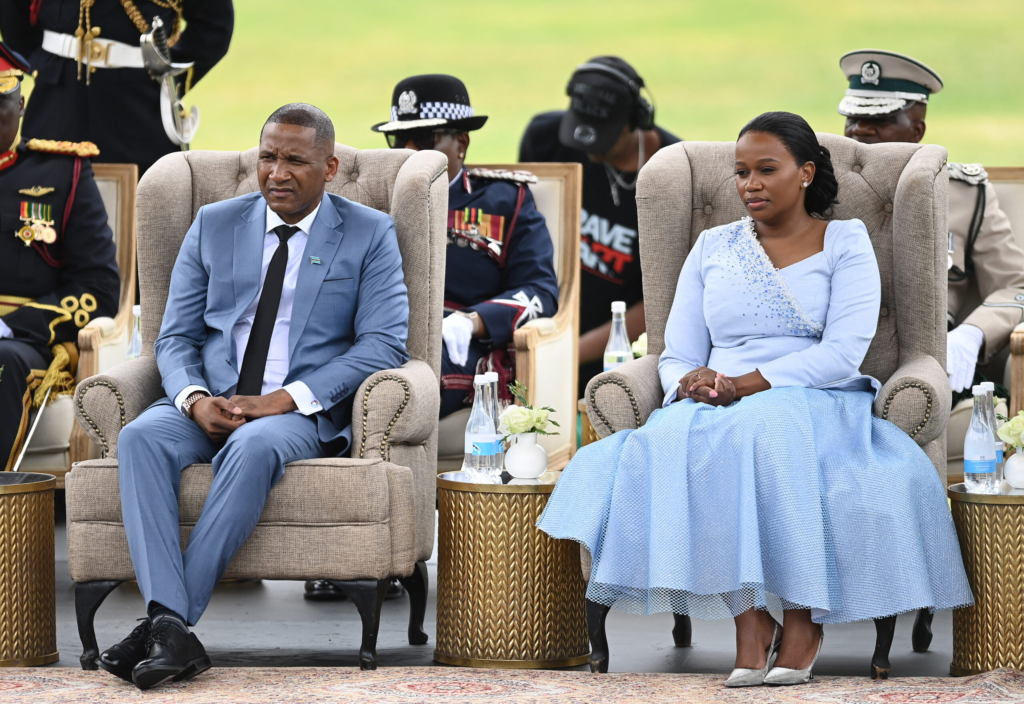
Who is Duma Boko? I’m sure the people of Botswana know him all too well, but for the international community, curiosity is burning. After all, the leader of the Umbrella for Democratic Change (UDC) has just toppled the Botswana Democratic Party (BDP), which had ruled the country since its independence in 1966. With his victory in the October 30, 2024, elections, Boko now finds himself at the helm of a nation facing significant economic and social challenges. But what does he stand for, and how will he steer Botswana toward a new future? Let’s take a closer look at the man behind the rise of an opposition coalition, the leader poised to reshape Botswana’s destiny.
So, who exactly is Duma Boko, and what does his rise to power signify for Botswana’s future?
A Leader with a Commitment to Social Justice
Duma Boko, an accomplished human rights lawyer, is perhaps best known for his role as the leader of the Botswana National Front (BNF) and president of the Umbrella for Democratic Change (UDC) coalition. A significant player in the formation of the UDC back in 2012, Boko has positioned himself as a voice for the marginalized. His background as a constitutional and human rights lawyer has helped shape his political ideology, which is centered on social democracy and justice for all citizens, especially those in lower economic brackets.
Born in the village of Mahalapye, about 200 km from Botswana’s capital, Gaborone, Boko has a personal understanding of the struggles faced by ordinary Batswana. He has spent much of his professional life fighting for human rights, particularly for the indigenous Basarwa people. His educational journey took him to the University of Botswana and later to Harvard Law School, where he honed his understanding of legal and political systems.
Boko’s approach to leadership resonates with those who feel neglected by traditional political structures. His campaign was built on promises to diversify Botswana’s economy, reduce its reliance on diamonds, and create sustainable, long-term growth that benefits all segments of society. Boko also placed a significant emphasis on youth empowerment, an issue that remains urgent given that 70% of the population is under the age of 35.
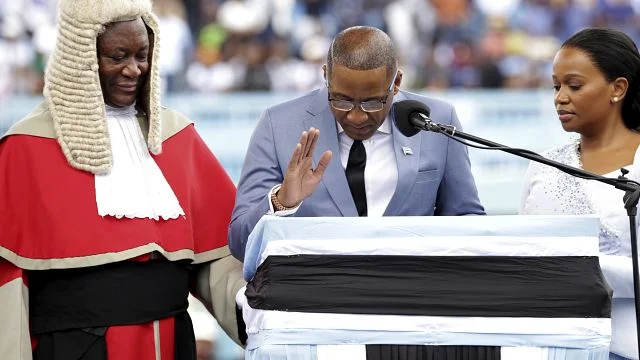
Facing Challenges Head-On
Duma Boko steps into office at a time of economic instability, characterized by high unemployment (27.6%) and widespread poverty (38%). Despite Botswana’s reputation as one of Africa’s more stable economies, these figures reveal deep-rooted challenges that will require bold and innovative solutions.
One of the most pressing issues he must address is the economic over-reliance on diamonds, which accounts for 90% of the country’s exports. With global diamond markets facing fluctuations, Botswana must diversify its economy to safeguard future prosperity. Boko’s commitment to reforming the economic landscape by promoting alternative industries like agriculture, tourism, and renewable energy will be critical for long-term success.
However, economic transformation is not Boko’s only concern. His presidency is also tasked with confronting the issue of governance. Under the outgoing administration, corruption became a significant problem, with allegations of nepotism and misuse of public funds surfacing. Key institutions, including the Directorate on Corruption and Economic Crime, were perceived to be compromised, which eroded public trust in the system.
Boko has pledged to restore transparency and accountability to government institutions, as well as to fight corruption head-on. Rebuilding public trust will require decisive action, such as reforming institutions like the Directorate on Intelligence and Security Services (DISS), which has been accused of operating beyond its mandate.

The Road Ahead for Botswana’s Future
As President, Boko has a daunting task ahead of him. Beyond managing Botswana’s economic transformation, he must unite a nation that has been fractured by political divisions, particularly during the fallout between former President Ian Khama and current President Mokgweetsi Masisi. Restoring national unity will be essential for fostering social cohesion and advancing the shared goals of economic growth and social equity.
Boko will also need to engage the public in an inclusive governance process, ensuring that citizens are active participants in shaping the country’s future. The political shift brought about by the 2024 elections signals a strong desire among the people for change, and Boko must rise to the occasion by addressing their needs and concerns.
His success will depend on his ability to manage the delicate balance between economic reform, social justice, and political stability. With the challenges ahead, Duma Boko will need to be pragmatic, consultative, and forward-thinking in order to deliver on his promises and lead Botswana to a brighter future.
In conclusion, Duma Boko’s presidency marks a pivotal moment in Botswana’s history. His commitment to tackling inequality, transforming the economy, and rebuilding trust in government makes him a leader to watch in the years to come. Whether he can navigate the complexities of governance and bring about the change Botswana desperately needs will determine the legacy of his administration.