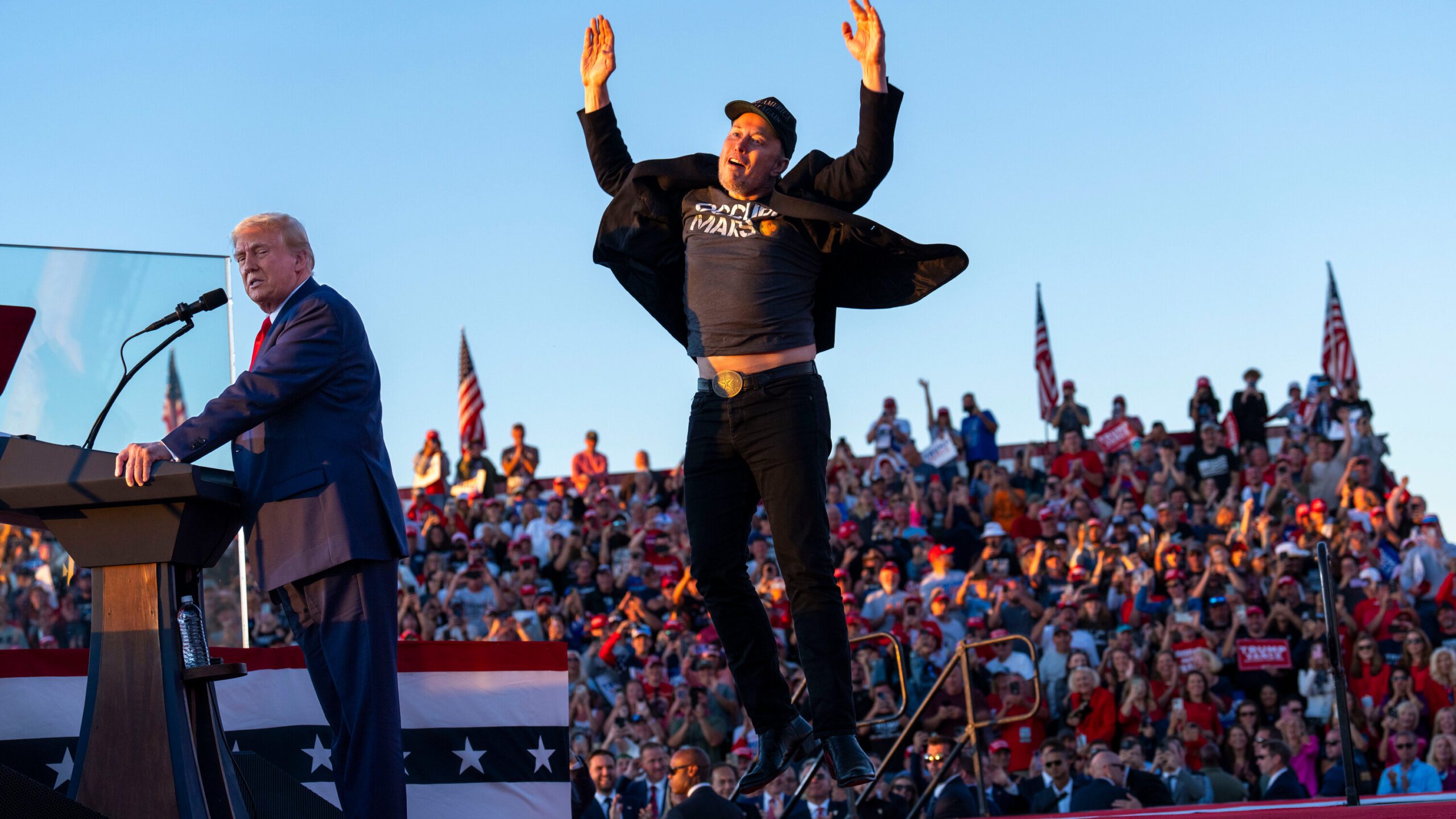
In an America that never ceases to surprise, the latest political intrigue centers on two titans of modern ego: Donald Trump, the bombastic soon-to-be President (again), and Elon Musk, the ever-controversial tech mogul whose influence seems to transcend everything from rockets to revenue streams—and now, apparently, the Constitution itself. As whispers of Musk’s outsize influence swirl, one can’t help but ask: Can two besties co-run a presidency, or are we witnessing the limits of even America’s capacity for audacity?
The answer, for now, lies in the unyielding clarity of the U.S. Constitution. Born in South Africa, Musk is categorically ineligible for the presidency. Article II, Section 1, Clause 5 states unequivocally that only a “natural-born citizen” may assume the highest office. Yet this hasn’t stopped Twitter (or X, as Musk prefers we call it, though no one does) from buzzing with memes of “President Elon” and satirical suggestions that the White House install a Tesla Supercharger. At a recent Turning Point USA event in Phoenix, Trump himself addressed the elephant—or perhaps the Tesla—in the room: “No, he’s not taking the presidency. That’s not happening,” Trump declared with all the subtlety of a man who trademarked “You’re Fired.”
Still, Trump’s words do little to quell the speculation, much of it fueled by Musk’s own antics. From backing Trump’s campaign with generous donations to amplifying pro-Trump messages on his social media platform, Musk seems determined to shape the next four years in his own image—even if it’s from behind the scenes. The bromance hit a new high (or low, depending on your perspective) when Trump announced Musk as co-chair of the newly formed Department of Government Efficiency (DOGE), an advisory committee with a name so on-brand for Musk it practically came with a meme-ready logo.
But the bromance hasn’t been without its tensions. Critics on both sides of the aisle have jestingly dubbed Musk the “co-president,” a moniker that’s as much a dig at Trump’s willingness to share the spotlight as it is a commentary on Musk’s growing clout. Democrats, predictably, are less amused. Calls to deport Musk have erupted in certain corners of Twitter, with some pointing out the absurdity of a man reportedly still working on his learner’s permit (for driving, not governance) influencing federal policy.
Indeed, the idea of Musk shaping government policy while navigating a learner’s permit strikes a particularly American chord—equal parts inspirational and absurd. After all, isn’t this the country where self-made billionaires and Silicon Valley savants are celebrated for their disruptive brilliance, even as they fumble with everyday banalities? Musk’s immigration status adds another layer of irony: a South African immigrant whose very presence in the country has been weaponized by detractors, even as he’s embraced by a faction of America-first populists.
Meanwhile, Trump has sought to tamp down speculation of a Musk takeover, dismissing rumors as “fake news” and affirming his role as the sole commander-in-chief. Yet Trump’s penchant for delegating—and Musk’s knack for commandeering—leaves open the question of who will truly hold the reins in this odd-couple dynamic. Musk’s recent opposition to a bipartisan budget deal sent shockwaves through Washington, demonstrating his capacity to influence outcomes even without formal authority.
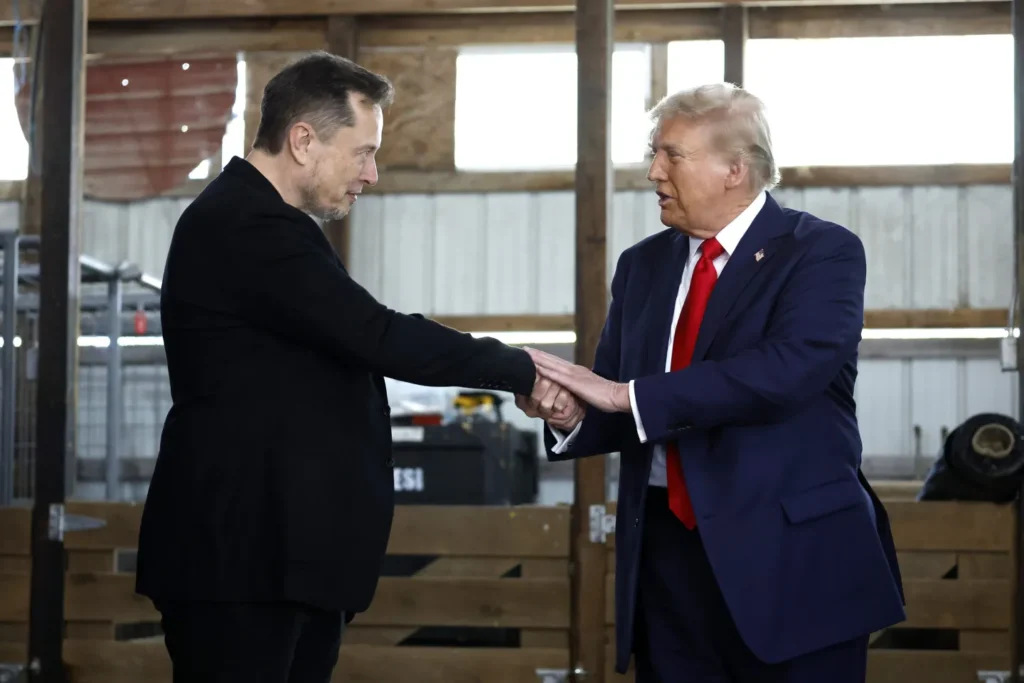
So, can besties share a presidency? Constitutionally, no. Practically, it’s a far murkier proposition. In this latest chapter of America’s political theater, Trump and Musk’s alliance represents both the promise and the peril of unfettered ambition. It’s a reminder that while the presidency remains bound by constitutional limits, power itself is far more fluid. As for Musk, he may never sit behind the Resolute Desk—but with friends like Trump, who needs to?