.
Investment in South Africa’s mining industry fell 9% last year to R1 trillion (approximately $54 billion), according to recent data. Mining contributed R433 billion ($23.3 billion) to the economy, marking a 2.6% decline from 2023.
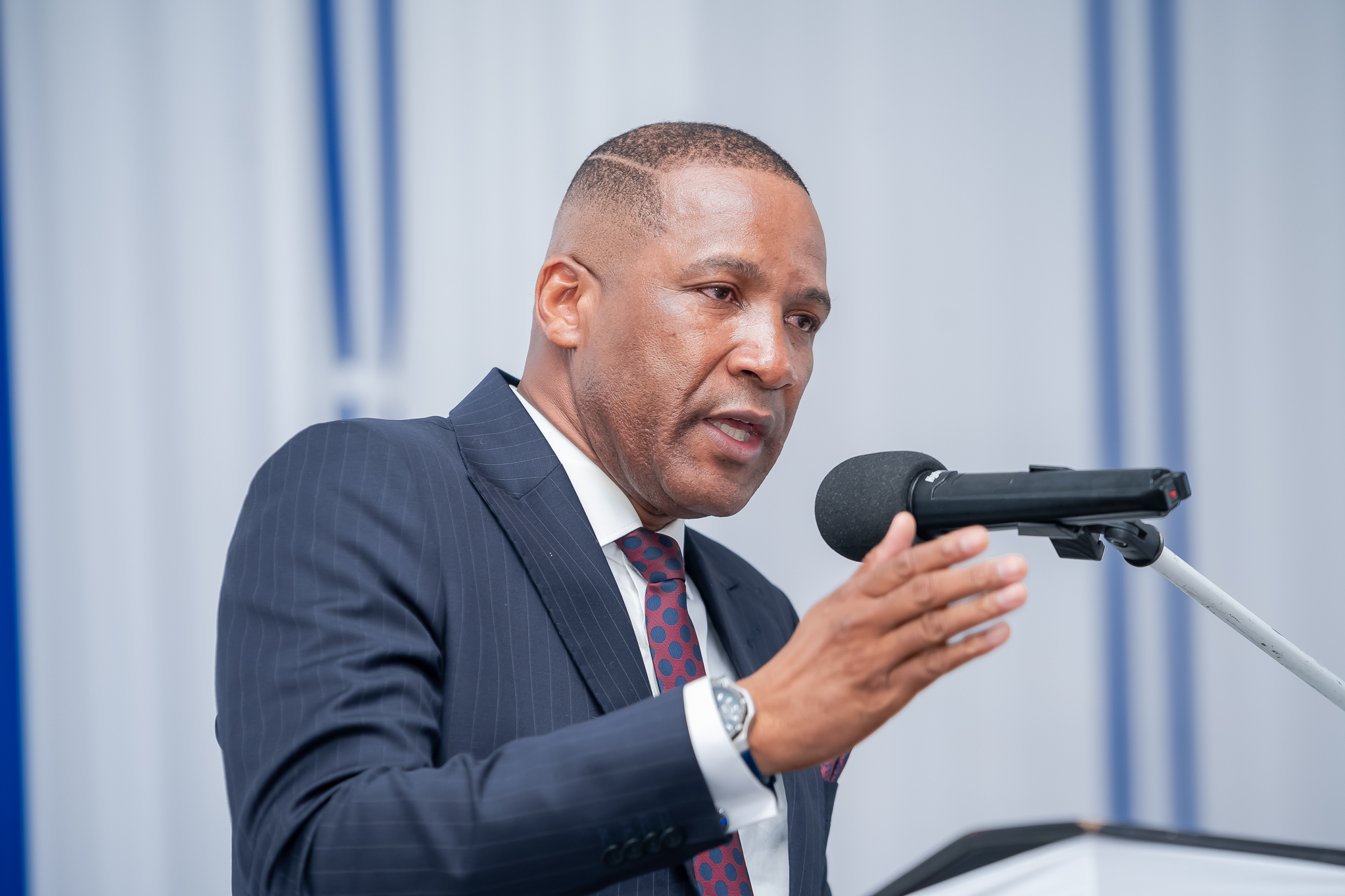
“We aim to grow because we want the mining industry to make a better, bigger, and sustainable contribution to the people of South Africa,” said Mzila Mthenjane, CEO of the Mining Council of South Africa, during the Investing in Africa Mining Indaba in Cape Town.
The council’s members include major mining companies such as Anglo American, Gold Fields, Harmony Gold, and Sibanye-Stillwater.
South Africa’s Mineral and Petroleum Resources Development Act of 2004 has not delivered the expected growth and transformation, according to a review by Mining Dialogues 360° and Good Governance Africa. These organizations advocate for open discussions with stakeholders to implement broad policy changes that will rebuild investor trust and promote long-term sector growth.
Mintek, South Africa’s national organization for mineral processing and resource development, estimates the country’s mineral wealth at over R2.5 trillion ($134.4 billion). South Africa controls 88% of the global platinum group metals and 80% of the global manganese market, noted Mintek CEO Molefi Motuku at the conference.
Motuku urged policymakers to leverage these resources to boost economic growth and industrial development. Structural issues, such as unreliable electricity, deteriorating infrastructure, logistical challenges, and labor disputes, are stifling growth.
Outdated policies and inadequate infrastructure are strangling the industry, Mthenjane concurred. Exploration investment plummeted to R1.2 billion ($65 million) in 2023 from R6.2 billion ($333 million) in 2008. The country’s share of the global exploration budget dropped from over 5% to less than 1% during this period.
A clear and modern regulatory framework is crucial to boost investor confidence, stated Hugo Pienaar, the council’s chief economist. This framework should secure tenure, eliminate overlapping rights, and drive local exploration efforts.
In 2023, South Africa’s minerals sector employed 475,000 people and paid R195 billion ($10.5 billion) in wages. The sector also generated R117 billion ($6.3 billion) in taxes and royalties. Each mining job creates up to 10 additional jobs and supports four to five family members.
Miners are advocating for regulations that attract both local and foreign investment in prospecting and support exploration companies. They are calling for a swift implementation of a modern mining cadastre to address the backlog of unprocessed prospecting and mining right applications and expedite new applications without legal challenges. Additionally, miners seek enhanced interdepartmental cooperation.
South African mining companies also propose establishing a one-stop shop for the approval of exploration and mining projects. This new process, managed by the Department of Mineral and Petroleum Resources, aims to eliminate significant investment barriers.
Government and industry are addressing these challenges through initiatives like Operation Vulindlela 2.0, which aims to boost the country’s GDP by 3% in the medium term by removing specific constraints on mining performance. Reforms to Transnet, the national rail operator, are designed to open dilapidated rail networks and ports to private investment, with expectations of increasing rail tonnage from 160 million tonnes this financial year to 250 million tonnes by 2030.
Miners are contributing to resolving energy issues. State power utility Eskom experienced 311 consecutive days without load shedding, thanks in part to private sector engineering support. However, power outages resumed in Cape Town on the eve of the Indaba.
The mining industry supports 90 renewable energy projects valued at R275 billion ($14.8 billion), promising 15.8 gigawatts of capacity to alleviate grid pressure. Additionally, miners are investing R37 billion ($2 billion) in water supply projects in Limpopo and the Northern Cape provinces to combat worsening drought conditions.