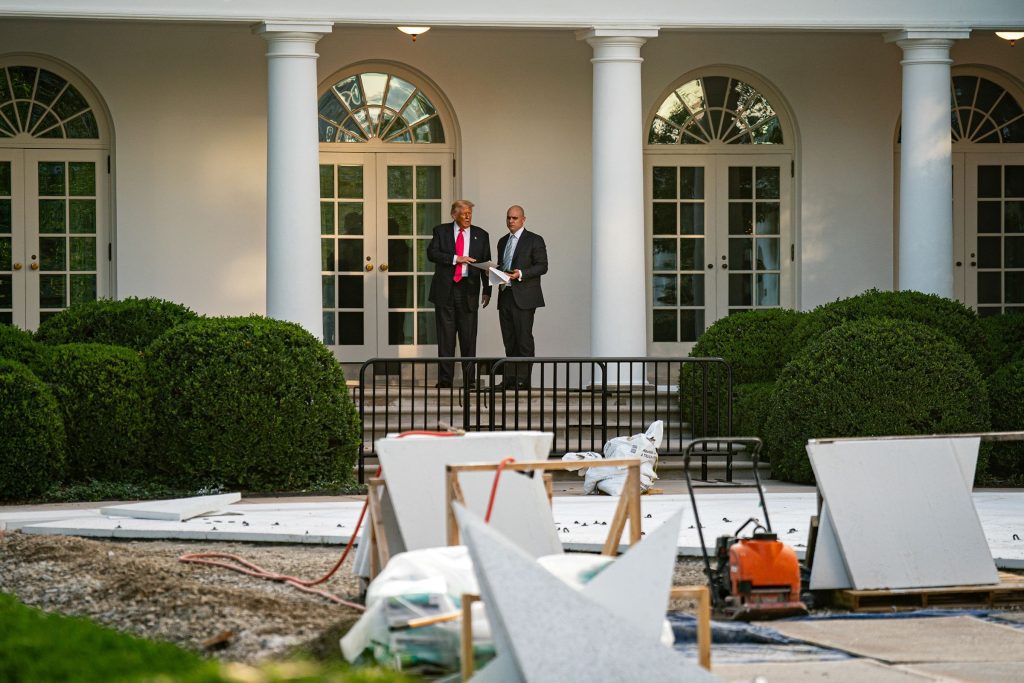
The White House will soon sprout a 90,000-square-foot, $200 million ballroom—an architectural echo of the Gilded Age masquerading as statecraft. Yet this lavish distraction coincides with intensifying scrutiny over President Donald Trump’s entanglement with the Epstein files—an uneasy juxtaposition of privilege and avoidance. The result reads as a meticulously choreographed redirection of attention and a symbolic extension of excess.
A Golden Curtain to a Tainted Legacy
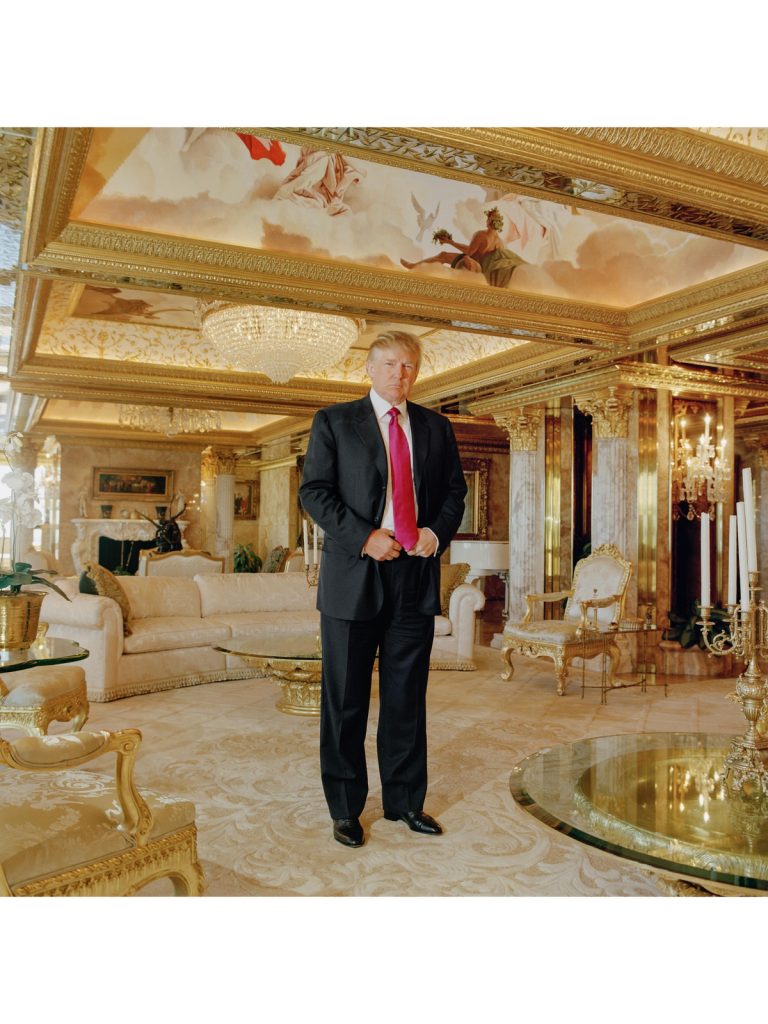
That Trump plans to erect an immense, gold-trimmed ballroom at 1600 Pennsylvania Avenue has drawn rebuke from historians and critics alike. They view it less as civic enhancement than as ostentatious self-promotion, reminiscent of Vanderbilt mansions and Versailles-style decadence. The project, financed purportedly by Trump and unnamed donors, reconfigures the East Wing and will displace First Lady staff in service of grandeur.
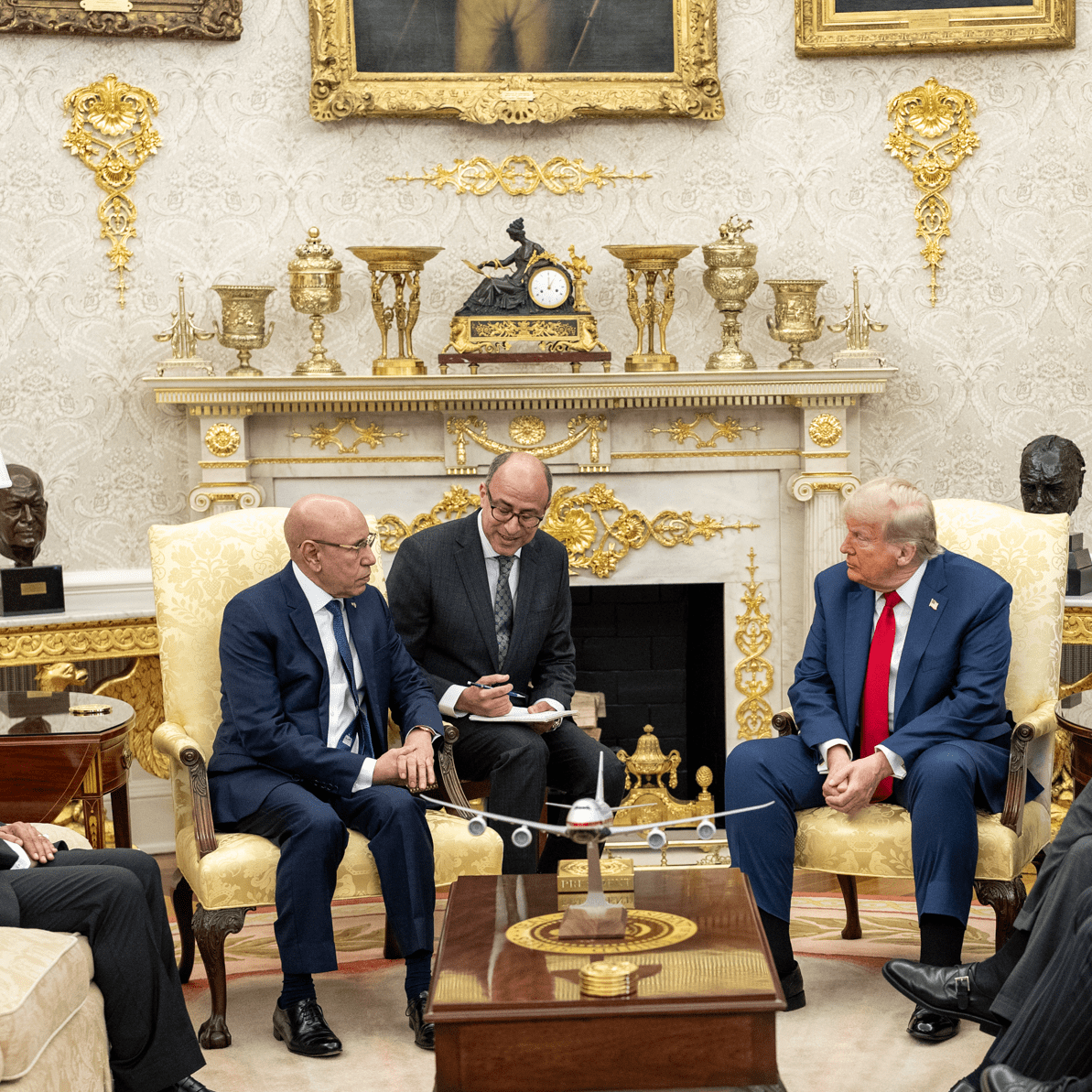
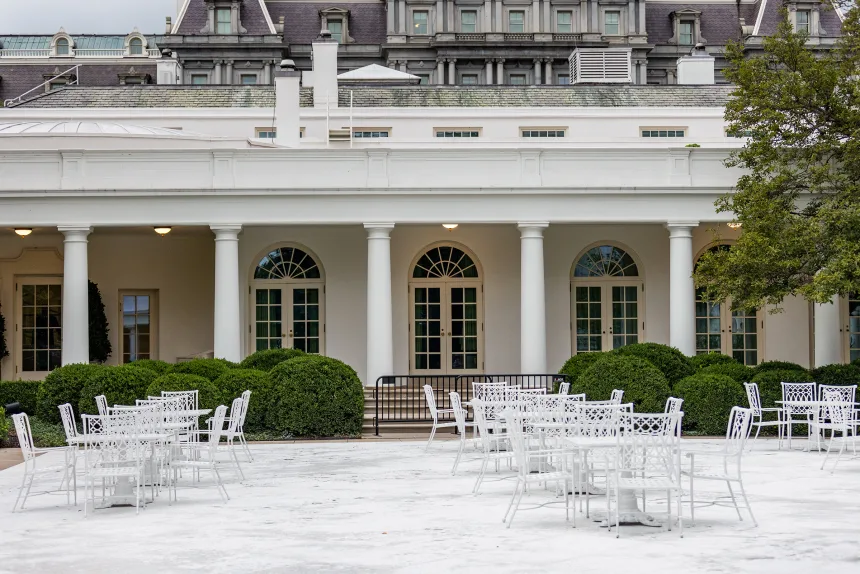
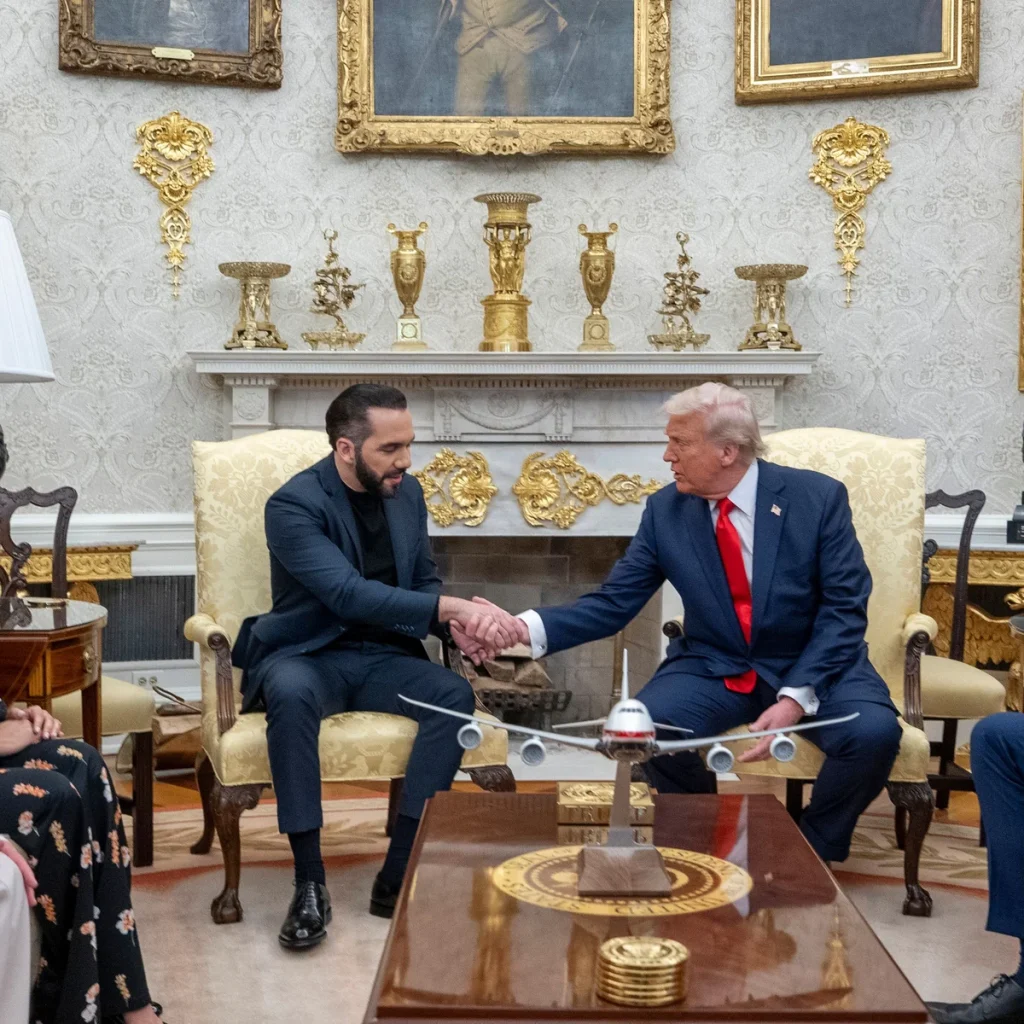
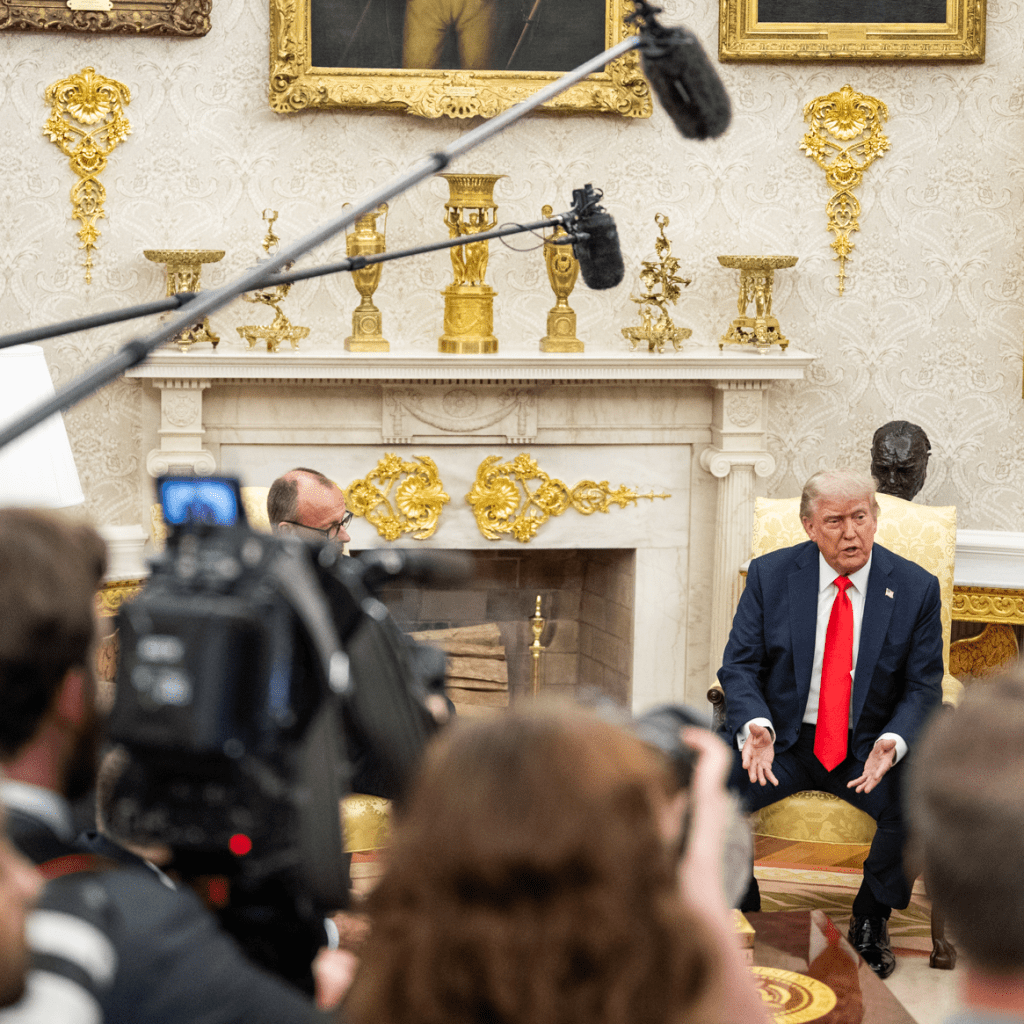
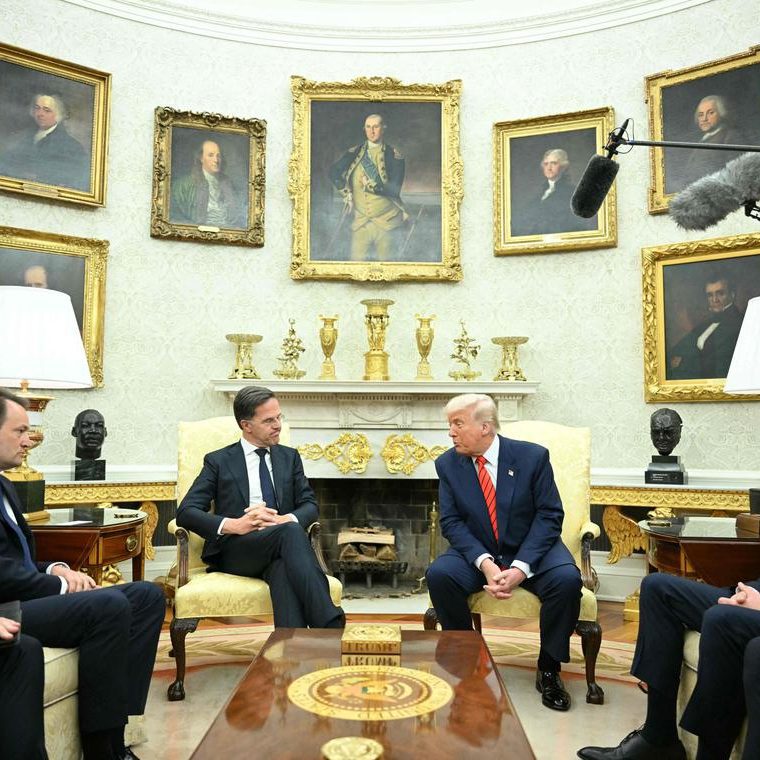
Replacing the Rose Garden with paving and draping the Oval Office in lashings of gold decoration reinforces the aura of a personal monument to his brand—even as he claims reverence for tradition.
Epstein Files: The Dark Reality Looms
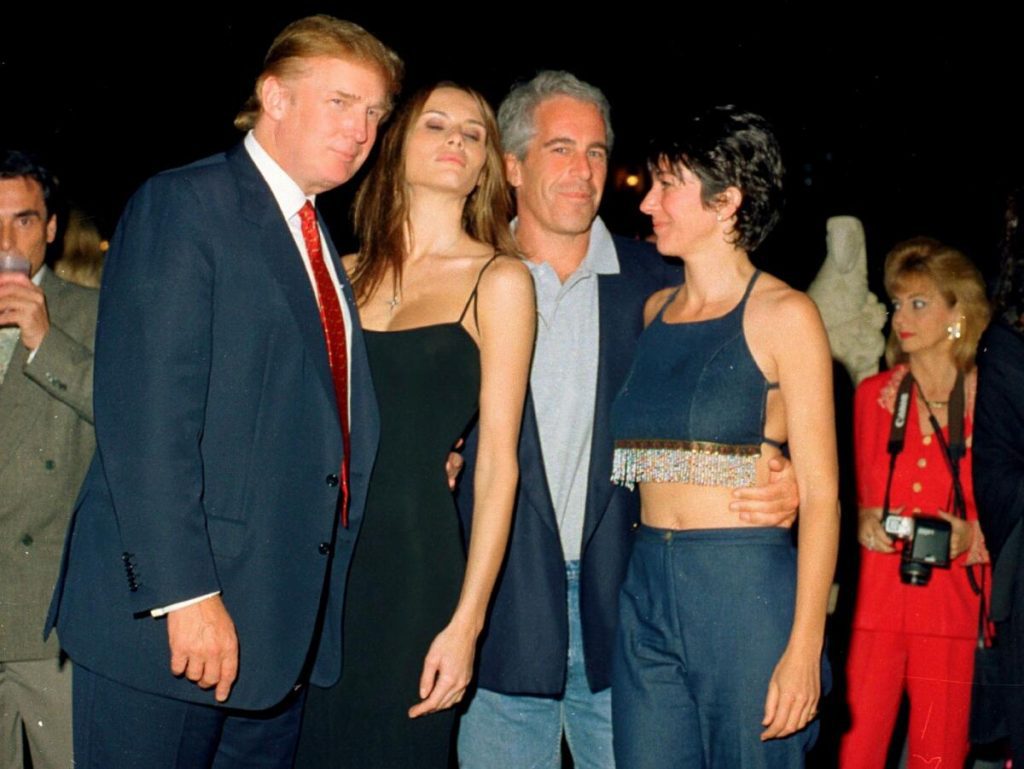
At the same time, the mounting Epstein scandal continues to threaten Trump’s political veneer. The Department of Justice told Trump in May that his name appears in Epstein-related records—a fact he neither denies nor addresses fully. Advocacy groups have filed lawsuits seeking internal communications on the handling of those files, accusing the administration of deliberate obfuscation.
Commentators argue Trump’s earlier declarations to release the files were hollow, serving more as delay tactics than transparency. Meanwhile, political opponents have weaponised the controversy to galvanise outrage—a tactic that could gain traction in the approaching midterms.
Distraction by Design
Political biographer Michael Wolff asserts that Trump is desperately seeking a “big thing”—like the ballroom—to divert attention from Epstein as his base grows restless. His recent deployment of National Guard troops in Washington, D.C., is likewise perceived by analysts as a performative display of authority, designed to overshadow damaging headlines.
Architectural Excess Meets Ethical Decline
The ballroom is less a venue for diplomacy than an extension of Donald Trump’s personal aesthetic—the equivalent of gilding the institutional currency. It signals an era where optics overshadow obligations, where national heritage becomes collateral damage in the quest for spectacle. The funding, displacement of staff, and sheer opulence smack of megalomania at odds with the civic nature of the People’s House.
Trump’s ballroom is a meticulously staged diversion from his unresolved Epstein legacy. It is not merely gilded architecture—it is emblematic of a walled distraction, shifting attention from unresolved moral and political liabilities. The ballroom stands not as a symbol of presidential legacy, but as a gilded smokescreen.