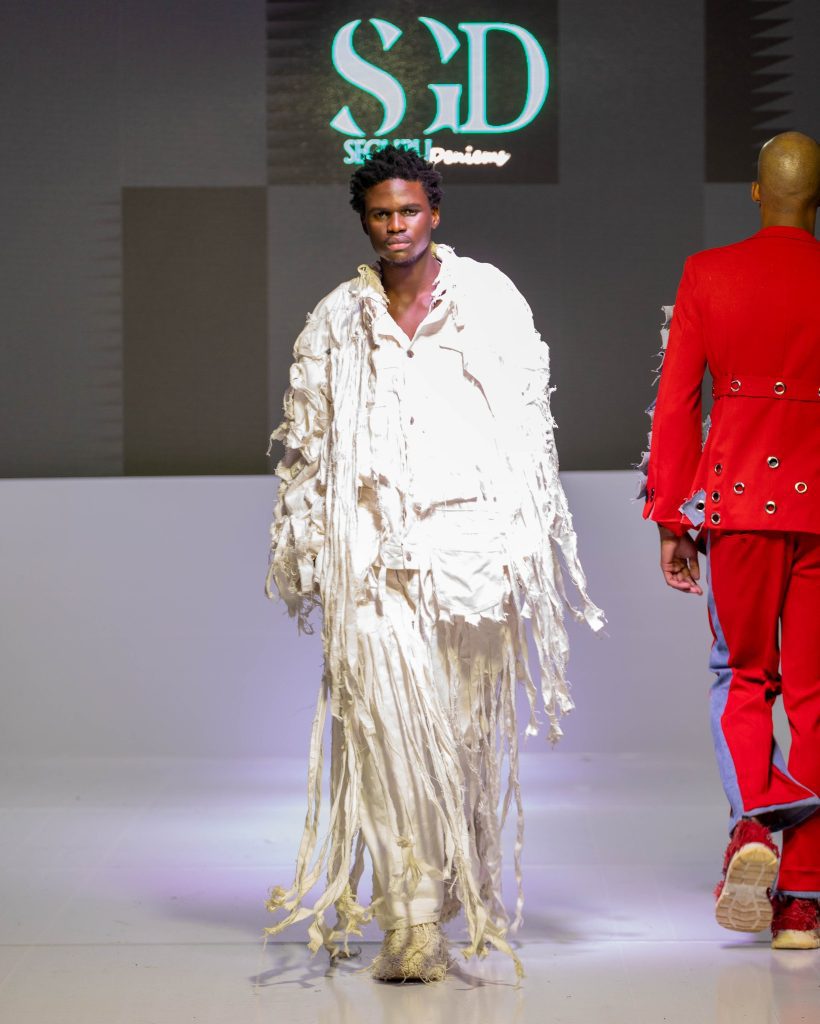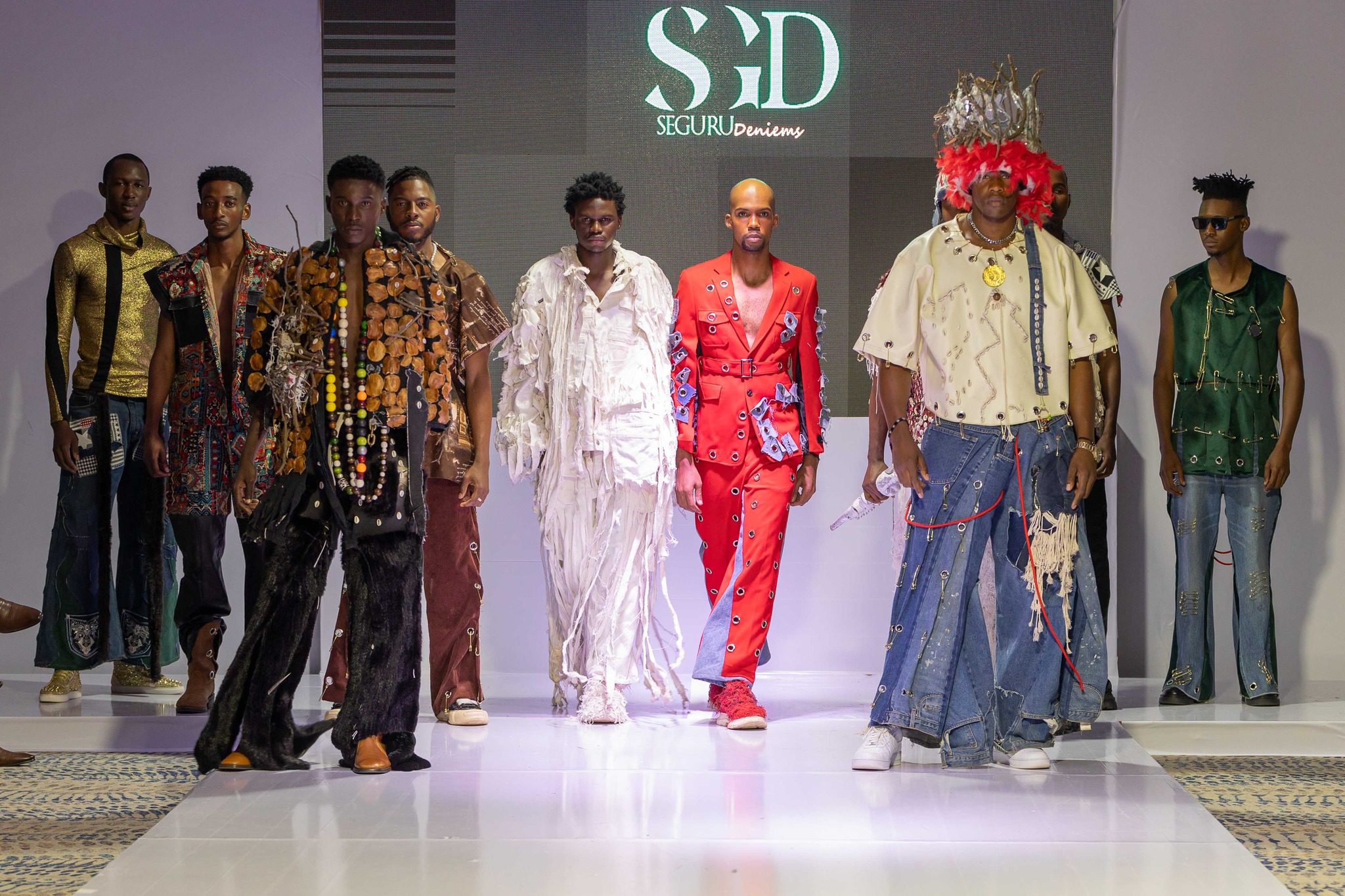
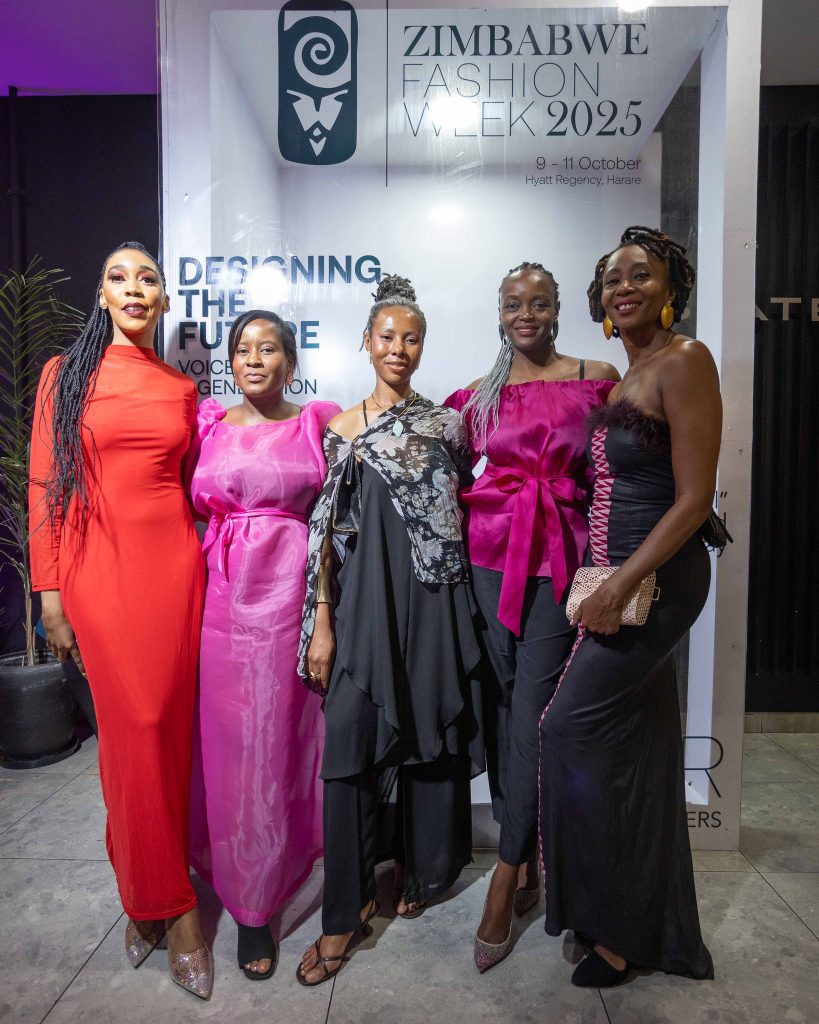
Harare — The city’s fashion scene sparkled this October as Zimbabwe Fashion Week returned to the spotlight, running from 8–11 October at the newly rebranded Hyatt Regency Harare, The Meikles. After a period of uncertainty, the event reaffirmed its position as one of Zimbabwe’s most influential creative platforms, drawing fashion enthusiasts, students, and industry professionals into its vibrant orbit.
This year’s edition, themed “The New African Vanguard,” placed a spotlight on innovation, sustainability, and community-led creativity. Tickets were intentionally inclusive, ranging from $25 for front-row runway seats to $5 for panel discussions, making it accessible to a wide audience eager to engage with Zimbabwe’s dynamic creative sector.
At the heart of ZFW 2025 was the Hunhu Council of Fashion Business Program, a daily series of panels exploring entrepreneurship, sustainability, and the future of African design. Speakers included Sevious Mushosho, CEO of Edgars Stores Limited Zimbabwe, alongside international voices offering insight into African fashion’s growing global influence. One standout discussion, guided by Rumbi Chirumbwana, tackled circular fashion, community-led production, and systems of care, highlighting how sustainable practices are reshaping the industry from grassroots to runway.
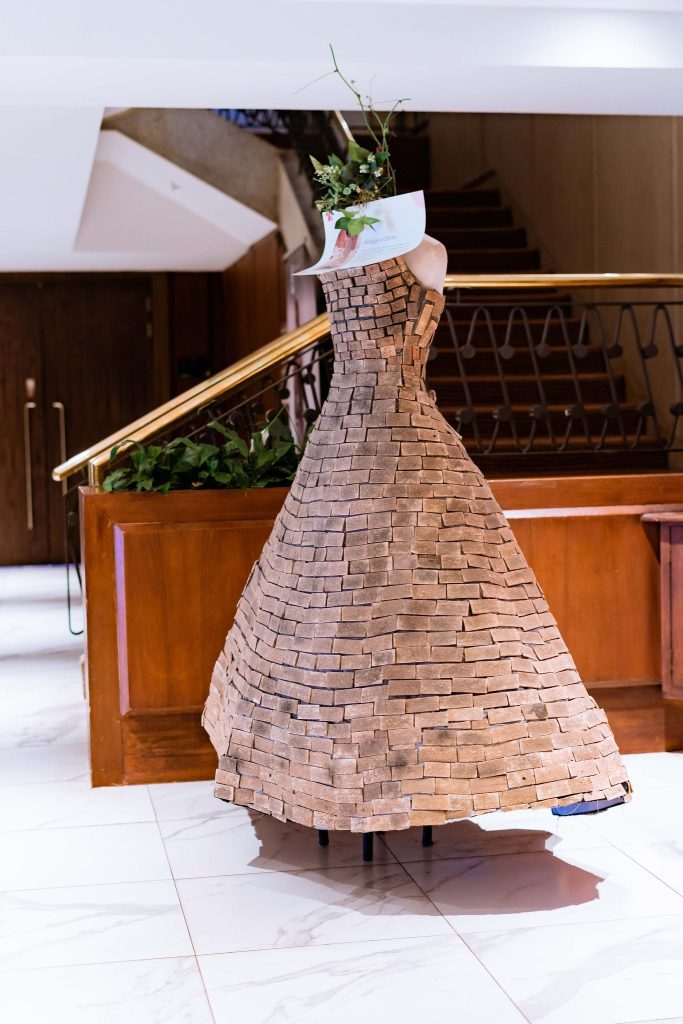
Fashion met art in the Ungubani Exhibition Launch, curated in collaboration with First Floor Gallery Harare. The exhibition, running from 9–11 October, blended garments, installations, and contemporary artworks to explore evolving narratives of Zimbabwean identity, cementing the intersection of fashion and visual culture on the continent.
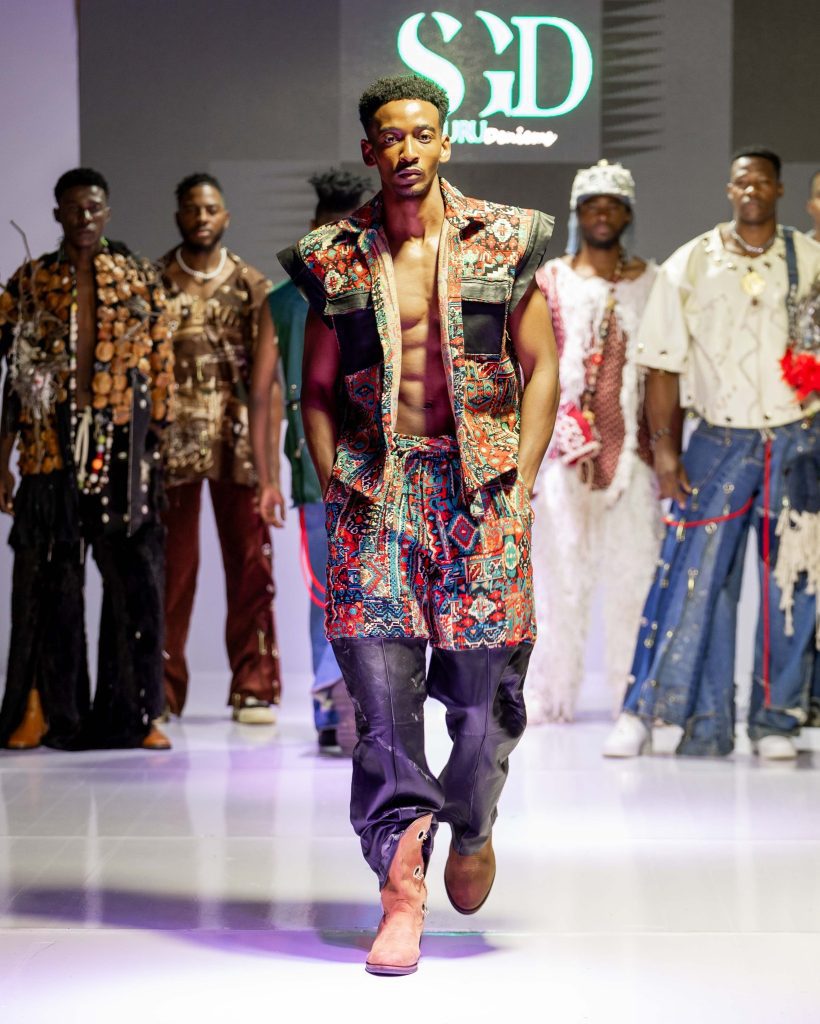
Runway showcases featured both established talent and rising stars. Zimbabwean designers shared the stage with regional creatives, including Botswana’s acclaimed Koki Kamala, creating a pan-African showcase of innovation and craftsmanship. For emerging designers, ZFW continues to function as a gateway into the competitive global fashion industry, with several participants already gaining international recognition.
Founder and director Priscilla Chigariro described ZFW as a platform “anchored in culture, innovation, and bridge-building,” calling on stakeholders to support a collective vision that positions Zimbabwe at the heart of African and global fashion conversations.
The timing could not be more propitious: African designers from Lagos, Johannesburg, and Nairobi are increasingly visible on international runways, while global demand for African craftsmanship grows in markets like Paris, London, and New York. By relaunching, Zimbabwe Fashion Week stakes a claim in this continental momentum, emphasizing both cultural expression and economic opportunity.
For Harare audiences, ZFW 2025 was more than a series of runway shows. Through panel discussions, exhibitions, and performances, the week offered a celebration of Zimbabwean creativity while positioning fashion as a driver of cultural dialogue, economic innovation, and global engagement.
Looking ahead, Zimbabwe’s creative scene is set to scale even further with the World Fashion Week planned for 2026/2027 at Victoria Falls, promising a stage for sustainable global fashion practices and a continuation of the country’s upward trajectory in the international fashion arena.