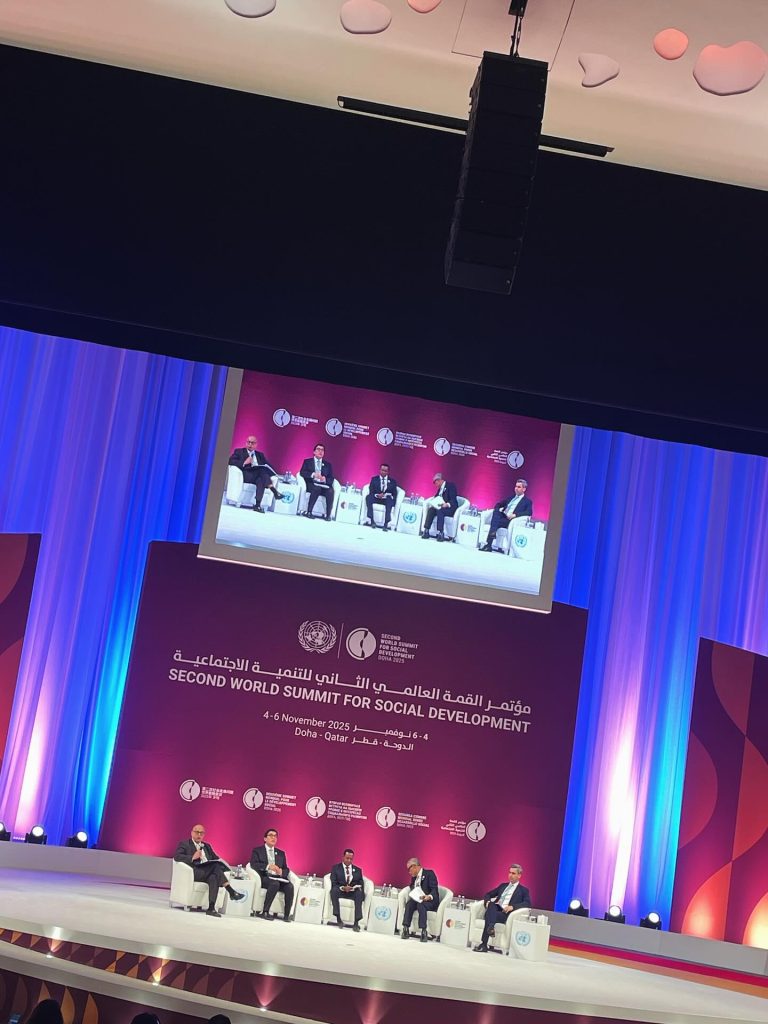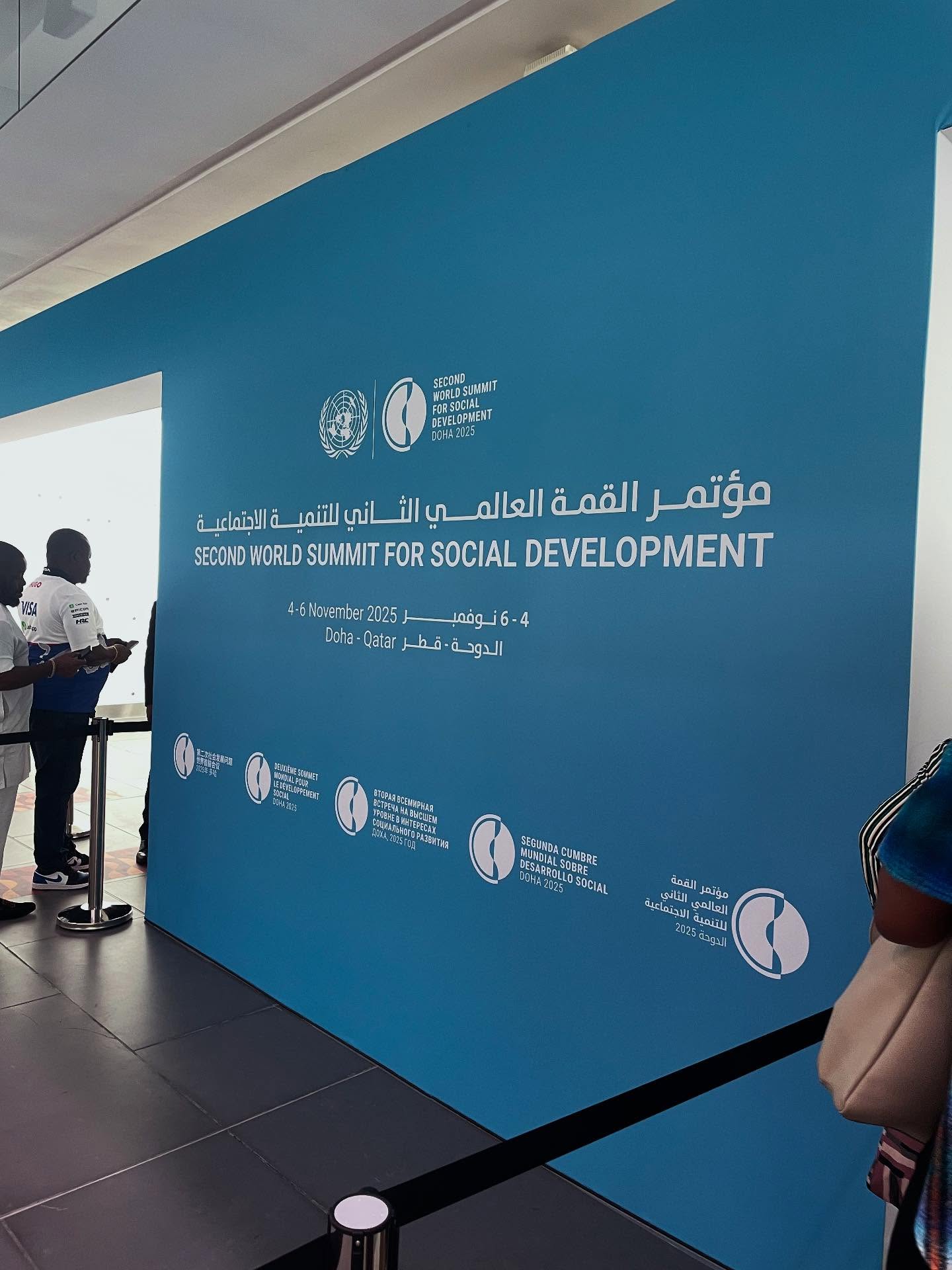
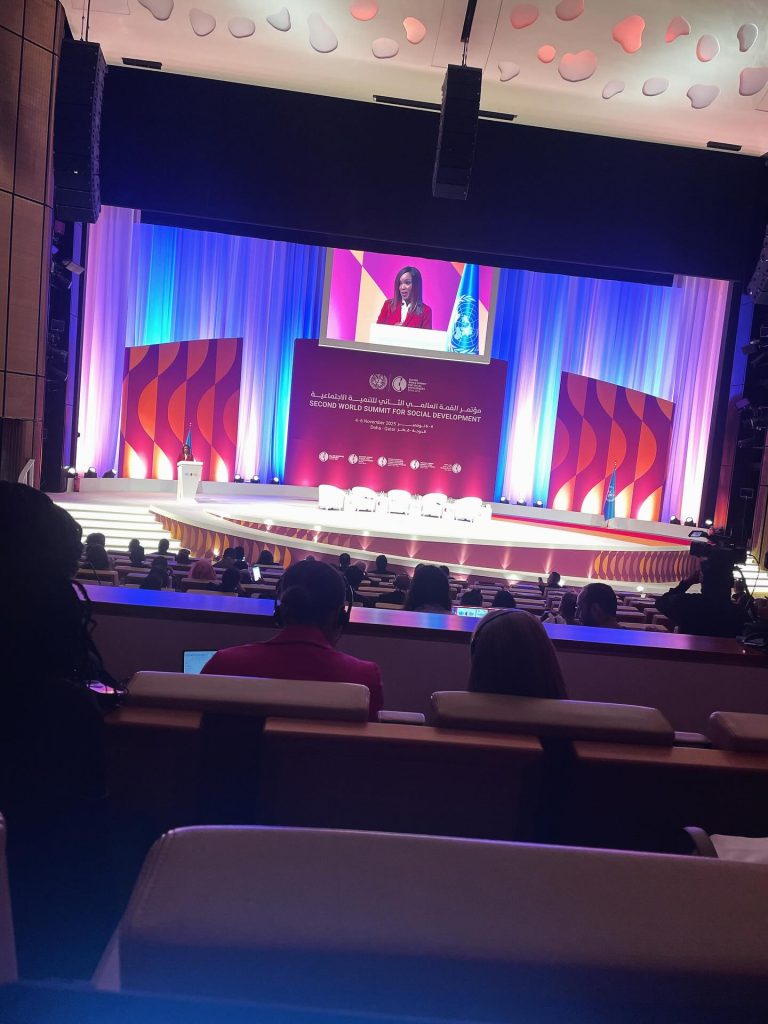
World leaders, civil society actors and development experts will converge in Doha, Qatar, from 4 to 6 November 2025 for the Second World Summit for Social Development, convened under the auspices of the United Nations General Assembly through resolutions 78/261 and 78/318.
Mandate and objectives
The summit marks the thirtieth anniversary of the landmark 1995 World Summit for Social Development in Copenhagen, where global leaders adopted ten commitments collectively known as the Copenhagen Declaration on Social Development.
According to the official programme, the 2025 gathering is designed to accelerate progress in three core areas: poverty eradication, promotion of full and productive employment including decent work for all, and fostering social inclusion, as highlighted by UN Women. The summit will also serve as a forum to reaffirm global commitment to the 2030 Agenda for Sustainable Development, especially where gaps remain in implementation.
Stakeholders and formats
Participants will span government delegations, international organisations, academic institutions, private sector actors, and civil society networks, according to UN DESA’s Social Development Division. Parallel sessions, side events, academic forums and civil society dialogues will accompany the high-level segment, as noted by the SDG Knowledge Hub.
Context and significance
The impetus for this summit is rooted in persistent global challenges: rising inequalities, demographic pressures, rapid technological and environmental change, and ongoing social protection deficits, according to UN DESA. Organisers present this as an opportunity to assess progress since 1995 and to stimulate renewed momentum in social development frameworks, ensuring that no one is left behind.
Expected outcomes and forward direction
Summit organisers anticipate the adoption of updated commitments that reflect new realities — including digital transformation, climate-induced displacement, and changing labour markets, according to the Qatar Centre for Peace and Democracy. The event is expected to produce a new declaration or roadmap to guide member states, reinforcing multilateral cooperation in social protection, employment policy, inclusive development, and institutional reform, as reported by the SDG Knowledge Hub.
Conclusion
The Second World Summit for Social Development represents a critical moment for reaffirming international resolve on social justice, employment, and inclusion. Outcomes from the Doha summit could influence policy direction in national development plans, underpin accountability frameworks in implementing the 2030 Agenda, and provide renewed impetus for civil society advocacy.