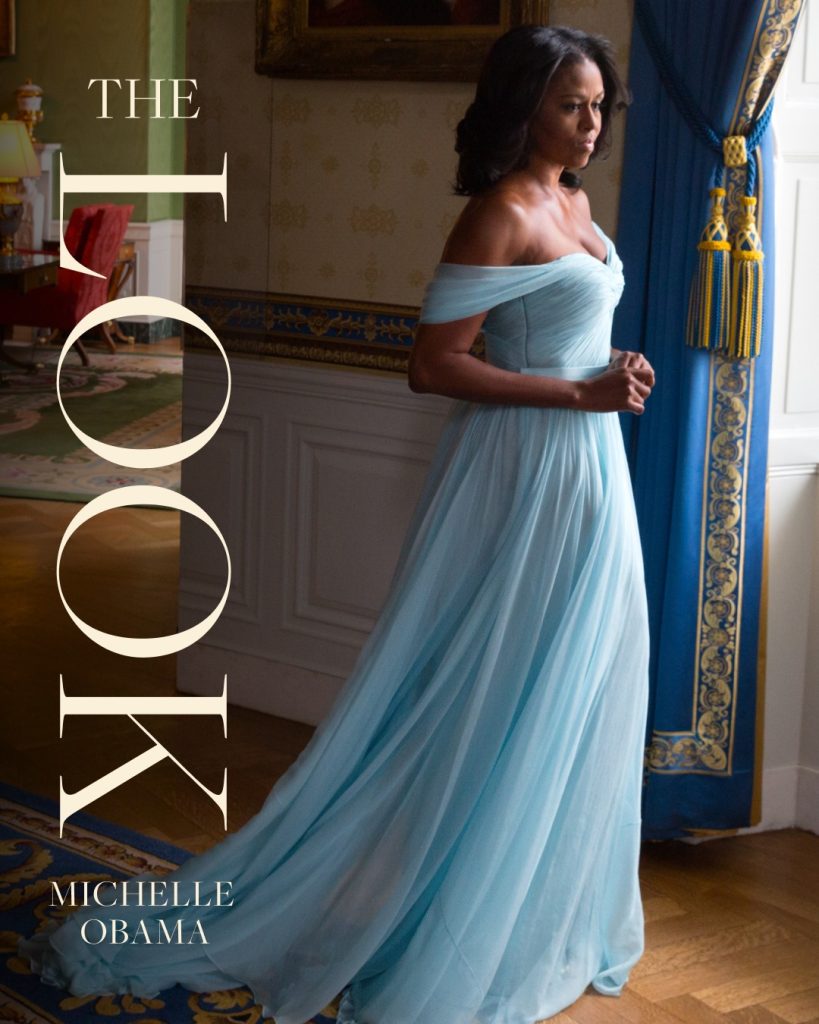
New York — Michelle Obama, former First Lady of the United States, has long understood that fashion is far more than aesthetics. From her husband’s U.S. Senate campaign to her eight years in the White House, Obama wielded clothing as a tool of influence, carefully aware that every ensemble would be scrutinized and interpreted as a reflection of her values, professionalism, and identity.
Her new book, The Look, released this year, chronicles her style evolution from childhood through her tenure in public life. Featuring over 200 photographs and behind-the-scenes narratives, the book documents the collaborative work with her personal stylist and co-author, Meredith Koop, along with makeup artist Carl Ray and hairstylists Yene Damtewand Njeri Radway, who helped craft some of her most iconic fashion moments.
Obama explained her motivation: “During our family’s time in the White House, the way I looked was constantly being dissected—what I wore, how my hair was styled. For a while now, I’ve been wanting to reclaim more of that story, to share it in my own way.” Her reflections underscore a recurring tension for women in the public eye: the struggle to maintain authority and be defined by accomplishment rather than appearance.
Fashion as Strategy, Not Distraction
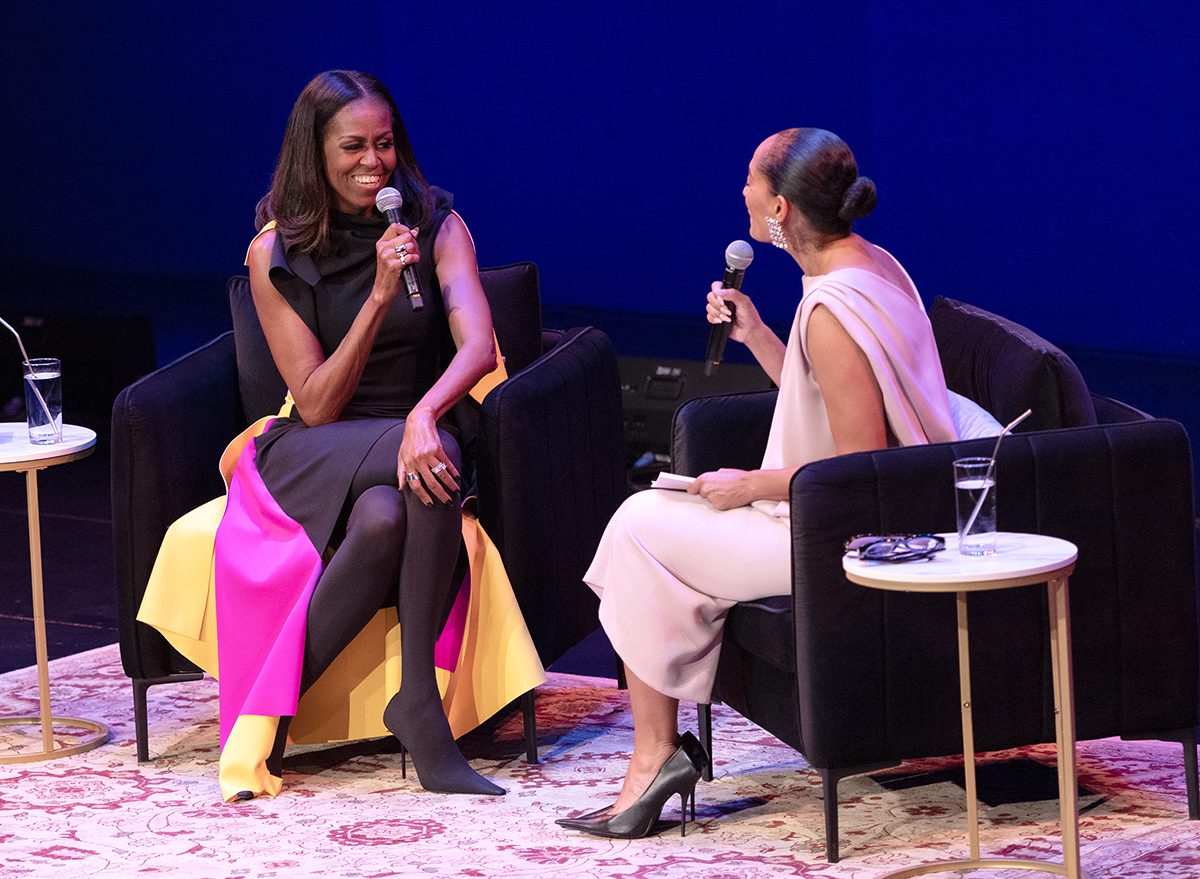
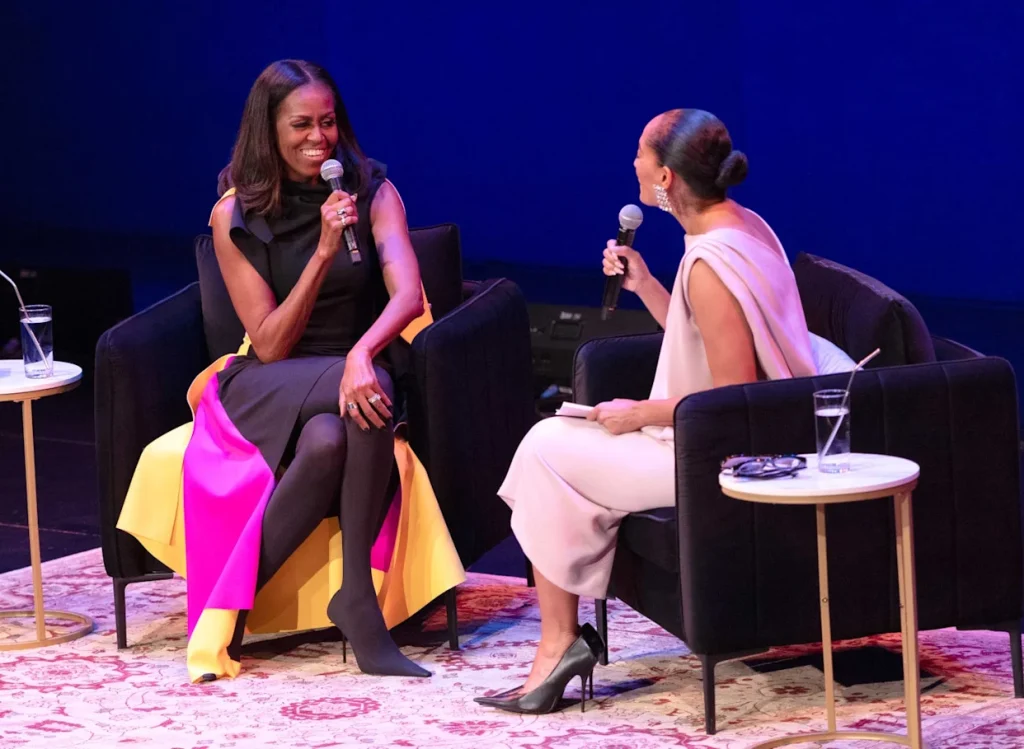
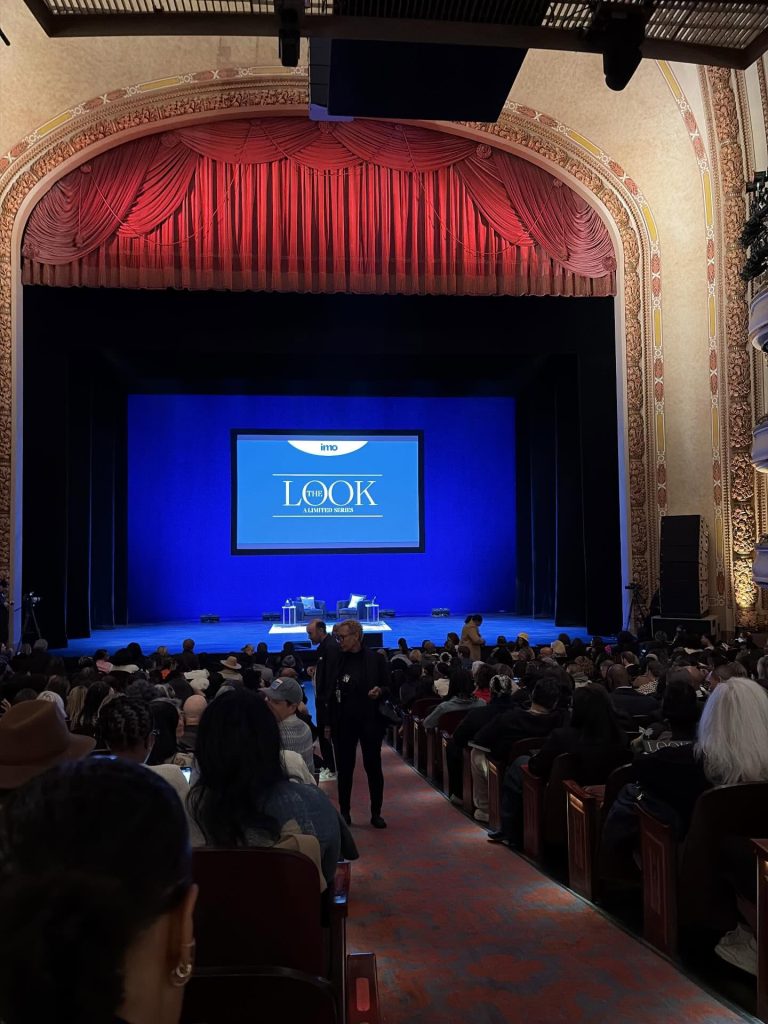
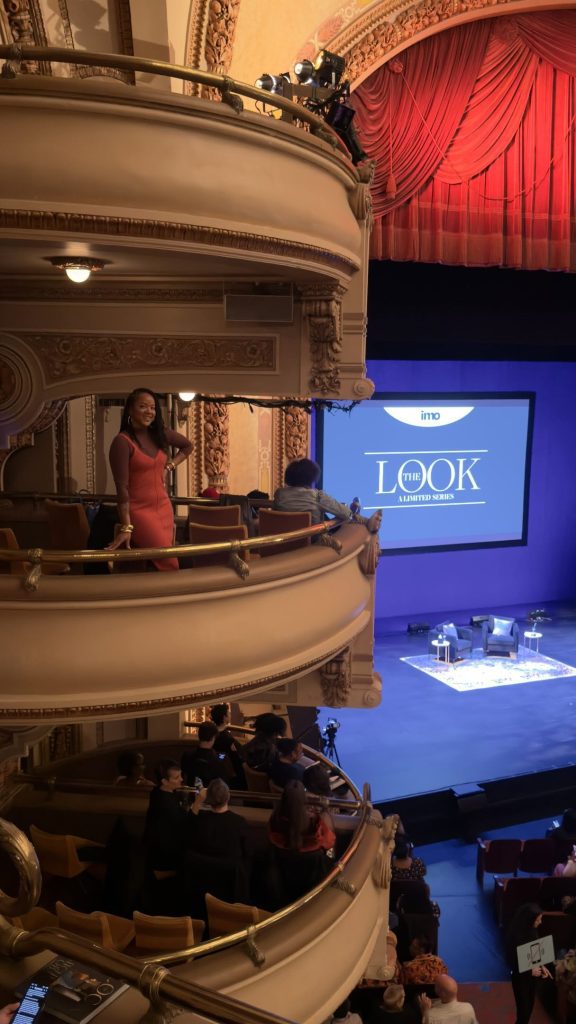
Throughout her tenure as First Lady, Obama intentionally allowed her clothing to speak for itself, often highlighting emerging designers of color, women, and immigrants, while avoiding public commentary about her wardrobe choices. “I purposely avoided talking about fashion because I thought it would be a distraction from everything else that I did,” she told attendees at a live taping of IMO: The Look at the Brooklyn Academy of Music. She noted that despite delivering substantive speeches, media coverage often fixated on her outfits, “as if I had said nothing at all.”
This experience prompted a proactive approach to storytelling: “If I let them define me, I won’t even recognize myself,” Obama reflected. Every decision, from what she wore to public statements, was carefully calibrated to reinforce her professional and personal priorities.
Behind the Curtain: Styling as Diplomacy
Koop, who was 28 when she began working with Obama, coordinated every outfit in consideration of diplomatic objectives, local customs, climate, and event context. The team’s work ensured Obama could focus on policy, advocacy, and public engagement without distraction. “Yes, it was about fashion, but it was also about America. It was about representation; it was about the work; it was about supporting the first Black first family,” Obama said.
The meticulous attention extended to her hairstyles, which were often straightened to conform to prevailing norms and maintain a polished public image. Later, extensions and wigs were employed to preserve hair health while upholding a consistent, professional appearance. Obama emphasized her intention to return to natural styles post-White House, marking personal and cultural expression in her public persona.
Iconic Moments and Personal Rituals
State dinners and high-profile appearances involved strategic preparation, with multiple gowns reserved for each event. Obama often revealed her final choice to her husband just before the event, creating an intimate ritual within the pressures of public life. Designers, including Diane von Furstenberg, adapted signature pieces for practicality, such as modifying wrap dresses to prevent wardrobe malfunctions, illustrating the intersection of design, diplomacy, and personal agency.
Obama framed her approach as a form of power: the First Spouse, she explained, has a unique and often underappreciated role in humanizing the president while advancing initiatives. “Fashion, whether the West Wing understood it or not, matters,” she said.
Legacy of The Look
The Look is more than a memoir of fashion; it is a study in influence, identity, and the deliberate use of public image as a vehicle for advocacy and cultural representation. It documents how style, when paired with intention, becomes a tool for leadership, resilience, and storytelling. Through her collaboration with Koop, Ray, Damtew, and Radway, Obama offers insight into the unseen labor that underpins public life, blending personal expression with national representation.
The companion series IMO: The Look allows audiences to explore these stories interactively, extending the book’s narrative into a multimedia platform that highlights both the personal and strategic dimensions of Obama’s approach to fashion.
Obama’s reflections illustrate a crucial principle: in leadership, fashion is not trivial, but a conduit for conveying values, authority, and care for the people one represents. In reclaiming her story, she asserts that the narrative of power can be elegantly intertwined with personal expression, leaving a blueprint for public figures navigating scrutiny and influence in the modern era.
— New York, USA