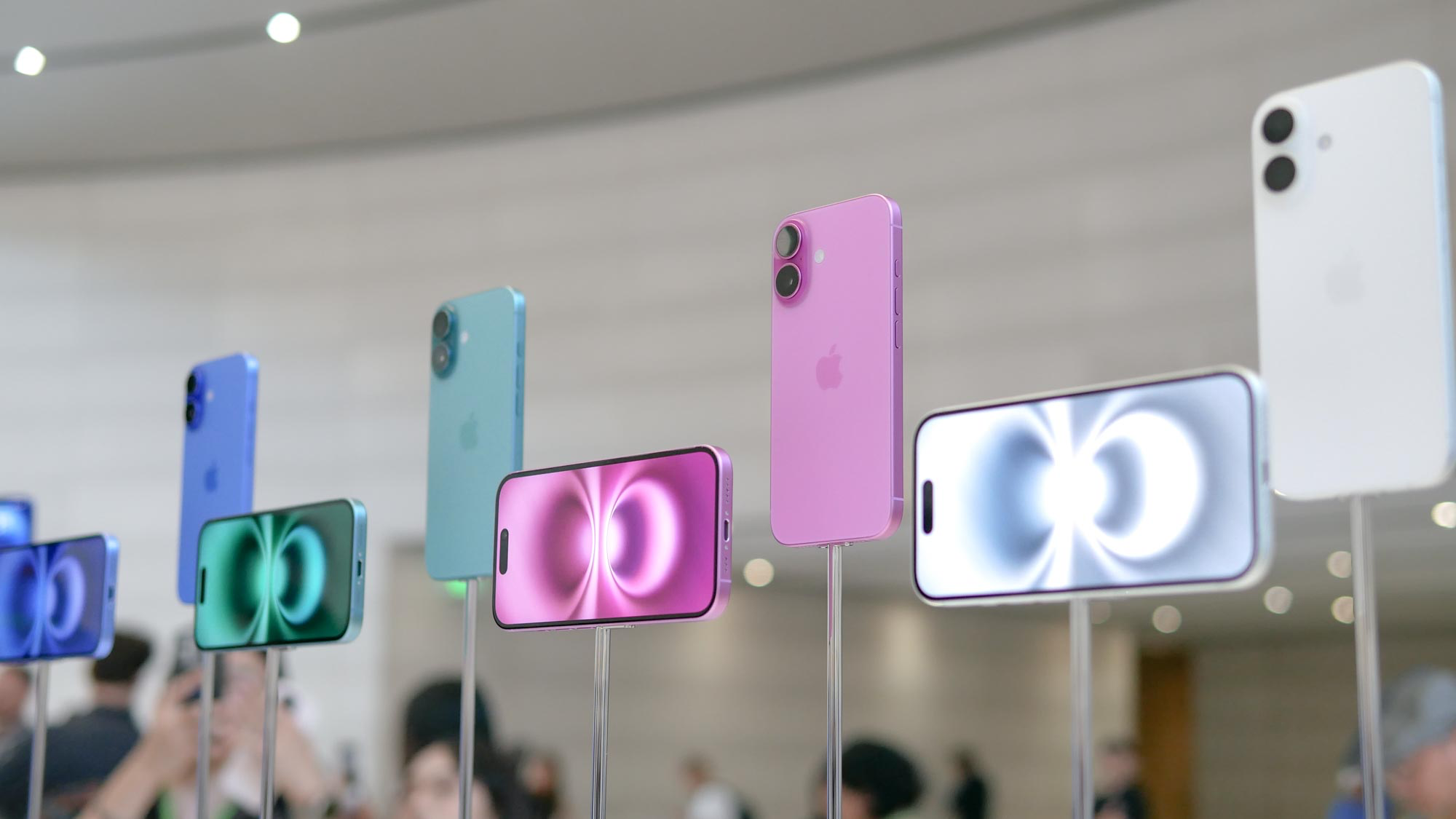
In a significant development for Apple, iPhone sales for the third quarter of 2024 surpassed analyst expectations, buoyed by the launch of the iPhone 16 and its integration with cutting-edge AI technology. Apple reported iPhone sales of $46.2 billion for the three-month period ending in September, marking a 5.5% increase from the previous year. This comes on the heels of the highly anticipated iPhone 16’s release, which coincided with the company’s efforts to revitalize sales amid a prolonged slump.
While the iPhone 16 only had a brief window of availability during the quarter—just over two weeks of preorders starting September 13, the numbers signal a promising shift in demand. The device officially landed on shelves on September 20, and its performance has raised hopes that Apple’s investment in artificial intelligence will propel it out of a sales rut that has plagued the company over the past year. For Apple, which saw four consecutive quarters of declining revenue in 2023, the launch of the iPhone 16 is seen as a critical step toward revitalizing its sales momentum.
CEO Tim Cook, during the company’s earnings call, highlighted the impact of Apple Intelligence, the AI suite integrated into the iPhone 16, calling it a game changer that would “supercharge” the device’s appeal. The update, which brings a host of AI-driven features like enhanced writing tools and call transcription, has been well-received, with iOS 18.1 adoption rates doubling those of the previous version. The features will continue to roll out in stages, with further updates expected in December as part of iOS 18.2.
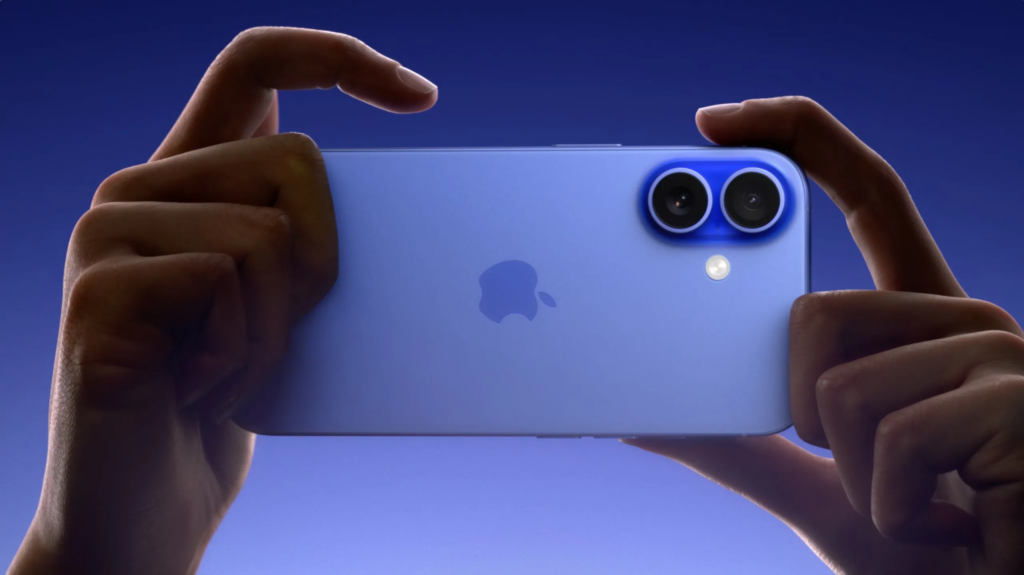
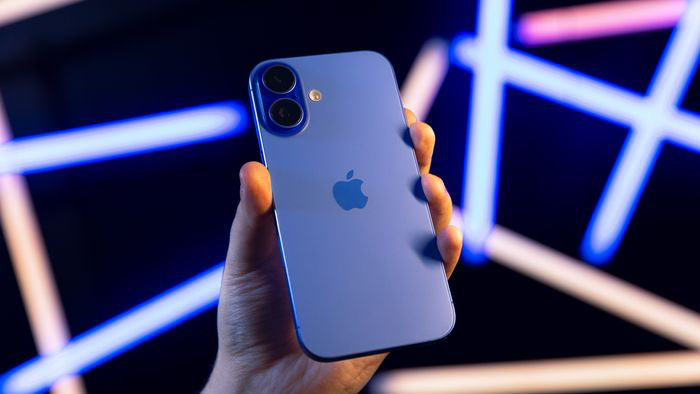
However, despite the positive early indicators, Cook acknowledged that the full effect of the iPhone 16’s capabilities is yet to be fully realized. Notably, many of the AI tools were not available for the initial wave of iPhone 16 buyers, raising questions about whether the staggered rollout could dampen the device’s upgrade cycle. Nonetheless, analysts are optimistic about the upcoming holiday season, traditionally Apple’s most lucrative period.
“We expect a monster holiday season ahead, with potentially 300 million iPhones globally that haven’t been upgraded in more than four years,” said Wedbush analyst Dan Ives, underscoring the substantial opportunity for Apple as it heads into the final quarter of 2024.
Despite a slight dip in after-hours trading following the earnings report, the company’s overall revenue for the quarter rose by 6%, driven not just by iPhone sales but also by robust growth in its services division. Profits, however, took a hit, falling by 35% year-over-year, reflecting the ongoing challenges Apple faces in maintaining margins amid fierce competition and rising production costs.
In China, a crucial market for Apple, the results were more mixed. Sales in the region remained flat at just over $15 billion, falling short of analysts’ projections. Apple had previously reduced prices in China to contend with growing competition from local smartphone makers, and while the iPhone 16 may help revive interest, the rollout of its AI features has faced some regional hurdles.
Looking ahead, analysts and investors are focusing on the critical holiday quarter, which could be the defining moment for the iPhone 16’s success. The introduction of Apple Intelligence, alongside new hardware features, is expected to drive substantial demand, particularly as the company taps into the large base of consumers yet to upgrade their devices in recent years.
As Apple continues to evolve and adapt to the competitive landscape, the iPhone 16 and its AI capabilities may well be the catalyst the company needs to solidify its position as a leader in the smartphone market. With new innovations on the horizon, Apple is poised for a busy end to the year, with the potential for another strong quarter of sales—one that could set the stage for long-term growth.