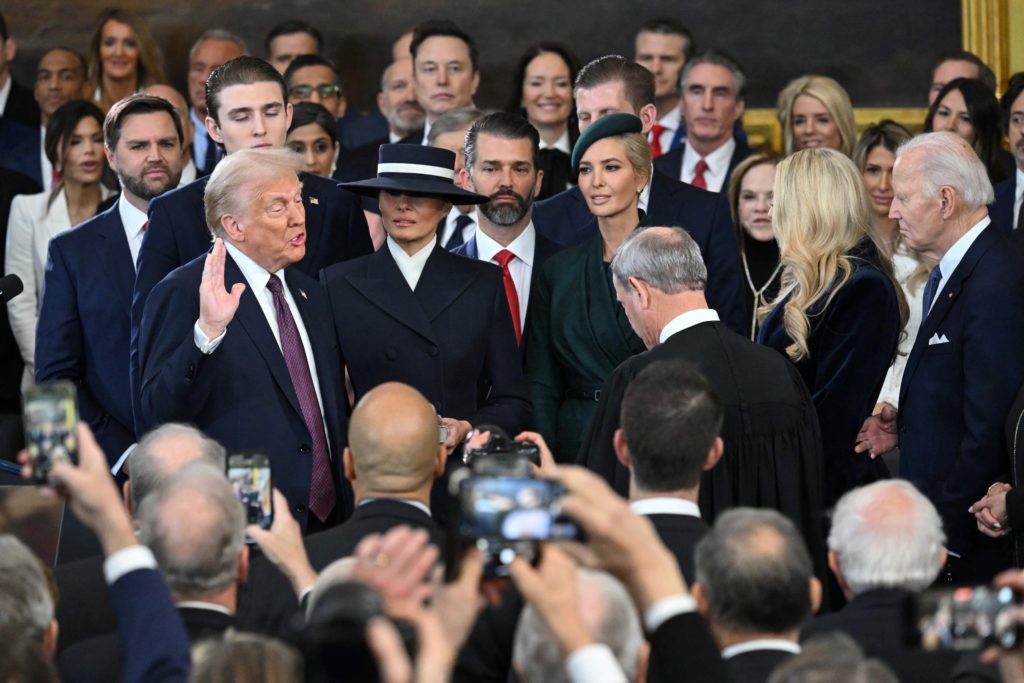
The 2025 U.S. presidential inauguration wasn’t merely a ceremonial transition; it was a meticulously staged performance that wove together the threads of power, influence, and vision. With every handshake, every gesture, and every word spoken, the event mirrored a moment in time—a turning point that would define not only the next four years but also the trajectory of a nation at the crossroads of change. For those of us who view the world through the lens of communications and government relations, this was more than an inauguration. It was a window into the future, a masterclass in the art of messaging, a moment where every choice spoke volumes about what is to come.
1. The Power of Strategic Visibility
The inauguration was far more than a traditional political ceremony. It was a highly calculated display of influence, aligning with key sectors that the administration aims to prioritize. The presence of several tech giants—such as Elon Musk, Mark Zuckerberg, and Shou Zi Chew—spoke volumes about the administration’s strategic direction in technology and communication.
- Elon Musk’s presence, closely tied to the Trump agenda, served as a strong signal of continued support for innovation and deregulation, particularly in the tech and energy sectors.
- Mark Zuckerberg, following his promises of less censorship on Meta platforms, symbolized a shift in digital policy that aligns with the administration’s preference for minimal regulation in the tech space.
- Shou Zi Chew, the CEO of TikTok, attending amidst ongoing regulatory scrutiny, demonstrated a sophisticated government relations strategy. This was a bold gesture to position TikTok as a potential collaborator in the political sphere, signaling the possibility of a more cooperative relationship with the platform despite past attempts to ban it in the U.S.
This curated selection of tech leaders at the inauguration was a masterstroke in aligning the political narrative with an emphasis on innovation, deregulation, and tech diplomacy. It was a visual and symbolic endorsement of the administration’s priorities in the digital age.
2. The Speech: A Blueprint for the Future
The inaugural address was not simply a reflection of present-day values but a roadmap for the administration’s policy agenda, tracing the contours of a nation poised for change. The speech, framed in bold and decisive language, laid out promises with far-reaching implications for economic sovereignty, deregulation, and national security.
- Revoking the Green New Deal was perhaps the most significant policy shift—an unequivocal signal that environmental regulations would take a backseat in favor of economic priorities, particularly within the electric vehicle (EV) sector. The promise to scale back climate-related policies will undoubtedly reverberate across industries, with some celebrating the decision and others voicing concern for the environment.
- Re-emphasizing tariffs, deportations, and a focus on national economic sovereignty, the speech signaled a continuation of protectionist trade policies. The sharp rhetoric around immigration indicated a tough stance on border security, underscoring a vision of America that prioritizes domestic needs.
However, one glaring omission was the absence of any reference to Africa. As the geopolitical influence of Africa continues to rise, fueled by its growing population, natural resources, and strategic position, this omission is hard to overlook. The absence could be interpreted as a missed opportunity to engage with one of the most dynamic regions in the world. With Africa’s markets increasingly seen as essential to global growth, this void in the speech raises questions about the administration’s global vision. Could this omission signal a shift toward focusing more on traditional allies and economic interests closer to home? Or does it hint at an inward-facing approach to foreign policy?
3. A Shifting Media Landscape
Another notable aspect of the 2025 inauguration was the significant decline in viewership. Approximately 24.6 million people tuned in, compared to 33.8 million in 2021 and 31 million in 2017. This decline speaks volumes about the changing nature of media consumption. As traditional television gives way to streaming platforms and social media, the way we engage with major political events is rapidly evolving. While the numbers show a drop in live viewership, the inauguration still managed to command significant global attention, reminding us that while the platforms through which we consume media may shift, the enduring importance of these moments in shaping public discourse and geopolitics remains.
This shift underscores a broader transformation in how we experience key moments in history. Social media platforms, streaming services, and on-demand access are quickly becoming the primary means through which younger generations engage with the political process, reshaping how we consume news and events.
4. The TikTok Ban: A New Chapter?
One of the looming questions surrounding U.S. policy is the future of TikTok. The social media giant, owned by Chinese company ByteDance, has faced mounting scrutiny due to concerns about national security and data privacy. With discussions about a potential ban of the app in the U.S. still very much alive, the presence of Shou Zi Chew at the inauguration was a powerful statement. It underscored a new era of government relations, suggesting the possibility of a less adversarial relationship between TikTok and the administration, despite its regulatory hurdles.
The specter of a TikTok ban has been a recurring theme in American politics, with voices on both sides of the debate arguing over the implications for national security, free speech, and economic growth. While the inauguration did not directly address the TikTok situation, Chew’s presence at such a high-profile event could signal a shift toward cooperation or perhaps a subtle pushback against the ongoing regulatory efforts to ban the app.
5. The Future of Citizenship: Amending the 14th Amendment
Amid the policy announcements and political posturing, another significant issue is quietly gaining attention: a proposed amendment to the 14th Amendment. The 14th Amendment, which guarantees birthright citizenship, has come under scrutiny as part of a broader discussion on immigration and national security. The proposal aims to redefine birthright citizenship, potentially ending the automatic granting of citizenship to anyone born on U.S. soil.
This change would have profound legal and political implications, particularly for immigrant communities. Proponents argue that the amendment would curb “birth tourism” and reinforce the idea that citizenship should be tied to deeper national ties. Opponents, however, warn that such a move could erode fundamental principles of equality and fairness, especially for children born to parents who are in the country legally. The debate is likely to intensify in the coming months, setting the stage for one of the most contentious constitutional debates in recent history.
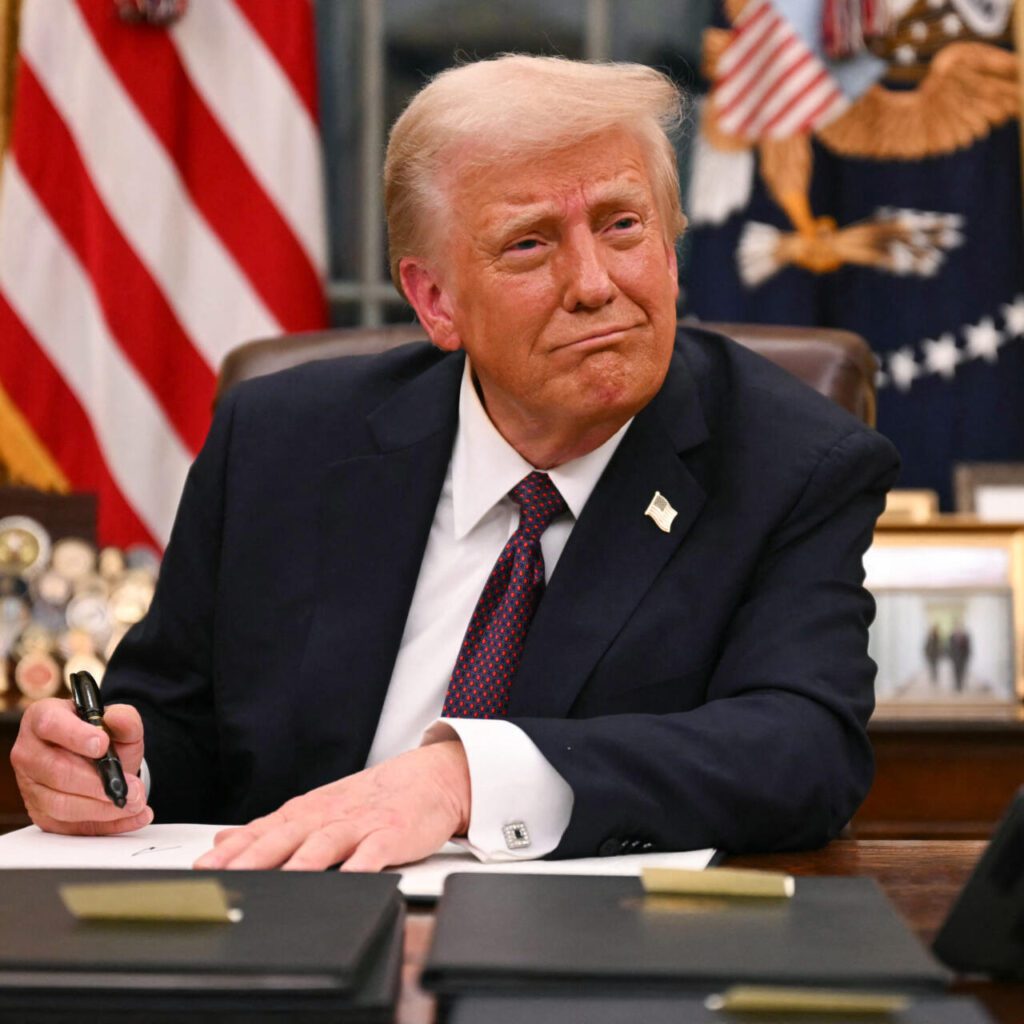
As the final echoes of the speech faded into the air, one thing became abundantly clear: the 2025 inauguration was not just about marking a new chapter in American politics. It was a carefully constructed narrative, unfolding before our eyes, with each detail intentionally crafted to set the stage for what lies ahead. In a world where media landscapes shift like sand beneath our feet, where policy is shaped as much by optics as by substance, the event reminded us that power is not only wielded through action but through the stories we tell. The 2025 inauguration, then, was not just a day in history—it was the beginning of a new story, one written in the language of strategy, diplomacy, and the art of shaping the future.
For those of us in communications and government relations, the inauguration was a stark reminder: every detail communicates. Whether it’s the presence of tech moguls, the omission of regions like Africa from the discourse, or the way media consumption has evolved—everything at this event, from the seating arrangements to the speech itself, played a part in crafting a global narrative. It was a showcase of how strategic decisions can shape perceptions and ultimately influence the world.
Conclusion
For further reading, consider exploring the 14th Amendment and the ongoing discussions about TikTok’s regulatory scrutiny.