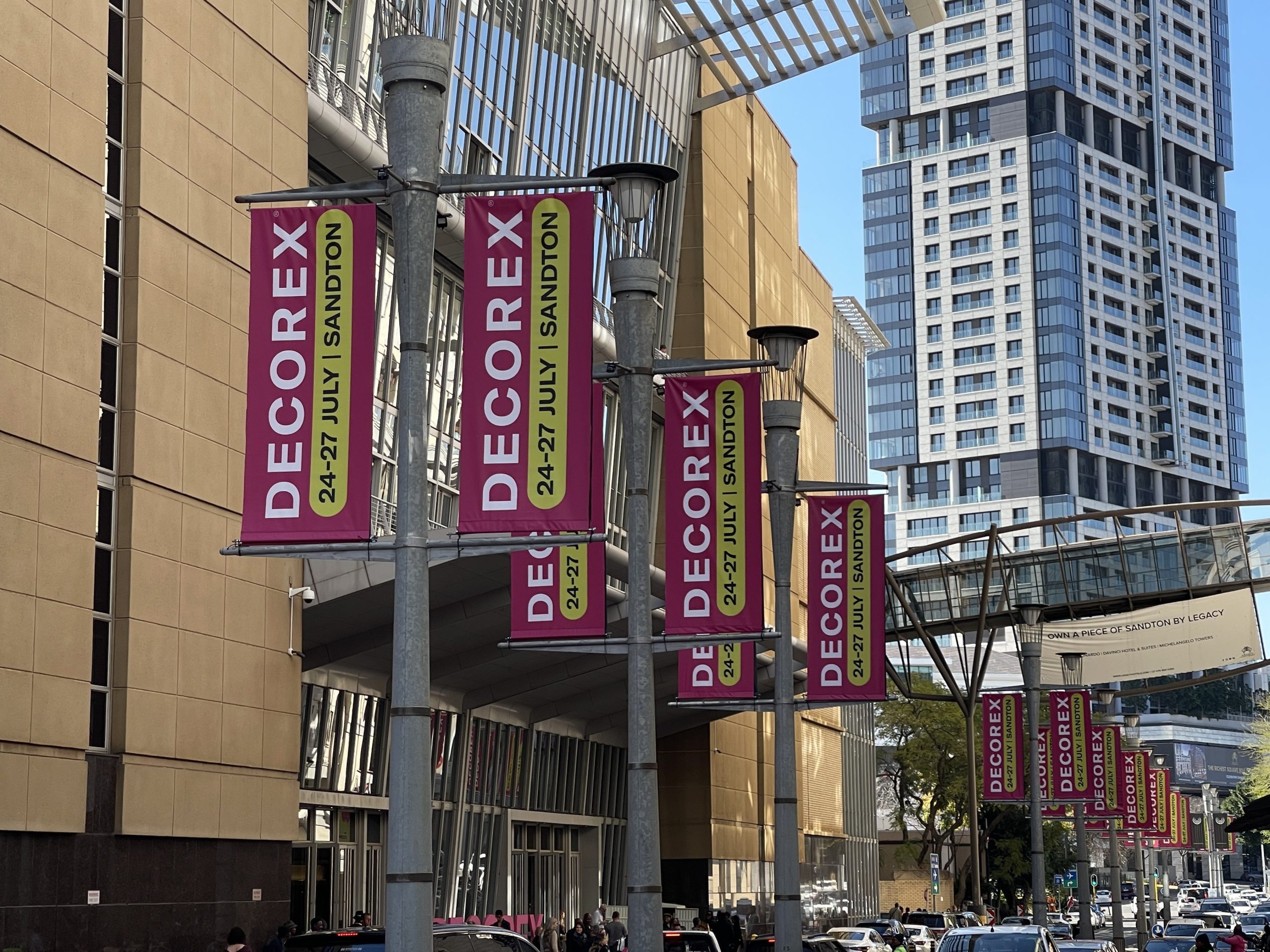
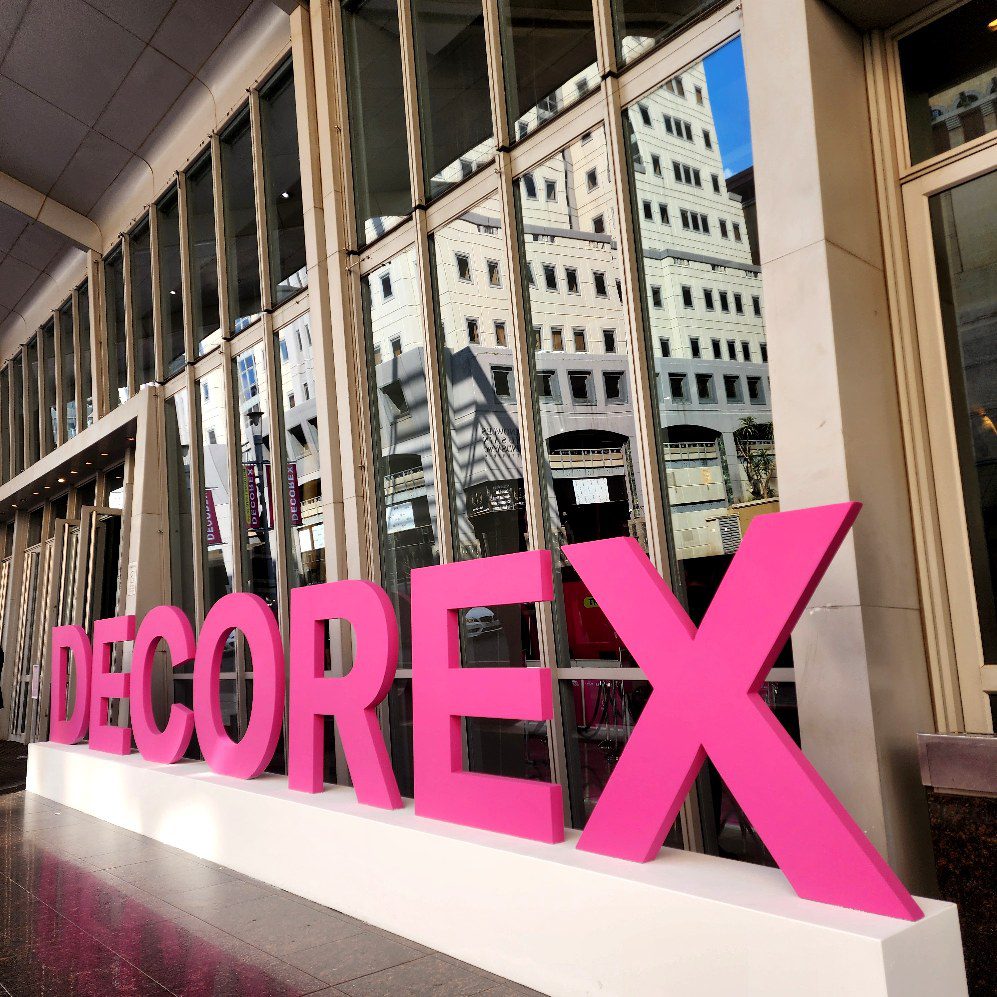
From 24 to 27 July, the Sandton Convention Centre was transformed into a multi-level design sanctuary as Decorex Joburg 2025 returned with five expansive floors of innovation, inspiration, and immersive lifestyle experiences. Under the bold theme “The Future of Living,” this year’s edition marked a significant shift in how we think about home, combining aesthetic delight with sustainability, functionality, and emotional comfort. Whether you’re planning a renovation or searching for timeless décor, Decorex offered a thoughtfully curated look at the trends shaping modern interiors across Africa and beyond.
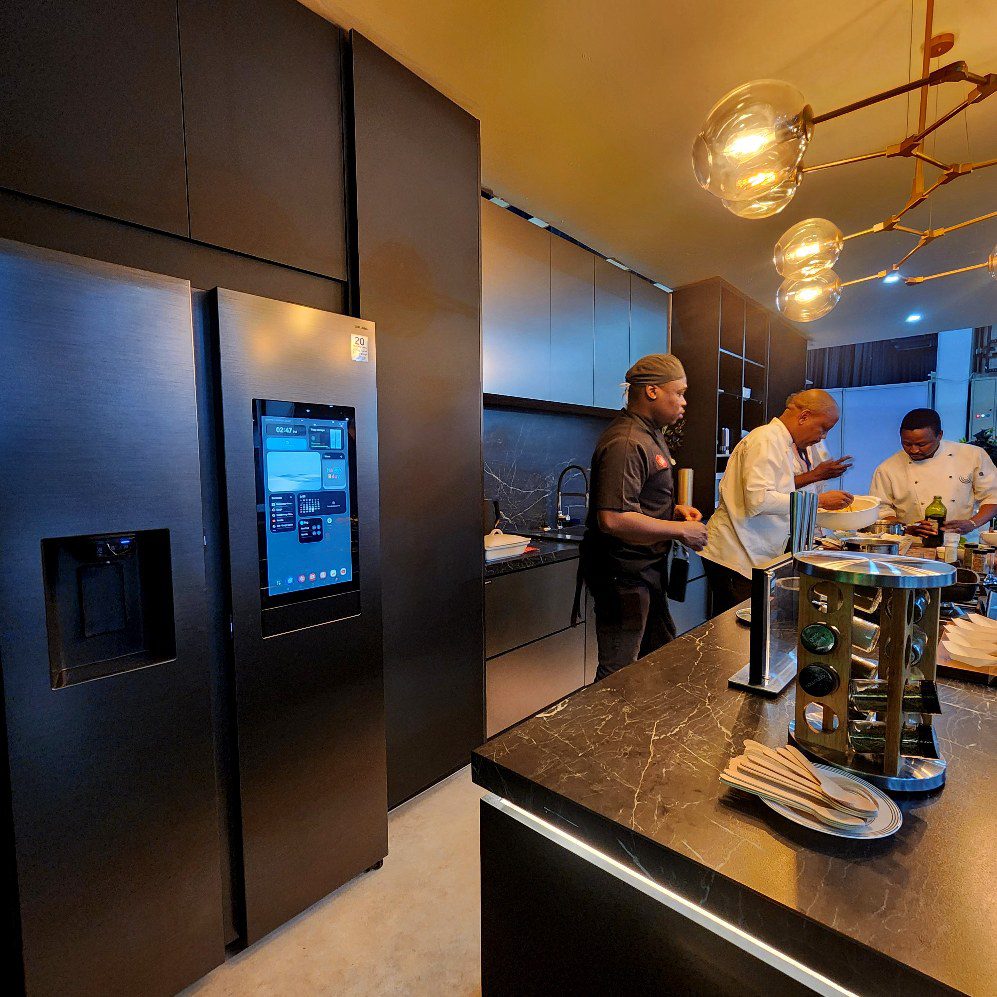
Visitors to the @home Cooking Studio were treated to live culinary demonstrations featuring the latest in Samsung Bespoke AI kitchen appliances. More than a show kitchen, the space illustrated how intuitive design and ambient technology are reshaping the kitchen into a restorative hub that serves as the emotional centre of the home. In parallel, the debut of The Bedroom Project offered a more introspective look at comfort. Designers leaned into plush natural fibres, multi-layered textiles, and modular lighting to reflect a growing shift toward biophilic design, an approach that harmonises architecture with nature for mental clarity and sensory calm. Every space suggested that the modern bedroom should do more than serve; it should soothe.
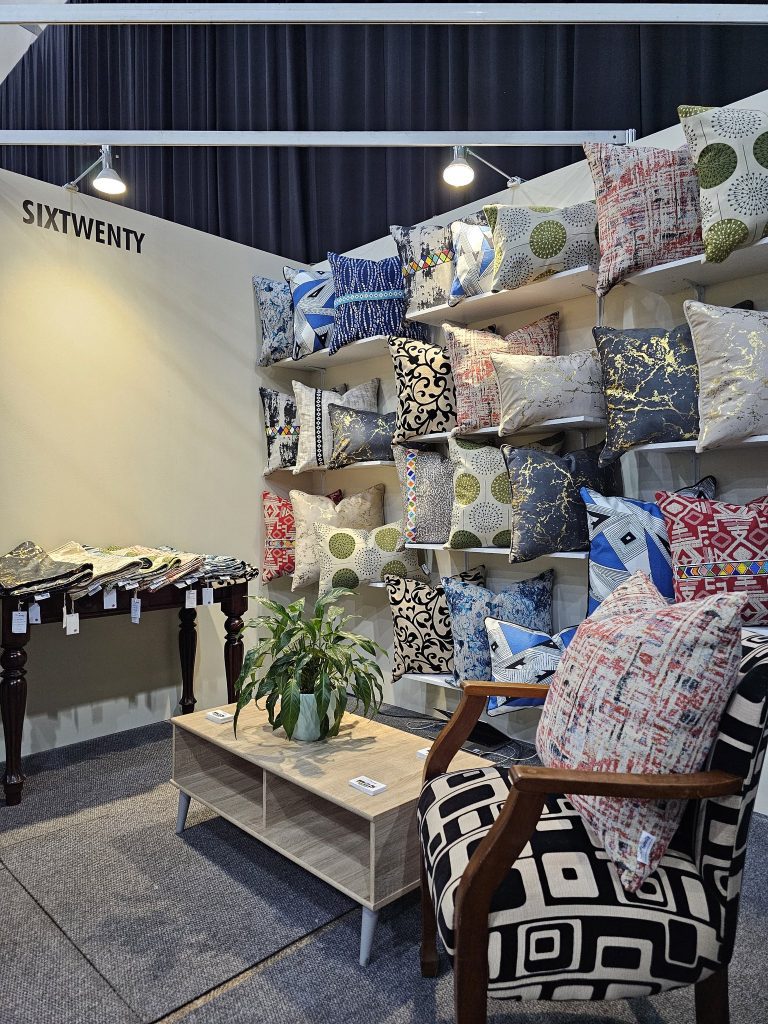
The handmadeAFRICA Design MRKT, supported by Capitec, featured over 60 exhibitors who translated heritage into design. From intricate beadwork to textured ceramics, the work on display at the Craft Collective Pavilion reflected a renaissance in African artisanry where cultural continuity meets contemporary relevance. Standout galleries like Artyli Gallery and Candice Berman Gallery offered collectors and casual viewers alike a curated view of fine African art. Artists such as Cyrille Chamayou, Thulani Tsamela, and Marlene Liebenberg were among those whose pieces challenged, calmed, and delighted.
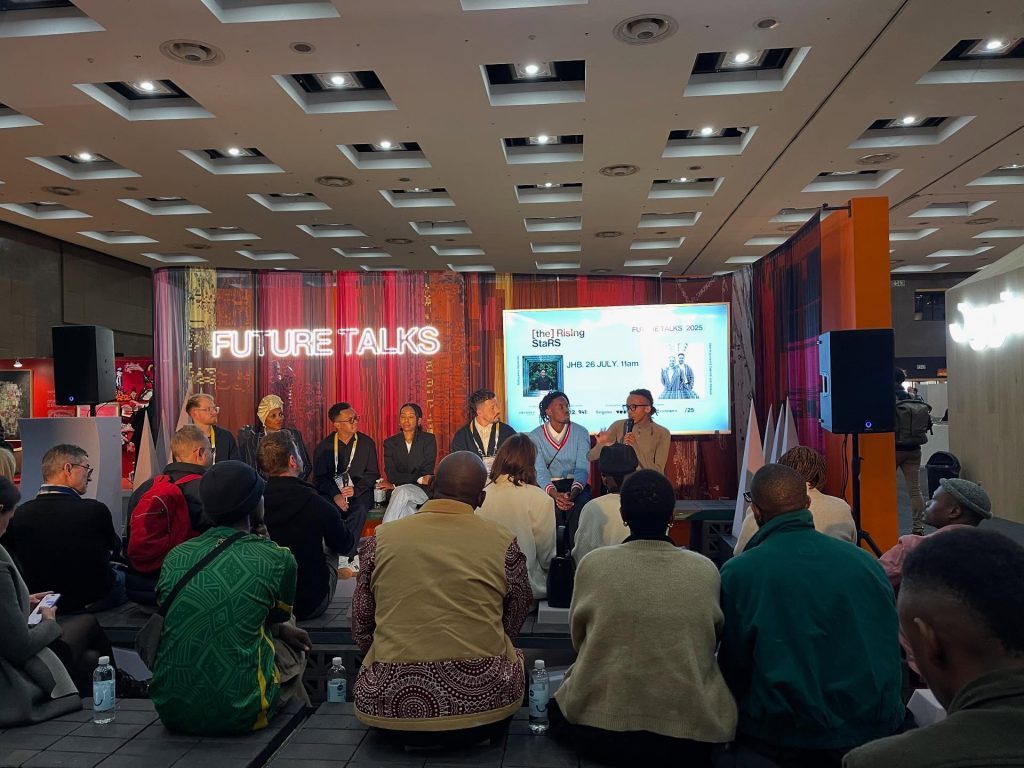
Design wasn’t just viewed; it was discussed and interacted with. The Future Talks series, held on the 100% Design Africa floor, offered ticket-holders access to thought leaders shaping Africa’s design trajectory. Presenters like Stephen Klein and Sinegugu Ngxongo led dialogues around ethical production, circular design, and the emotional impact of space, inviting attendees to imagine not just what’s stylish but what’s sustainable. Architect Charles O. Job, the show’s Designer of the Year, presented sculptural seating pieces that blurred the lines between functionality and form. His work, grounded in Swiss precision and pan-African sensibility, explored how furniture can function as both a useful object and an emotional artifact.
The Lexus Design Pod offered a serene pause in the form of curved wooden finishes and ambient lighting, an ode to craftsmanship in both automotive and interior realms. Nearby, ceramics studio Create Café allowed guests to engage tactilely with clay, reinforcing a return to hands-on creativity in design. Visitors like @mulayo, who exhibited on Level 5, shared real-time interactions via social media, offering warmth and authenticity to the high-end setting. Likewise, digital content creators such as @khuleonwheels and @SamsungSA brought in diverse audiences and expanded the conversation to online communities.
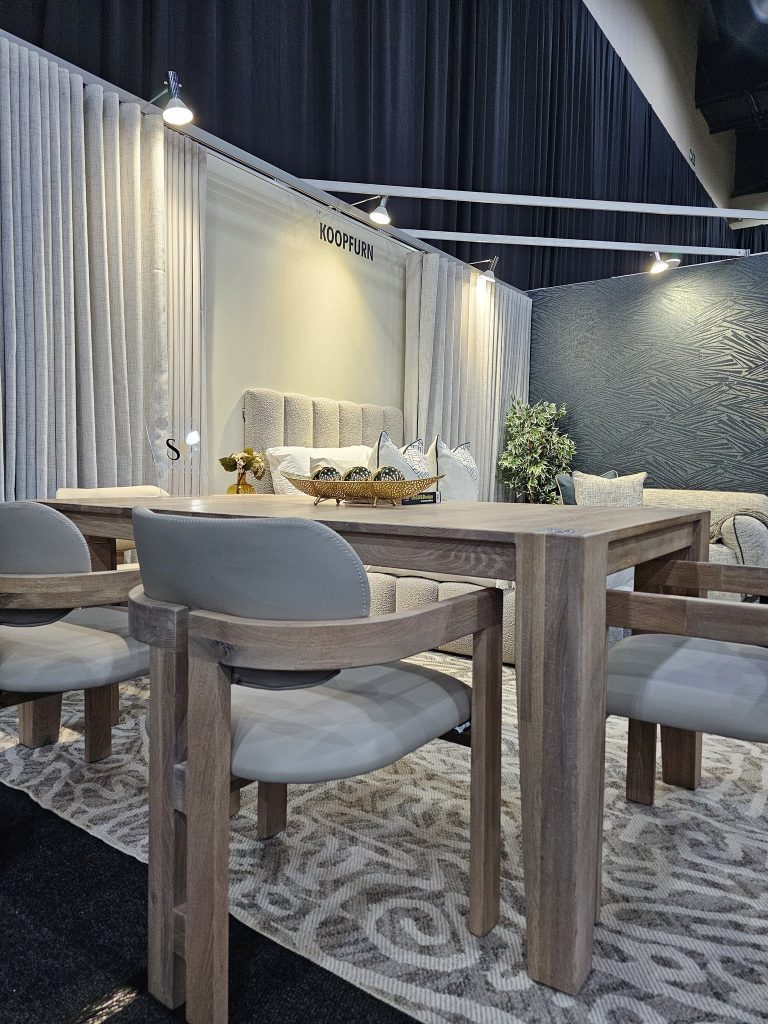

Decorex Joburg 2025 succeeded not merely because it dazzled with scale or spectacle, but because it forged meaningful connections—between people, culture, and the environments we create. It served as a potent reminder that the spaces we inhabit are fundamental to our well-being and identity. Design transcends superficial aesthetics; it shapes how we experience comfort, productivity, and even recovery. In an era defined by rapid digital acceleration and transient virtual interactions, there is a renewed imperative for design that honours slowness, tactility, and memory—qualities that root us in the present and anchor us to our histories and communities. This approach to design resists disposability, instead cultivating longevity, intentionality, and emotional resonance. It invites us to reclaim our living spaces as sanctuaries for reflection and restoration rather than mere backdrops to daily life. As we navigate the complexities of modern existence, such thoughtful design becomes not only desirable but essential to sustaining human connection and mental health.