The gates have since closed at Prison Break Market, where the Local Wine Expo 2025, hosted by Proudly South African, concluded its three-day showing of heritage, innovation and commercial readiness in the local wine industry. The event, held from 25 to 27 July, offered more than curated tastings. It positioned South African wine as a force of regional economy, enterprise ownership and sustainable growth.
Across packed tasting bays, cellar owners poured from bottles not merely fermented but imagined with intent. Labels like ZuluGirl Wines, Siwela Wines, Ses’fikile Wines and Ntsiki Biyela’s Aslina Wines held space with confidence. These brands confronted longstanding assumptions about who makes wine and who it is made for.
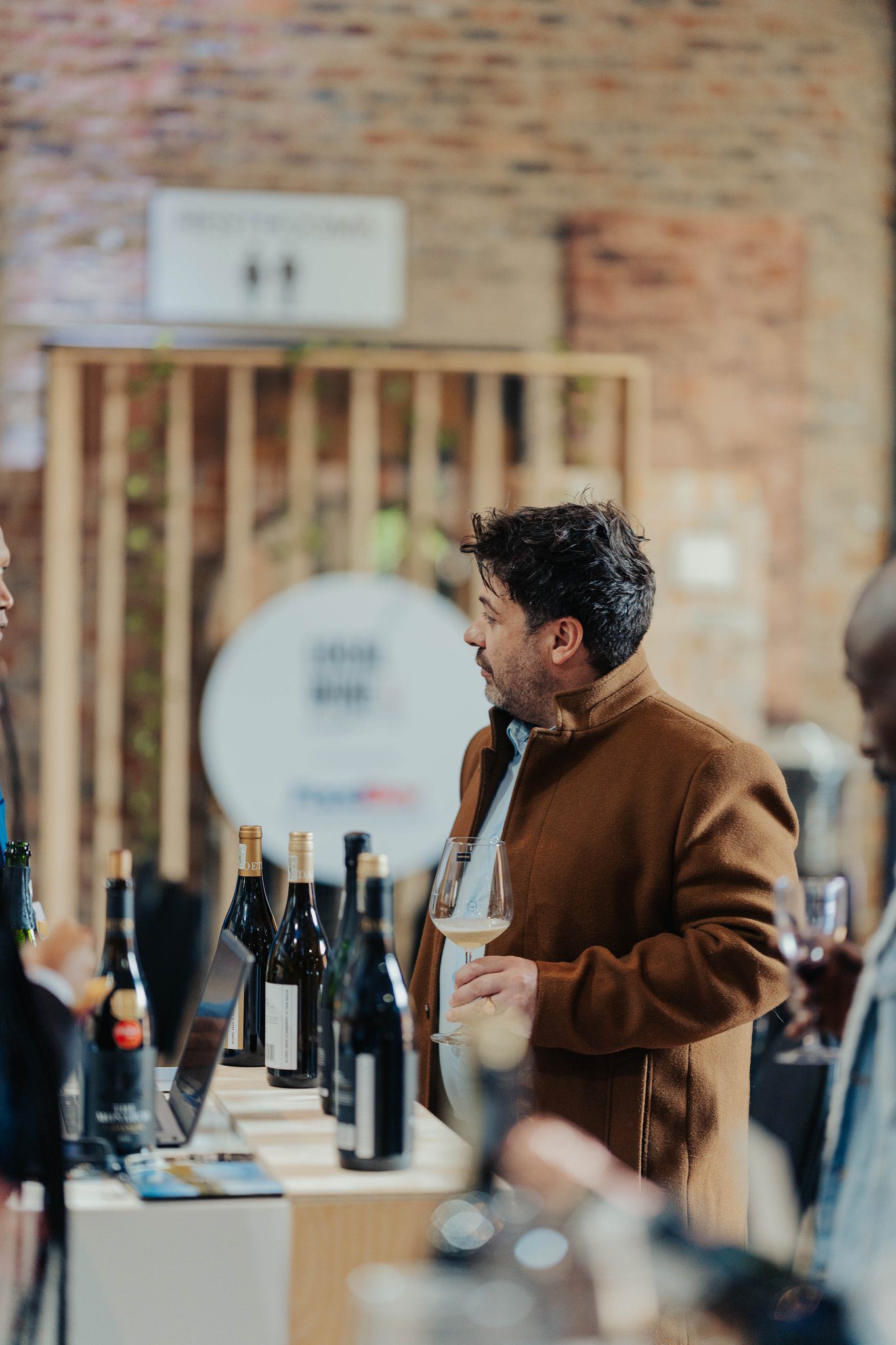
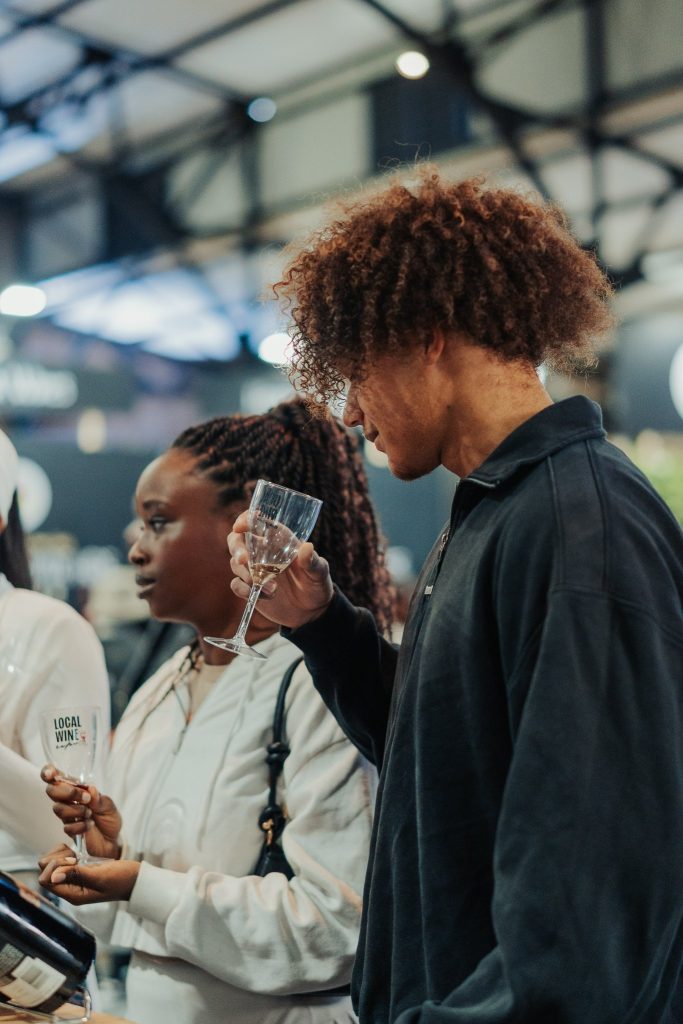
The layout was purposeful. Buyers and distributors met vintners face to face during the closed Trade Session, while the public moved freely through a maze of curated stalls offering everything from Pinotage to Méthode Cap Classique. For many attendees, it was their first introduction to varietals produced by black-owned wineries or led by women. These are producers who, for decades, were denied shelf space and visibility. There’s a market that’s maturing and wants provenance, not just prestige.
Where previous expos leaned toward lifestyle appeal, this edition was grounded in measurable output and clear commercial strategy. Over 30 exhibitors presented an extensive range, including high-altitude reds, coastal Chardonnays and orange wines. Each offering was accompanied by origin narratives and QR codes that linked to product distribution portals and Proudly SA vendor directories.
Experience: Curated, Contextual, Commercial
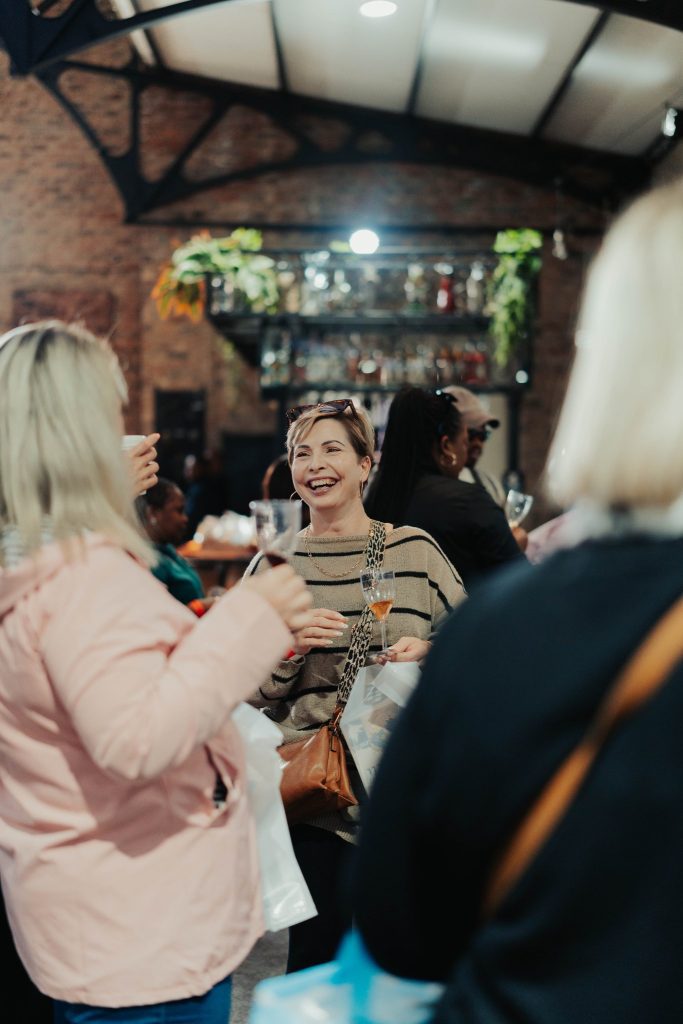
By Saturday afternoon, the courtyard was full. A diverse crowd lingered at fermentation talks, with tasting masterclasses providing insights into tannin structure, malolactic fermentation and sustainable viticulture. The FoodBev Manufacturing SETA co-sponsored learning stations that explored the link between agriculture, youth employment and wine economics.
Local eateries activated the space with seasonal pairings. Duck spring rolls were served with a dry rosé from Zarion by SV Wines. Kudu bites were paired with an oaked Chenin Blanc. These combinations were not gimmicks. They were calibrated presentations that reinforced the complexity and accessibility of local wine profiles.
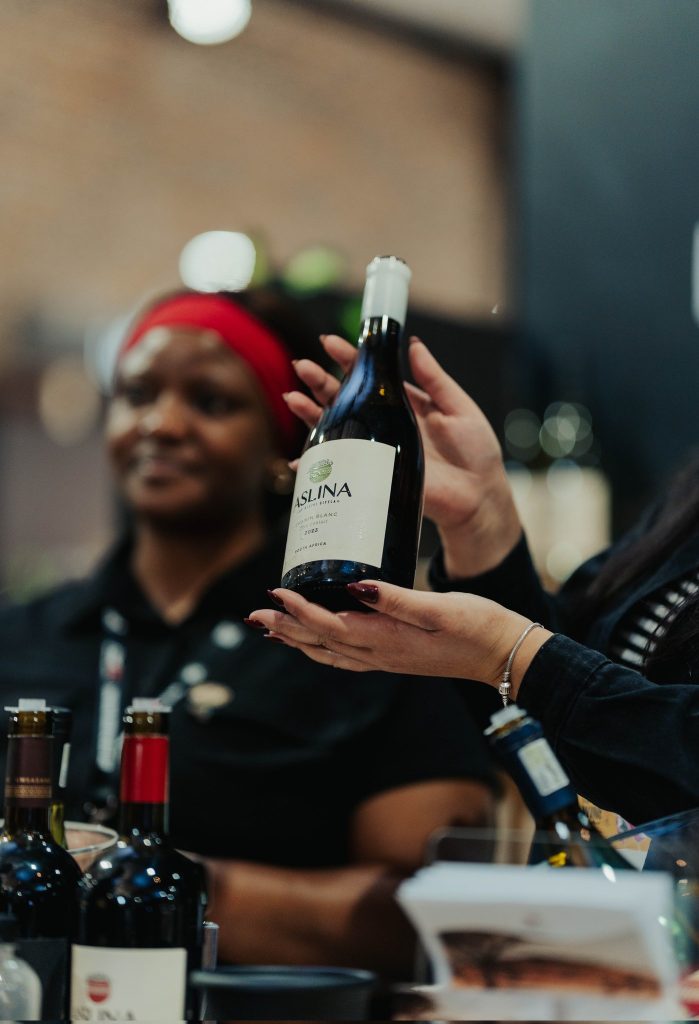
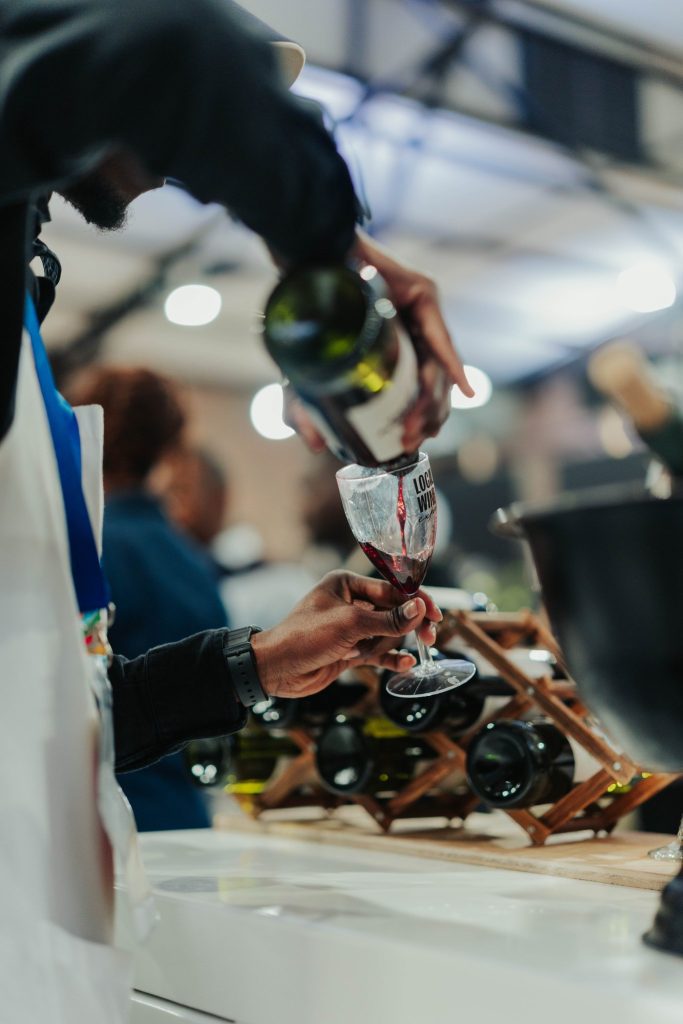
The crowd was not limited to wine insiders. Alongside sommeliers and restaurateurs were weekend explorers, first-time tasters and returning visitors. All were drawn by the promise of quality local offerings. Attendee registration, made available free via Tixsa, saw a reported 30 percent increase from 2024, indicating rising demand and brand credibility.
Industry Impact: Measured, Material, Inclusive
The Local Wine Expo, now in its fourth year, carries weight as both an industry calendar highlight and a practical intervention in market access. As Bizcommunity and Soweto Life Magazine reported, nearly 70 percent of participating exhibitors were black-owned or women-led enterprises. For these producers, the opportunity was not about visibility for its own sake. It was about pipeline access, brand positioning and long-term business development.
That effort is producing results. Three producers confirmed post-expo purchase orders from boutique stores in Johannesburg and Cape Town. Others secured pre-orders for the December season. The Proudly SA initiative, supported by the Department of Trade, Industry and Competition, announced plans to scale the programme further in 2026 through formalised retail partnerships and export support mechanisms.
Final Word
The 2025 Local Wine Expo did not rely on spectacle. It delivered something more substantial. It provided a blueprint for authentic wine industry transformation through inclusion, strategy and meaningful economic participation.
Wine is an economic asset. The producers who exhibited understood that. So did the buyers. So did the public. And for three days in Midrand, the message was clear. South African wines are not aspiring to global imitation. They are defining their own path, informed by land, leadership and vision.