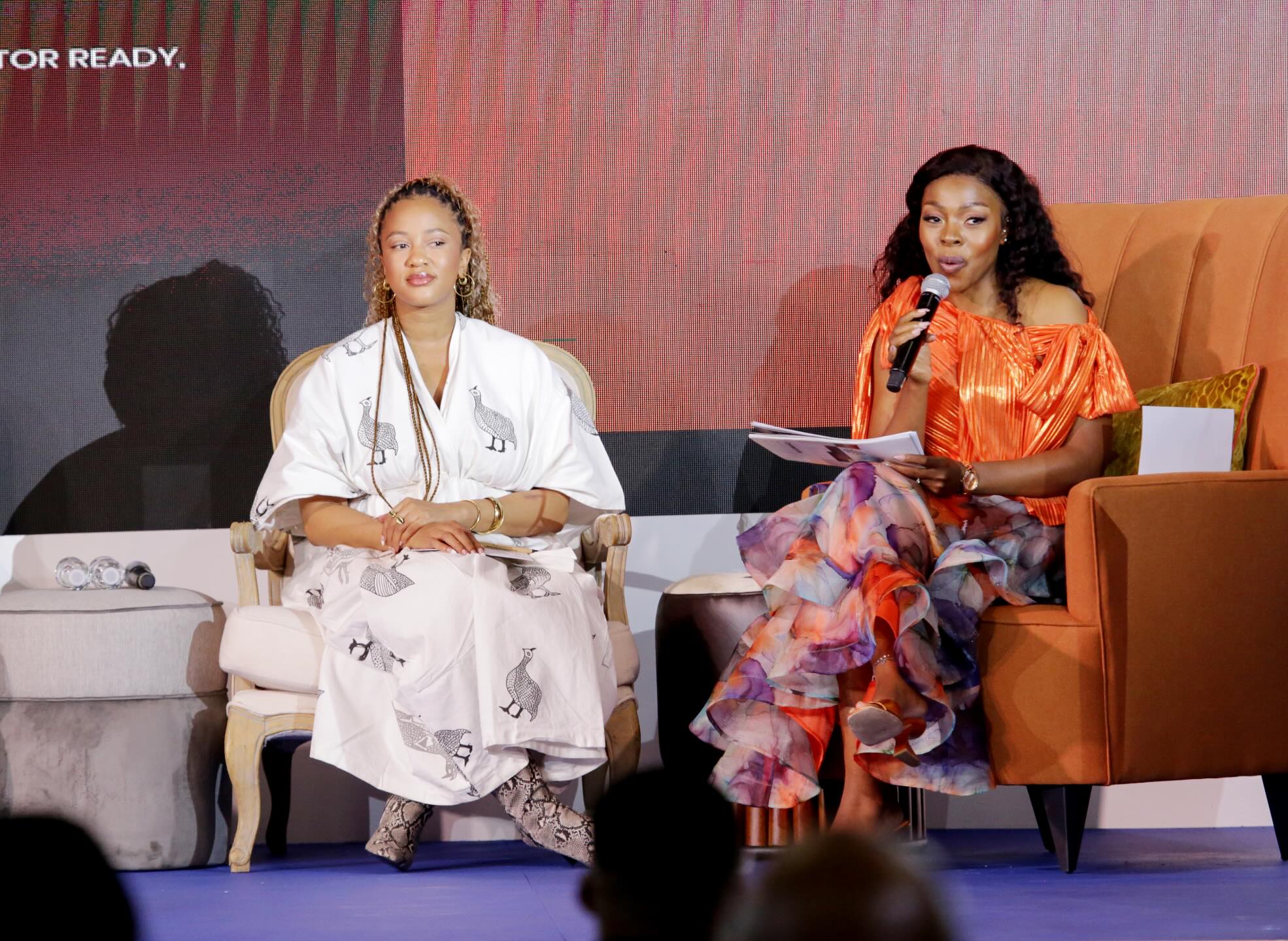
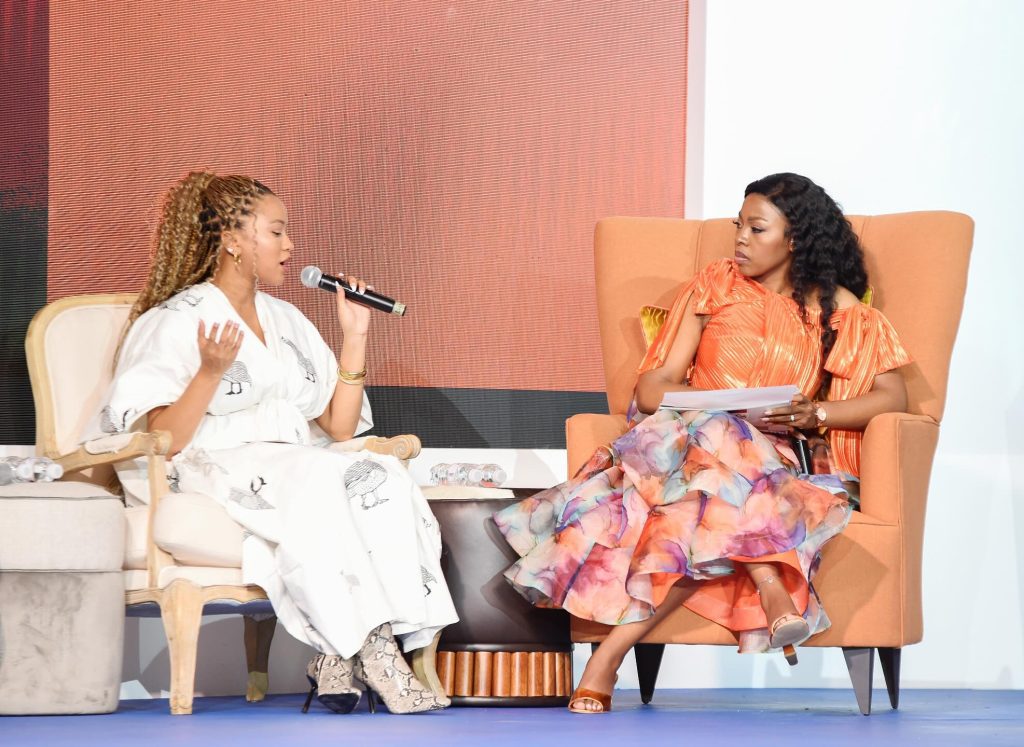
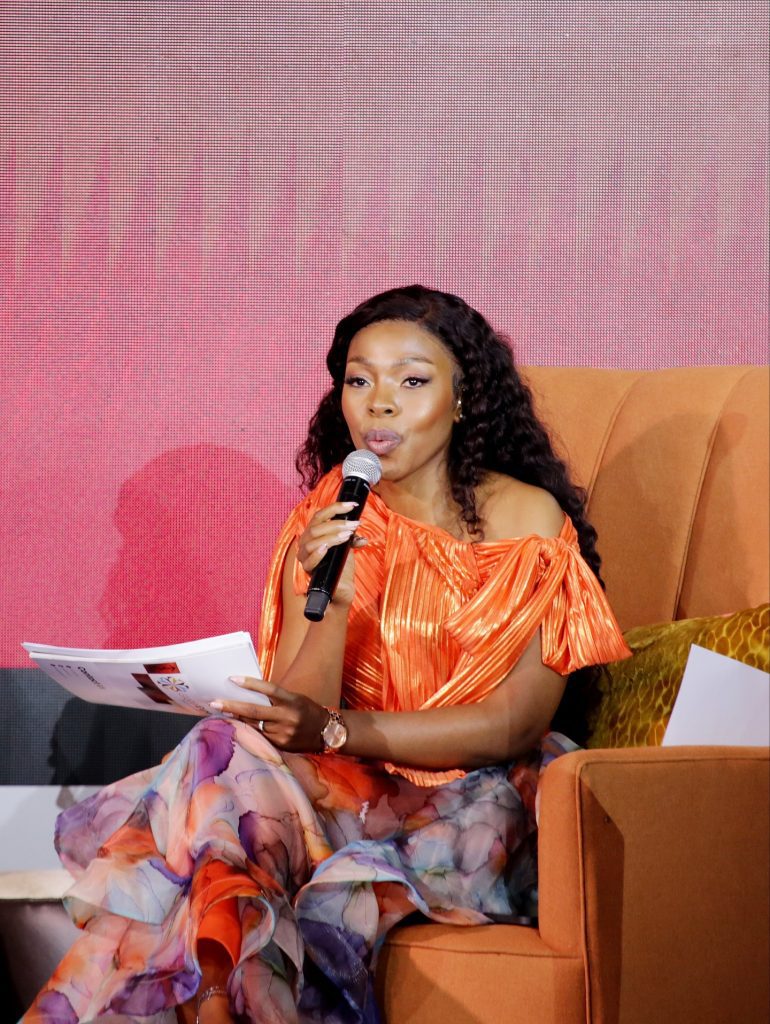
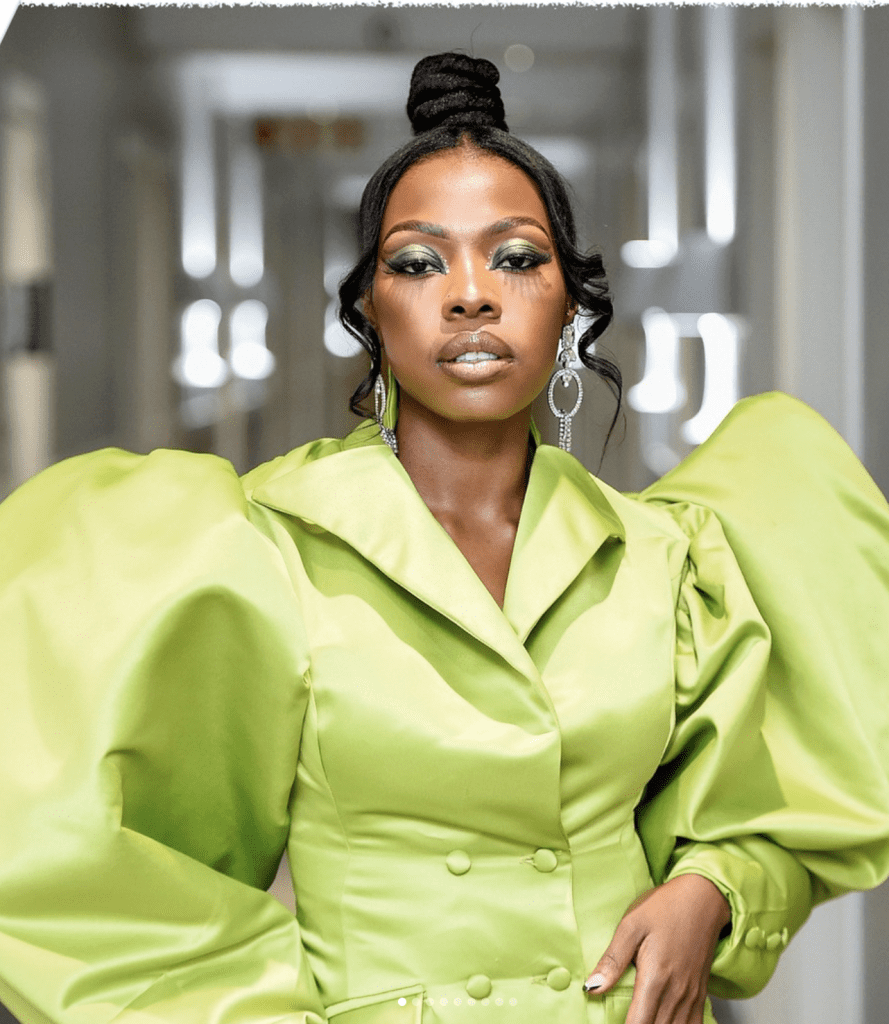
Botswana’s creative industries are on the brink of transformation — and few voices articulate this evolution as clearly as Samantha Mogwe, the multidisciplinary artist and broadcaster using her platform to unpack the missing link between talent and structure in Africa’s creative economy.
In a recent six-part reflection shared on Threads, Mogwe positioned the creative economy not merely as an artistic pursuit but as an integrated ecosystem of business, technology, and policy. She cites that Africa’s creative industries generate more than USD 58 billion annually and employ nearly 5 million people, according to UNESCO’s Creative Economy Report. This figure underscores the immense potential of Africa’s cultural capital as a driver of sustainable development, digital innovation, and regional competitiveness.
A Sector Outpacing Expectations
In Botswana, where Mogwe’s voice resonates across airwaves through her midday show on Gabz FM, the creative sector already contributes approximately 3.1% of national GDP and accounts for 6.2% of total employment — surpassing the agriculture sector in job creation, according to Statistics Botswana. Yet, as Mogwe notes, the sector’s full potential remains “undervalued and undercounted.”
Her assessment mirrors growing calls for Botswana to formalise its creative industries through policy alignment, data collection, and investment frameworks that recognise the creative economy as both a soft power asset and a hard economic engine.
Beyond Artistry: Building Systems
“The gap lies not in talent — but in systems,” Mogwe wrote, pointing to the need for project management, intellectual property protection, digital distribution, and cross-sector collaboration. This sentiment echoes findings from the UNCTAD Creative Economy Outlook (2022), which identified the absence of coherent institutional structures as one of the main barriers limiting creative exports from developing economies.
Botswana’s creative professionals — from fashion designers and filmmakers to digital content producers — are increasingly interfacing with global markets. However, without standardised funding mechanisms, export support, or copyright infrastructure, their growth remains fragmented. Mogwe’s advocacy therefore situates itself at a crucial intersection: where creativity must meet policy, and inspiration must be backed by implementation.
A Holistic Creative Philosophy
Known not only as a singer-songwriter but also as a wellness advocate and She Leads Africa collaborator, Mogwe embodies what she calls the “holistic creative” — a professional who integrates emotional well-being, discipline, and enterprise into her artistic practice. Her emphasis on structure does not diminish artistry; it anchors it.
By framing Botswana’s creatives as part of a continental value chain that links art, education, business, and innovation, Mogwe is helping to reimagine the creative sector as a legitimate development pillar — one capable of driving export diversification and national branding.
The Road Ahead
As Botswana pursues its Vision 2036 goals for a knowledge-based economy, voices like Mogwe’s will be vital in shaping policies that enable creatives to scale sustainably. Her call for systems thinking challenges policymakers, investors, and artists alike to see creativity not as a pastime but as a strategic industry.
The creative economy’s future, she reminds us, lies not only in who creates — but in how we build around those who do.
Follow Samantha Mogwe’s reflections and projects via @samanthamogwe and explore her latest work through ffm.to/jrpaxav.