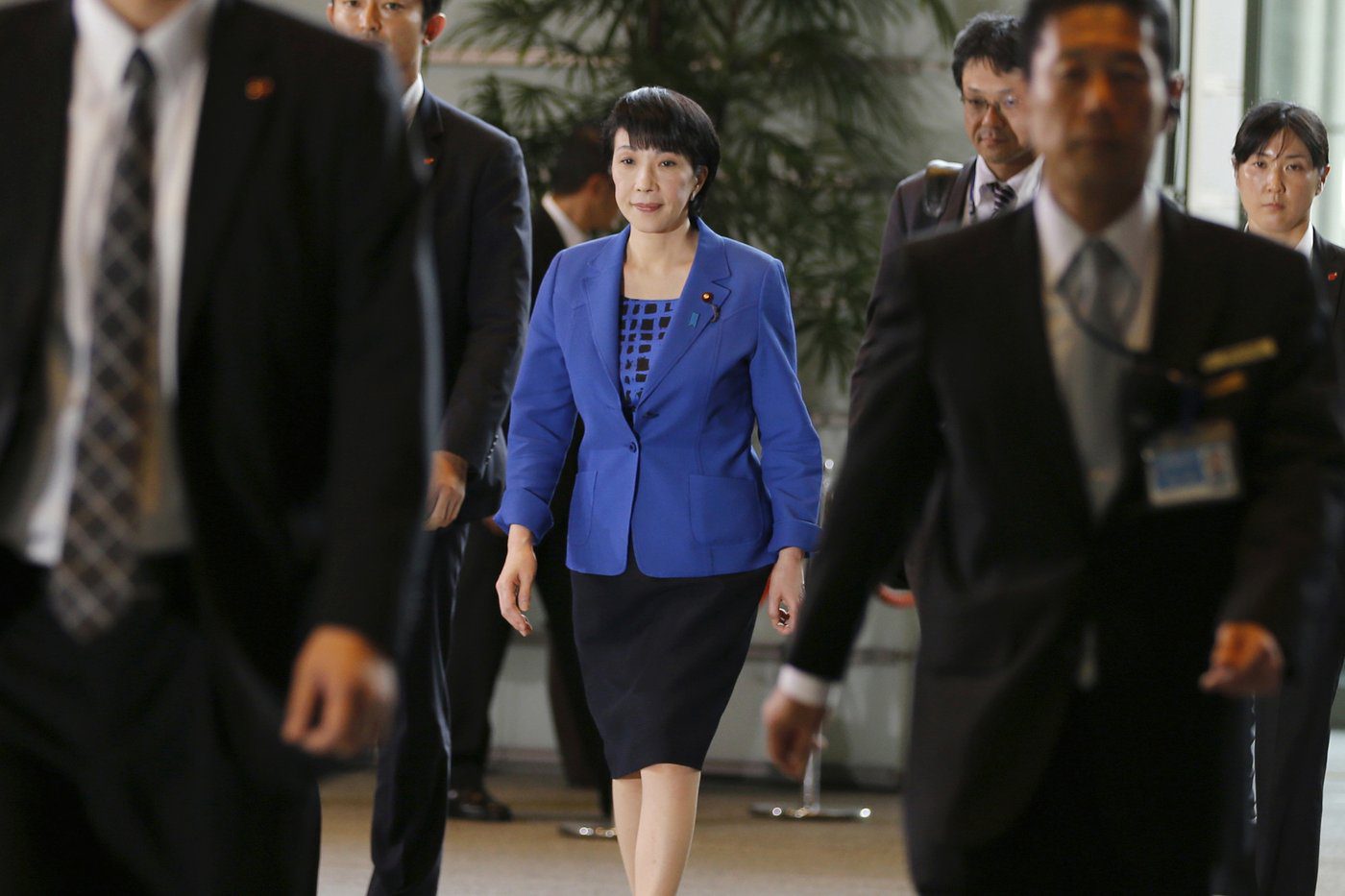
Japan stands at the threshold of a historic political transformation as Sanae Takaichi becomes leader of the ruling Liberal Democratic Party, positioning her to become the country’s first female prime minister. Her victory on 4 October 2025 represents both a symbolic breakthrough for women in Japan’s male-dominated political system and a return to the conservative policies that have defined the party for decades.
Takaichi, 64, secured 185 votes to Shinjiro Koizumi’s 156 in the second-round runoff after Prime Minister Shigeru Ishiba’s resignation last month triggered a leadership contest. The LDP, which has governed Japan almost continuously since 1955, must now rebuild its public credibility after a year marked by corruption scandals and the loss of its majority in both parliamentary houses.
Her leadership comes in a nation that ranks 163rd out of 185 countries for women’s political representation, according to the Inter-Parliamentary Union, with women occupying barely 16 percent of seats in the lower house. That context renders her rise historic, even as her conservative record complicates feminist enthusiasm.

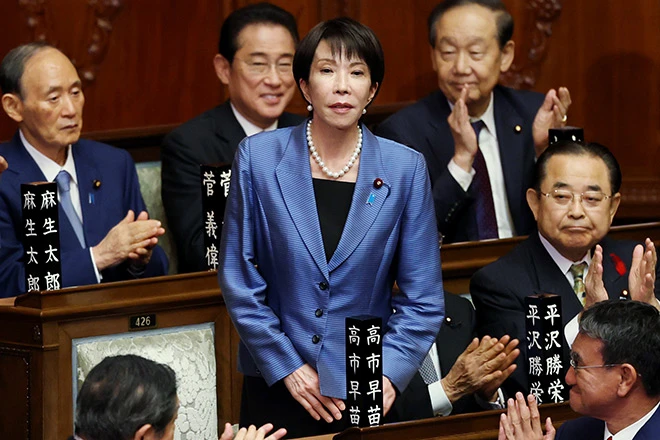
A self-described “hard-line conservative,” Takaichi reveres Margaret Thatcher and maintains close ideological ties with the late Shinzo Abe, Japan’s longest-serving leader. Her platform emphasises national security, constitutional revision and economic revival, drawing both praise and concern. Beijing and Seoul have already signalled unease over her commitment to revising Japan’s pacifist constitution and strengthening maritime defences.
Yet her ascent holds profound gender significance. In a society where long work hours, rigid corporate hierarchies and traditional family expectations still constrain women’s leadership, Takaichi’s win challenges entrenched norms. Analysts note that it expands Japan’s notion of female authority, even if her policies diverge from liberal feminist priorities.
Her first address as party leader struck a tone of determination rather than celebration. “There is a mountain of work we must all tackle together,” she told supporters, pledging to “transform people’s anxieties into hope.” That message reflects her intent to re-energise the LDP’s grassroots base and restore confidence in political institutions.
Takaichi also inherits a complex diplomatic agenda. She must navigate the yet-to-be-finalised U.S.–Japan trade agreement, concluded in July 2025 under the Trump administration. The deal imposes a 15 percent U.S. tariff on Japanese auto exports, which are vital to Japan’s economy, and commits Tokyo to invest $550 billion in the U.S. While hinting at renegotiation, she vowed to uphold bilateral commitments. “I will firmly adhere to the agreement reached between our two countries,” she said.
The LDP’s internal dynamics reveal how she prevailed. In the first round, five candidates split the vote: Takaichi with 183, Koizumi 164, and government spokesperson Yoshimasa Hayashi 134. Rank-and-file members overwhelmingly backed Takaichi, while lawmakers leaned toward Koizumi. That divide underscores her populist appeal among grassroots conservatives and her resonance with women outside Tokyo’s elite political circles.
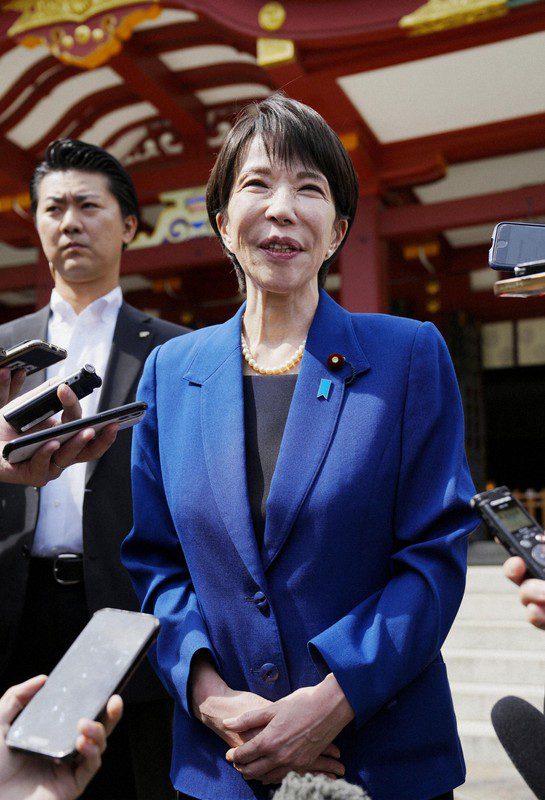
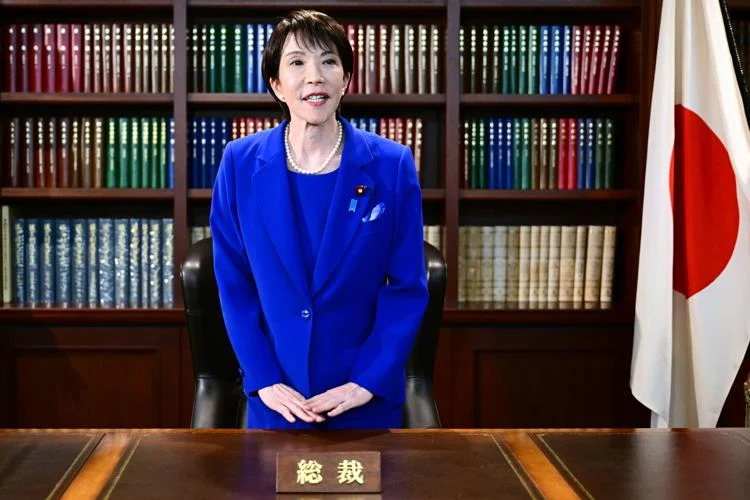
Her rise also mirrors a broader global pattern in which conservative women such as Italy’s Giorgia Meloni and Britain’s Liz Truss have broken gender barriers without necessarily advancing feminist reform. For Japanese women, however, symbolism matters. Even without structural gender reform, the image of a woman leading the world’s fourth-largest economy challenges decades of political exclusion.
If confirmed by parliament later this month, Takaichi will take office facing slowing growth, demographic decline and regional instability. Whether her premiership ushers in meaningful gender progress or remains a conservative milestone will depend on how she governs and how Japan’s electorate responds to a woman wielding power on her own terms.
Her election is, undeniably, a moment of national reckoning. It affirms that Japan’s political glass ceiling can be broken, even from within the right wing of power. Whether that breakthrough deepens into transformation will determine how history remembers Sanae Takaichi’s name.