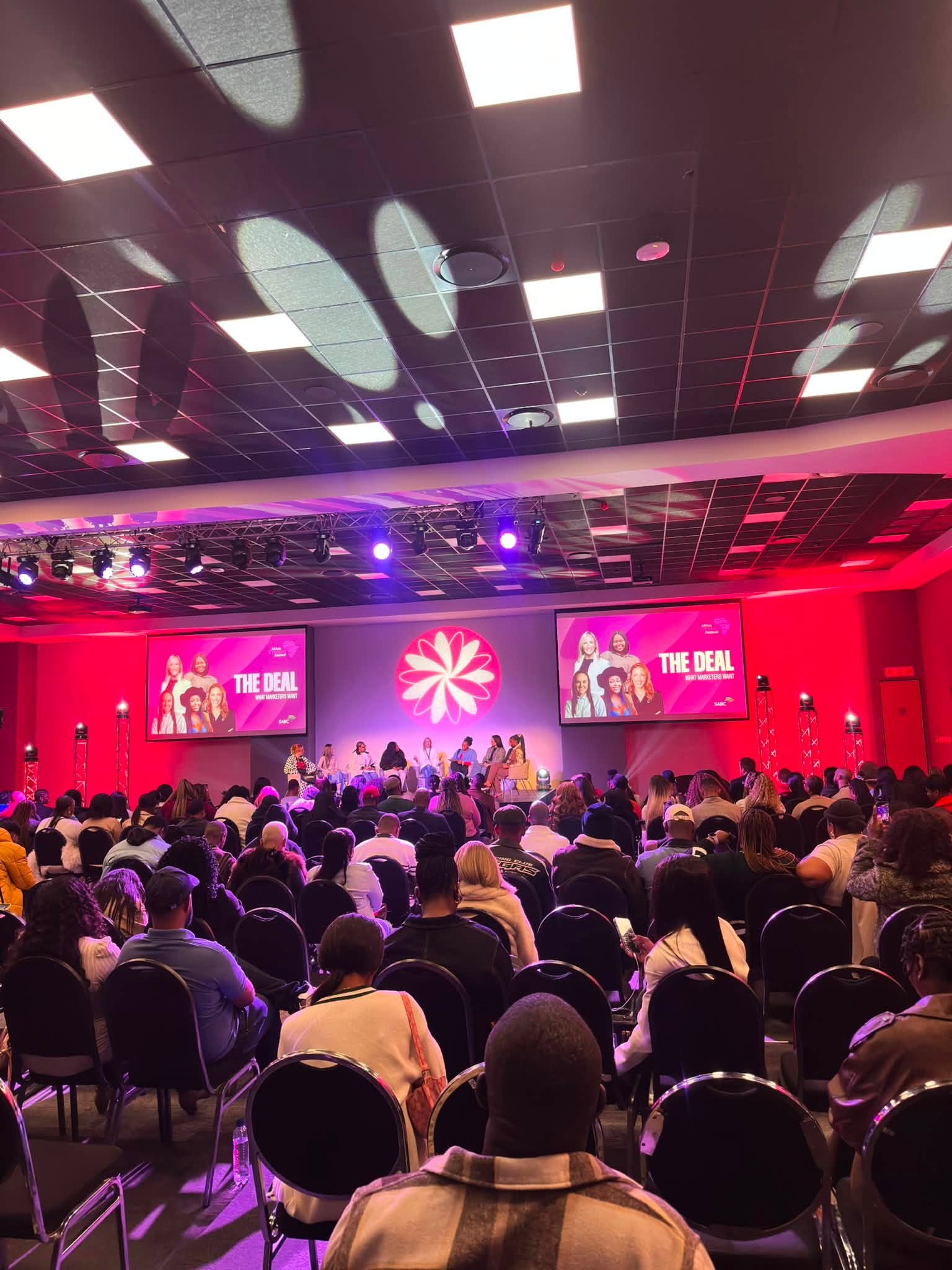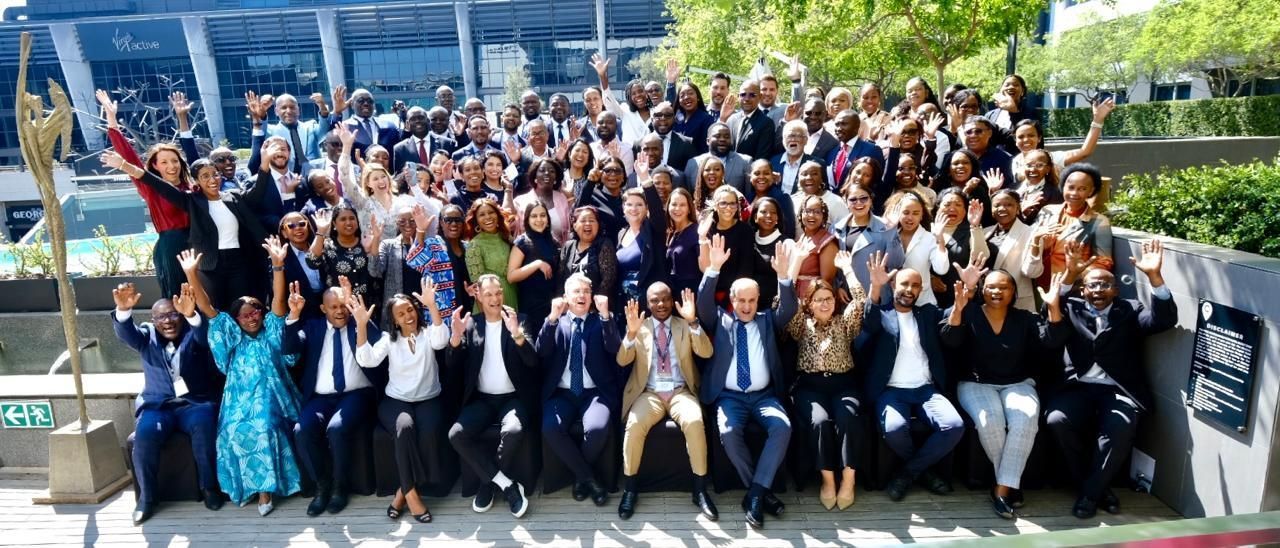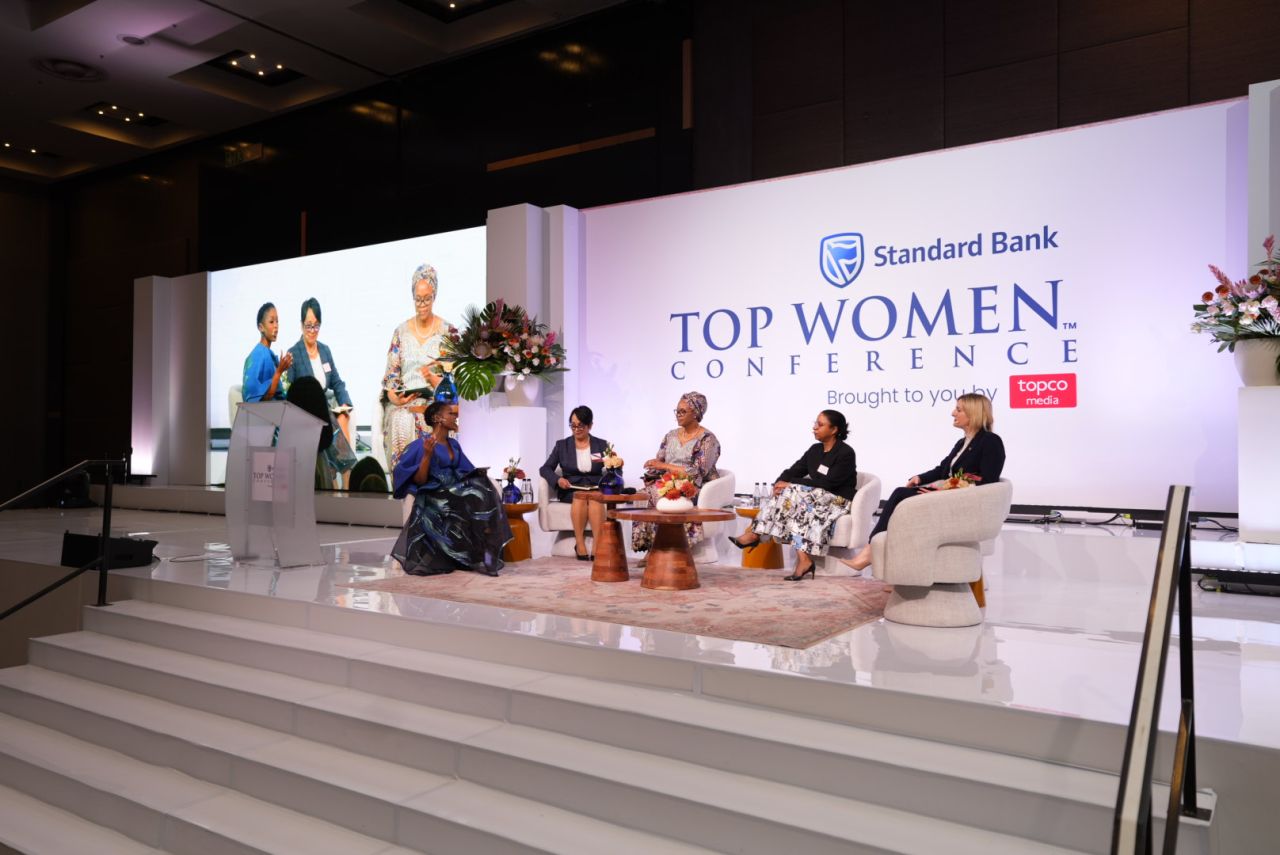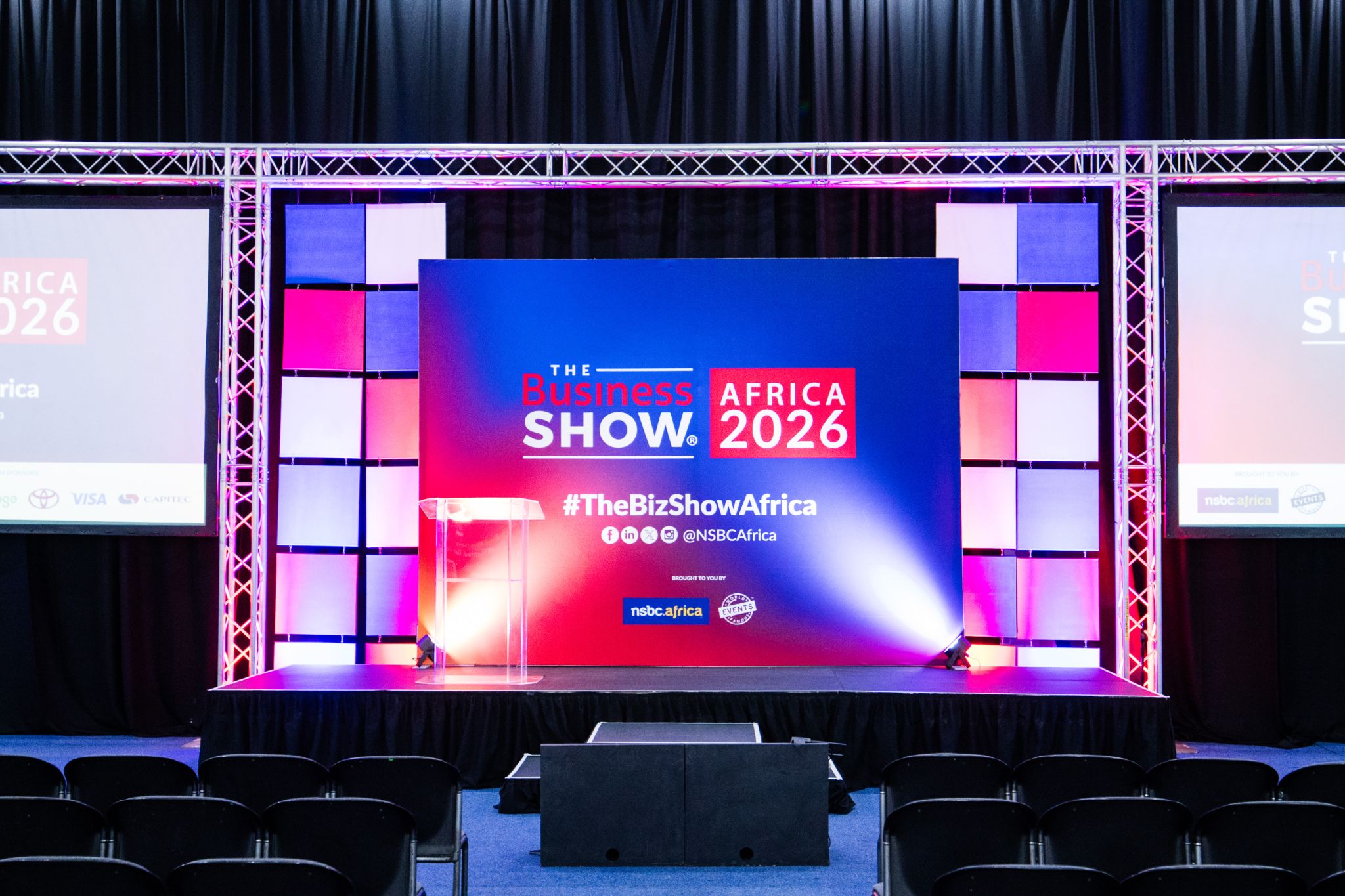
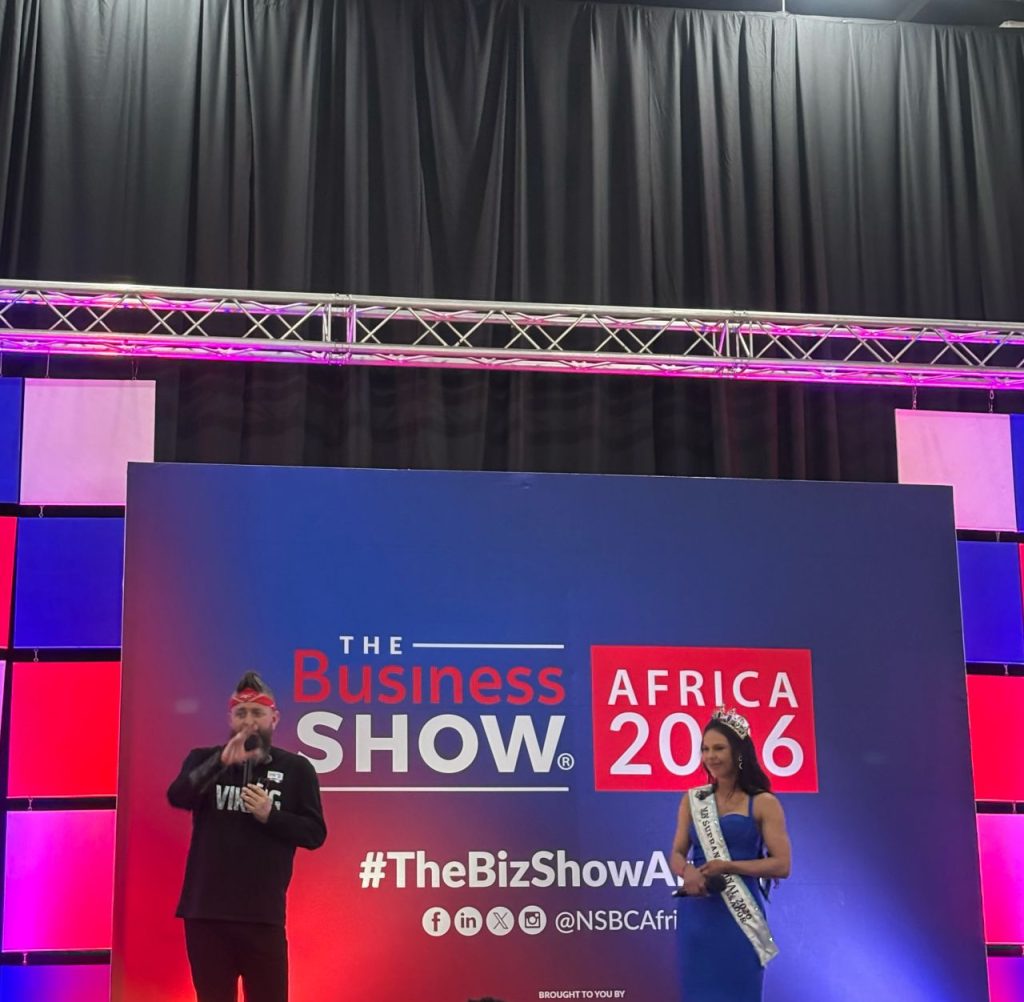
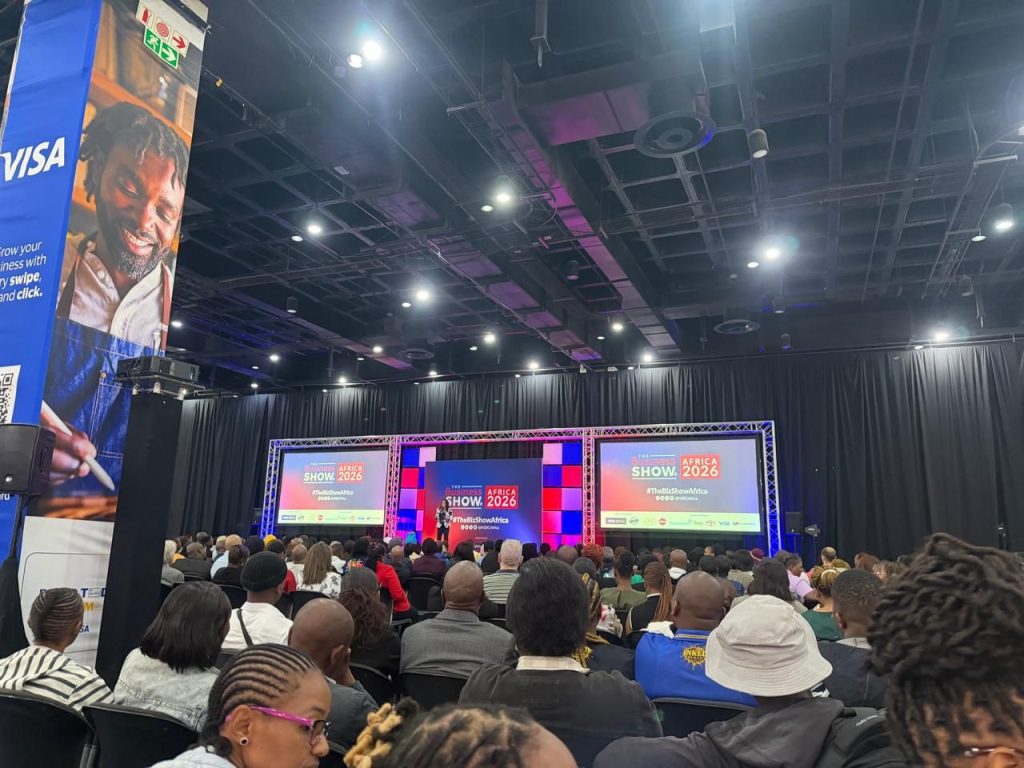
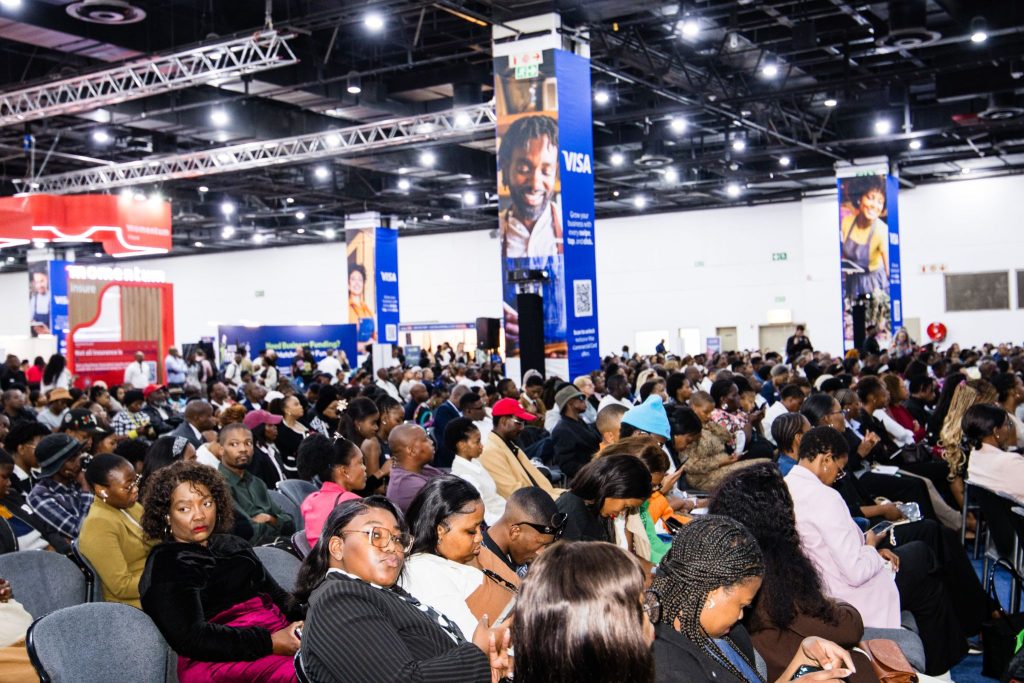
JOHANNESBURG. For two days on 2–3 September 2026, the Sandton Convention Centre filled with the particular noise of a room full of people trying to build something: pitch conversations at speed-networking tables, exhibitor stands stacked three-deep, seminar rooms spilling into the aisles. The Business Show :: Africa, now in its 18th edition and organised by the National Small Business Chamber (NSBC Africa), drew a crowd industry trackers put at close to 20,000 attendees and around 200 to 250 exhibitors, making it one of the largest annual gatherings of SME owners and decision-makers on the continent.
The headline draw this year was Access to Finance™, a new NSBC Africa initiative launched at the show with the Companies and Intellectual Property Commission (CIPC) as national partner and TransUnion Africa as exclusive credit bureau partner, designed to streamline how small businesses find and qualify for funding. NSBC Africa, a non-profit founded in 2007, says its membership base now exceeds 234,000 SMEs, giving the event institutional reach well beyond a typical trade show.
But threaded through the wave of celebratory LinkedIn recaps that followed the show, CEOs thanking booth visitors, agencies posting behind-the-scenes reels, recruiters counting new leads, was a quieter, more pointed conversation: does South Africa’s SME sector actually have a path to the AI and cloud tools that are reshaping enterprise business right now?


Mike Anderson: Moving SME finance from aspiration to infrastructure
The event opened with Mike Anderson, Founder and CEO of the National Small Business Chamber (NSBC) Africa, whose career has been closely associated with building platforms around entrepreneurship and SME development.
Anderson founded the NSBC in 2007 after identifying the need for greater investment and structured support for South African small businesses. Over more than 18 years, the organisation has developed into a substantial SME ecosystem focused on connecting entrepreneurs with knowledge, partnerships, funding and business opportunities. NSBC describes Anderson as an entrepreneur, international speaker and author whose work centres on entrepreneurial development and helping business owners build sustainable enterprises.
At The Business Show Africa, Anderson’s opening session, “South Africa’s Entrepreneurial Future: A New Era of Access to Finance, Opportunity and Sustainable Business Growth,” was also the launch platform for Access to Finance™, an initiative developed by NSBC Africa in partnership with TransUnion Africa.
The significance of the initiative extends beyond another funding marketplace. Its proposition is to make the funding journey more structured: helping SMEs understand what financing they require, improve funding readiness and connect qualifying businesses with participating funders whose solutions correspond with those needs.
For a C-suite audience, the underlying message is important. Capital is not merely a product that businesses need to find. Fundability itself is becoming a business capability.
The launch therefore positioned finance access as part of the infrastructure required to move businesses from survival and informal growth towards more sustainable commercial expansion.
Mavis Nyatlo: Intellectual property as a balance-sheet conversation
The intellectual property discussion brought a different dimension to the growth equation.
Dr Mavis Nyatlo, Divisional Manager for Innovation Support and Protection at the Companies and Intellectual Property Commission, combines a scientific background with extensive experience in intellectual property management, technology transfer and innovation policy. Her career has included work in medical technology before moving into South Africa’s innovation and intellectual-property policy environment. Her published CV records positions within the Department of Trade and Industry, the Department of Science and Technology and the National Intellectual Property Management Office, alongside her academic work in technology and innovation management.
Her academic credentials include a PhD in Management of Technology and Innovation, an MSc in Technology Management and an LLB. Her professional work has also intersected with WIPO’s intellectual property programmes, including training and knowledge-sharing around patents, trade marks, designs and IP management.
At The Business Show Africa, Nyatlo addressed “Protect Your Ideas. Build a Stronger Business. How Intellectual Property Can Drive Growth, Value and Competitive Advantage.” The official programme positioned the session around a fundamental commercial question: how businesses can transform ideas and innovation into protected assets capable of supporting growth and competitive advantage.
That framing is particularly relevant to an economy increasingly driven by brands, software, creative assets, proprietary processes, data and innovation.
For executives, the implication is straightforward: intellectual property should not be treated solely as a legal protection mechanism. It can form part of the architecture of enterprise value.
That becomes particularly important as SMEs seek investment. A company whose brand, technology, designs, content, processes or innovations are properly identified and protected can present a substantially different proposition to a company whose most valuable assets exist only as ideas in the founder’s head.
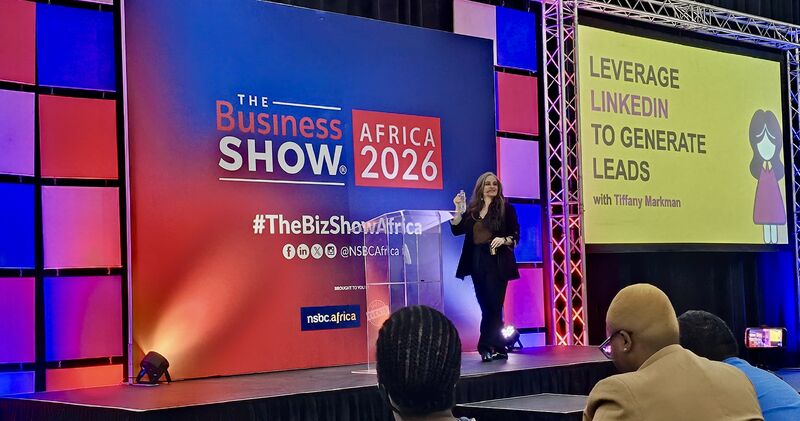
Thashvir Surajbali and Christine Masaiti: Growth requires more than a funding cheque
The conversation then moved from accessing capital to what happens after capital arrives.
Thashvir Surajbali, a payments and financial-services executive at Visa, brings extensive experience in digital financial services and commercial payments. His professional development includes an Oxford Executive Leadership Programme, INSEAD’s Strategy in the Age of Digital Disruption, Certified Scrum Product Owner training and Visa’s own payments management programme. His career has included work around digital transformation, payments and financial-services innovation.
His presence at the event reflected the increasing convergence between payments infrastructure, digital commerce and SME growth. Surajbali has also been involved in payment initiatives across African markets, including Visa’s work around digital payment ecosystems and commercial solutions.
Joining him was Christine Masaiti, Founder and CEO of Grandstage Trading.
Masaiti’s career spans financial services, manufacturing, business development and sustainability. She began her career at Old Mutual Zimbabwe and subsequently worked in South Africa’s financial-services sector, including roles at Liberty Life and Momentum. Her professional experience encompasses business transformation, strategy, client services, sales and marketing, research and development, innovation and project management.
Her entrepreneurial journey has since developed into a sustainability-led business model. Grandstage Trading has evolved from an LED lighting business into a clean-energy enterprise providing renewable-energy and energy-efficiency solutions. The company’s current work includes solar systems and a circular-economy model focused on extracting value from avocado waste.
Masaiti’s entrepreneurial record received significant recognition in 2025 when she was named the overall winner of Visa’s She’s Next South Africa competition, receiving a R450,000 grant for Grandstage Trading.
Her sustainability work has subsequently attracted international development support. UNIDO identifies Masaiti’s avocado-processing initiative as a zero-waste model producing avocado oil, seed powder, animal feed and biomass fuel while creating opportunities for rural farmers.
Their joint session, “Beyond Funding: What it Really Takes to Grow a Business,” therefore carried particular weight. It placed the financing question inside a broader operating context: partnerships, payment infrastructure, financial tools, leadership, market access and execution.
The lesson for executives is that capital can accelerate a business, but it cannot substitute for an operating model.
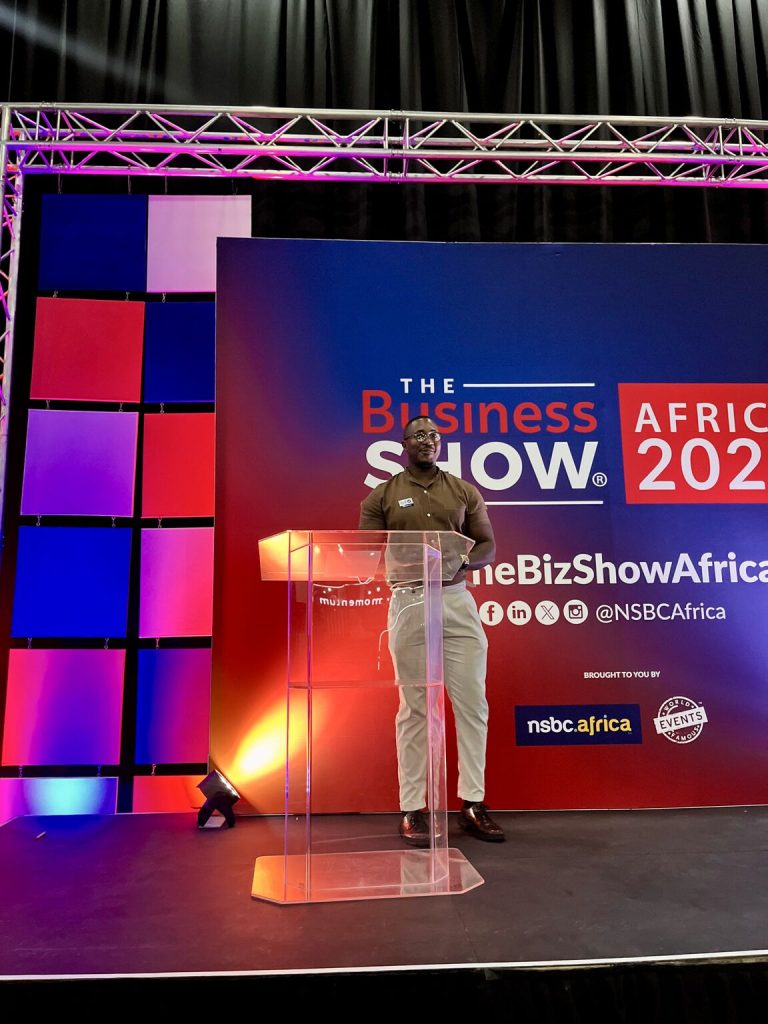
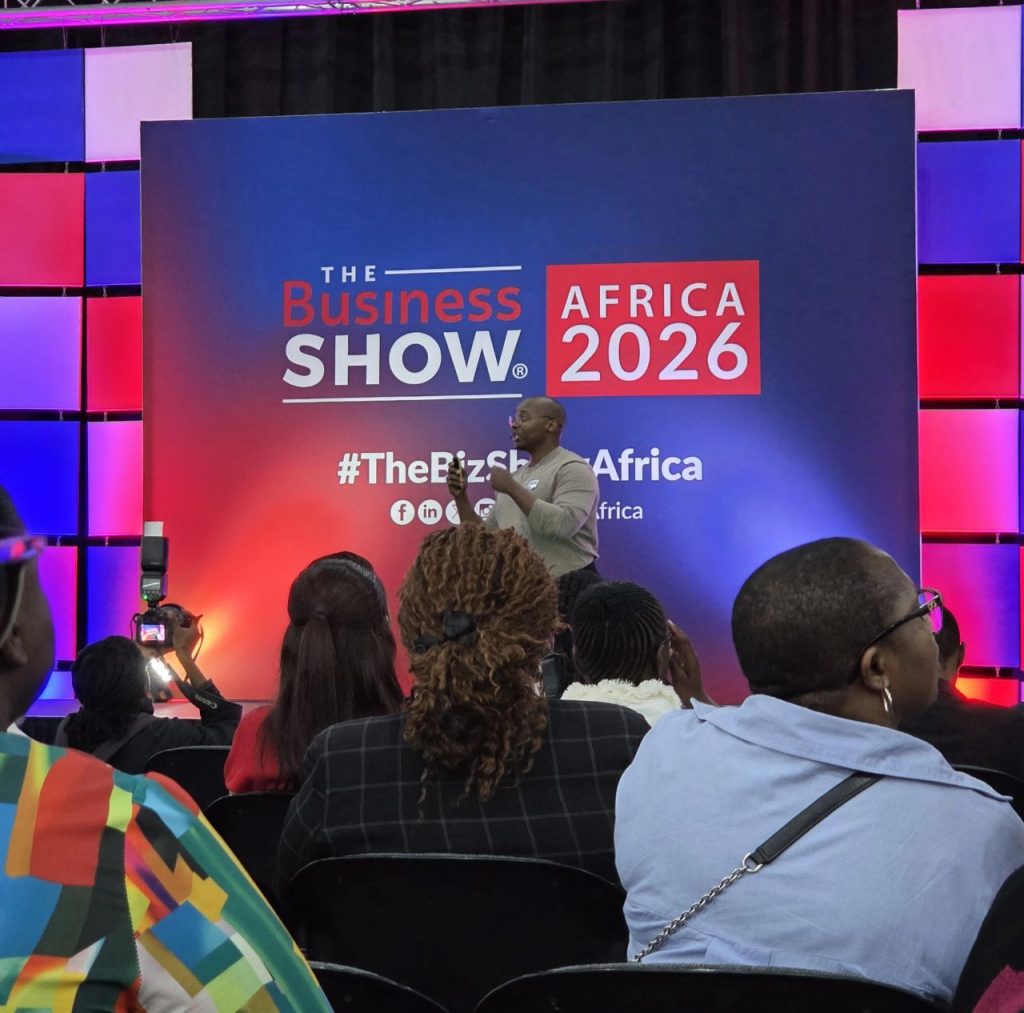
Brian Mahlangu: AI moves from experiment to banking infrastructure
If access to capital represented one side of the show’s growth conversation, technology represented another.
Brian Mahlangu, Head of Digital Commercialisation for Business Banking at Absa, brought a banking-sector perspective to one of the most consequential technological shifts facing SMEs: the integration of artificial intelligence into everyday financial services.
Mahlangu’s career includes a substantial track record in retail and business banking. His professional record includes multiple Nedbank achievement awards, including Top Achiever and Retail & Business Banking Achiever recognition, as well as the 2016 Standard Bank Rising Star Award in the financial and banking sector. He also served as President of the Nedbank Channel Synergy Social Responsibility organisation and previously led University of Johannesburg Enactus South Africa.
His current role at Absa places him directly at the intersection of digital products, commercialisation and business banking. He has also addressed AI and digital innovation in the franchise sector, demonstrating that his remit extends beyond conventional banking products into the practical application of technology to business models.
At The Business Show Africa, Mahlangu presented “The Future of Business Banking Is Here.” The session examined AI’s potential to change how SMEs interact with financial institutions, from lending and onboarding to payments, fraud prevention, cash-flow forecasting and personalised financial insights.
The strategic implication is significant.
For SMEs, AI in banking is not simply about using a chatbot or automating a customer-service interaction. It points towards a financial environment in which businesses could increasingly receive proactive intelligence rather than simply transactional banking services.
Credit decisions can become faster. Financial patterns can be analysed earlier. Fraud can potentially be identified before losses escalate. Cash-flow information can become more actionable. And financial products can become more closely aligned with the actual behaviour and circumstances of a business.
Mahlangu’s contribution therefore positioned AI not as a peripheral technology trend, but as a potential transformation of the relationship between banks and the businesses they serve.
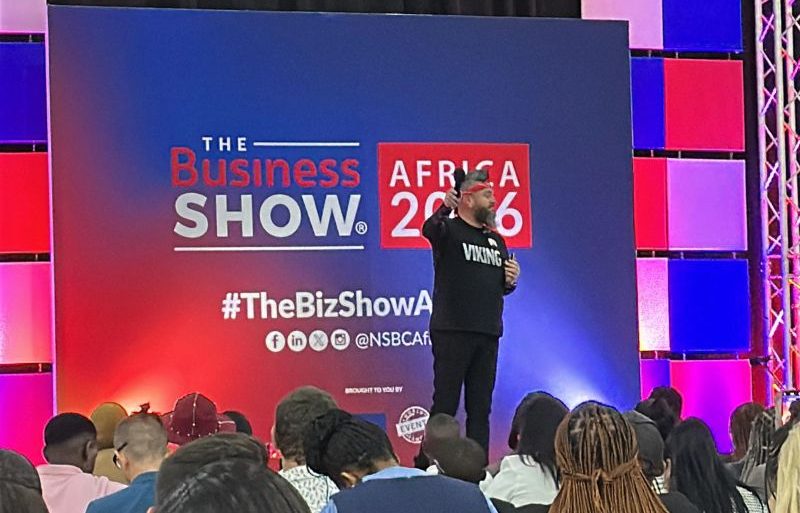
Sebastian Phyfer: Automation should create capacity, not simply replace activity
On the second day, Sebastian Phyfer, Sales Director for Sage Africa and the Middle East, extended the technology conversation into the operational reality of running a small business.
Phyfer’s career has developed across sales, e-commerce and digital business environments. His professional profile describes a strong focus on conversion and commercial performance, while his earlier experience included regional sales leadership and management of financial advisers at national level. He has also completed leadership and team-development programmes through SABPP and studied digital and online marketing, photography and design at WITS Technikon.
His session, “AI, Automation and the Future of Small Business Growth,” addressed one of the central problems facing SMEs: how to grow without allowing administration, compliance and operational complexity to consume the organisation.
The official programme placed the discussion around doing more with less through AI, automation and cloud technology.
That distinction matters.
For a five-person company, automation is not primarily an abstract productivity metric. It can determine whether the founder spends Monday morning reconciling accounts, responding to repetitive administrative queries and chasing paperwork, or concentrating on customers, strategy and revenue.
The more sophisticated proposition is therefore not “AI replaces people.”
It is “AI changes what people are able to spend their time doing.”
That is a much more consequential proposition for SMEs, where every hour of senior management capacity has an economic value.
Five perspectives, one emerging business model
What made these sessions particularly relevant together was the way they connected five issues that are often discussed separately.
Finance. Anderson’s Access to Finance™ initiative addressed the structural problem of connecting SMEs with appropriate funding.
Intellectual property. Nyatlo reframed ideas, brands and innovation as assets requiring deliberate protection and commercial management.
Payments and operating resilience. Surajbali and Masaiti brought the conversation closer to the realities of transactions, partnerships, infrastructure and execution.
Financial intelligence. Mahlangu showed how AI could change the relationship between SMEs and their banks.
Operational productivity. Phyfer addressed the internal machinery of the business: automation, cloud technology and the ability to scale without proportionately increasing administrative burden.
Seen together, these themes suggest a more mature definition of SME growth.
The next generation of competitive businesses will not necessarily be those with the largest teams or the most capital. They may be the businesses that can convert data into decisions, intellectual property into value, technology into capacity and relationships into commercial opportunity.
That is a considerably more demanding proposition than simply “going digital”.
It requires business leaders to understand their assets, their data, their financial position and their operating model well enough to deploy technology strategically.
The sector’s real bottleneck: scale, not ideas
A separate but related theme surfaced repeatedly in the post-show commentary: South Africa’s problem isn’t a shortage of entrepreneurial ambition, it’s the difficulty of scaling past the early stage. One fintech-sector attendee, working in commercial payments at Visa, put it bluntly: the country doesn’t have an SME sector problem, it has an SME scale problem. Founders aren’t short on ideas; they’re short on time, much of it consumed by payment chasing, admin and cash-flow anxiety rather than growth work.
That framing dovetails with the digital-divide concern. If AI’s near-term value for a small business is mostly about compressing admin and repetitive work, the exact friction points founders describe, then the practical, low-cost AI tooling gap isn’t a side issue. It’s arguably the fastest lever available for solving the scale problem attendees say is the real constraint.
Other seminar threads reinforced the same “translation, not more technology” idea from different angles: sessions on strategic choice-making (built around the deceptively simple question, “what do you actually want?”), and on content and trust-building rather than pure visibility-chasing, all pointed toward the same conclusion. SMEs don’t obviously need more tools thrown at them; they need someone helping them choose and apply the ones that already exist.
What’s actually being built to close the gap
To be fair to the ecosystem, several exhibitors at the show were explicitly working on adjacent problems: digital identity and business verification (Datanamix), electronic signature and document workflow tools (SigniFlow), and IT infrastructure and automation services aimed at small and mid-sized operators (Connecting Africa, Jaggulas Consulting), all incremental steps toward digitising SME operations, even if AI-specific tooling for micro and small enterprises wasn’t the show’s centre of gravity.
The broader policy backdrop suggests momentum is building from the top down. Google’s July investment package, the Presidency’s involvement in the Cloud Summit, and NSBC’s own funding-access push all signal that South Africa’s institutions see AI and digitisation as strategic priorities for the SME economy. What the show surfaced, in the words of more than one attendee, is the missing middle: the market-linkage and practical-pathway layer that would let a five-person business actually reach the tools enterprise players are already deploying, before the Fourth Industrial Revolution becomes something that, once again, only companies with a transformation budget get to participate in.
The C-suite takeaway
The most important message emerging from The Business Show Africa 2026 was arguably not that SMEs need more technology or more funding.
It was that the components of growth are becoming increasingly interconnected.
A business needs finance, but it also needs to be finance-ready. It needs innovation, but innovation must be protected and commercialised. It needs digital tools, but technology must solve an actual operating problem. It needs AI, but AI must increase decision quality and organisational capacity rather than become another fashionable layer of complexity.
That places a different responsibility on the executive team.
The question is no longer simply:
“What technology should we adopt?”
It is:
“What capability are we trying to build, what business problem are we trying to solve, and how does that capability create measurable enterprise value?”
For Africa’s SME economy, that may ultimately be the more important conversation.