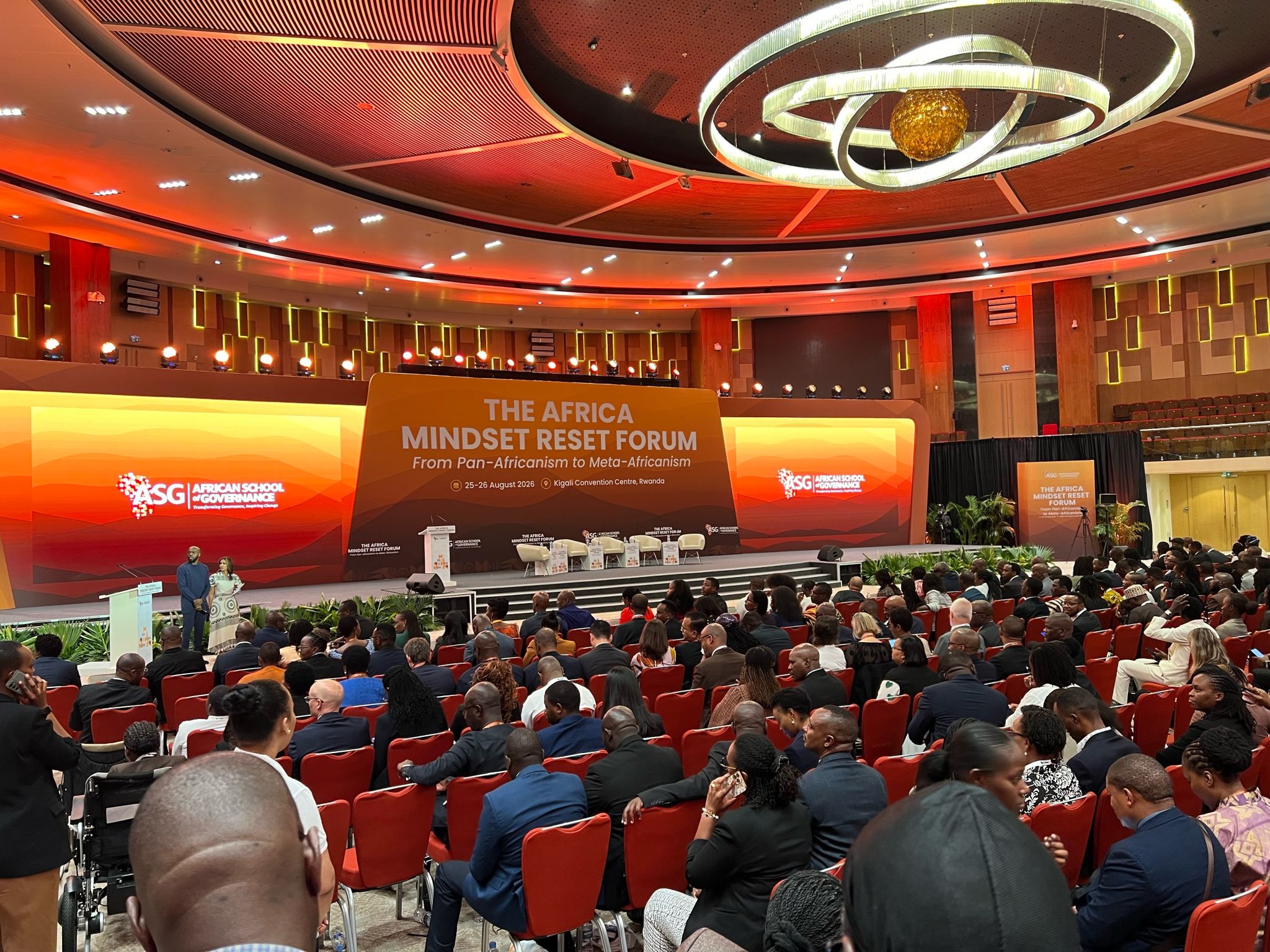
Africa’s growth story is increasingly being defined not only by the businesses it builds, but by the intangible assets those businesses create, control and commercialise.
Brands, technologies, designs, data-driven products, creative works, proprietary processes and other forms of intellectual property are becoming increasingly important sources of enterprise value. Yet across many African markets, IP is still approached primarily as a legal protection mechanism rather than as a strategic business asset.
That distinction matters.
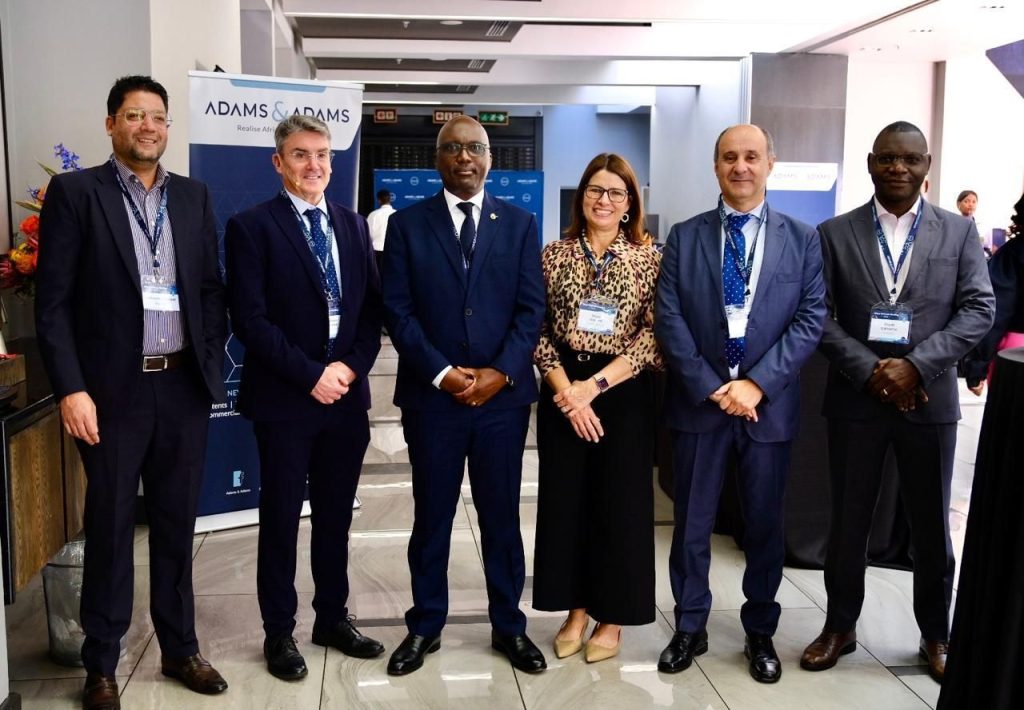
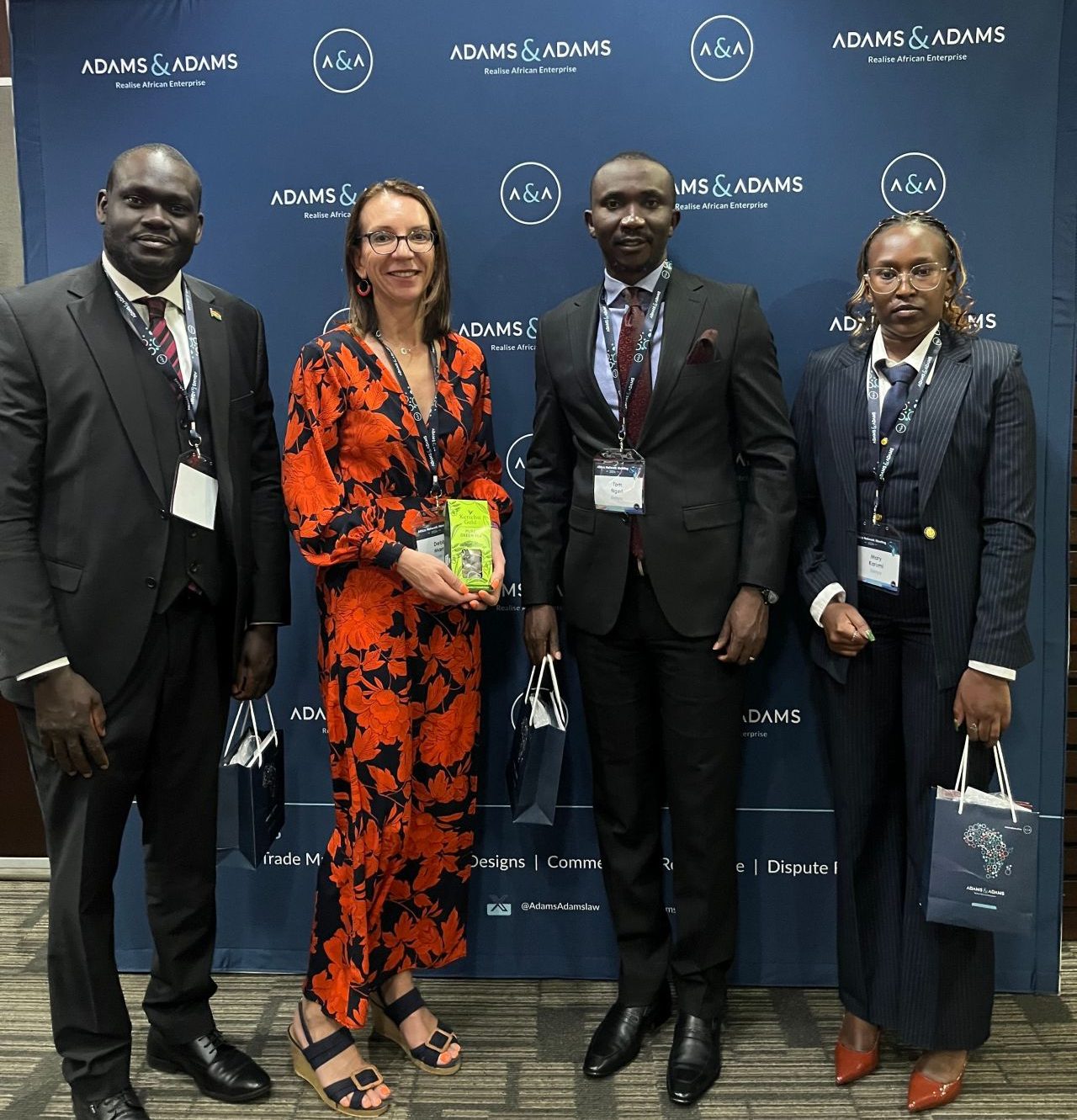
The 13th Africa Network Meeting, convened in Pretoria under the theme “Playing to Win: Building Advantage Through IP”, brought together IP professionals, partners and stakeholders from across the continent to examine the evolving role of intellectual property in African business. The meeting offers a useful lens through which to consider a broader question: how can African businesses use intellectual property not simply to defend what they have built, but to strengthen their competitive position, attract investment and expand across borders?

Moving IP from the legal department to the boardroom
For many organisations, intellectual property enters the conversation when there is a trademark to register, a patent to file, a copyright issue to resolve or an infringement dispute to manage.
A more sophisticated approach begins much earlier.
At board level, the relevant question is not simply whether an organisation owns IP. It is whether its intellectual property is aligned with its commercial strategy.
The World Intellectual Property Organization’s IP Strategy Checklist for SMEs makes this connection explicit, encouraging businesses to consider IP alongside commercialisation, freedom to operate, competitor monitoring, branding, portfolio management and internal governance.
A company entering a new African market, for example, may need to consider trademark availability, territorial protection, licensing structures, technology ownership, distribution arrangements and potential conflicts with existing rights before committing significant capital to expansion.
In this context, IP becomes part of market-entry strategy.


The same principle applies to investment. Investors increasingly assess the quality and defensibility of a company’s intangible assets alongside its financial performance. A recognisable brand without appropriate protection, proprietary technology without clear ownership, or commercially valuable content without adequate rights management can introduce material risk into an otherwise attractive business.
The strategic value of IP therefore lies not merely in ownership, but in the ability to convert ownership into defensible commercial advantage.
The African market requires an ecosystem approach
Africa is not a single IP market.
Businesses expanding across the continent encounter different regulatory environments, commercial realities, enforcement mechanisms, consumer markets and institutional structures. This complexity makes cross-border IP strategy considerably more nuanced than simply replicating a domestic approach across multiple jurisdictions.
The African Regional Intellectual Property Organization (ARIPO) is an important part of this regional architecture. Its mandate includes facilitating cooperation among member states in intellectual property matters and pooling resources to support technological, scientific and industrial development.
That institutional infrastructure matters to businesses operating across borders.
ARIPO administers several regional IP frameworks, including the Harare Protocol on patents and industrial designs and the Banjul Protocol on marks, illustrating how regional mechanisms can help businesses approach IP protection across multiple jurisdictions.
The Africa Network Meeting demonstrates why professional networks matter alongside formal institutions.
Bringing together professionals across diverse jurisdictions creates an opportunity to exchange practical knowledge about how IP systems operate within different markets. It also strengthens the relationships required when businesses need coordinated advice across multiple territories.

The participation of ARIPO, including insights from Director General Bemanya Twebaze, reinforces the importance of regional cooperation in developing IP systems capable of supporting innovation and investment.
For businesses, this has a direct commercial implication: cross-border growth requires cross-border IP thinking.
A brand entering several African markets needs to understand where its rights exist, where they need to be established, how those rights interact with local commercial arrangements and what mechanisms are available should disputes arise.
That is not merely a legal exercise. It is enterprise risk management.
IP as an investment and financing consideration
One of the most consequential shifts for African businesses may be the increasing recognition of intangible assets as components of enterprise value.
A strong trademark can create differentiation. A proprietary technology can create barriers to entry. A portfolio of designs can reinforce market positioning. Licensing rights can create recurring revenue. Copyright can underpin entire digital and creative businesses.
The commercial question consequently becomes: how effectively is the organisation managing and monetising its intellectual capital?
This is increasingly reflected in the way WIPO frames IP for business, identifying competitive advantage, revenue generation, competitive intelligence, access to financing, investor attraction and risk mitigation among the potential business benefits of an effective IP strategy.
For C-suite executives, this requires visibility.
Boards should be able to identify the organisation’s strategically important IP, understand who owns it, know where it is protected, assess whether third parties have rights over it and determine whether it is being actively exploited.
This becomes particularly important during mergers and acquisitions, joint ventures, investment transactions and international expansion. Weak IP governance can create hidden liabilities, while a well-managed portfolio can strengthen the attractiveness and negotiating position of a business.
IP due diligence should therefore not be treated as a technical legal formality at the end of a transaction. It can inform the transaction itself.
Licensing can turn protection into participation
The strategic value of IP becomes even more apparent when considering licensing.
A business does not necessarily need to commercialise every intellectual property asset directly. Licensing can allow organisations to access new markets, establish partnerships, generate revenue and scale without assuming the entire operational burden of market entry.
For African companies, this creates an important strategic possibility.
Instead of viewing IP as something that sits inside a legal register, businesses can consider which assets could support partnerships across jurisdictions and which commercial rights could be licensed, transferred or otherwise leveraged.
This requires careful structuring. Territorial limitations, quality control, ownership, royalties, enforcement, technology transfer and termination rights can all materially affect the commercial value of an agreement.
The sophistication lies in connecting those legal mechanisms to the underlying business objective.
From protection to competitive intelligence
There is another dimension of IP strategy that deserves greater attention: information.
Patent databases, trademark registers, design filings and other IP records can provide valuable intelligence about competitors, technologies, market activity and emerging areas of investment.
For an executive team, IP intelligence can therefore become part of strategic planning.
What technologies are competitors protecting? Which brands are entering a particular market? Where are companies concentrating their innovation efforts? Which jurisdictions appear strategically important? What areas of technology are becoming increasingly crowded?
These questions allow IP information to contribute to decisions that extend well beyond the legal function.
Used effectively, IP intelligence can support product development, market-entry planning, competitor analysis, investment decisions and innovation strategy.


The governance question
As the economic importance of intangible assets grows, organisations also need to reconsider who is accountable for them.
IP strategy cannot sit entirely within the legal function.
Marketing teams influence brand equity. Product teams create proprietary solutions. Technology teams manage software and systems. Human resources departments encounter questions around employee-created IP. Procurement teams negotiate third-party rights. Finance teams ultimately need to understand the economic implications.
The C-suite therefore has a role in creating an integrated IP governance framework.
This means establishing clear ownership, documenting critical assets, monitoring registrations and renewals, managing third-party rights and ensuring that commercial teams understand the implications of the agreements they enter into.
It also means recognising that an organisation can lose value through poor IP management without ever entering a courtroom.
An unprotected brand, unclear ownership structure, poorly drafted licence or inadequately managed confidential information can quietly erode competitive advantage long before a formal dispute emerges.



Building African businesses that can compete globally
The broader significance of conversations such as the Africa Network Meeting is that they shift the intellectual property discussion away from isolated legal transactions towards the architecture of sustainable business growth.
Africa’s innovation economy will increasingly depend on the ability of businesses to create valuable intangible assets and then protect, manage, commercialise and scale them effectively.
That requires stronger institutions, deeper professional networks and more commercially sophisticated conversations between legal practitioners, investors, entrepreneurs, policymakers and corporate leaders.
It also requires a change in mindset.
The question for African businesses should no longer be simply:
“How do we protect our intellectual property?”
It should be:
“How can our intellectual property strengthen our position in the market, reduce risk, unlock capital, enable partnerships and create sustainable competitive advantage?”



That is the difference between treating IP as a compliance requirement and treating it as strategic infrastructure.
As African markets become increasingly interconnected and intangible assets account for a growing proportion of business value, intellectual property will become less of a specialist legal consideration and more of a boardroom issue.
The businesses that understand this distinction early will be better positioned not only to protect what they create, but to build lasting advantage from it.
The strategic imperative is clear: play to win by treating intellectual property not simply as protection, but as an engine of enterprise value, market access and African growth.