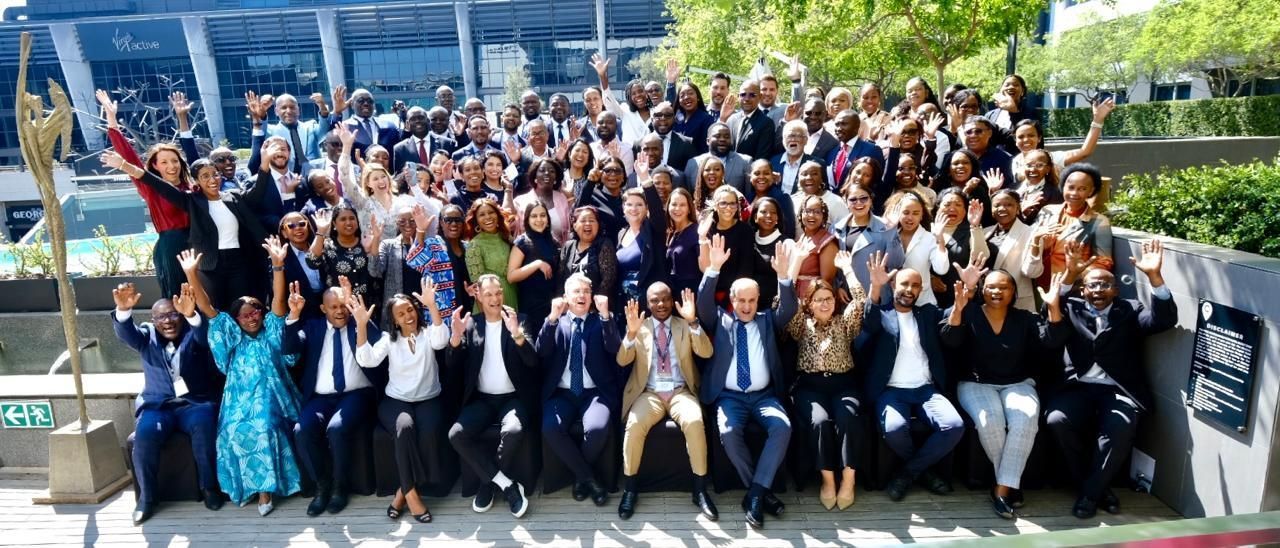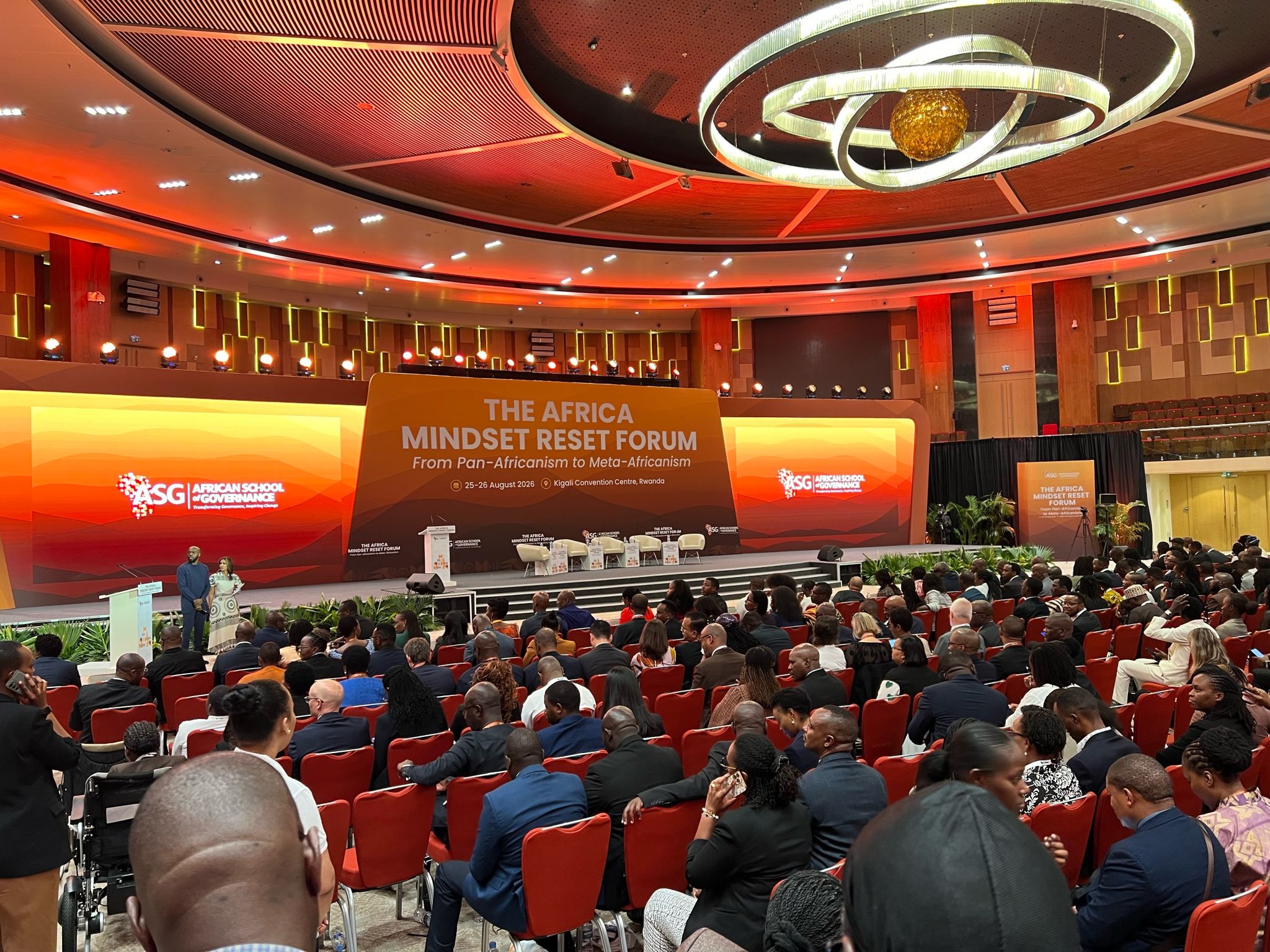
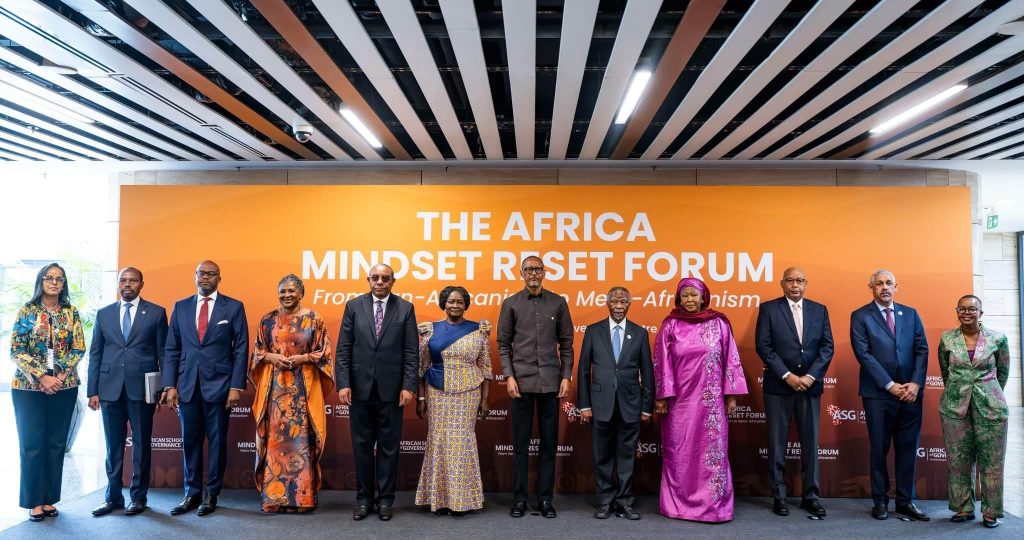
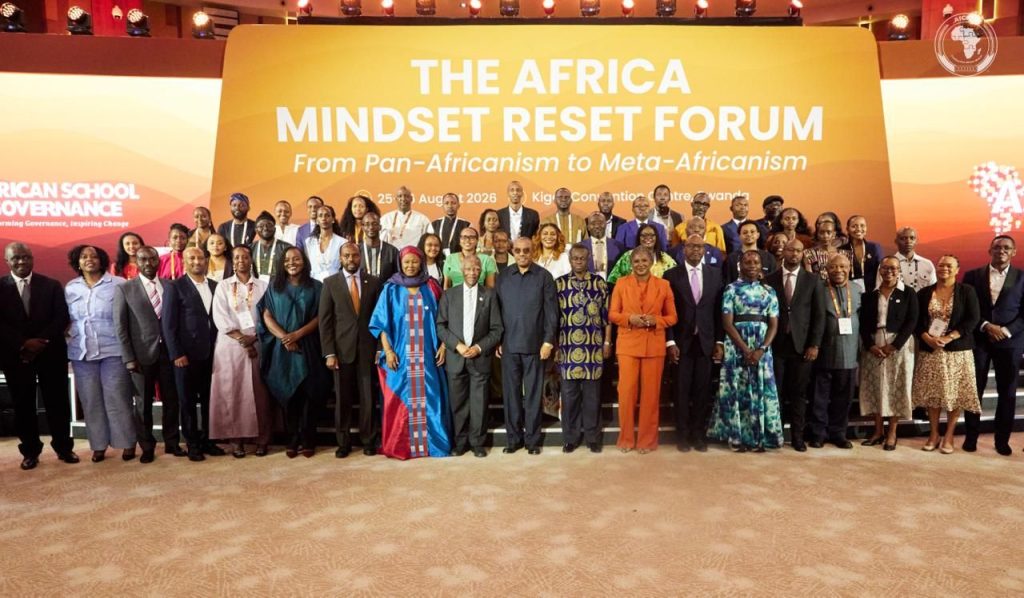
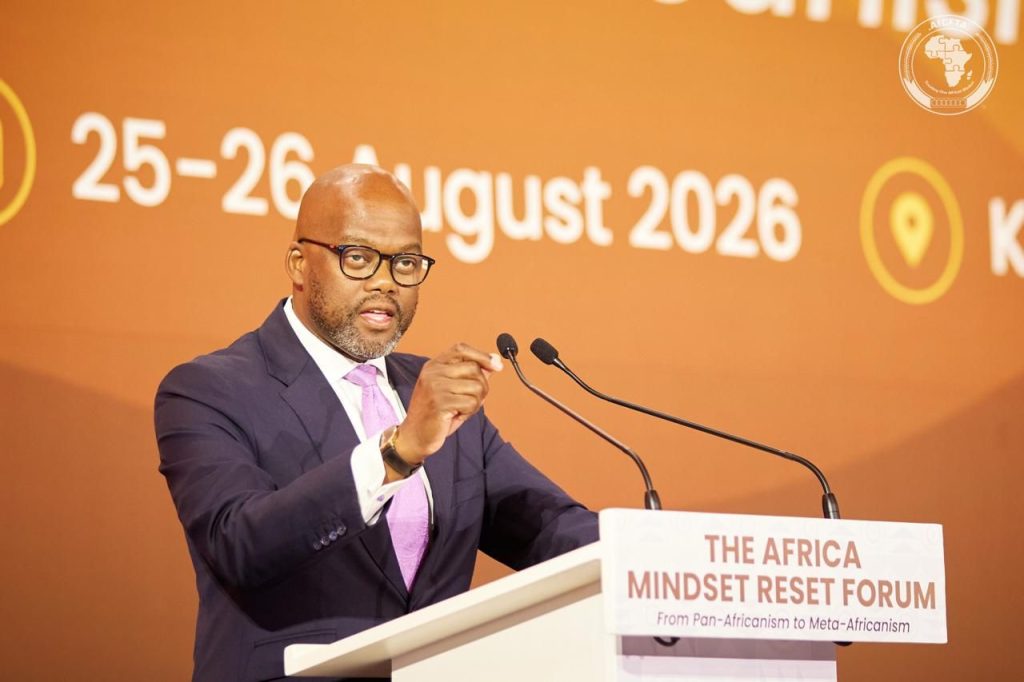
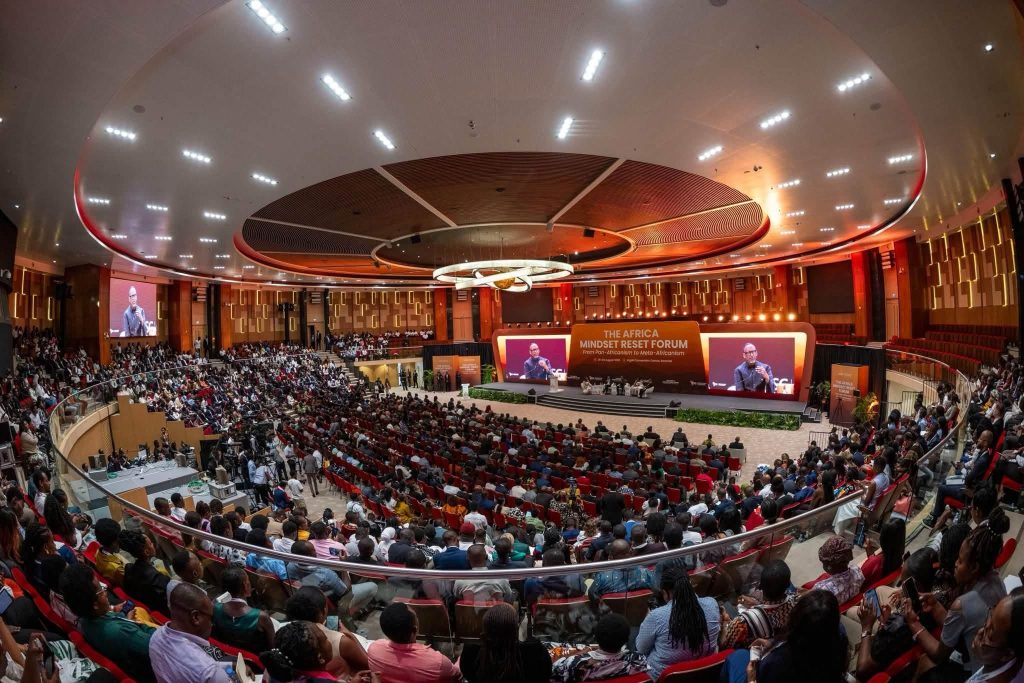
Kigali, Rwanda, August 25 to 26, 2026. The inaugural Africa Mindset Reset Forum, convened by the African School of Governance (ASG) at the Kigali Convention Centre, brought together roughly 1,000 leaders, including four sitting and former heads of state, around a single, uncomfortable premise. Africa’s constraints are no longer only economic or political. They are, first, a matter of mindset. Under the theme “From Pan Africanism to Meta Africanism,” the forum asked delegates to move from diagnosing the continent’s problems to building the institutions, industries and leadership culture required to solve them.
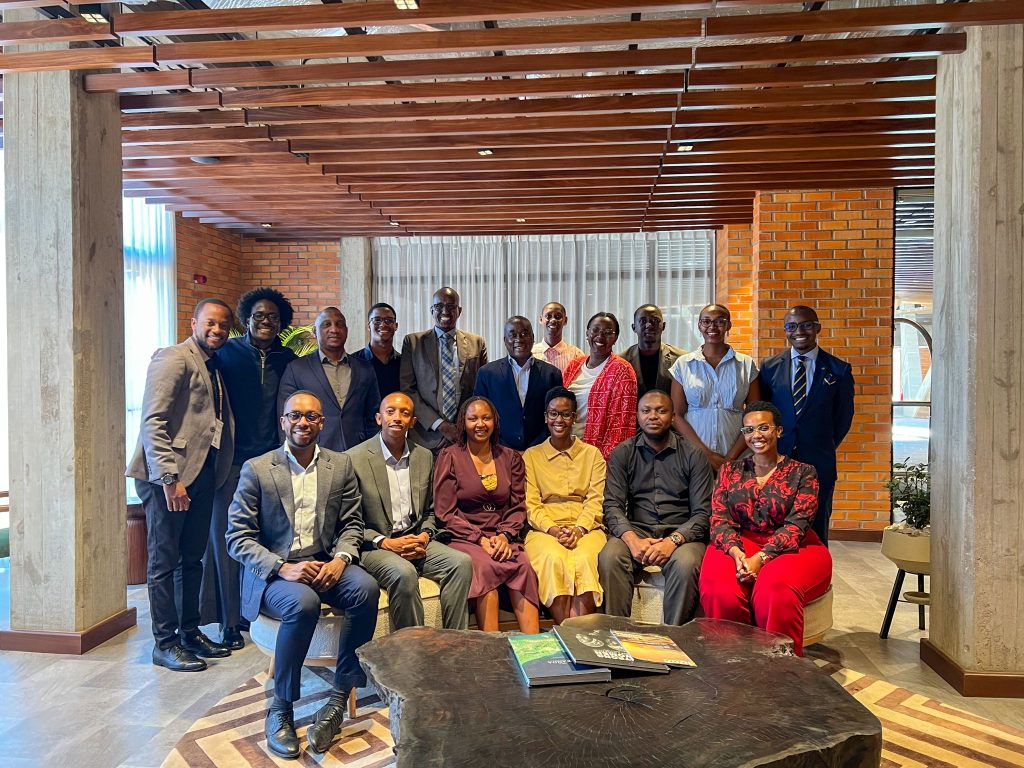
This article distills what was said, who said it, and what it means for the next generation of African leadership. It draws on official ASG programming and on the ground reflections shared by attendees including Amanda Jaiyeola, founder of Achèo Koncept and a Bureau of Representatives member of the Afrikan Youth Business Council for West Africa, along with delegates from the Chamber of Women in Agribusiness (CHAWA) Ghana.
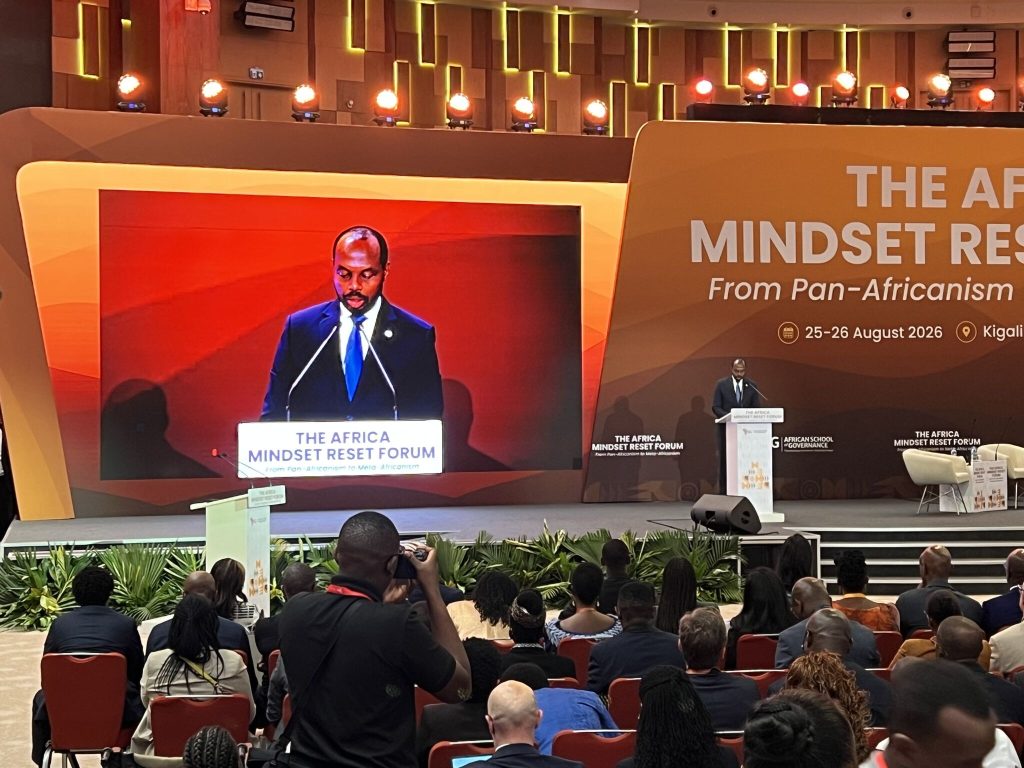
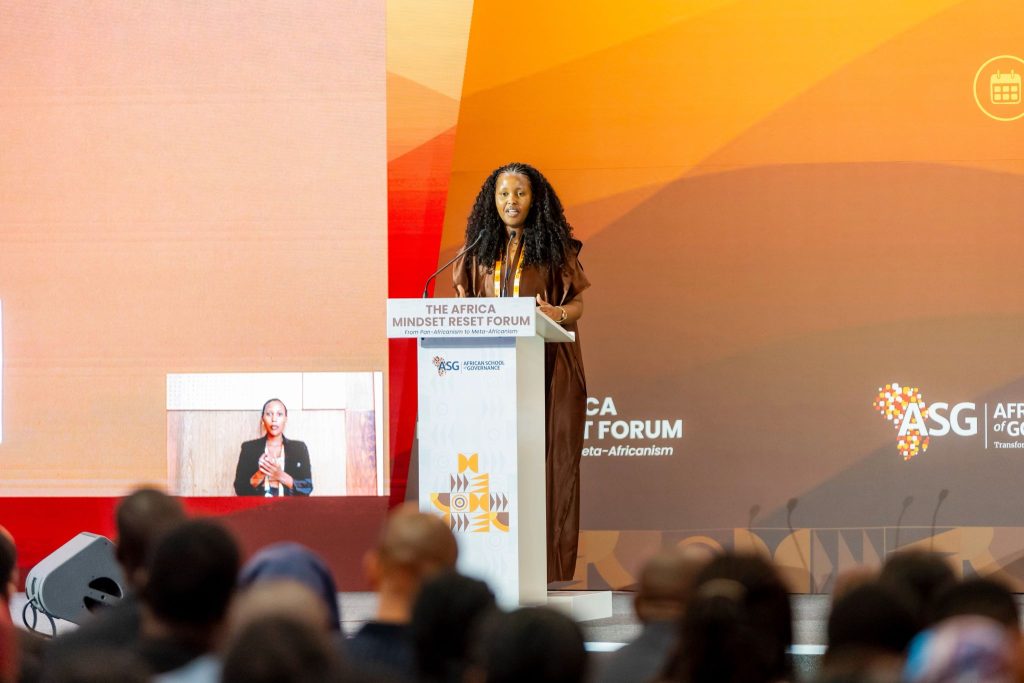
What Was the Africa Mindset Reset Forum?
The forum was an intergenerational, two day convening designed to be “not another conference about Africa’s challenges,” but a platform to spotlight leadership, showcase what already works, and move participants “from dialogue to delivery.” Organisers structured the programme around seven transformational shifts: from fixed to growth mindsets, closed to open, pessimism to possibility, reactive to proactive, scarcity to abundance, victimhood to responsibility, and mediocrity to excellence.
Roughly 80 percent of attendees were young and emerging leaders, reflecting ASG’s stated intent to make the forum belong “first, to the youth,” in the words of ASG cofounder Hailemariam Desalegn.
Quick Facts
| Detail | Information |
|---|---|
| Dates | 25 to 26 August 2026 |
| Venue | Kigali Convention Centre, Rwanda |
| Convener | African School of Governance (ASG) |
| Theme | “From Pan Africanism to Meta Africanism” |
| Attendance | 1,000 delegates; about 80% young and emerging leaders |
| Languages | English and French; livestreamed in five languages |
| ASG Cofounders | H.E. Paul Kagame (President, Rwanda); H.E. Hailemariam Desalegn (former PM, Ethiopia) |
Why “Meta Africanism”? Understanding the Core Idea
Meta Africanism, as framed at the forum, is not a rejection of Pan Africanism but its next chapter. Pan Africanism built the political courage for African nations to stand independently. Meta Africanism is presented as the harder task of reforming how the continent thinks, governs, educates and builds, turning shared identity into shared systems and shared ambition into measurable results.
Former South African President Thabo Mbeki, delivering the opening keynote on the vision of Meta Africanism, argued that Africa must go beyond simply invoking unity. It needs comprehensive frameworks, mindsets aligned to objectives, and serious follow through on the commitments of the African Union’s Agenda 2063, including building African owned capital, industries and products from African resources.
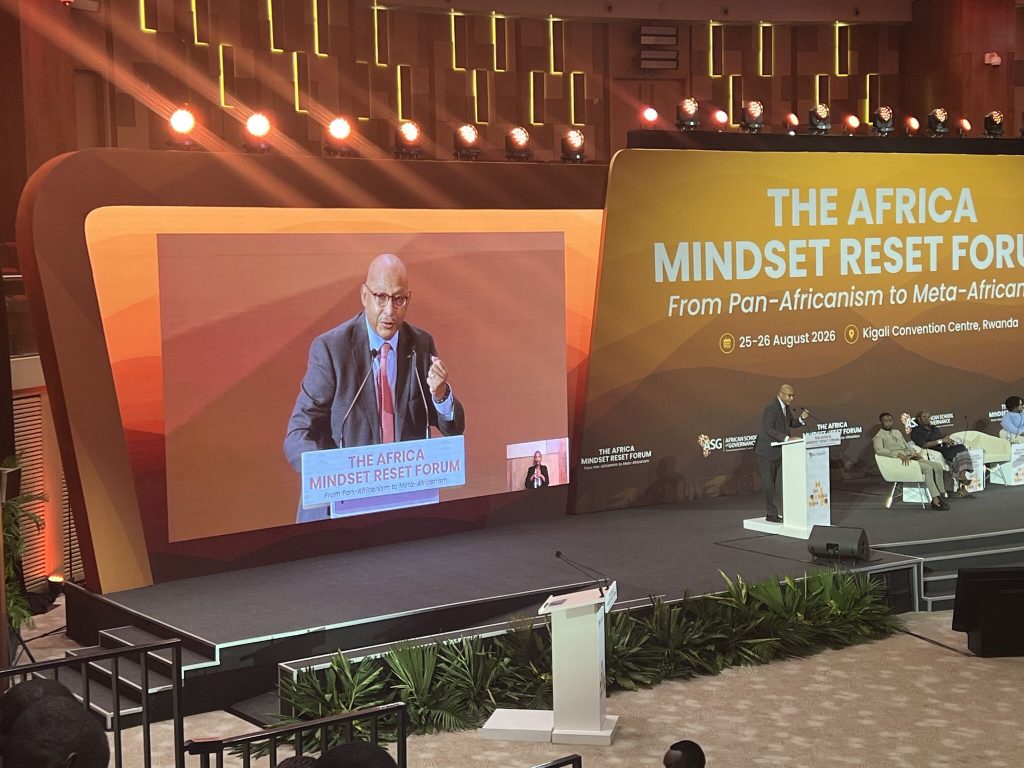
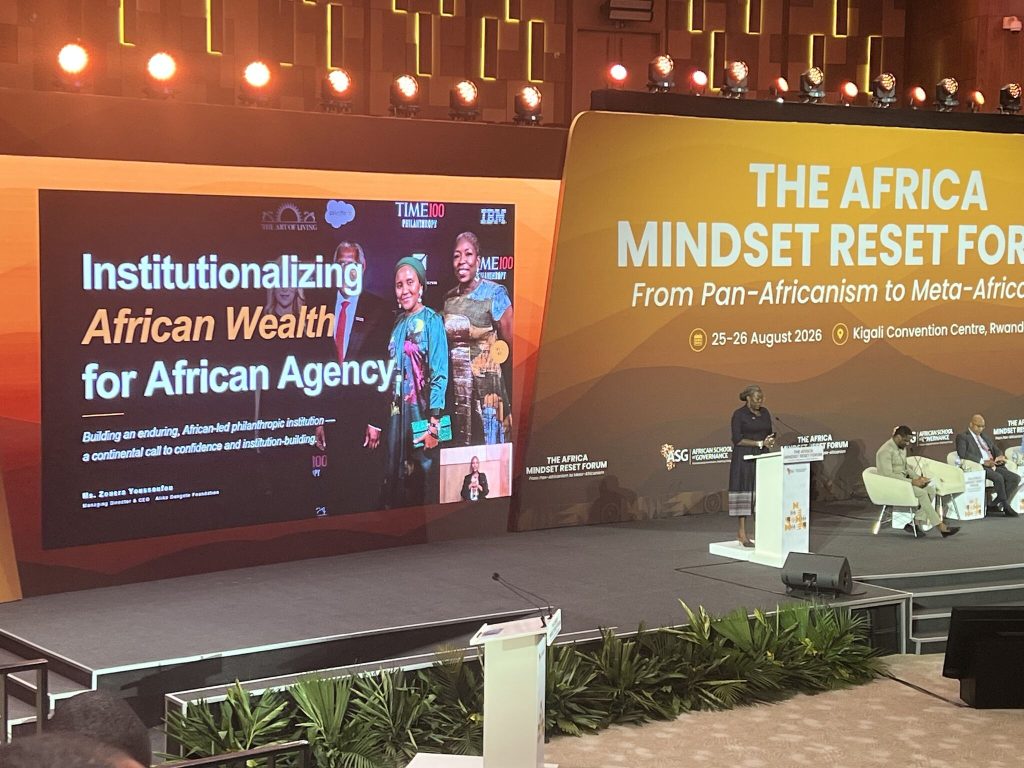
Who Spoke: Key Leaders and Their Messages
H.E. Paul Kagame: “Why Don’t We Have the Africa We Want?”
President Paul Kagame of Rwanda, an ASG cofounder, opened proceedings with a challenge rather than a solution: “Why don’t we have the Africa we want?” His call was for the continent to audit honestly where it has progressed, where it has stalled, and to build African owned platforms for solving African problems rather than importing frameworks designed elsewhere. He also urged delegates to anchor their personal and professional choices to a defined cause, a theme several younger attendees carried into their own reflections.
H.E. John Dramani Mahama: Champion of the “Accra Reset”
Ghanaian President John Dramani Mahama attended as a keynote figure associated with what delegates referred to as the “Accra Reset” initiative. In his place on stage for one high level session, Vice President Naana Jane Opoku-Agyemang represented Ghana and posed her own foundational question to the room: “Why are we here?” She argued that the Africa delegates say they want is one they must be prepared to “fight for.”
H.E. Hailemariam Desalegn: Africa Needs Leaders Who Are Ready
Former Ethiopian Prime Minister and ASG cofounder Hailemariam Desalegn tied the forum’s purpose directly to ASG’s founding logic: that Africa’s governance gap is fundamentally a leadership readiness gap, and that the school exists to prepare leaders capable of transforming the continent rather than simply managing it.
Other Prominent Voices
- H.E. Olusegun Obasanjo, former President of Nigeria, was among the senior statesmen “opening the room” for the next generation of leadership.
- H.E. Fatoumata Jallow Tambajang, former Vice President of The Gambia, was recognised for her advocacy on women’s and youth rights, democratic governance and peacebuilding.
- H.E. Monica Geingos, widow of former Namibian President Hage Geingob and Third First Lady of Namibia, spoke as a founder generation figure passing the baton to younger leaders.
- Brian Kagoro, a governance and pan African affairs commentator, offered one of the forum’s most quoted lines to attendees: “We are, therefore I am,” a reworking of Ubuntu philosophy that underscores collective African identity over individual gain.
How Young Delegates Received the Message
Beyond the podium, the forum’s stated ambition to be intergenerational rather than performative showed up most clearly in how younger participants translated the week’s big ideas into personal commitments.
- Amanda Jaiyeola (Achèo Koncept; Afrikan Youth Business Council for West Africa) described the forum as forcing “uncomfortable questions,” framing the reset as personal: the businesses she builds and the young people she mentors “must add something to the Africa we are trying to create.”
- Delegates connected to CHAWA Ghana pressed the forum’s organisers and fellow attendees on inclusion, asking whether a continental mindset reset can succeed while millions of women in agribusiness remain excluded from technology, finance, formal markets and decision making.
- Uwase Lisa, an aspiring civil and structural engineer, drew a direct line from Kagame’s call for purpose driven choices to Ethiopia’s own documented shift from food aid recipient to food donor under Desalegn’s leadership, framing it as proof that circumstance need not dictate a country’s future, or an individual’s.
- Empower Edge Enterprises, a financial literacy and enterprise development venture, tied the “mindset reset” language to practical economic empowerment, helping individuals and small businesses become “creators of value” rather than passive consumers of opportunity.
Common Threads Across the Forum
Despite differing vantage points, from heads of state to former officials to youth entrepreneurs, a consistent set of priorities emerged:
- Stronger leadership grounded in preparedness rather than title
- Stronger institutions capable of outlasting any single administration
- African owned industries, built on African resources and capital
- Innovation and skills development, particularly for youth and women
- Deeper intra African partnerships, anchored by frameworks such as the African Continental Free Trade Area (AfCFTA)
Why This Matters Beyond Kigali
The Africa Mindset Reset Forum arrives at what organisers describe as a “defining moment” for the continent, amid shifting global geopolitics, tightening development finance, and the disruptive arrival of artificial intelligence across African economies. Whether the forum’s language of “reset” translates into durable institutional change will depend less on what was said in Kigali and more on what participants, from presidents to first time delegates, do with it once they return home.
As one attendee summarised the challenge awaiting Day 2 and beyond, the goal is “more conversations, more questions, and hopefully, more action.”
Conclusion
The inaugural Africa Mindset Reset Forum positioned itself less as a conference and more as a diagnostic exercise, pushing sitting presidents, former heads of state, and youth entrepreneurs alike to confront why decades of stated ambition have not yet produced “the Africa we want.” Its central proposition, Meta Africanism, asks the continent to pair the identity building legacy of Pan Africanism with the harder, slower work of institution building, execution and inclusion, particularly of the women and youth who remain on the margins of formal economic power. The forum’s real test will be measured not in Kigali, but in the policies, businesses and institutions its delegates build in the months and years that follow.
Sources: African School of Governance (ASG); GBC Ghana Online; CGTN Africa; The New Times (Rwanda); Taarifa Rwanda; The Cooperator News; Southern Africa Youth News; attendee reflections shared publicly on LinkedIn.