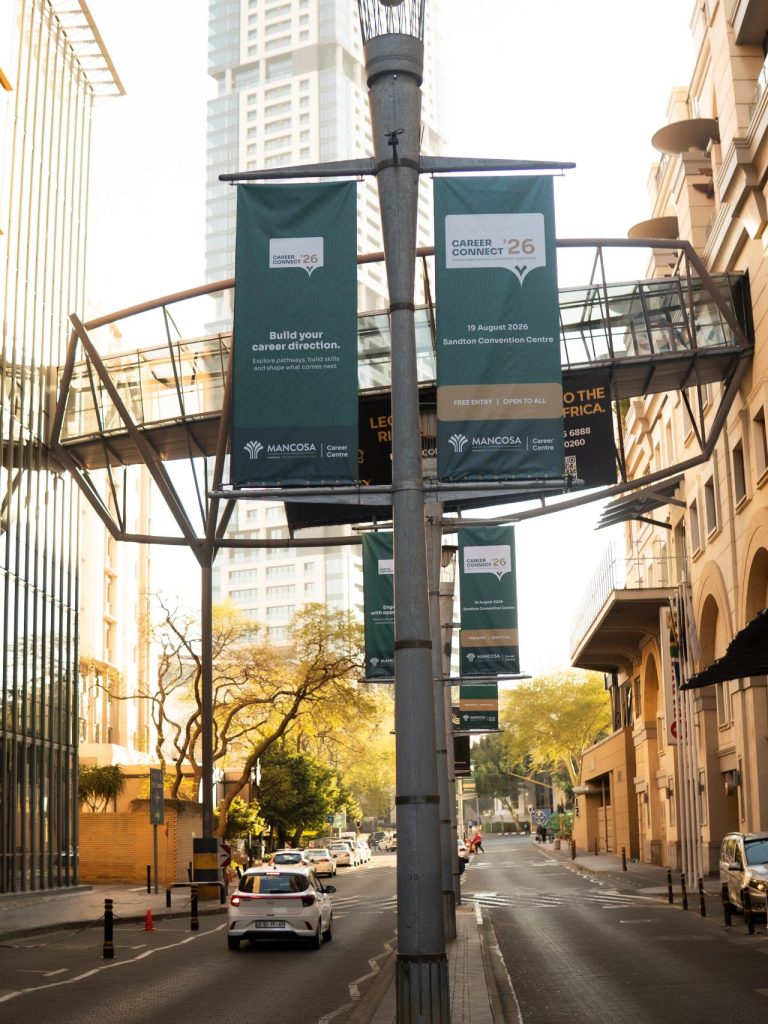
For many students and graduates, entering the workplace can feel like the final step after completing a qualification. But at MANCOSA Career Connect 2026, held at the Sandton Convention Centre on 19 August, the message from industry was more nuanced: qualifications remain important, but employability increasingly depends on what people can do with what they know.
Organised by MANCOSA, Career Connect 2026 brought together students, graduates, alumni, jobseekers, employers, industry professionals and other partners for a day focused on career readiness, professional networking and exposure to the world of work. MANCOSA describes the event as a flagship employability and career-guidance initiative designed to connect emerging talent with employers and practical career support.
The event was held against a labour market being reshaped by artificial intelligence, digital technologies and changing expectations around workplace skills. Discussions throughout the programme placed particular emphasis on adaptability, creativity, communication, networking, and the ability to apply technology effectively.

The speakers
Three speakers anchored the programme’s formal content, each addressing a different dimension of employability.
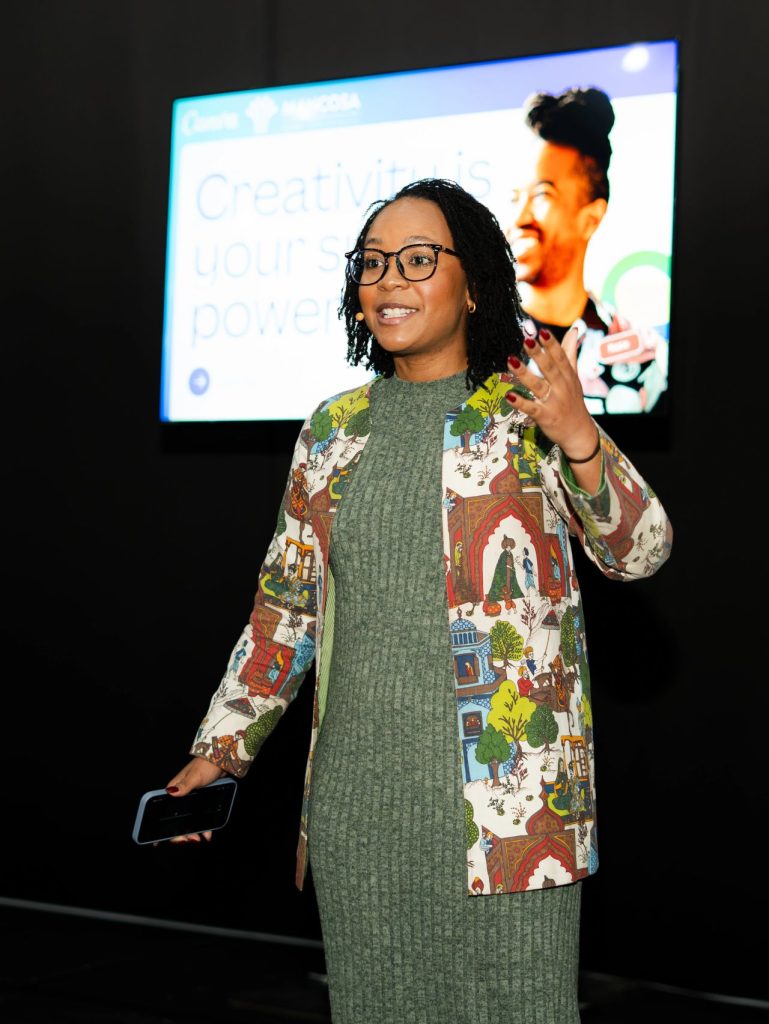
Farai Ntuli — Keynote speaker Ntuli is Partnerships Lead for Africa at Canva, where she leads strategic collaborations across the continent, including education and digital-access initiatives. Before joining Canva, she was Africa Livelihoods and Education Lead at Accenture Development Partnerships, working with international development clients on youth employment, entrepreneurship, digital and future skilling, gender equity and education—including a project with a United Nations agency to build a youth skilling and job-matching platform across Africa. She is also a professional speaker and moderator on youth-employment topics and a board member, and studied at King’s College London. At Career Connect, her keynote challenged attendees to reconsider the role of creativity in a technology-driven workplace, arguing that professionals should approach AI as a tool to master rather than a threat to their careers.
Marvin Horkins — “Beyond the Degree” Horkins is High Tech & Telecoms Provider Practice Lead for Africa at Gartner and a MANCOSA MBA alumnus. His session, “Beyond the Degree,” drew on his own path from MANCOSA graduate to industry analyst to unpack what it takes to navigate the modern workplace once formal study ends, focusing on the practical judgement and adaptability that separate a qualification from career readiness.
Themba Goniwe—”Canva Essentials for Employability” Also known as “Goose,” Goniwe is the founder of The Goose Gallery, a creative marketing and branding agency specialising in branding, web design and development, digital art and production design. He is part of Canva’s “Canvassador” community of creative advocates and has appeared on Canva panels in South Africa discussing new design tools and accessibility. His interactive workshop at Career Connect gave attendees hands-on practice with Canva as a practical, job-ready design skill rather than a purely creative hobby.
Beyond the qualification
One of the recurring themes emerging from attendees’ reflections was the distinction between obtaining a qualification and becoming workplace-ready.
Troy Tshepo Mathebe, founder of URU Advertising, reflected after the event that professional growth is not built in isolation. In his account of Career Connect, he highlighted exposure, confidence, communication and the willingness to enter unfamiliar professional spaces as important elements of career development.
His observation reflects the broader purpose MANCOSA attached to the event: creating opportunities for people to meet employers, explore career pathways, strengthen their professional networks and gain practical insight into the workplace.
For students and recent graduates, that distinction is significant. Academic credentials can demonstrate knowledge in a particular field, but employers also evaluate how candidates communicate, collaborate, solve problems and respond to changing circumstances.
Creativity and AI take centre stage
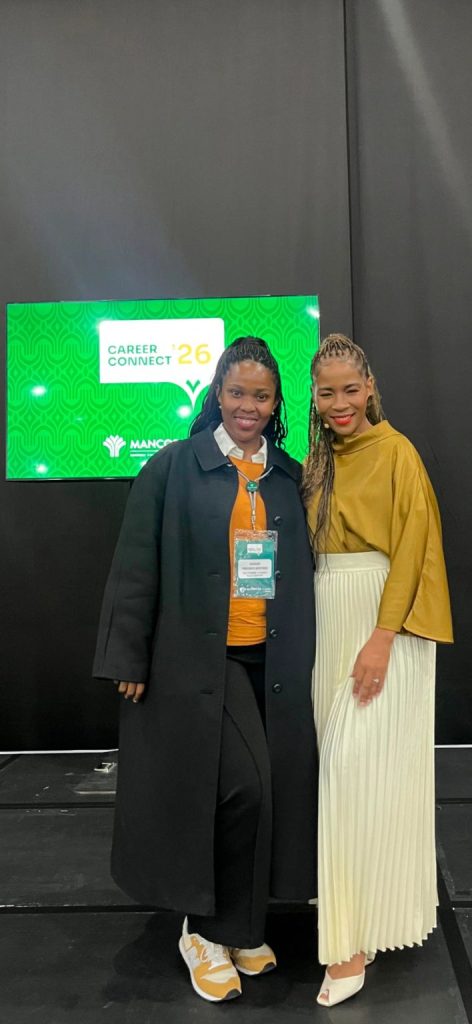
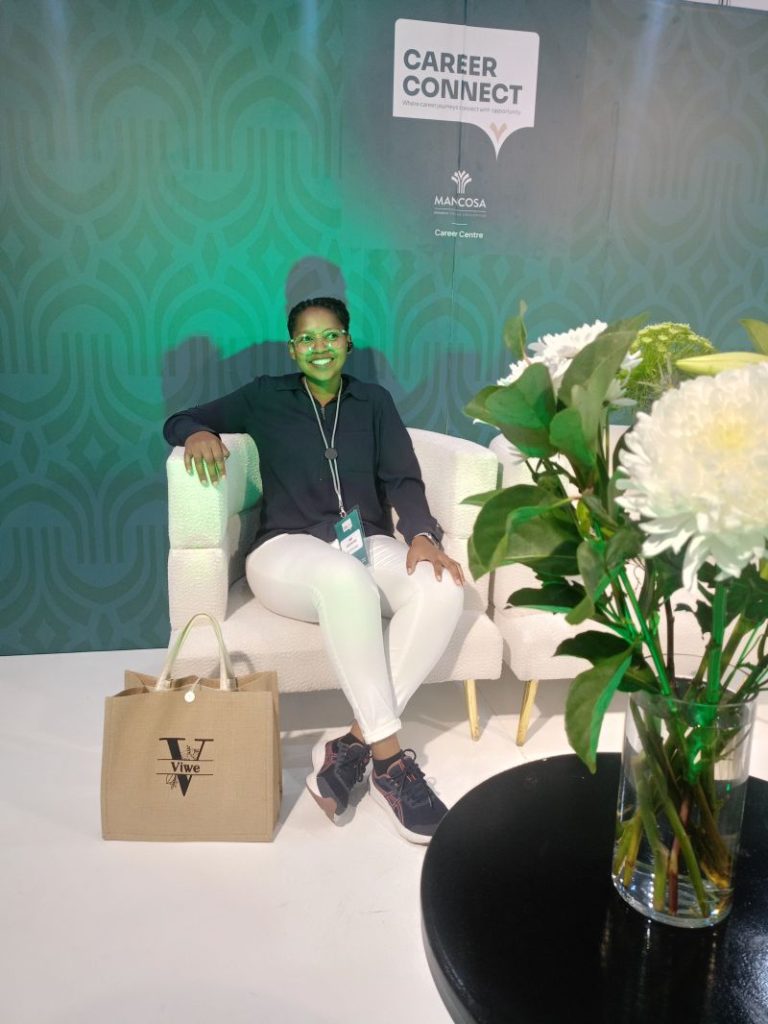
Artificial intelligence was another prominent theme at Career Connect 2026.
MANCOSA announced Farai Ntuli of Canva (see her full bio above) as a keynote speaker ahead of the event.
According to MANCOSA’s event coverage, Ntuli challenged attendees to reconsider the role of creativity in a technology-driven workplace. The message was not that creativity belongs only to traditionally creative professions, but that creative thinking is increasingly relevant to how professionals approach problems, communicate ideas and use emerging technologies.
A frequently cited takeaway from her presentation was that professionals should not view AI simply as a threat to employment, but should develop the ability to use it effectively.
That argument reflects a wider shift in the skills conversation. As AI becomes increasingly embedded in professional workflows, technical knowledge alone may not distinguish candidates. The capacity to combine technological tools with judgement, communication, creativity and problem-solving is becoming increasingly valuable.
From networking to relationship-building
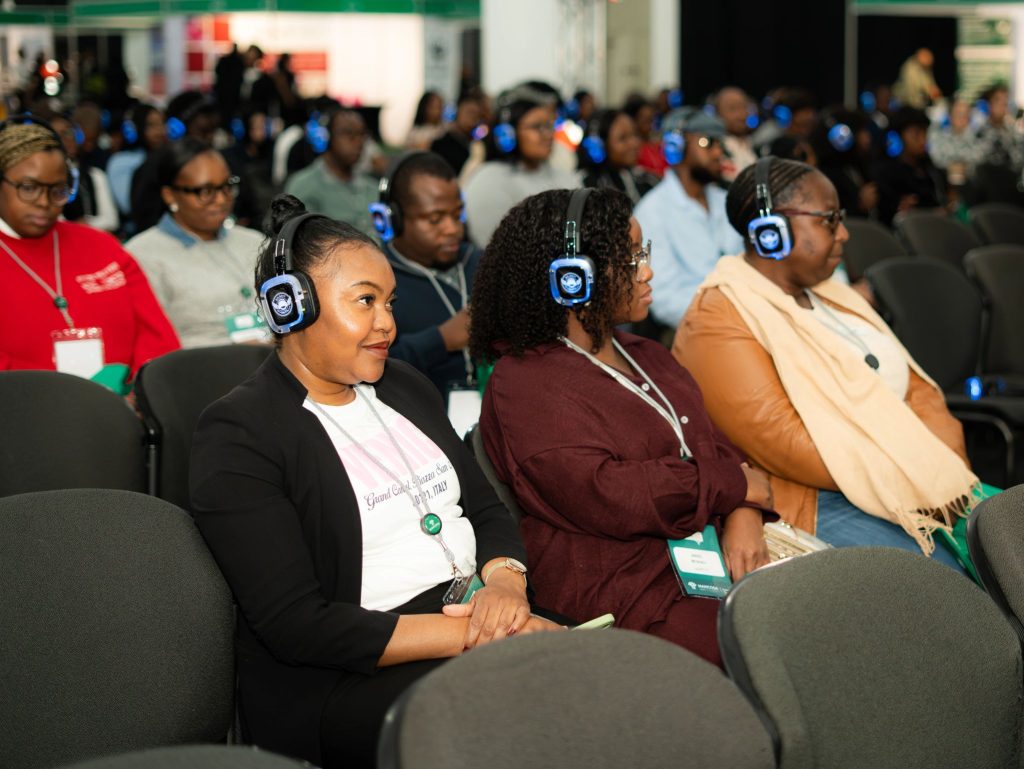
Networking was another major theme running through attendee reflections.
Karabo Booysen, a participant at Career Connect, described the event as a reminder that professional relationships extend beyond exchanging contact details. Genuine engagement, active listening and creating opportunities for continued interaction are important parts of building a professional network.
The distinction is particularly relevant for students and young professionals who may approach networking as a transactional activity.
Career Connect instead presented networking as a mechanism for exposure: a chance to meet people outside one’s immediate academic or professional environment, understand different industries and identify opportunities that may not otherwise be visible.
For Viwe Tshawe, whose professional background includes learning and development, talent acquisition and skills-development work, the opportunity to meet organisations and engage directly with companies was among the event’s most valuable aspects. Her reflection emphasised collaboration, continuous learning and relationship-building as important elements of career development.
Employers as part of the employability ecosystem
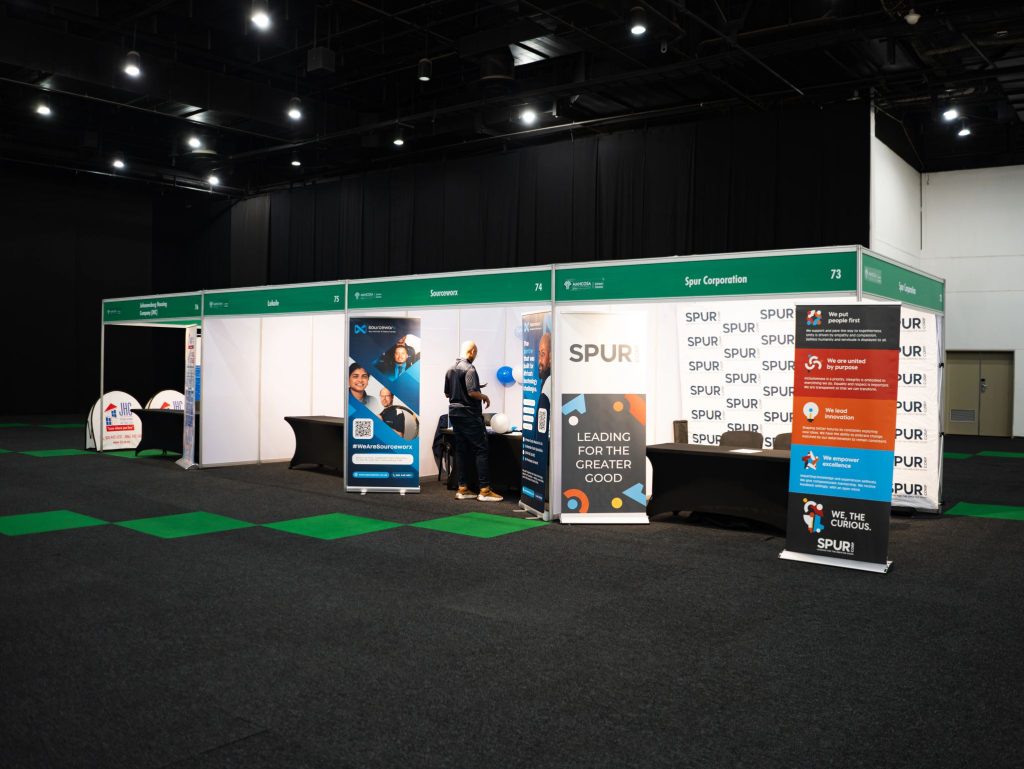
Career Connect was also designed to bring employers closer to emerging talent.
MANCOSA’s official event material identifies employers and industry partners as a central part of the programme, giving organisations an opportunity to meet students, graduates and other career-focused individuals.
Attendee posts following the event referenced organisations including Hollywoodbets, ZEDA Limited, Smollan, the South African National Parks (SANParks) and Nedbank among the organisations represented at the event. MANCOSA’s subsequent social-media coverage also highlighted engagement with partners including Smollan and Cherrystar Media Tech.
This employer participation reflects an increasingly important component of higher education: creating pathways between academic learning and professional environments.
For employers, such platforms offer access to emerging talent. For students and graduates, they provide an opportunity to understand what organisations are looking for before, rather than after, entering the job market.
Learning beyond the degree
The programme extended beyond networking and recruitment.
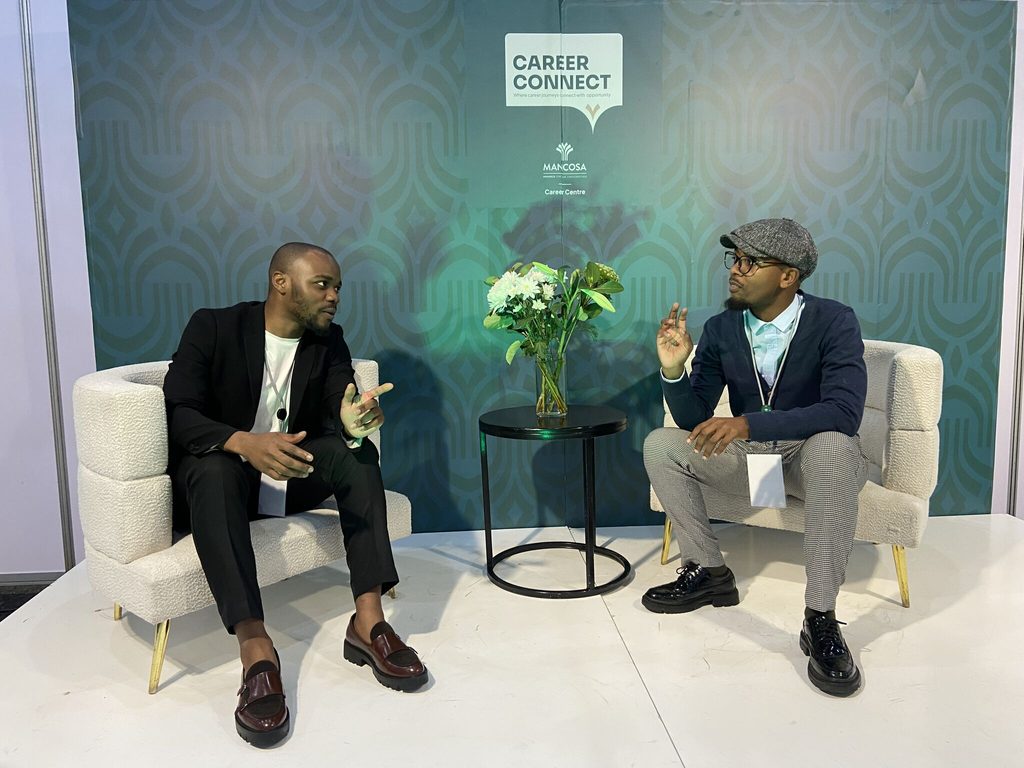
In its post-event coverage, MANCOSA highlighted a session titled “Beyond the Degree,” delivered by Marvin Horkins of Gartner (see his full bio above), focused on navigating the modern workplace and understanding what it takes to thrive beyond formal qualifications.
The event also featured a Canva Essentials for Employability workshop led by Themba Goniwe of The Goose Gallery (see his full bio above). MANCOSA described the session as an interactive component intended to provide practical learning alongside the broader career discussions.
The inclusion of practical digital skills alongside career guidance is notable. It suggests a broader understanding of employability in which graduates are expected not only to possess academic knowledge, but also to communicate, create, collaborate and navigate digital tools.
Visibility as a career skill
One of the more personal reflections came from attendees who experienced the event as an exercise in professional visibility.
Patience Dumisile Mabuza wrote that she attended with the intention of expanding her network, gaining insight beyond her immediate industry and learning something new. She subsequently described being approached to share her experience in a short interview.
For Mabuza, the experience reinforced the value of professional visibility: not visibility for its own sake, but creating circumstances in which one’s knowledge, perspective and capabilities can be recognised.
That distinction is increasingly relevant in a professional environment where personal branding, digital presence and professional networks can influence how opportunities are discovered.
A broader employability agenda
Career Connect forms part of MANCOSA’s broader emphasis on employability.
MANCOSA is a South African private higher education institution founded in 1995 and became part of Honoris United Universities in 2017. Honoris identifies MANCOSA as one of its Southern African institutions and describes the institution as a provider of distance education with programmes spanning business, IT, education and healthcare management, among other fields.
Honoris has also identified employability and preparation for the future of work as priorities across its network. Its employability programmes focus on developing competencies intended to help students and alumni navigate a changing labour market.
Career Connect therefore sits within a wider institutional approach that seeks to connect education with workplace readiness rather than treating graduation as the endpoint of professional development.
The lesson beyond Career Connect
The strongest message emerging from Career Connect 2026 was not that qualifications are becoming irrelevant. Rather, it was that qualifications are increasingly only one component of professional readiness.
The ability to communicate clearly, build relationships, think creatively, solve problems, use technology responsibly and remain adaptable can determine how effectively an individual converts academic knowledge into workplace value.
For students, that means career preparation cannot necessarily wait until graduation.
It begins with entering the right rooms, asking questions, meeting people outside one’s immediate circle, developing practical skills and learning how industries are changing.
And for employers and educational institutions, it points to a shared responsibility: creating more opportunities where emerging professionals can move from learning about the world of work to actually engaging with it.
Career Connect 2026 ultimately offered precisely that kind of intersection—bringing education, industry, technology, networking and opportunity into the same physical space.
The qualification may open the door.
What happens after that depends increasingly on the skills, relationships, adaptability, and initiative a person brings with them.