A magazine’s success used to be measured in circulation, ad pages and editorial clout. That yardstick has changed. The strongest lifestyle media brands now build their value on something harder to quantify: the ability to bring people together, create experiences, build communities, and give commercial partners real access to consumers rather than just space on a page.
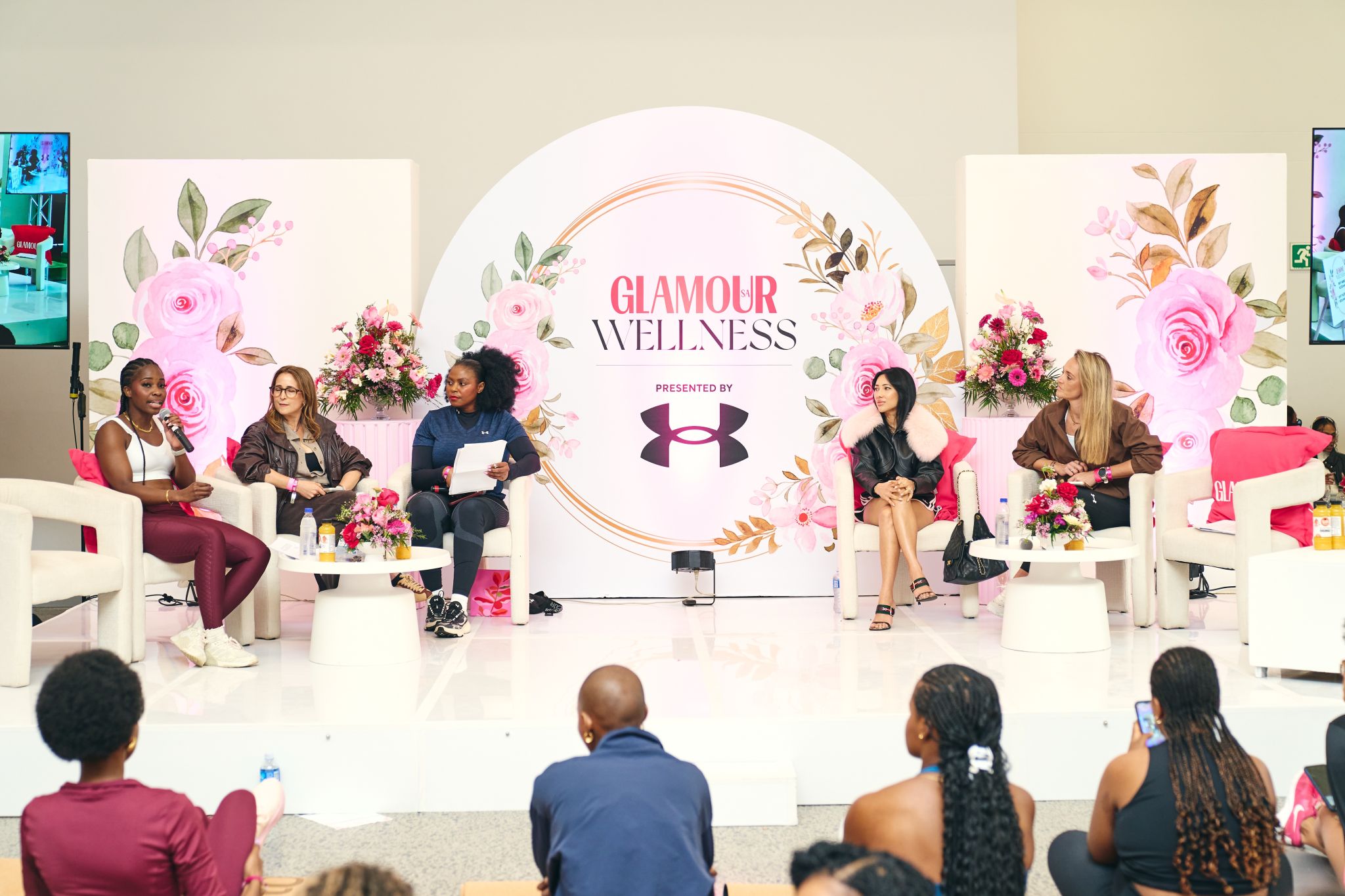
That shift was on full display in Cape Town on Sunday, 23 August 2026, when GLAMOUR South Africa hosted its Wellness Day in partnership with Under Armour and powered by Totalsports.


Held at The Wicket Venue in Newlands, the sold out event brought fitness, beauty, health, food and fashion into one space designed for participation rather than passive consumption. Guests moved between workouts, wellness assessments, beauty consultations, expert talks and brand activations, part lifestyle event, part case study in experiential marketing.
At the centre of it was Nontando Mposo, Editor in Chief of GLAMOUR South Africa, whose role reflects how leadership in lifestyle media has changed. Mposo’s professional background spans editorial strategy, content, brand strategy, communications and creative direction, areas that are increasingly overlapping as media companies push beyond traditional publishing.
The Wellness Day is worth examining not just as an event but as a case study in how an established media brand can turn editorial authority into a commercially valuable physical experience without losing touch with what its audience actually wants.
From magazine to ecosystem
GLAMOUR South Africa has always sat at the intersection of fashion, beauty, entertainment, culture and lifestyle. What the Wellness Day shows is how those editorial territories can be built out into physical experiences.
The day was organised around three loose themes: movement, learning and discovery, which let each partner occupy a distinct part of the guest’s journey while GLAMOUR held the whole thing together. Guests could join Pilates with Move with Chloe Sue, Dance Fit with Golden Fiit, or strength and mobility sessions run through the Sports Science Institute of South Africa. Fitness personality and Under Armour ambassador Zinhle Masango hosted.
The Under Armour partnership mattered here because it wasn’t built on straightforward product placement. The brand was woven into an environment built around performance, strength and confidence, so the product became part of the experience rather than something bolted onto it, and that distinction is really the heart of what makes experiential marketing work. An ad for sportswear delivers a message about a product; a curated fitness session while wearing that product puts the consumer inside the brand’s story, which tends to generate far more emotional pull, social content and lasting memory than a straight pitch ever could.
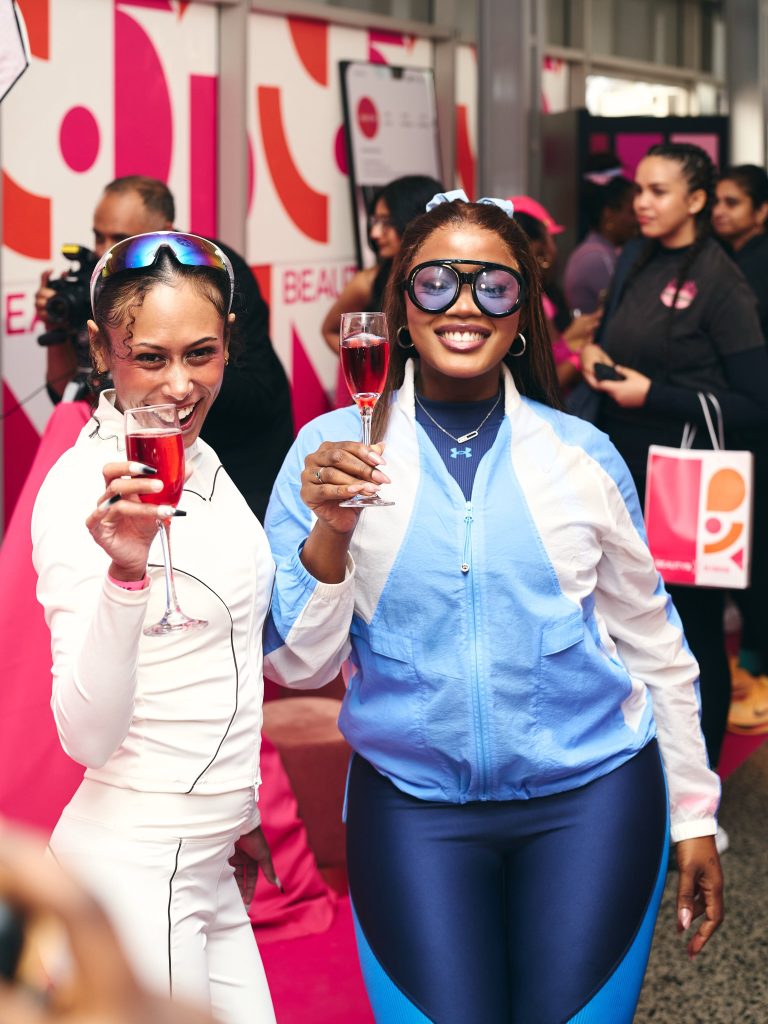

Beauty becomes part of the wellness conversation
The event also showed how categories that used to sit apart are now being pulled together in lifestyle marketing.
The Foschini Beauty ecosystem was woven into the day through skin consultations, hair touch ups and beauty services, treated not as a separate commercial category but as part of a broader conversation about wellbeing and self care. That reflects a real shift in how people think about wellness: it’s no longer just exercise and nutrition but skincare, mental health, appearance, movement and personal development too. For a publication like GLAMOUR, that widening definition is a strong commercial opportunity, since most of those categories already live naturally in its editorial territory, giving brands a way into a conversation readers already associate with the magazine.
Health and credibility add another layer
The Sports Science Institute of South Africa gave the event another dimension. Attendees could get blood pressure, flexibility, grip and strength assessments, which brought a level of professional expertise most lifestyle activations don’t bother with.
Credibility matters in marketing. Aspiration gets people through the door; expert input is what makes an event feel trustworthy rather than staged. Inuwell added a similar layer through art therapy, a scent room and a virtual gym, sensory and psychological offerings that pushed the definition of wellness well past the treadmill. By the end of the afternoon, wellness had been something guests could exercise, measure, discuss and simply enjoy, all in one place.


Why the brand partnership model is significant
One of the more interesting things about the event was how many different brands were involved, each with a distinct job to do. Alongside GLAMOUR, Under Armour and Totalsports, the lineup included Foschini Beauty Box, the Sports Science Institute of South Africa, Inuwell, Pesto Princess, Annabelle, ScinMed and Gloot.
Under Armour owned performance and movement. Totalsports gave the day a retail anchor. Foschini Beauty Box handled beauty. The Sports Science Institute brought scientific credibility. Inuwell covered broader wellbeing, food and beverage partners handled hospitality, and the rest contributed products, vouchers and prizes.
It’s a useful illustration of how a media company can create value for several brands at once without forcing them all to say the same thing. GLAMOUR supplies the audience and the cultural context; the partners bring their own products and expertise into that space. The event becomes a shared platform, and for advertisers, that tends to be more compelling than a standard media placement, because the brand is embedded in an environment consumers have actively chosen to spend time in.

A good “goodie bag” is part of the strategy too
The commercial thinking didn’t stop at the venue door. According to the event listing on Quicket, attendees left with a goodie bag worth more than R3,000, including a Totalsports and Under Armour yoga mat and water bottle, sweat bands, beauty products and vouchers from participating partners. Prizes ran throughout the afternoon too, from Foschini Beauty Box giveaways to Gloot hampers and Inuwell offerings.
That extends the event’s life well past the afternoon itself. The products go home with attendees, into their routines and onto their social feeds, so the brand relationship keeps running for weeks after the guest has left the venue, which is one of the quieter strengths of experiential marketing: a few hours on site can translate into a much longer tail of engagement.
GLAMOUR understands the value of community
The event also points to a broader shift in how lifestyle publications think about their readers. A magazine audience is a group of readers; a community is something else entirely, built on interaction, participation and belonging.
Wellness Day was built deliberately around women coming together to exercise, learn and connect in person, with programming, from fitness sessions to beauty consultations and expert conversations, designed to encourage interaction rather than passive consumption. That distinction matters more than ever in media, where audiences are drowning in content but starved of real access to people, experiences and communities. A publication that can offer that access has something genuinely valuable to sell, to readers and brands alike.
Nontando Mposo and the modern Editor in Chief
The event also says something about how the job of Editor in Chief has evolved. Mposo’s professional profile goes well beyond traditional editorial management, spanning editorial strategy, content, communications, creative direction, brand strategy and events, with a portfolio that touches fashion, beauty, culture, entertainment and commercial partnerships.
That range is increasingly what the role demands. A modern lifestyle editor isn’t just deciding what runs in the next issue; the job now stretches into understanding the audience, shaping editorial identity, working with commercial partners, and building experiences that reinforce where the brand sits in the market. Wellness Day is a practical example of all of that converging: the editorial brand sets the context, commercial partners bring resources, experts bring authority, creators bring reach, and the audience brings its attention and participation. What comes out the other end sits somewhere between publishing, entertainment, marketing, community building and commerce.
Not GLAMOUR’s first wellness experiment
This isn’t a one time thing. In 2024, GLAMOUR partnered with Motherkind on a Women’s Month wellness event in Pretoria. According to Nestlé’s coverage of the event, more than 100 women attended, taking part in workouts, yoga, wellness conversations and brand activations.
That earlier event is worth noting because it shows GLAMOUR’s interest in wellness isn’t a reaction to a single sponsorship opportunity but an ongoing editorial and commercial focus on women’s wellbeing. The 2026 Under Armour event looks like a more developed version of the same idea, with a bigger roster of specialist partners and a fuller programme.
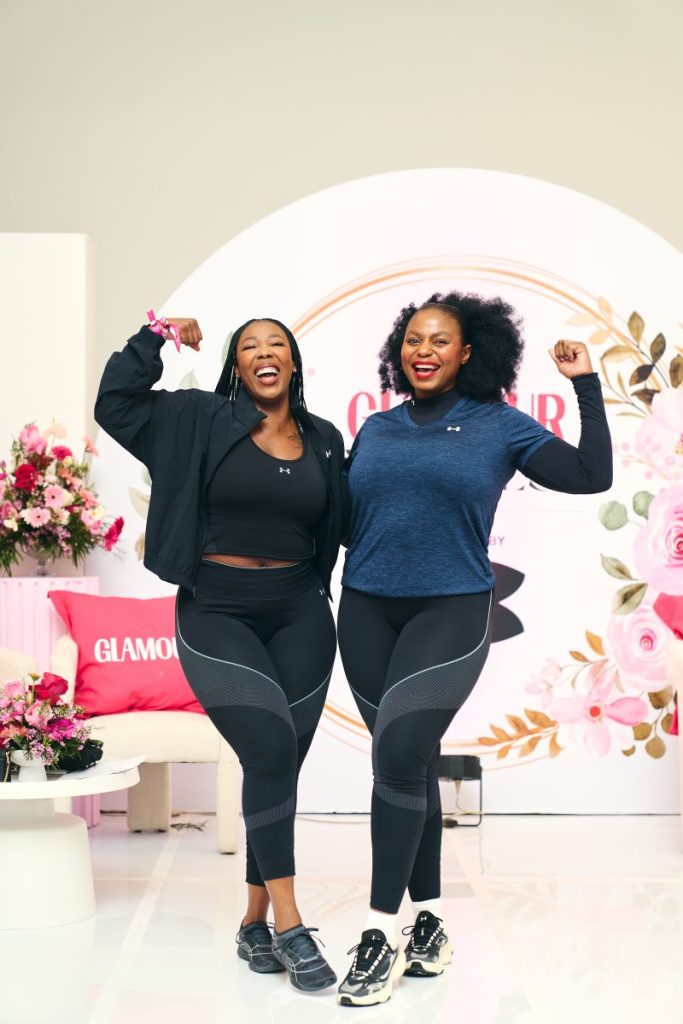

Under Armour’s place in the equation
For Under Armour, the partnership offers a way into GLAMOUR’s audience through a lifestyle lens rather than a purely athletic one. Sportswear has moved well beyond the gym in recent years, as athleisure and wellness culture blur the line between performance apparel and everyday identity. A GLAMOUR partnership lets Under Armour speak to women through a platform already tied to fashion, beauty and culture, not just telling them the clothing works out, but placing the brand inside a broader conversation about what an active, confident woman looks like today.
Totalsports rounds out the picture by connecting that aspirational experience to somewhere consumers can actually buy the product. GLAMOUR sets the cultural context, Under Armour supplies the performance association, and Totalsports closes the loop with retail.
The event is also a content engine
It’s easy to overlook, but a well run physical event is also a content factory. Photographs, interviews, fitness demos, beauty content, expert commentary, attendee reactions, creator posts and behind the scenes footage all come out of a single afternoon, feeding GLAMOUR’s website, social channels, video platforms and newsletters long after the event ends. For participating brands, it’s a chance to pick up user generated content and an association with an established publisher, valuable currency in a media landscape where attention is scattered across endless platforms.
The real product is attention
The most useful way to understand Wellness Day isn’t as a fitness event but as an attention ecosystem. Guests paid for access to an experience. Brands got access to a relevant audience. Experts got a platform. Creators got content. And GLAMOUR deepened its relationship with readers while creating another space where its editorial identity could be lived in rather than just read.
That’s the direction lifestyle media is heading. The old model sold advertising against content. The newer one sells access, to audiences, communities, experiences, cultural credibility and creative environments, and then uses editorial content and digital platforms to stretch that access further. The lines between publisher, event organiser, content studio and marketing platform keep blurring, and what makes GLAMOUR’s Wellness Day a strong example is that none of its commercial partnerships feel disconnected from the magazine’s editorial identity. Beauty, fashion, wellness, fitness, culture and women’s empowerment all sit comfortably in the same world GLAMOUR already occupies, which is exactly what makes the model work commercially.


The future of lifestyle media may be experiential
What matters here isn’t the attendance figure or the value of the goodie bag. It’s the business model underneath. A media brand with a trusted audience can become a platform through which people discover products, meet each other, learn from experts and take part in experiences, while brands shift from simply buying visibility to becoming part of the consumer’s actual day. That’s a far more intimate form of marketing than a media placement ever offered.
GLAMOUR South Africa’s Wellness Day shows what happens when editorial authority, community, entertainment and commercial partnership come together in one afternoon: the magazine becomes the meeting point, the event becomes the experience, the brands become participants, and the audience becomes the community, with the content still circulating long after everyone has left Newlands.
For lifestyle media, that may be the real story: not publishing more content, but giving audiences more reasons to show up, take part, and belong.