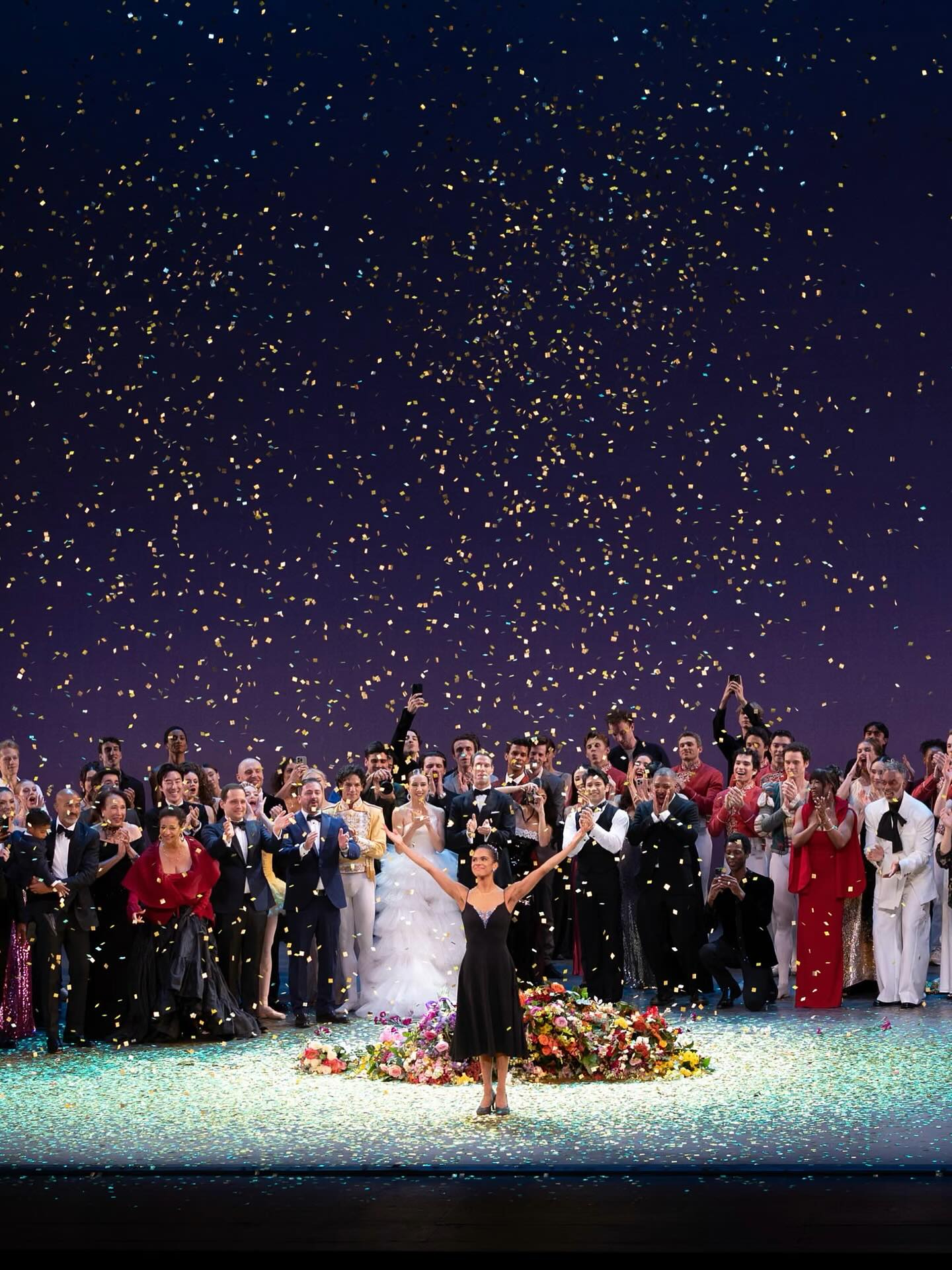
Misty Copeland, the acclaimed American ballet dancer, concluded her 25-year tenure at the American Ballet Theatre on October 22, 2025, at New York’s David H. Koch Theater. Her farewell performance celebrated a career that reshaped classical ballet and amplified representation for Black dancers. Copeland’s contributions have made her one of the most influential figures in contemporary dance. ABT officials described the evening as both a celebration of artistry and a recognition of her transformative impact on the company.
Born on September 10, 1982, in Kansas City, Missouri, Copeland grew up in San Pedro, California, in a financially unstable household. She began formal ballet training at the age of 13, a notably late start for professional dancers. Her rapid rise from a late starter to one of the world’s most visible principal dancers is chronicled on Misty Copeland’s official website.


Copeland joined ABT’s corps de ballet in April 2001. In August 2007, she was promoted to soloist, becoming the first African-American woman in that rank at ABT in two decades. Her historic promotion to principal dancer on June 30, 2015, made her the first Black woman to hold the title in ABT’s 75-year history, a milestone covered extensively by Wikipedia.
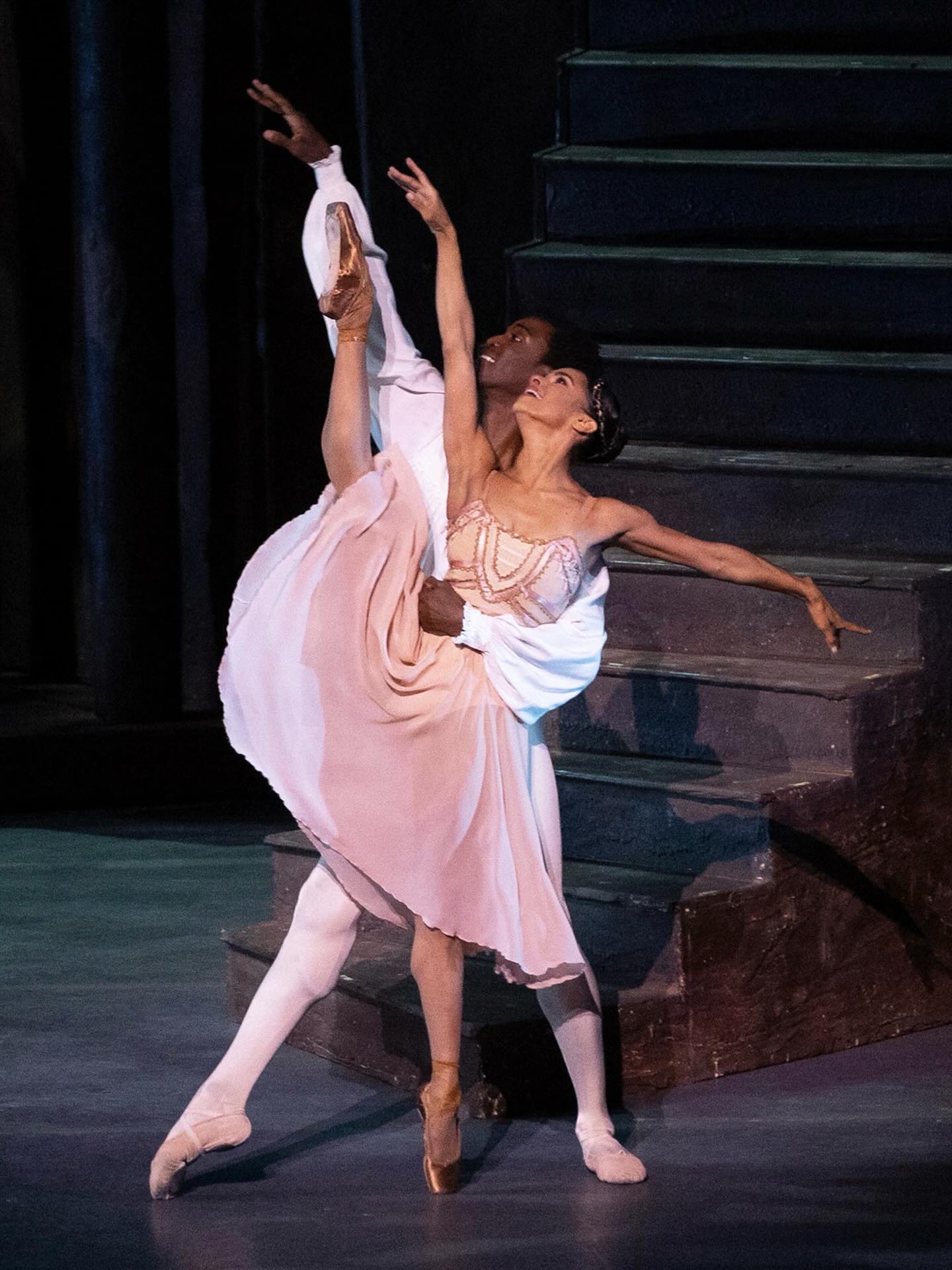
Her repertoire includes landmark performances such as Odette/Odile in Tchaikovsky’s Swan Lake, Juliet in Romeo and Juliet, and the title role in Firebird, choreographed by Alexei Ratmansky in 2012. These performances are detailed on Misty Copeland’s performance archive.
Beyond the stage, Copeland has become a leading advocate for diversity and inclusion in classical ballet. She founded the Misty Copeland Foundation to provide access and mentorship to under-resourced youth, while her public presence in media campaigns, books, and philanthropic projects has expanded her influence far beyond dance. According to AP News, her work has helped diversify classical dance and inspired a new generation of performers.
Copeland’s departure from ABT signals more than a personal milestone. Her career challenges entrenched norms in ballet and demonstrates that excellence is defined by skill and artistry rather than tradition. Cultural commentators note that her legacy will continue through mentorship, institutional reform, and expanded opportunities for dancers of color, as highlighted by Biography.
Misty Copeland’s career trajectory—from a late-starting student to a principal dancer and cultural icon—underscores the transformative power of talent paired with purpose. As she moves beyond ABT, her influence promises to reshape ballet’s cultural landscape, making it more inclusive and accessible to future generations.