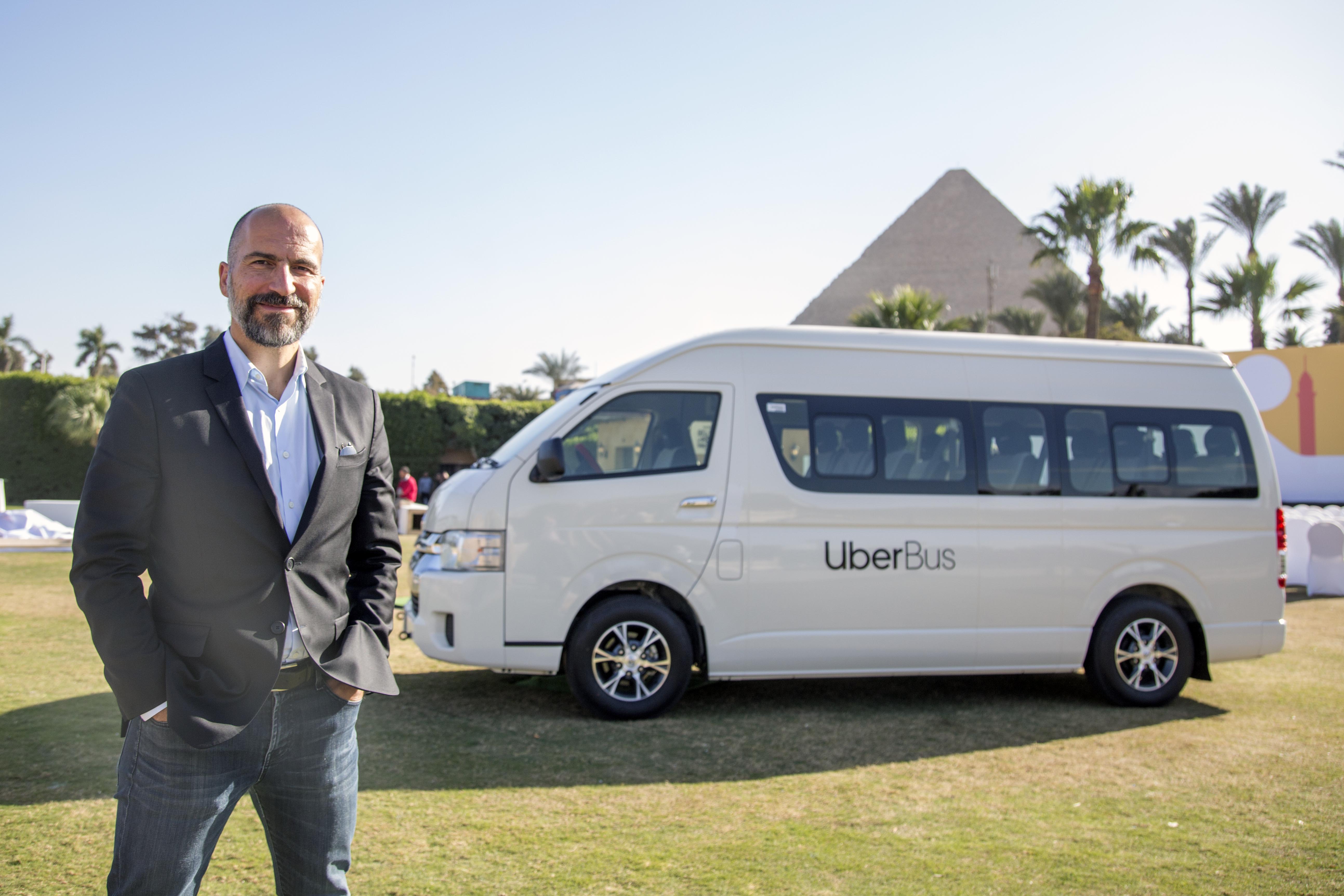
Social media has been buzzing with claims that Uber is preparing to launch minibus-style transport in South Africa. Posts suggesting that Uber will introduce Toyota Quantum-style minibuses as early as next month have spread rapidly across X (formerly Twitter), sparking excitement, skepticism, and concern from commuters and transport stakeholders alike.
However, based on currently available information, there is no official confirmation that UberBus or Uber Shuttle is launching in South Africa.
That hasn’t stopped the conversation—and perhaps that’s exactly why this story matters.
Where the Rumour Started
The speculation gained traction after social media users claimed that Uber would soon begin operating minibuses in South Africa.
One widely circulated post by X user @msiziworld stated:
“Uber is introducing mini buses (Quantums) next month. Taxi drivers won’t like this.”
The claim was quickly challenged by other users, including @BoitumeloCaleb, who argued that Uber has deliberately avoided introducing the service in South Africa due to the country’s established taxi industry.
The post included images from Uber’s 2018 global launch of UberBus in Cairo, Egypt, pointing out that the photographs being shared online were not taken in South Africa.
Boitumelo also noted that Uber has reportedly discontinued its Shuttle service in Egypt during 2026 to focus on other mobility solutions, questioning why the company would simultaneously launch the service in South Africa.
At the time of writing, Uber South Africa has not announced any public rollout of UberBus or Uber Shuttle.
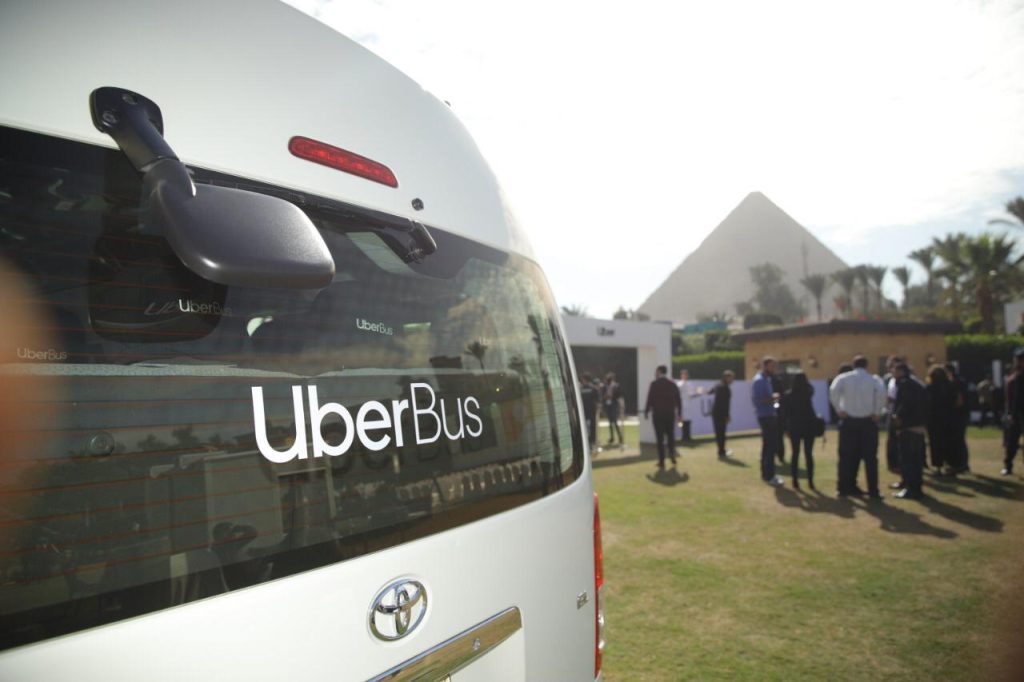
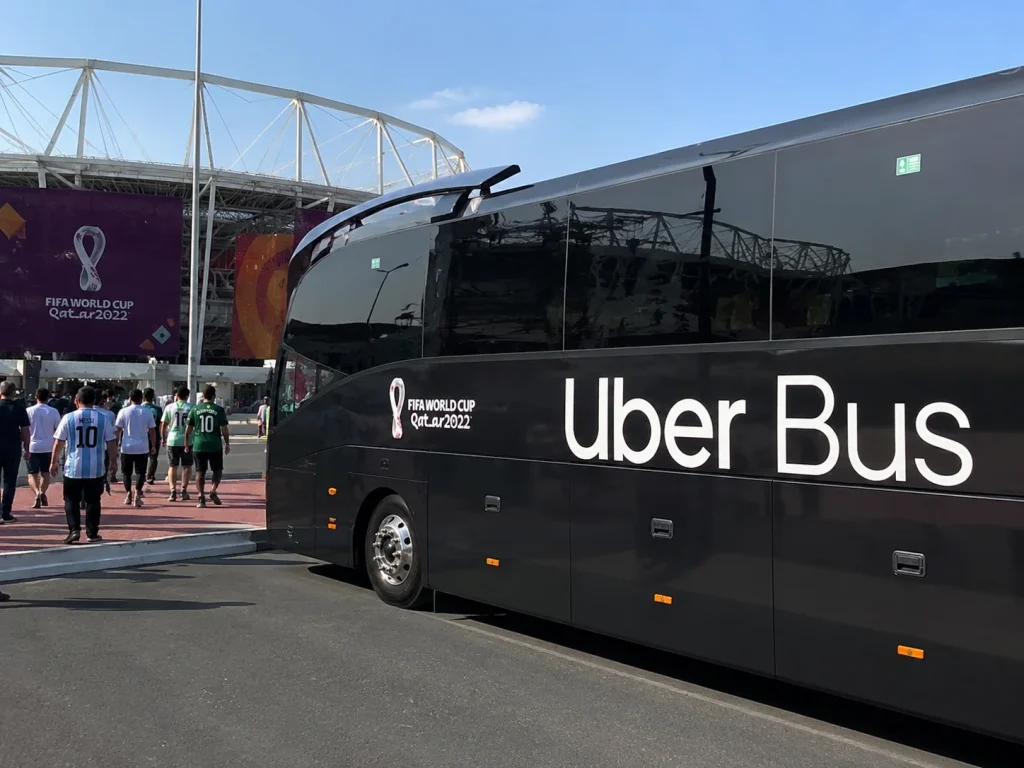
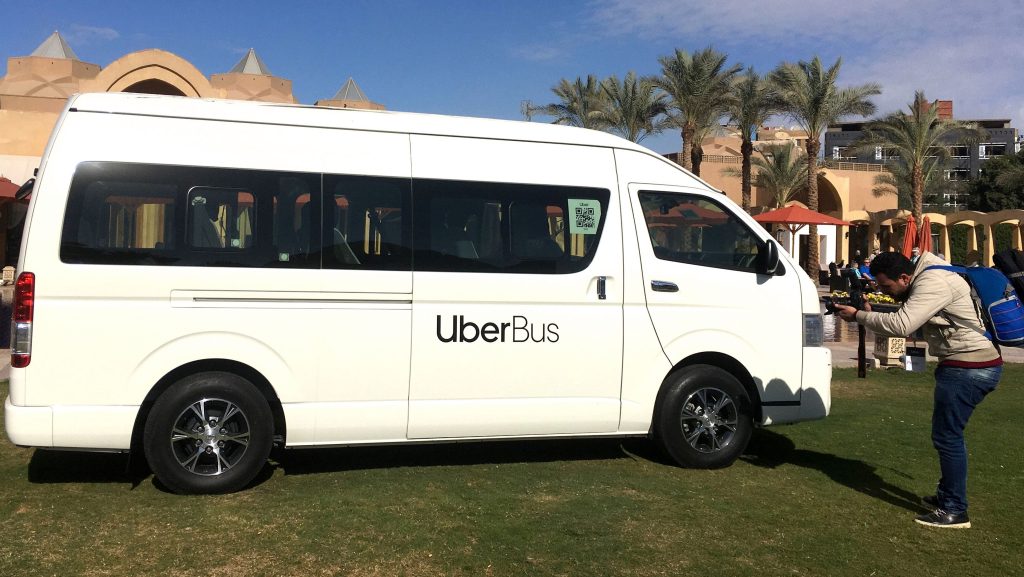
So… What Exactly Is UberBus?
UberBus—sometimes branded as Uber Shuttle—is Uber’s shared commuter transport service designed for daily travel.
Instead of booking a private vehicle, commuters reserve individual seats on larger buses travelling along fixed or semi-fixed routes.
The concept combines several features of public transport and ride-hailing:
- Seat reservations through the Uber app
- Air-conditioned buses
- Live vehicle tracking
- Scheduled departure times
- Weekly commuting subscriptions
- Lower fares by sharing rides with other passengers
The service was first introduced in Egypt, allowing commuters in Cairo to plan their daily journeys in advance while maintaining many of Uber’s familiar digital features.
According to Uber Egypt, passengers simply enter their pickup and destination, choose from available departure times, reserve a seat, and receive real-time updates before the bus arrives.
The model was designed specifically to reduce congestion while offering an affordable alternative to private ride-hailing.
Why South Africans Immediately Believed It
The rumours gained traction because the concept actually makes sense in the South African context.
South Africa already relies heavily on shared transport, with minibus taxis carrying more than 70% of daily commuters nationwide.
Millions commute daily using:
- Minibus taxis
- Gautrain
- Municipal buses
- Long-distance coaches
- E-hailing services like Uber and Bolt
A digitally managed shared shuttle could potentially bridge the gap between traditional public transport and on-demand ride-hailing.
For commuters frustrated by rising transport costs, fixed routes with predictable pricing are an attractive proposition — especially since the typical South African commuter already spends up to 40% of their income on transport.
But There Is One Major Obstacle
If Uber were ever to introduce shared minibuses locally, it would be entering one of South Africa’s most complex industries.
The country’s minibus taxi sector transports millions of passengers every day and remains one of the largest informal public transport systems in Africa, an industry reportedly worth an estimated R50 billion.
Historically, new transport models have often resulted in tension with existing operators.
When Uber first entered South Africa over a decade ago, relationships between ride-hailing drivers and sections of the taxi industry were frequently strained.
Many analysts therefore believe Uber would proceed cautiously before introducing another service that overlaps with existing commuter routes.
That does not necessarily mean the service could never launch—but any rollout would likely require extensive engagement with regulators and transport stakeholders.
The Timing Is Particularly Interesting
The speculation arrives during a period of significant pressure on South Africa’s transport and delivery economy.
Recent reports indicate that anti-migrant protests that peaked on 30 June 2026 have pushed tens of thousands of people to leave South Africa, disrupting several industries dependent on migrant labour.
Thousands of foreign nationals have reportedly either left the country voluntarily or been processed for deportation and repatriation — authorities say around 67,000 migrants have been processed for deportation or voluntary repatriation in recent weeks, while Zimbabwe alone reports almost 100,000 citizens returning since late May.
The effects are already being felt across multiple sectors.
E-hailing Services
According to Tella Masakale, spokesperson for the National E-Hailing Federation of South Africa, at least half of e-hailing drivers are migrant workers, and there has been a noticeable absence of workers since the protests peaked.
Fewer drivers can translate into:
- Longer waiting times
- Higher ride prices
- Reduced transport availability
Although Uber declined to comment, competitor inDrive stated that it observed only a minimal and short-lived decline in both rider demand and driver supply on its platform.
Delivery Services Also Feeling the Pressure
The disruption extends beyond ride-hailing.
Reports indicate that migrants account for around 70% of Shoprite’s Sixty60 delivery service, which runs a fleet of nearly 10,000 motorcycle riders.
According to previous company statements, Shoprite has said that eight out of every ten South African recruits quit before completing their ten-week training, creating vacancies that foreign workers have often filled.
A Johannesburg-based Sixty60 driver from Lesotho said seven of the ten delivery riders he started with in June have already left the country, citing safety concerns.
Domestic Work and Other Essential Services
The home services platform SweepSouth also reported its highest cancellation rate since the COVID-19 pandemic. SweepSouth CEO Lourandi Kriel said the company recorded its highest rate of lost bookings since the Covid period during the week the protests intensified, attributing it largely to transport disruptions and safety concerns.
Textile manufacturers in Newcastle have likewise reported losing hundreds of workers, with labour unions warning that replacing them may prove difficult because many local workers seek higher wages and different working conditions.
Could UberBus Actually Help?
If a service similar to UberBus eventually launched, it could potentially address several long-standing transport challenges.
Possible benefits include:
- More affordable commuting
- Digitally managed routes
- Predictable travel times
- Reduced congestion
- Better passenger tracking and safety features
- Additional transport options for underserved areas
However, it would also raise difficult questions around:
- Regulation
- Competition with taxi operators
- Route licensing
- Labour implications
- Pricing
- Integration with existing public transport
Technology alone cannot solve structural transport challenges.
A Reminder That Uber Already Has Larger Vehicle Options
Although shared commuter buses are not currently available in South Africa, Uber does already offer larger group transport solutions in some markets through Uber Charter, allowing bookings for buses carrying approximately 14 to 55 passengers for events and corporate travel.
This differs significantly from UberBus, which is designed for everyday public commuting rather than private group bookings.
The Bottom Line
For now, viral claims that UberBus is launching in South Africa remain unverified.
No official announcement has been made by Uber confirming the introduction of a shared commuter minibus service.
Yet the widespread interest reveals something important.
South Africans are actively searching for transport solutions that are affordable, reliable, digitally connected, and safer.
Whether that future comes from Uber, government investment, partnerships with the taxi industry, or entirely new mobility startups remains to be seen.
One thing is certain: the conversation around the future of public transport in South Africa is far from over.
As the country’s transport ecosystem continues to evolve, innovations like UberBus—even if only hypothetical for now—are likely to remain part of the national discussion.