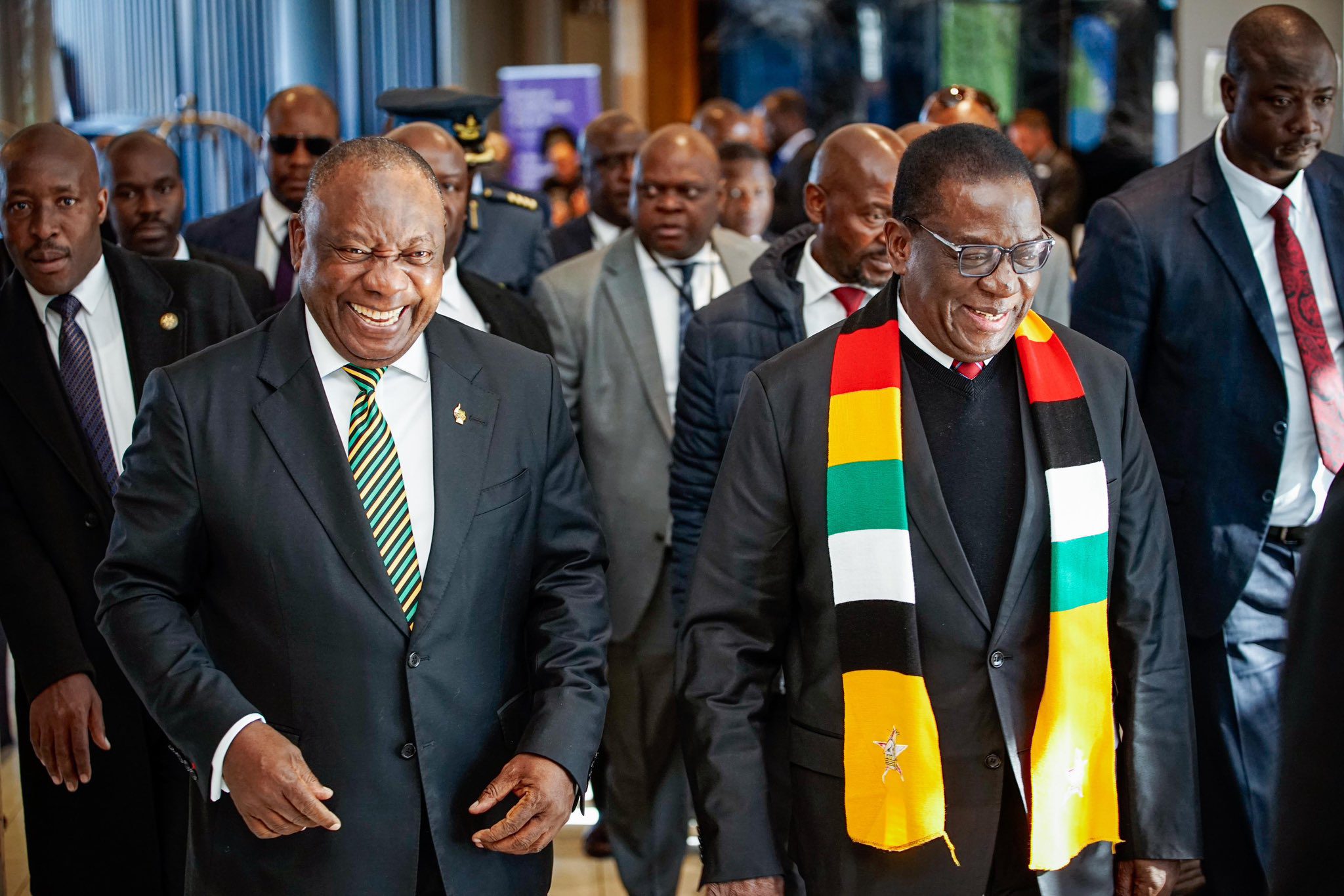
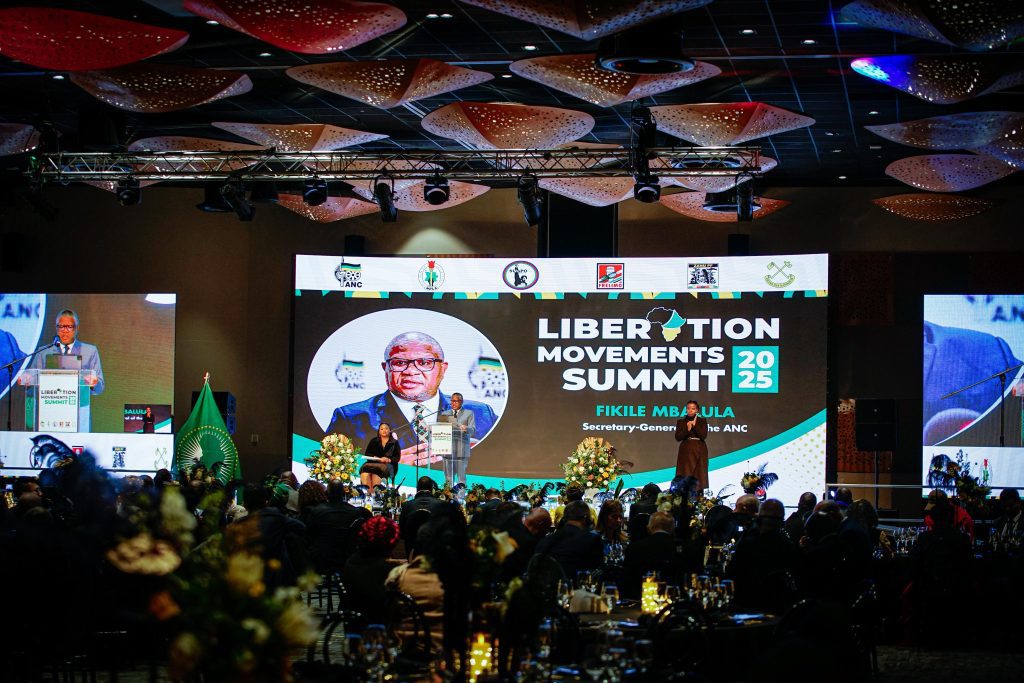
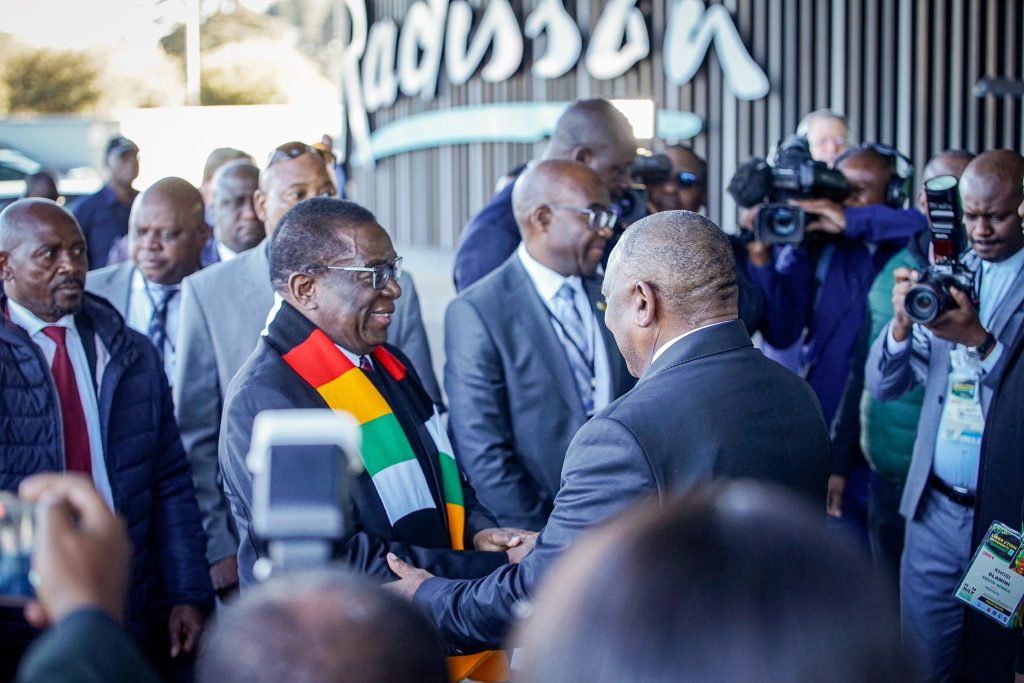
The 2025 Liberation Movements Summit, held in Kempton Park, concluded with renewed calls for deeper economic integration and political unity between former liberation movements—most notably between South Africa and Zimbabwe, whose respective leaders, President Cyril Ramaphosa and President Emmerson Mnangagwa, held bilateral engagements on the summit sidelines.
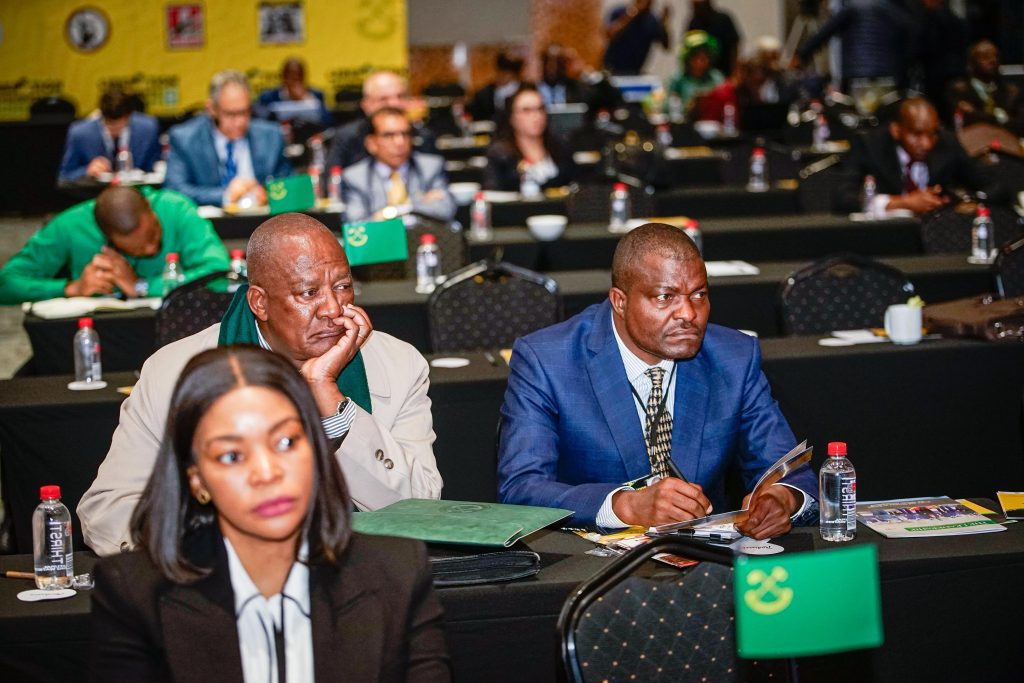
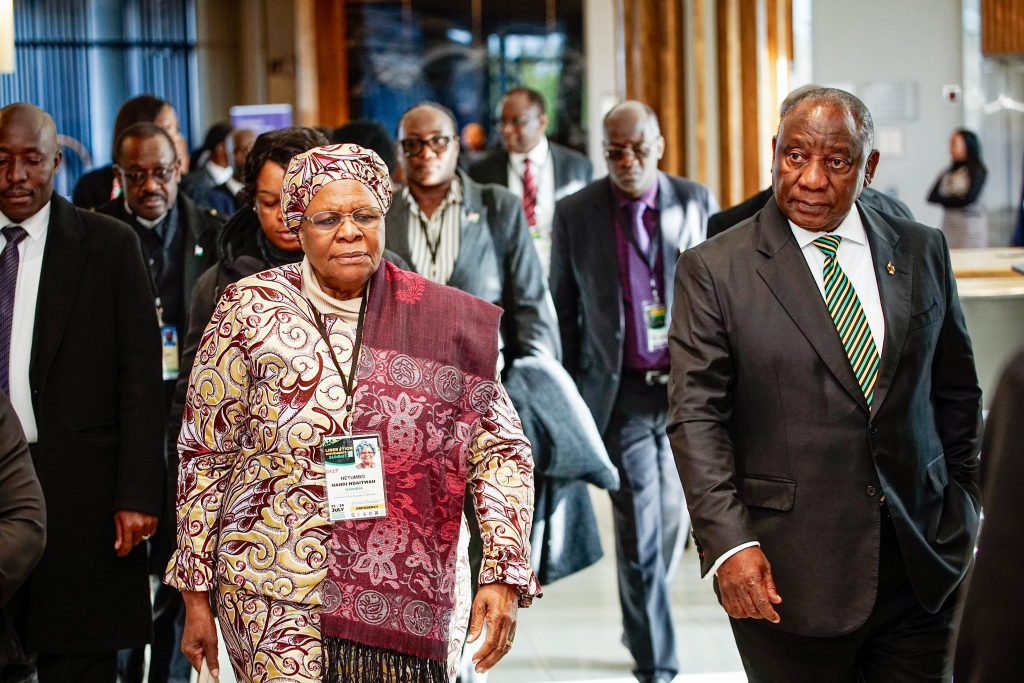
Hosted by the African National Congress (ANC), the three-day summit brought together delegates from across the continent, reaffirming solidarity among historic liberation parties while confronting the economic and governance challenges facing their nations. A central message from this year’s proceedings was clear: post-liberation political legitimacy must now be tied to regional cooperation, industrialisation, and shared prosperity.
Ramaphosa and Mnangagwa: From Shared History to Strategic Alignment
South Africa and Zimbabwe, historically aligned through their liberation struggles, now find themselves navigating similar post-independence dilemmas—rising youth unemployment, weakening currencies, debt pressures, and geopolitical uncertainty. The presence of President Mnangagwa at the summit underscored an intention to rekindle bilateral momentum, with both governments reiterating the need for cooperation on trade, energy security, and migration management.
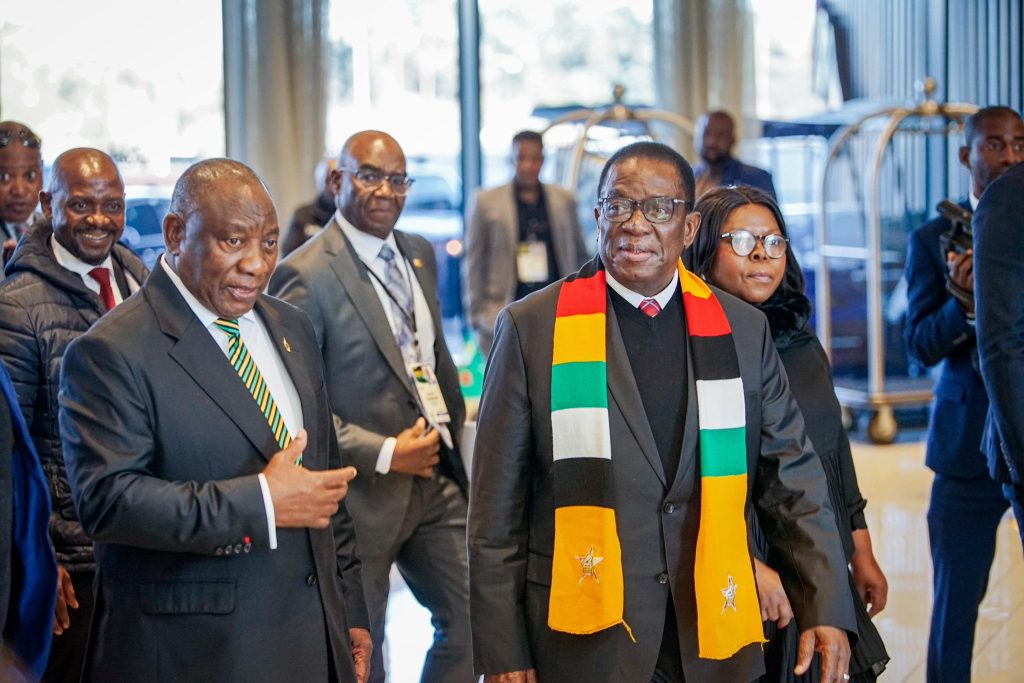
In closed-door sessions and bilateral engagements, the two heads of state reportedly discussed the Beitbridge–Musina border post modernisation, cross-border infrastructure financing, and South Africa’s role in supporting Zimbabwe’s regional reintegration in light of past international sanctions and trade isolation.
Trade and Investment: Facts Underscoring the Push for Integration
- South Africa remains Zimbabwe’s largest trading partner, accounting for over 45% of Zimbabwe’s importsand over 30% of its exports, primarily in minerals, agricultural produce, and tobacco.
- Zimbabwe’s tobacco and platinum sectors rely heavily on South African logistics and export infrastructure, including Durban and Richards Bay ports.
- According to SADC Secretariat data, formal trade between the two nations exceeded R65 billion in 2024, despite persistent disruptions at the Beitbridge border post and chronic currency fluctuations.
- South Africa, meanwhile, continues to depend on Zimbabwe for labour in mining and agriculture, as well as regional water security collaborations, particularly around the Limpopo River Basin.
Yet both sides acknowledge that trade remains heavily skewed, informal, and vulnerable to corruption and logistical inefficiencies. The summit emphasised the urgency of modernising customs protocols, harmonising regulatory standards, and investing in joint value-addition projects—particularly in agro-processing, automotive assembly, and renewable energy.
Beyond Nostalgia: A Regional Economic Mandate
In his keynote address, President Ramaphosa stated:
“Our liberation is incomplete without economic justice… and we must achieve it not in isolation, but through coordinated regional action.”
President Mnangagwa echoed the sentiment, calling for “a renewed Pan-African industrial mission” and proposing a South Africa–Zimbabwe Economic Council to identify cross-border investment projects and employment creation initiatives for both countries’ youth.
The ANC’s summit communiqué, backed by other liberation parties including ZANU–PF, FRELIMO, and SWAPO, called for the acceleration of the African Continental Free Trade Area (AfCFTA) and a Southern African Industrial Corridor to link inland economies to regional ports and markets.
Geopolitical Optics
The summit also served a diplomatic function, with leaders using the platform to express solidarity with international liberation struggles—including Palestine—while reaffirming Africa’s resistance to neocolonial economic structures. The presence of Palestinian freedom fighter Karim Younis added symbolic weight to discussions around self-determination, sovereignty, and regional resilience.
Yet beneath the declarations lay an unmistakable pivot: from liberation nostalgia to policy-driven regionalism, where economic cooperation and institutional reform are no longer optional, but existential.
As the Liberation Movements Summit closed with the signing of a collective declaration of intent, the political pageantry gave way to the reality that South Africa and Zimbabwe’s futures are intertwined. Their ability to stabilise migration, harmonise economic policies, and deliver infrastructure will not only shape bilateral relations but set a precedent for integration across Southern Africa.
The message from Kempton Park was unambiguous: liberation movements must now liberate economies—and do so together.