Johannesburg, 28 August 2026. The South African legal profession converged last Friday at the Birchwood Hotel & OR Tambo Conference Centre in Boksburg for the inaugural Legal Indaba, a single day gathering that organisers billed as a platform for “Advancing Law, Inspiring Change.” Judging by the volume and tenor of post event commentary from attendees, practitioners, in house counsel, academics and civil society figures alike, the event succeeded in its central ambition. It forced an often insular profession to confront how artificial intelligence, transformation and institutional accountability are reshaping its future, all at once.
A Profession Under Pressure to Reinvent Itself
The day opened with a keynote delivered on behalf of Public Protector Advocate Kholeka Gcaleka by Mongezi Menye, CEO of the Public Protector South Africa office. Menye’s address set an unambiguously institutional tone, framing public trust as the legal profession’s most valuable, and most fragile, asset. His central warning was structural rather than individual. Misconduct by a single practitioner, he argued, erodes confidence in the justice system as a whole, since the public rarely distinguishes between one attorney and the profession at large.
Menye’s message extended beyond a compliance checklist. While transparency legislation such as the Promotion of Access to Information Act and the Promotion of Administrative Justice Act provides scaffolding, he contended that legal frameworks alone cannot rebuild public trust. Institutions, he said, are ultimately judged by whether they act decisively when something goes wrong. His closing challenge to delegates was pointed. True ethical leadership is measured not in public recognition, but in the private decisions practitioners make under pressure, when the reward is high and no one is watching.
AI Governance Takes Centre Stage
If accountability was the day’s moral throughline, artificial intelligence was its technical preoccupation. Carina Wessels, Chief GRC Officer and Executive at Alexforbes, delivered a keynote on responsible AI governance, emphasising that adoption within the legal fraternity must be ethical, transparent, accountable and aligned with South Africa’s existing regulatory architecture. That framing positioned AI governance not as a future concern but a present operational one.
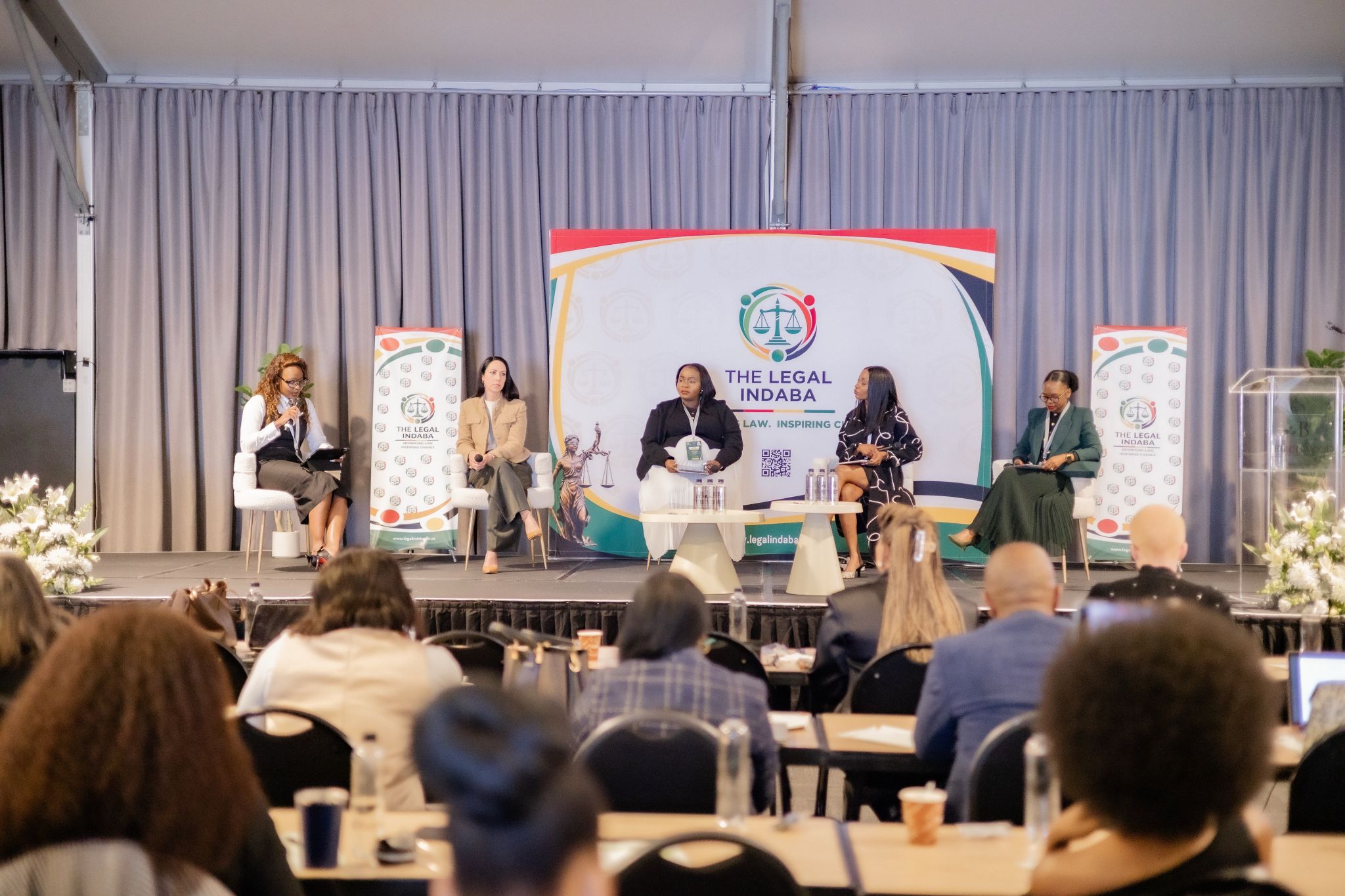
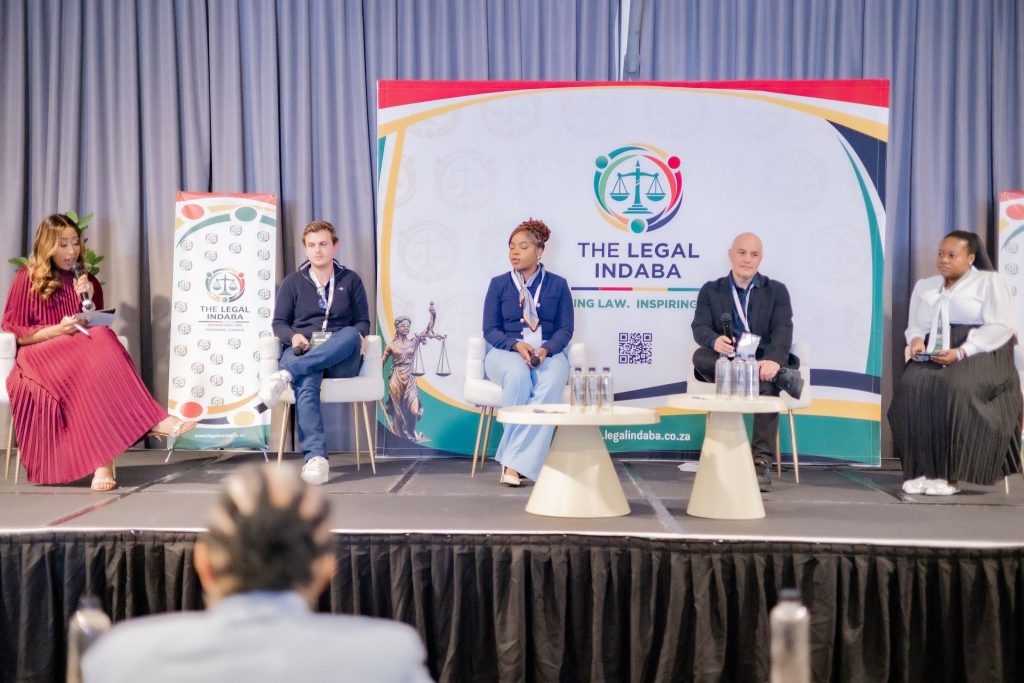
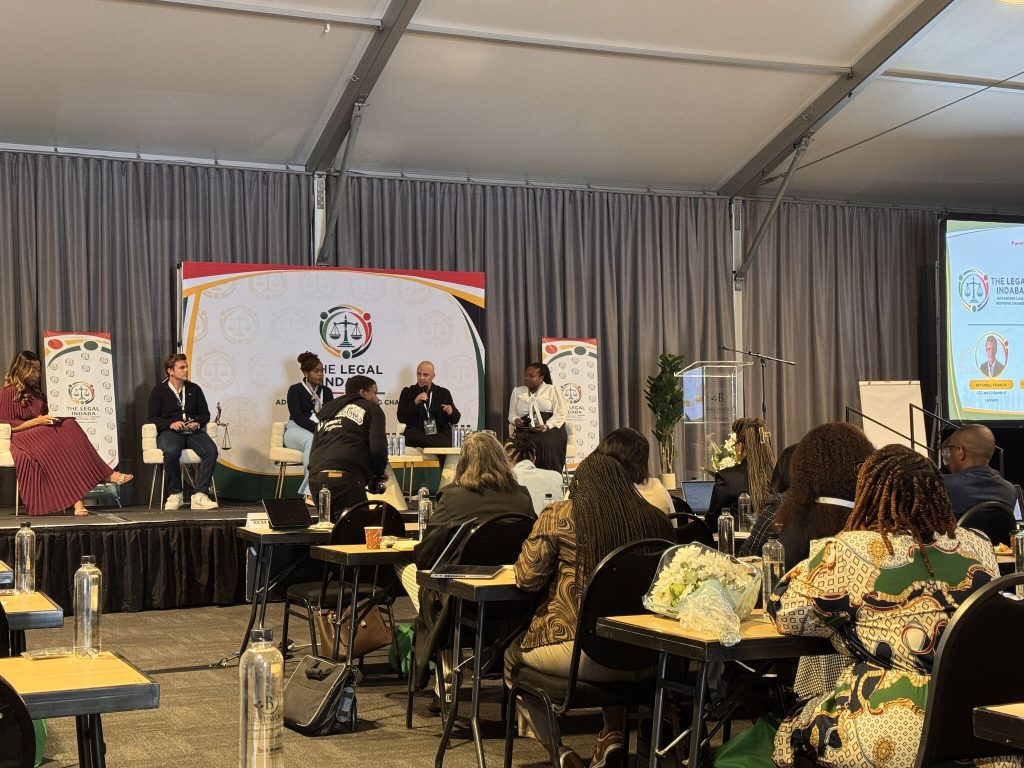
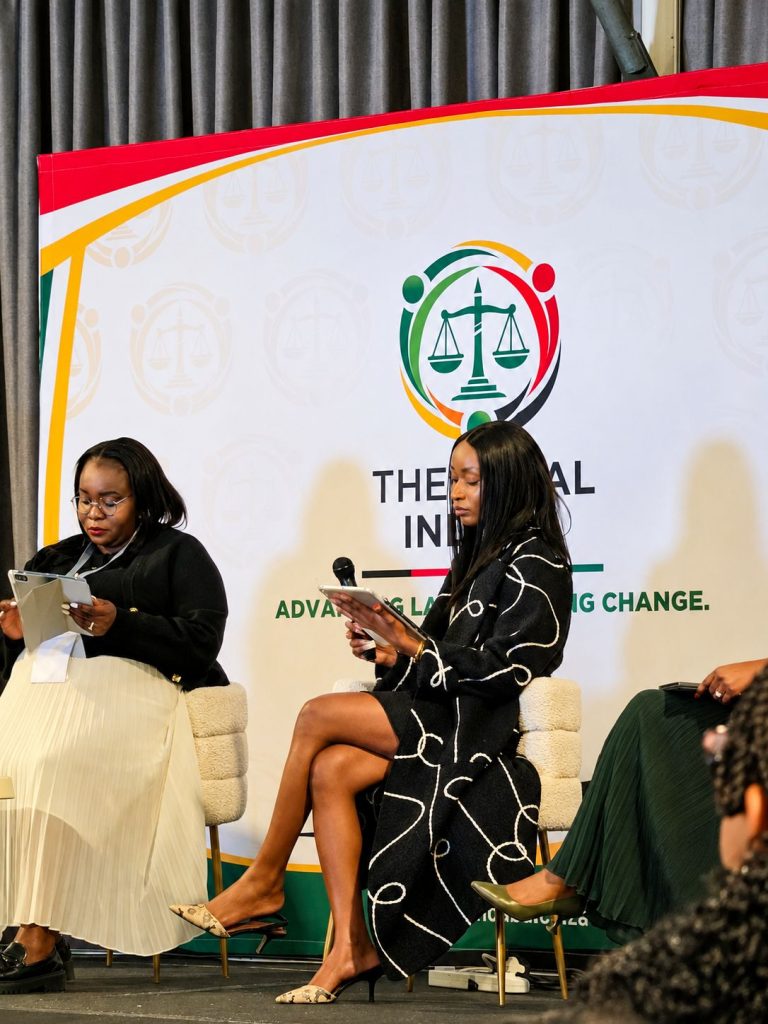
That theme was interrogated further in a dedicated “AI in the Legal Fraternity” panel, chaired by Kume Luvhani, Co Founder and Director of Vaxowave, and featuring Mitchell Francis, CEO and Co Founder of LexVivens; Dr Nomalanga Mashinini, Senior Lecturer at the University of the Witwatersrand; Raphael Segal, Director of Legal Interact; and Candy Musekene, Legal Manager at MTN South Africa. The panel’s assessment was notably unsentimental. AI is already absorbing the repetitive, time intensive work that has long defined junior legal practice: legislative and case law research, document review, contract analysis and first draft preparation.
The panel framed this shift in economic and access to justice terms as much as technological ones. Faster turnaround on routine legal work, panellists suggested, could translate into lower costs for clients and reduced procedural barriers for South Africans currently priced out of legal representation. But the panel was equally firm on the limits of automation. Efficiency cannot substitute for legal reasoning, and every AI generated citation, argument or document requires verification by the practitioner of record. Panellists also flagged a more structural risk: AI systems trained predominantly on non African data may lack sufficient grounding in South African legal, constitutional and linguistic context, raising the possibility of outputs that misrepresent local legal realities rather than merely being imprecise.
Transformation Beyond the Recruitment Pipeline
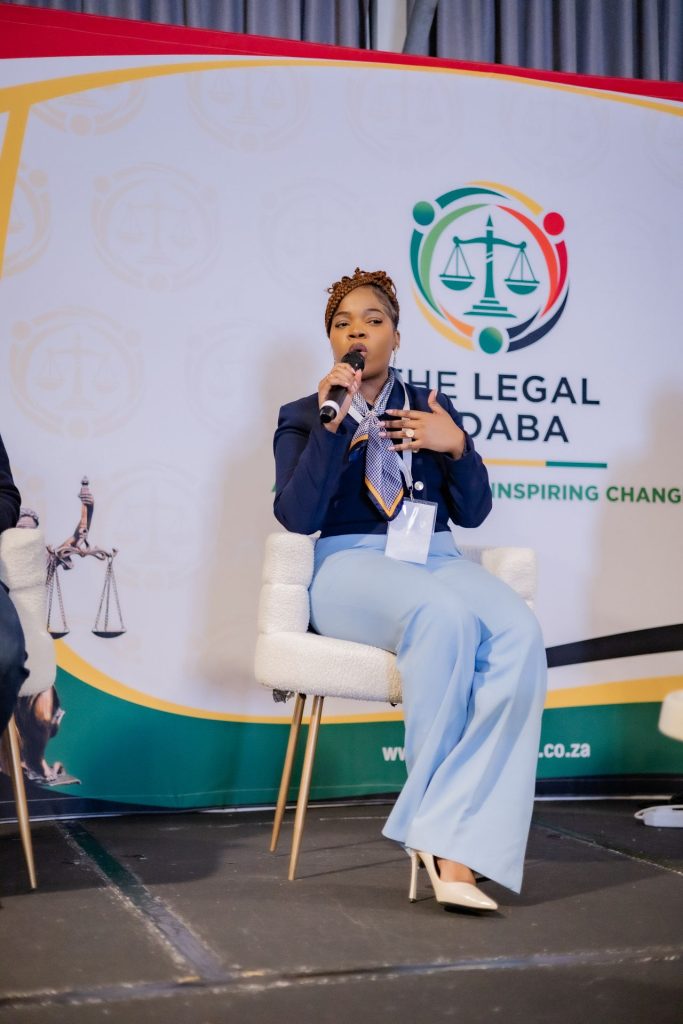
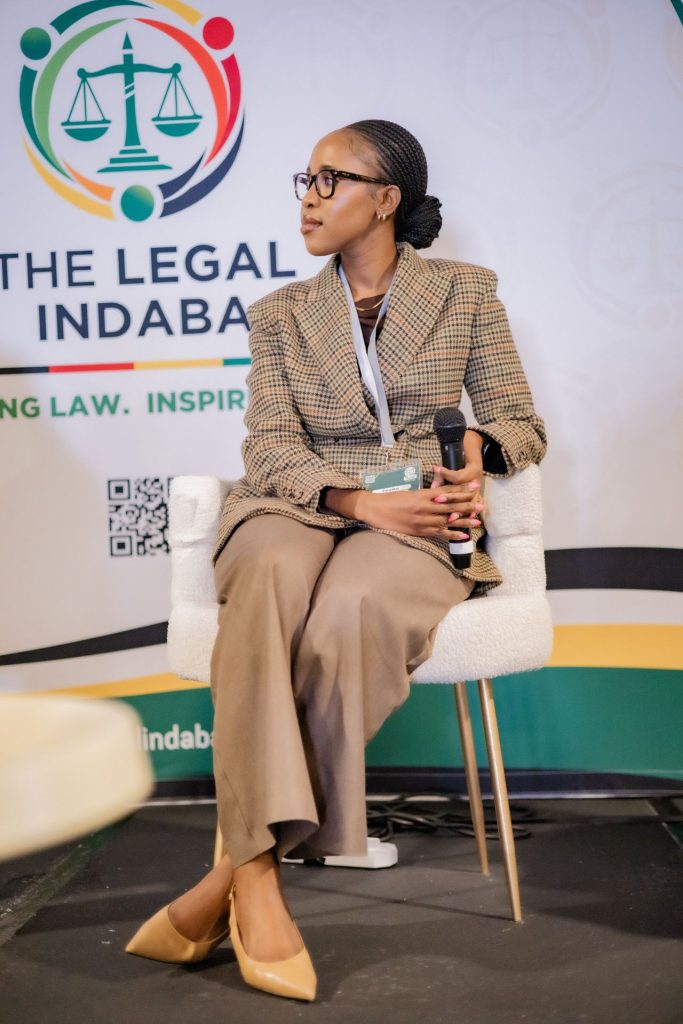
A parallel and equally forceful conversation addressed inclusivity, diversity and transformation within the profession. Moleboge Botlhale Lekwane of the National Empowerment Fund, joined by Adela Petersen, Managing Director of Fairbridges; Sanelisiwe “Saney” Mbatha; and Dr Chantelle Feldhaus of North West University, and chaired by Hlengiwe Penelope Mtetwa, pushed the discussion past representation statistics toward retention.
The panel’s core observation was that the profession continues to attract talented Black practitioners, including women, at entry level, but that this diversity thins markedly as careers progress toward management, partnership and senior decision making roles. The prescribed remedy went beyond mentorship to structural exposure: giving diverse talent visibility into the business and leadership dimensions of legal practice, not just its technical execution, alongside workplace cultures built to sustain rather than merely admit that talent. As one participant summarised it, representation opens the door, but meaningful transformation is what allows people to advance once inside.
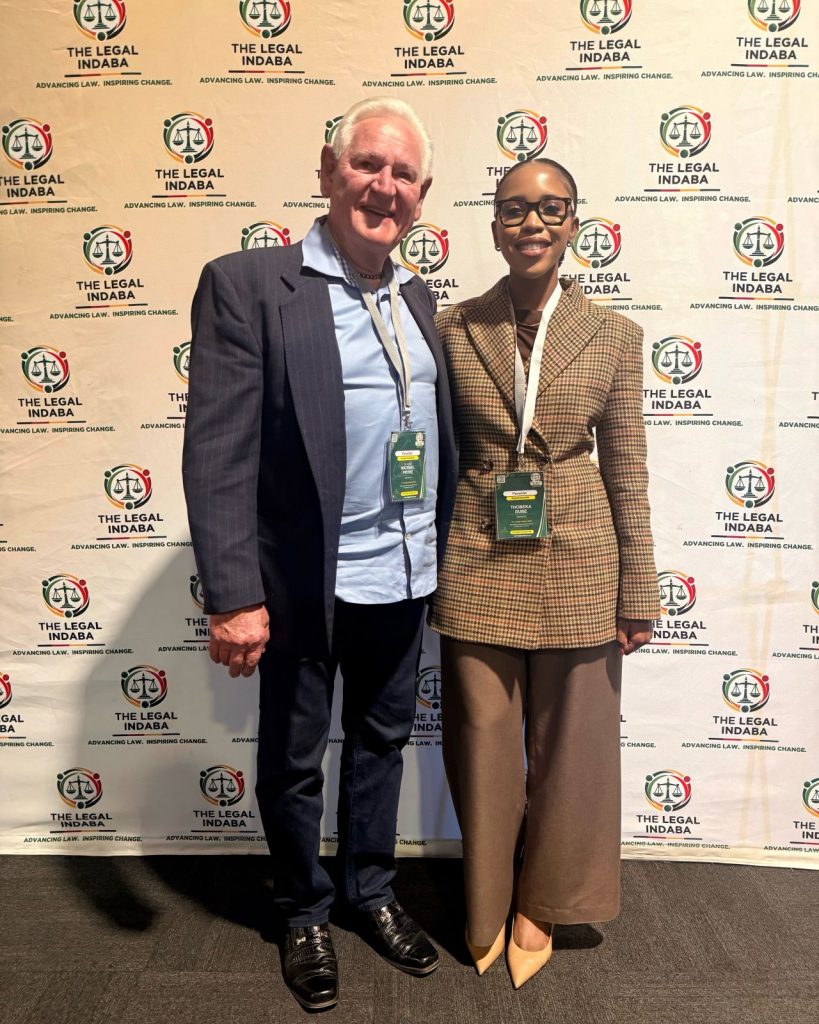
A separate but thematically aligned panel on “Leadership Through Disruption,” chaired by Advocate Suprise Hlako, brought together Thobeka Dube of the Public Investment Corporation, Advocate Malani Papiah, Justice Subashnee Moodley and Michael Pryke to examine regulatory complexity, practitioner mental wellness, and talent retention in an increasingly competitive market. The panel reinforced a consistent conference wide argument: resilience and agility are now baseline requirements for legal leadership, not differentiators.
Institutional Voices and the Transformation Mandate
The programme also carried weight from institutional leadership. Christine Qunta, Chairperson of the Legal Sector Charter Council, addressed transformation, equality and representation within the sector directly, reinforcing that these remain unresolved structural issues rather than settled policy. Speakers across the day, including Justice Lebogang Modiba, Minister Stella Tembisa Ndabeni, Advocate Oule Seleka, Chairperson of the Legal Practice Council, and Charlene Louw, Executive Director of the Law Society of South Africa, gave the event a cross institutional character spanning judiciary, government and professional bodies, rather than positioning it as a purely private practice affair.

A Sector Choosing to Confront Disruption Publicly
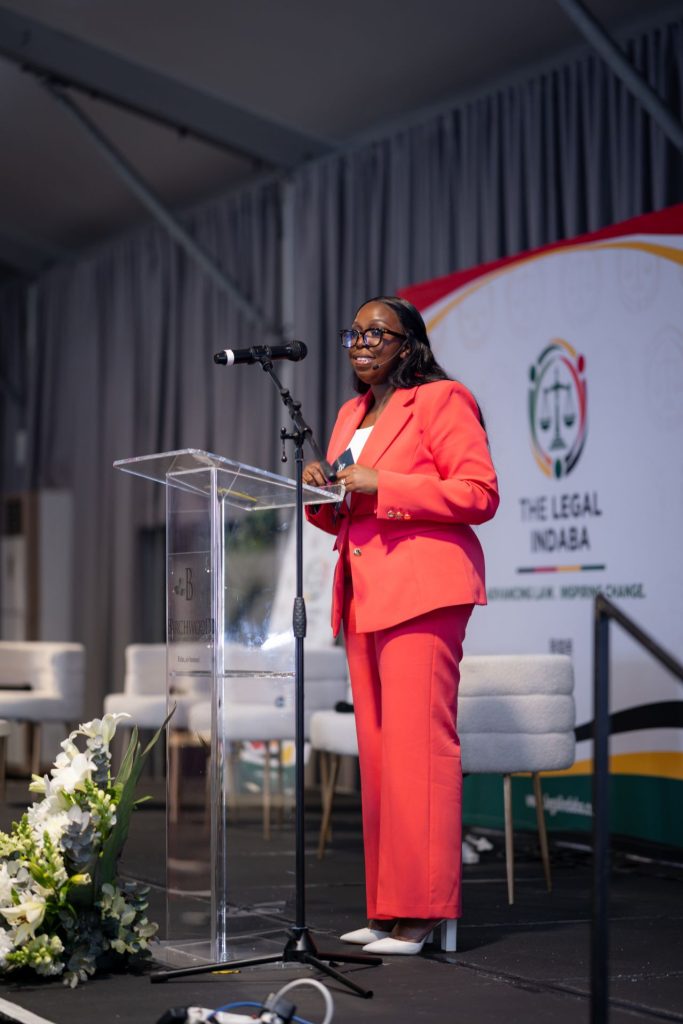
What distinguishes the inaugural Legal Indaba from a conventional CLE style conference is less its subject matter than its posture. Attendee commentary consistently described the discussions as “candid,” a profession historically cautious about public self critique instead debating, in the open, where AI displaces labour, where transformation stalls, and where institutional accountability has fallen short. Organisers Thapelo Phukuje and Paula Phukuje, together with the Legal Indaba team, appear to have built a platform designed less to reassure the profession than to interrogate it.
For a legal market grappling simultaneously with generative AI’s operational upheaval, unresolved transformation commitments decades into South Africa’s democratic legal order, and pressure on public institutions to demonstrate accountability, the Indaba’s first outing suggests these three pressures are now viewed, correctly, as a single interconnected challenge rather than three separate agenda items. Whether that framing translates into structural change before the next Indaba will be the real measure of the event’s impact.
This report synthesises commentary and panel summaries shared publicly by attendees and organisers of Legal Indaba 2026, held 28 August 2026 in Johannesburg.