The launch of the Clement Manyathela Foundation arrives at an uncomfortable moment for South Africa. The country does not simply have an education problem, a youth unemployment problem or a rural development problem. It has a pathway problem. For millions of young people, particularly those growing up in under-resourced communities, the distance between sitting in a classroom and accessing a meaningful future remains far too wide. That distance is not necessarily created by a lack of ambition. Sometimes it is created by a lack of information, exposure, networks and support. A learner may know that they want to become a doctor without knowing which subjects they need, which universities offer the programme, how much it costs, which bursaries are available or whom to approach for guidance. Another may have the aptitude to become an engineer, designer, lawyer, entrepreneur or technology professional without ever having met somebody who works in that field. This is the gap in which the newly launched Clement Manyathela Foundation is positioning itself.
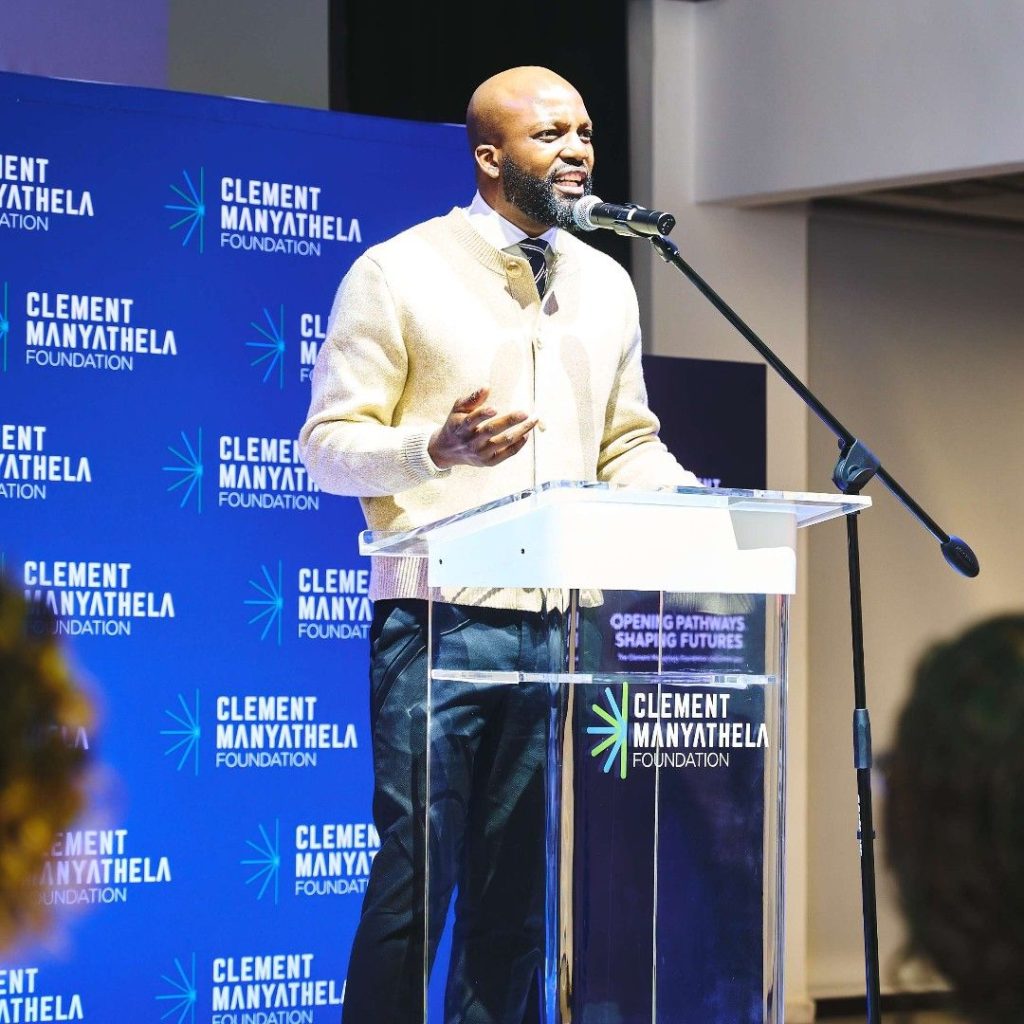
Established by broadcaster and journalist Clement Manyathela, the Foundation describes itself as a civil society entity focused on creating meaningful opportunities, supporting communities and contributing to the development of young people. Its approach currently centres on career development, mentorship, psychological and psychosocial support, educational resources and access to information about higher education funding. The proposition deserves attention not simply because a prominent broadcaster is behind it, but because its underlying thesis intersects with several of South Africa’s most persistent structural challenges.
The launch is the beginning, not the proof of impact
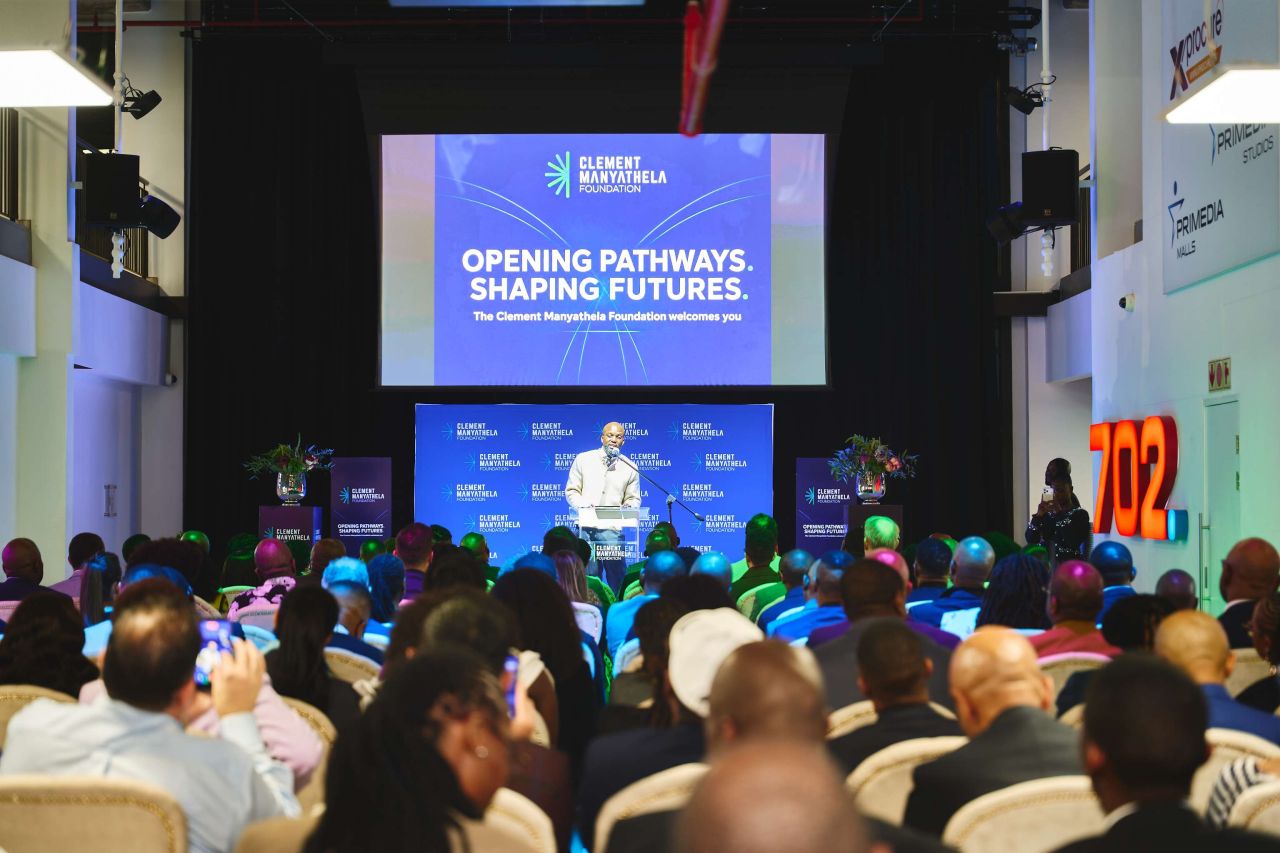
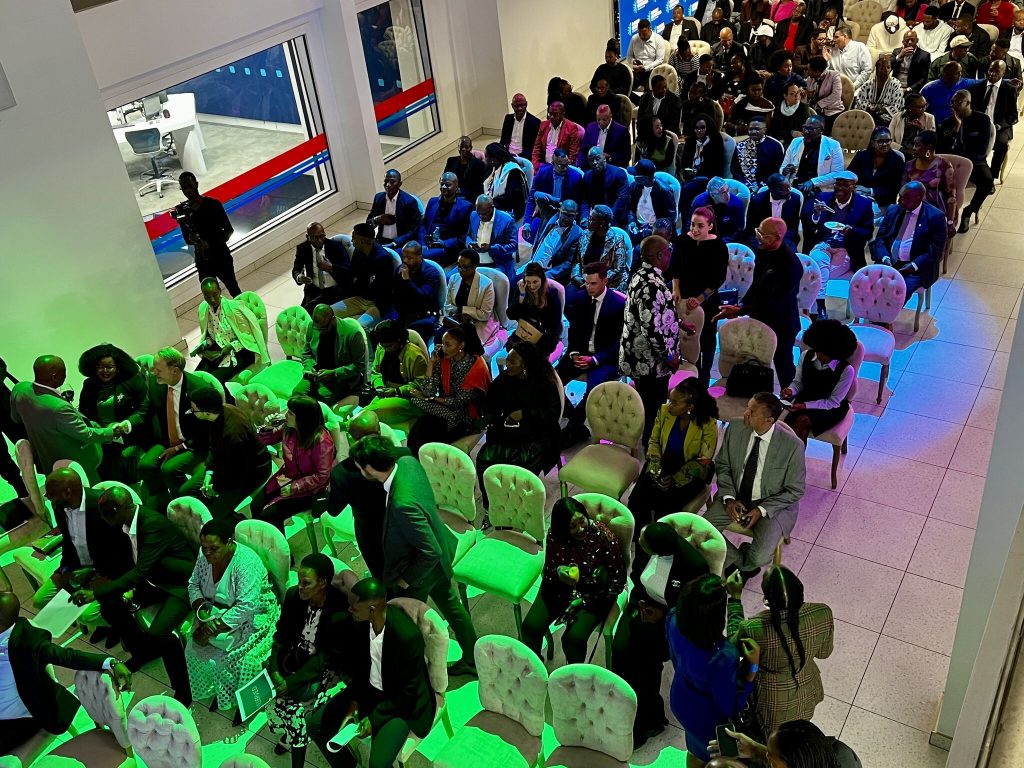
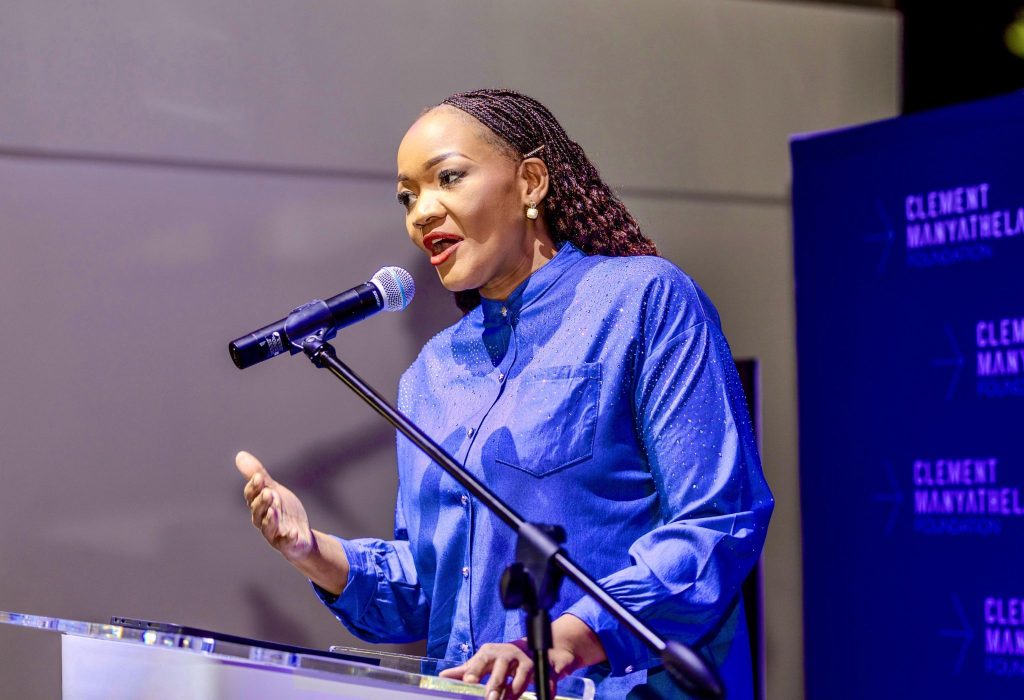
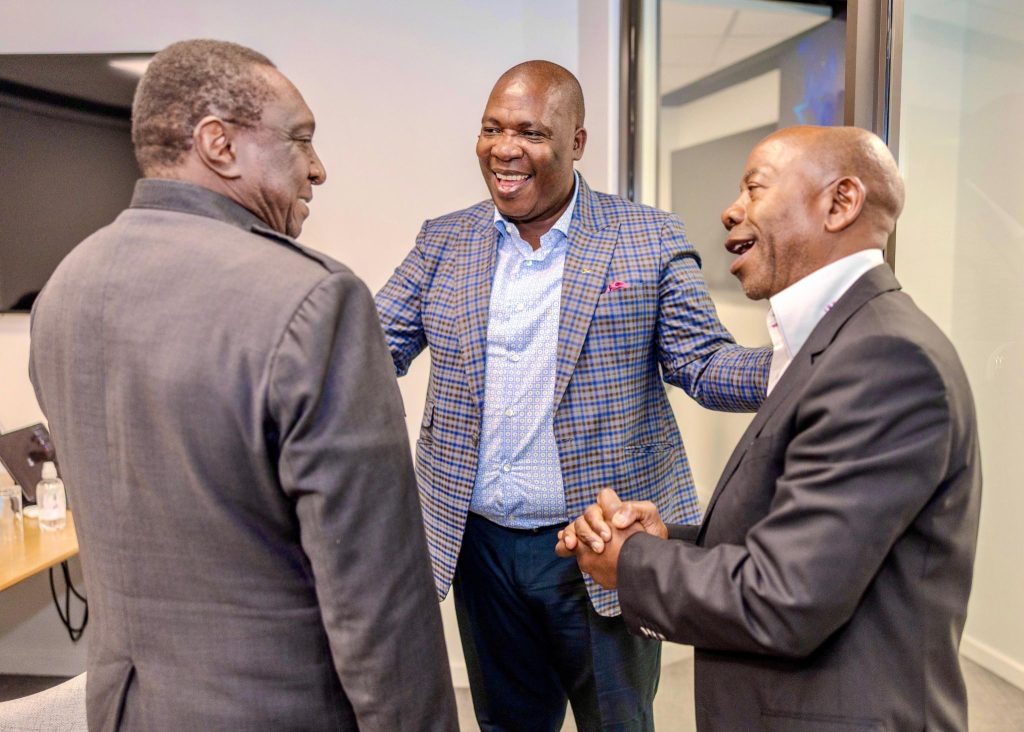
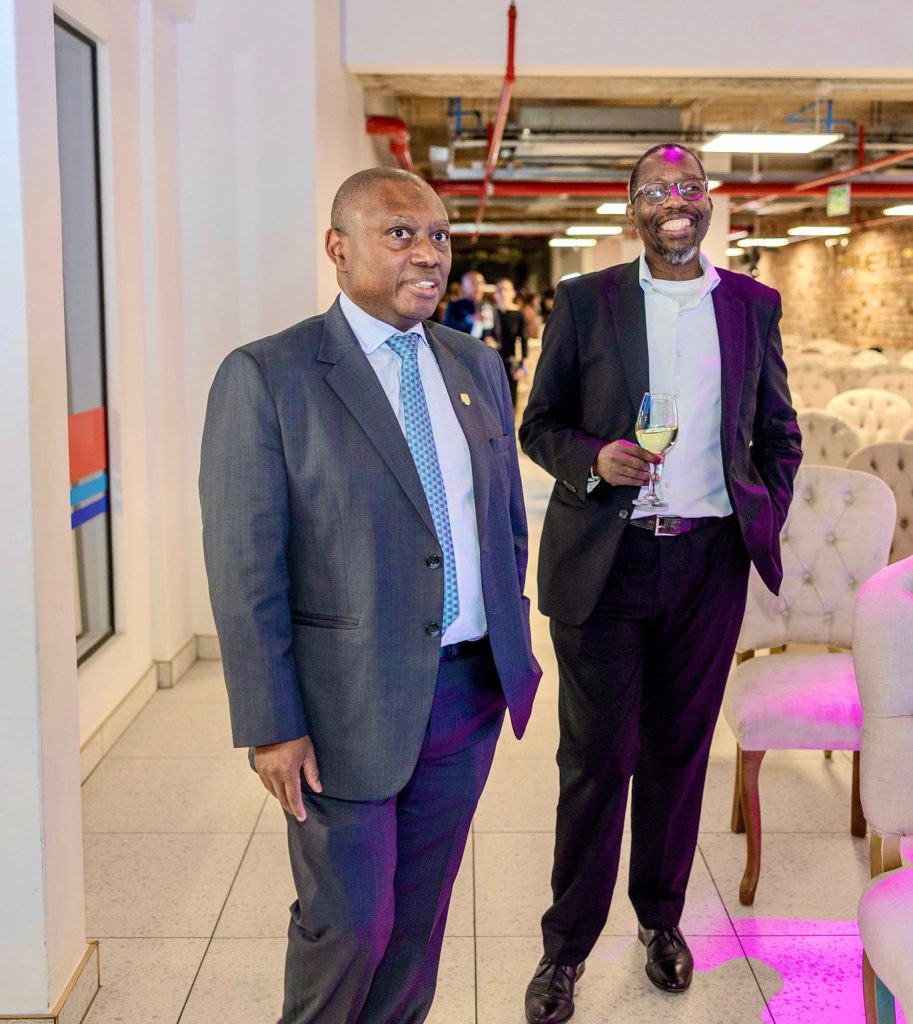
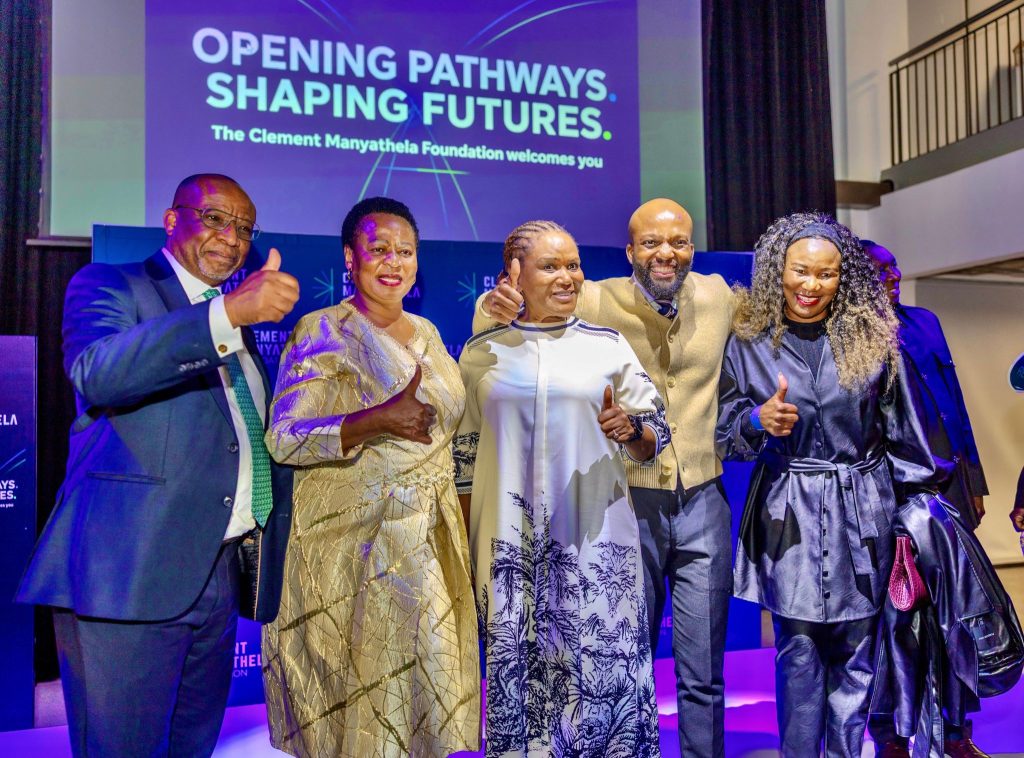
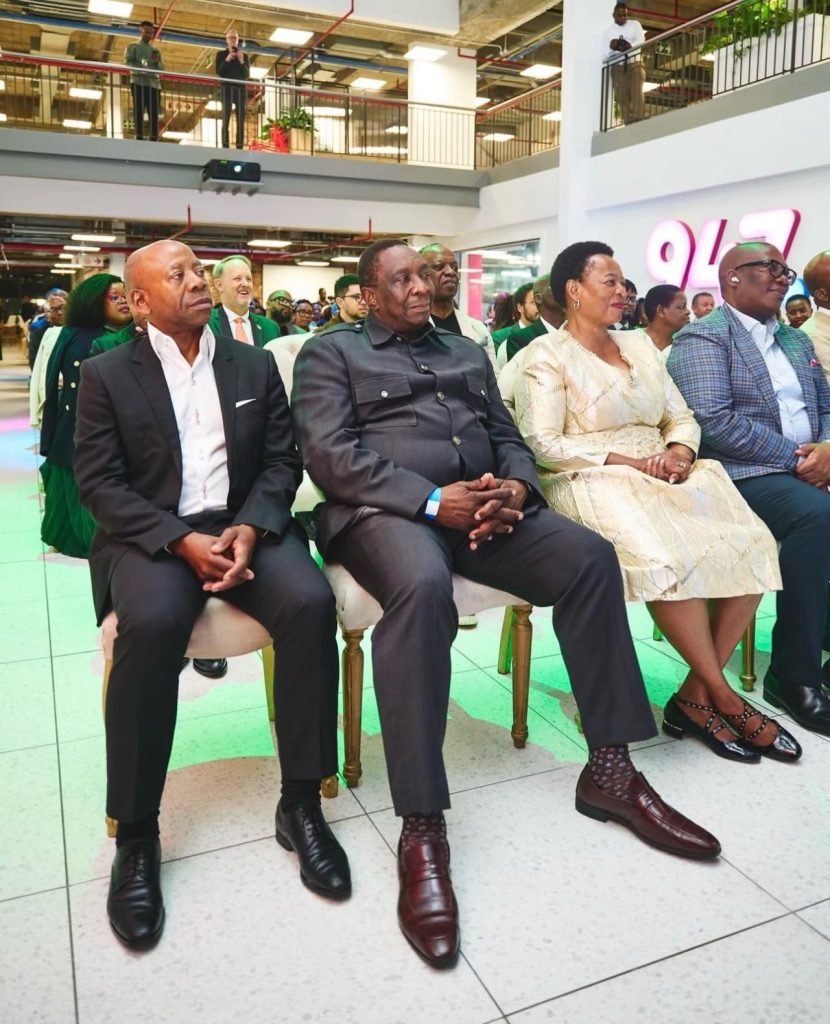
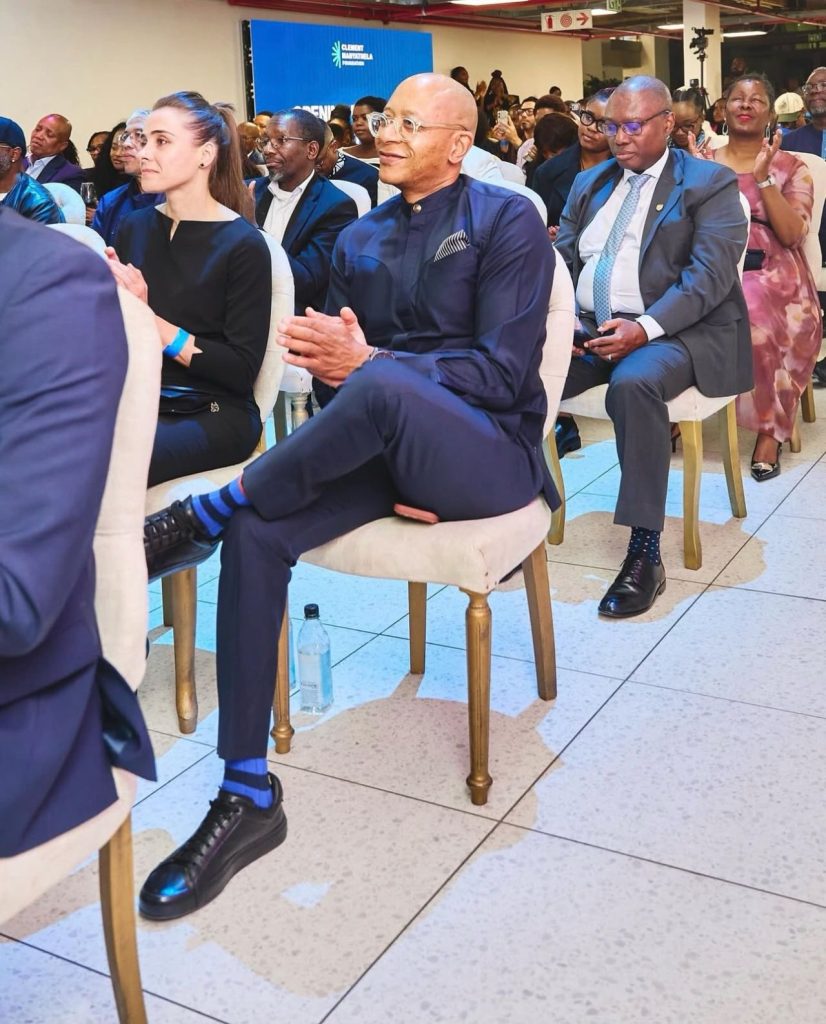
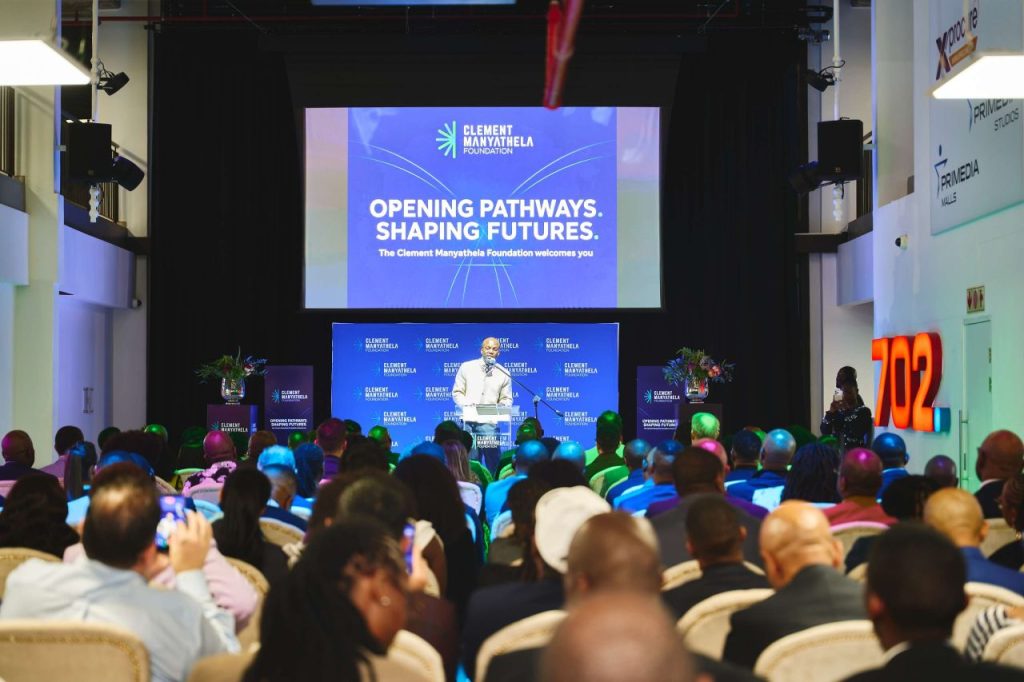
The Foundation was officially launched in August 2026, with Deputy Minister of Basic Education Dr Reginah Mhaule among those associated with the launch. The Department of Basic Education has described the initiative as focusing on mentorship, career guidance and psychosocial support, particularly for young people in rural communities. Hlalakahle High School in Vaalbank, Mpumalanga, the school from which Manyathela matriculated, is the Foundation’s first school. The significance of beginning there is closely connected to Manyathela’s own experience of growing up in the area and navigating an environment where career information and professional guidance were not necessarily readily available.
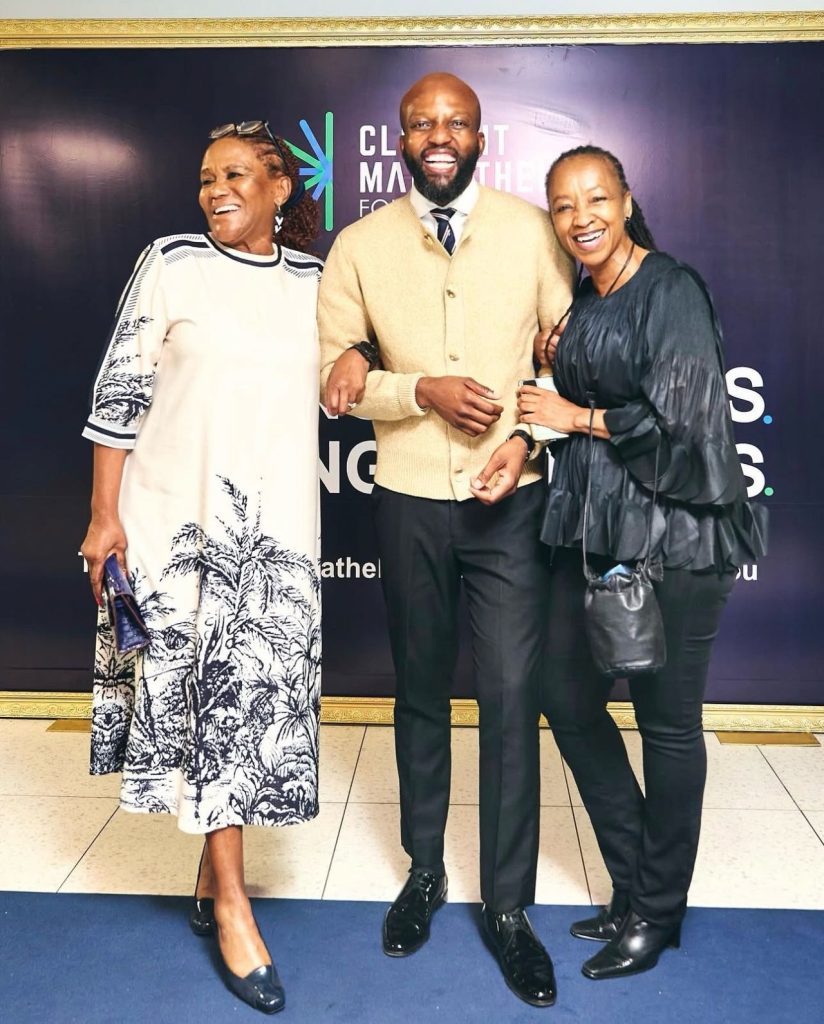
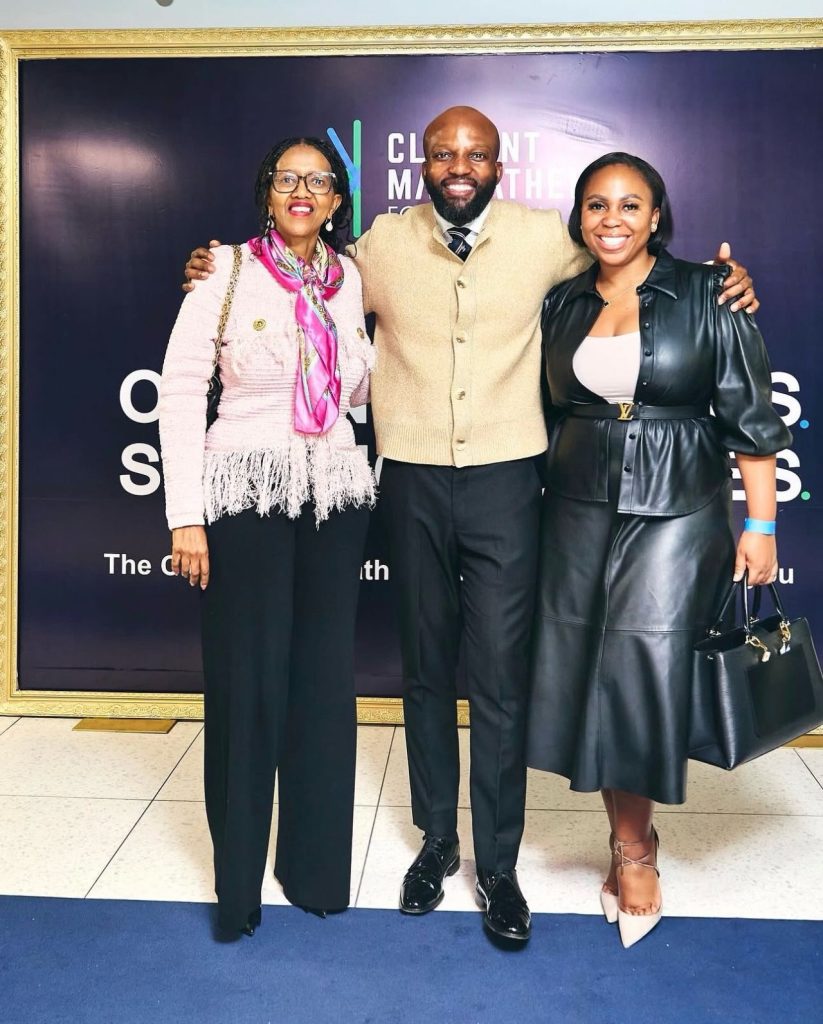
That origin story gives the Foundation something that many corporate social investment programmes struggle to manufacture: proximity to the problem. Manyathela has spoken publicly about growing up in rural Mpumalanga and about the absence of career information and guidance available to young people in communities such as his. However, the credibility of the initiative will ultimately depend on what happens after the launch. A launch can generate attention, but a foundation has to generate outcomes. That distinction matters enormously for prospective corporate partners. In his message following the launch, Manyathela emphasised that the launch was not the achievement and that the real work starts now. The Foundation’s own approach to partnerships similarly places collaboration, practical initiatives, and meaningful impact at the centre of its proposition.
South Africa’s youth employment crisis makes the intervention urgent
The timing is particularly significant. According to Statistics South Africa’s Quarterly Labour Force Survey for the second quarter of 2026, South Africa’s official unemployment rate stood at 33.6%. More concerning for organisations thinking about the country’s future workforce is the youth figure. The unemployment rate among people aged 15 to 34 increased by 1.5 percentage points to 47.4% during the second quarter, with approximately five million unemployed young people reported during the period. Stats SA also reported that youth unemployment increased by 9.9 percentage points between the second quarter of 2016 and the second quarter of 2026. The National Youth Development Agency has consequently continued to characterise youth unemployment as a structural challenge rather than simply an issue of individual employability.
This changes the conversation around career guidance. It is sometimes treated as a soft intervention, useful and desirable but secondary to the core business of education. That framing is increasingly difficult to defend. When almost half of young people participating in the labour market are unemployed, knowing how to navigate the education-to-employment system becomes an economic capability. Information about careers, qualifications, funding, work experience, mentorship and professional networks can influence the decisions young people make years before they enter the labour market.
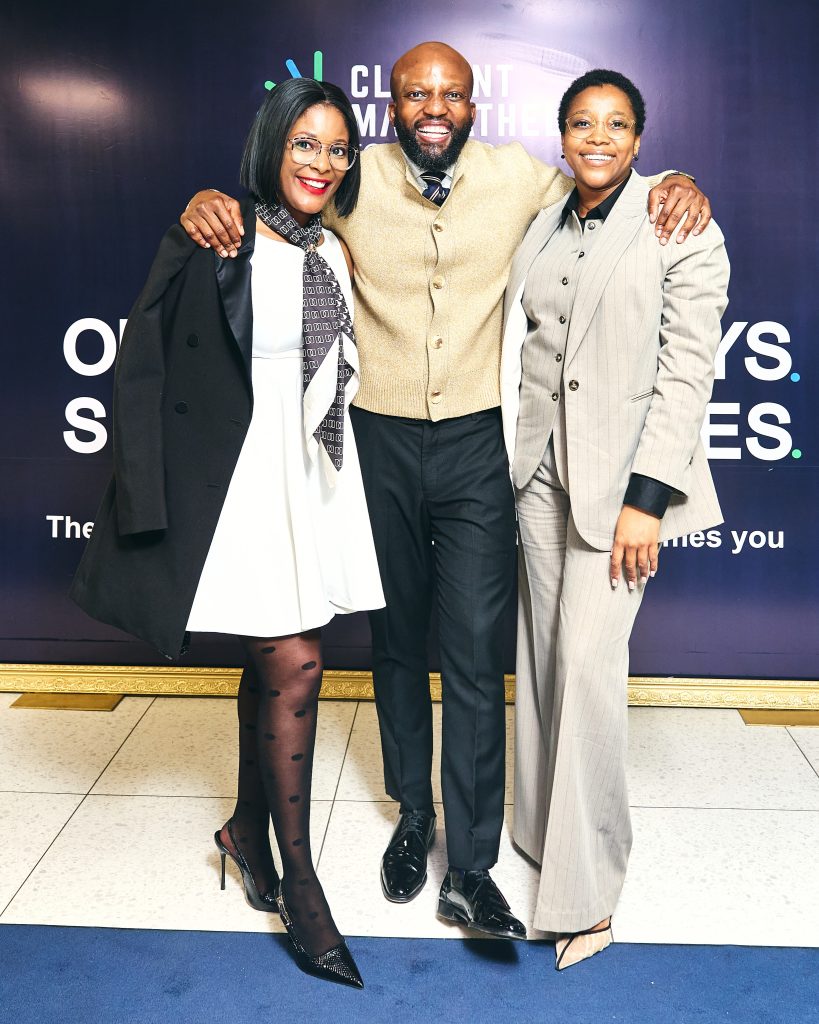
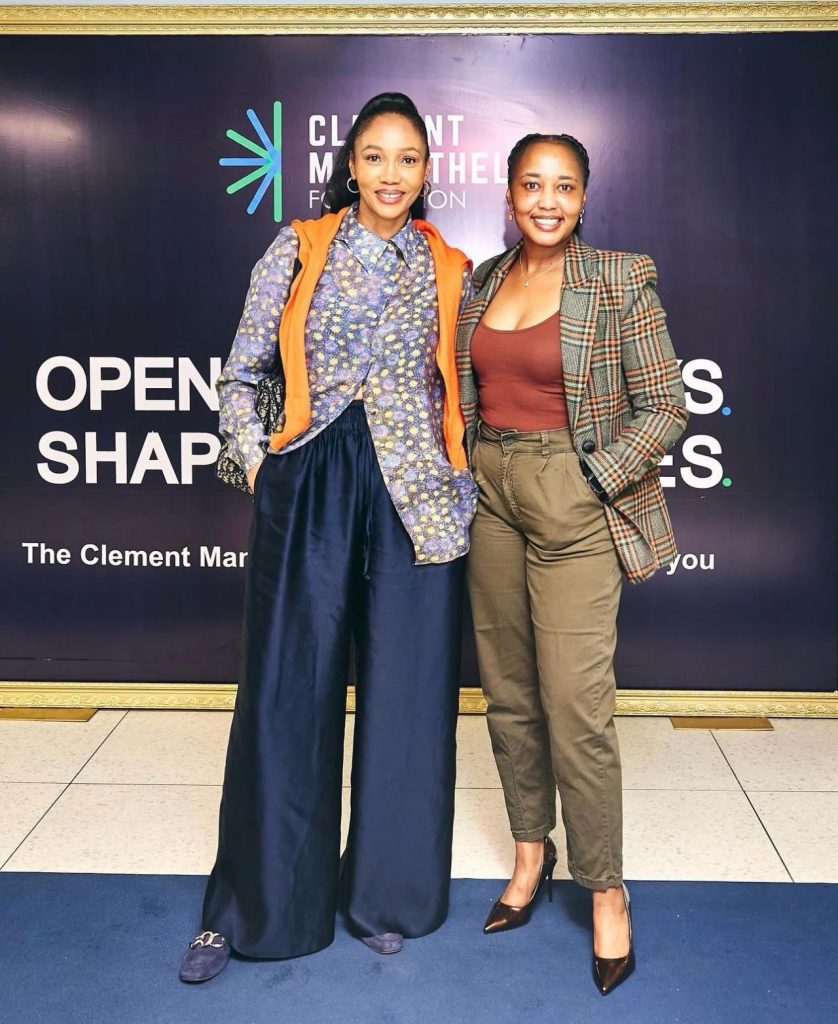
Rural learners face a different version of the opportunity gap
The rural dimension is critical. According to UNICEF South Africa’s Situation Analysis of Children and Adolescents, children and adolescents in South Africa continue to experience significant inequalities linked to geography, socioeconomic circumstances and access to services. The Department of Basic Education’s work on rural education has similarly acknowledged structural challenges including high youth unemployment, low learner throughput, limited post-school pathways and socioeconomic barriers.
This is where the Foundation’s proposed approach becomes particularly interesting. It is not positioning career development simply as a motivational talk. Its published projects and programmes include career exploration, school-based engagement, mentorship, access to educational resources and information relating to scholarships and higher education funding. The question becomes how to move a learner from aspiration to navigation. Telling a learner that they can become anything is only the first step. The more consequential question is how they get there.
Information is itself a form of infrastructure.
There is a tendency in development conversations to think of infrastructure as something physical. Roads, buildings, electricity, classrooms, internet connectivity and transport networks all matter enormously. But there is another form of infrastructure that is considerably harder to see: social and informational infrastructure. Knowing which institution to apply to, knowing that a particular career exists, knowing that a qualification requires certain subjects, knowing when applications open, knowing which bursaries are legitimate and knowing someone who has already walked the path are all forms of opportunity infrastructure.
These forms of knowledge are distributed unevenly throughout society. A young person born into a professional household may acquire much of this information almost incidentally. They hear adults discussing universities and careers, meet lawyers, accountants, engineers, entrepreneurs and healthcare professionals, and may have relatives who can explain applications and professional expectations. Another young person can be equally intelligent and ambitious while having almost none of those advantages. That is why mentorship can function as opportunity infrastructure. The Foundation’s emphasis on connecting rural learners with mentors is therefore potentially more significant than a conventional motivational programme because a mentor can convert an abstract aspiration into a sequence of decisions.
The psychological dimension cannot be separated from the economic one.
The Foundation’s inclusion of psychological and psychosocial support is equally important. The Department of Basic Education’s psychosocial support framework recognises the importance of identifying vulnerable learners, providing appropriate assistance and referrals, and strengthening social and emotional wellbeing within schools. UNICEF has also highlighted the scale of mental health needs among South African children and young people, with its research showing that a significant proportion of young people report needing mental health support while education, work skills and employment opportunities contribute to anxiety about the future.
The relationship between psychological wellbeing and economic opportunity is therefore not incidental. A young person struggling with trauma, instability or psychological distress may struggle academically, and poor academic performance can narrow future options. Narrowed options can contribute to hopelessness, which can in turn affect motivation and wellbeing. Early psychosocial support should therefore not be viewed only through the lens of welfare. It can also be understood as an investment in human capital. The Foundation’s model recognises this by placing psychological support alongside career guidance and mentorship rather than treating wellbeing as an unrelated programme.
This is where the corporate sector enters the conversation
For C-suite leaders, however, the most interesting question is not simply whether the Foundation does good work. It is what role business should play in building the pathways between education and economic participation. The answer should extend beyond writing a cheque.
The Foundation explicitly invites partnerships with organisations, institutions, professionals and other stakeholders, creating several potential models for corporate participation. A technology company could expose learners to software development, cybersecurity, data science, product design and artificial intelligence. A financial institution could introduce young people to financial services, economics, investment, accounting and financial literacy. A law firm could introduce commercial law, intellectual property, litigation, compliance and legal technology. A media organisation could expose learners to journalism, broadcasting, production, digital media and communications. A pharmaceutical company could introduce medicine, laboratory science, regulatory affairs and pharmaceutical manufacturing. The intervention becomes significantly more powerful when young people encounter actual professionals rather than abstract descriptions of professions.
Mentorship can become talent pipeline infrastructure.
Companies frequently talk about skills shortages, yet many organisations engage with young talent only after that talent has already navigated secondary school, university and the recruitment system. That may be too late. Businesses could instead participate earlier by establishing structured mentorship pipelines.
The objective should not be to turn every learner into a future employee of the sponsoring company. That would make the relationship transactional. The objective should be to broaden the pool of young people who can eventually participate meaningfully in the economy. There is also an opportunity for companies to make professional networks more accessible. A learner who has never met a software engineer can suddenly understand what the job involves. A learner who has never encountered an intellectual property lawyer can discover that protecting brands, inventions, creative works and technology can itself be a career. Exposure changes the boundaries of what young people believe is possible.
Bursaries need navigation, not only funding.
There is another important distinction. A bursary can pay for university, but it cannot necessarily teach a learner how to find the bursary, determine whether they qualify, compile the application, meet deadlines and navigate the institution once admitted. The Foundation’s focus on scholarship and higher education funding awareness therefore addresses a different part of the problem.
For corporates, this creates an opportunity to integrate funding with guidance. Instead of saying, “We sponsor 20 students,” the more sophisticated model is, “We create a pathway from Grade 10 to post-school opportunity.” That could include career discovery, subject selection, application preparation, funding awareness, mentorship, workplace exposure and transition support. That is a materially different proposition.
From CSR to shared value
This distinction matters for business. Traditional corporate social investment often sits on the margins of corporate strategy. Money is allocated, a programme is implemented, photographs are taken, a report is produced and the relationship ends. A more mature model treats social investment as part of a company’s broader stakeholder ecosystem.
Businesses need future employees, entrepreneurs, innovators, technically capable professionals and consumers with greater economic participation. They need communities in which opportunity can expand. Young people need pathways into those systems. Those interests are not inherently contradictory and can be mutually reinforcing. The corporate opportunity is therefore not simply to give to rural learners. It is to participate in building the human capital ecosystem from which South Africa’s future economy will emerge. That is where a foundation such as TCMF can become strategically relevant to the private sector.
The Foundation’s next challenge is moving from compelling story to evidence.
There is, however, an important challenge that should not be overlooked. The Foundation has a compelling narrative, a recognisable founder, a clear social purpose and access to influential networks. It has also launched with support from significant institutional and corporate figures. But these are inputs, not impact.
The next phase should therefore be about building an evidence architecture around the work. The Foundation will need to demonstrate its reach by tracking the number of schools, learners, grades and communities served. It will need to understand engagement by measuring career sessions, mentoring interactions, psychosocial interventions and access to funding information. More importantly, it will eventually need to demonstrate outcomes. Do learners have a better understanding of career pathways? Are more learners applying to tertiary institutions? Are more learners accessing bursaries? Are young people gaining greater exposure to professionals? Are they reporting greater confidence in navigating post-school decisions?
Over time, the most significant indicators will be longer-term outcomes: how many learners enter tertiary education, how many complete their qualifications, how many enter employment, how many establish businesses and how many eventually return as mentors themselves. That final question may become one of the most powerful measures of the Foundation’s success because the deepest form of social impact is not dependence. It is multiplication.
The ripple effect is the real strategic proposition
A story shared following the Foundation’s launch illustrates this concept particularly well. Gugulethu Xaba described how her daughter, Khanyisa, attended Future Nation Schools, matriculated among the top students in her year, participated in an exchange programme in the United States and later became involved in work through Spark Tech focused on expanding access to technology and STEM opportunities in underserved communities.
The story demonstrates a principle that should underpin serious social investment: the beneficiary can eventually become the multiplier. One opportunity can create another, one mentor can produce another mentor, one scholarship can create another professional and one professional can return to a school and change another learner’s perception of what is possible. This is how impact compounds. The question is therefore not simply how many children a foundation helps. The more interesting question is how many people those children eventually help.
Partnership must not become corporate branding disguised as development.
There is an important caveat. A C-suite partnership with a high-profile foundation can generate significant reputational value. That is not inherently problematic. Corporates are entitled to derive brand value from responsible investment. But the beneficiary must remain at the centre of the programme.
The most credible partnerships will therefore require clear governance, transparent funding arrangements, safeguarding protocols, qualified professionals for psychosocial interventions, defined outcome measures and credible reporting mechanisms. This becomes particularly important when working with minors. Career guidance can be delivered through appropriately trained professionals and mentors, while psychological care requires appropriate professional standards, referral mechanisms and safeguarding. The Foundation’s growth should therefore be judged not only by its ambition but by the quality of the systems it builds around that ambition.
South Africa needs to stop treating opportunity as an end-of-school event.
There is a phrase that appears repeatedly in conversations about young people: “Children are the future.” But the phrase can become almost meaningless through repetition. If children are genuinely the future, then the question is not whether we care about them. The question is when we begin investing in their ability to shape that future.
Do we wait until matric to explain careers? Do we wait until university applications to explain funding? Do we wait until unemployment to discuss workplace skills? Do we wait until psychological distress becomes a crisis before providing support? Or do we build pathways much earlier?
The Clement Manyathela Foundation is essentially arguing for the latter. Its stated purpose is “Opportunity that reaches people.” Its framework is built around people, opportunity and impact, with career development, psychological support, educational resources and higher education funding awareness forming the current pillars of its work. The proposition is deceptively simple: open the door earlier, show the learner what exists, introduce them to someone who has walked the path, give them the information required to make an informed decision, support their wellbeing while they navigate it, and connect them to the resources that can turn the decision into action.
That is not charity in the narrowest sense. It is pathway creation. And in an economy where youth unemployment remains one of South Africa’s most pressing structural challenges, creating credible pathways between education, opportunity and economic participation is increasingly a national economic imperative.
The opportunity now is to build an institution, not simply a foundation
The Clement Manyathela Foundation has successfully created something that cannot easily be manufactured through a corporate campaign alone: a human story with a clear social proposition. A young man from Vaalbank left school, built a career in broadcasting and returned to the community from which he came with a question about what society owes the children coming after him.
The next chapter is considerably harder. Can that personal story become a replicable model? Can one school become ten? Can ten become a regional network? Can mentorship become an organised professional ecosystem? Can career guidance produce measurable improvements in post-school decisions? Can corporate partners contribute expertise rather than merely funding? Can psychosocial support become preventative rather than crisis-driven? Can learners become alumni, and alumni eventually become mentors? And can the Foundation demonstrate through evidence that its interventions change trajectories?
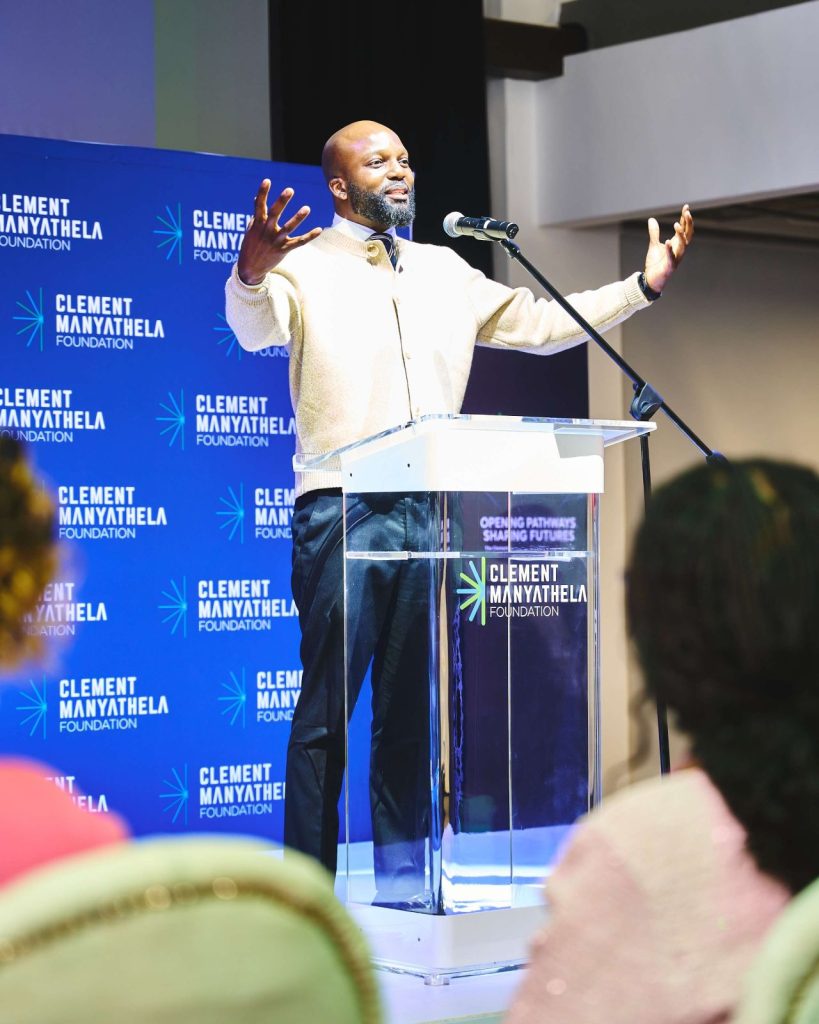
Those are the questions that will determine its long-term significance. The Foundation’s language of “Opening Pathways. Shaping Futures.” captures the ambition, but opening a door is an act while shaping a future is a sustained process. For South Africa’s rural learners, that process may ultimately depend on whether government, business, civil society, schools and professional communities are prepared to stop thinking about opportunity as something that arrives at the end of education and start treating access to opportunity as part of education itself.
The launch has happened. Now comes the more consequential work: building the pathways, measuring whether they work and ensuring that the children who walk through them eventually have the power to open doors for those coming behind them.