The fourth Africa Creator Festival placed a strategic question at the centre of its 2026 programme: how can African creators and brands convert the continent’s growing cultural influence into sustainable intellectual property, commercial value and long-term wealth?
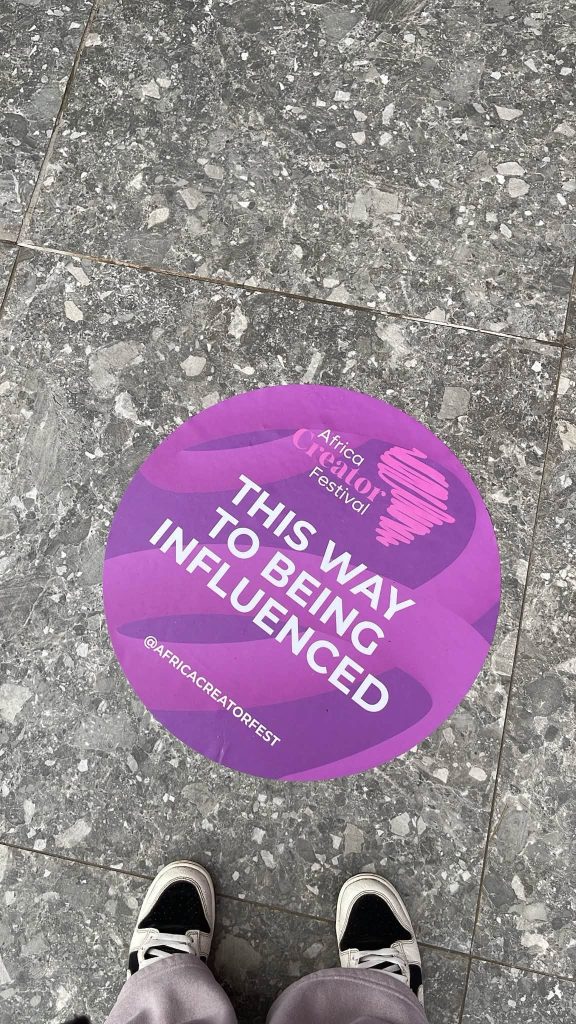
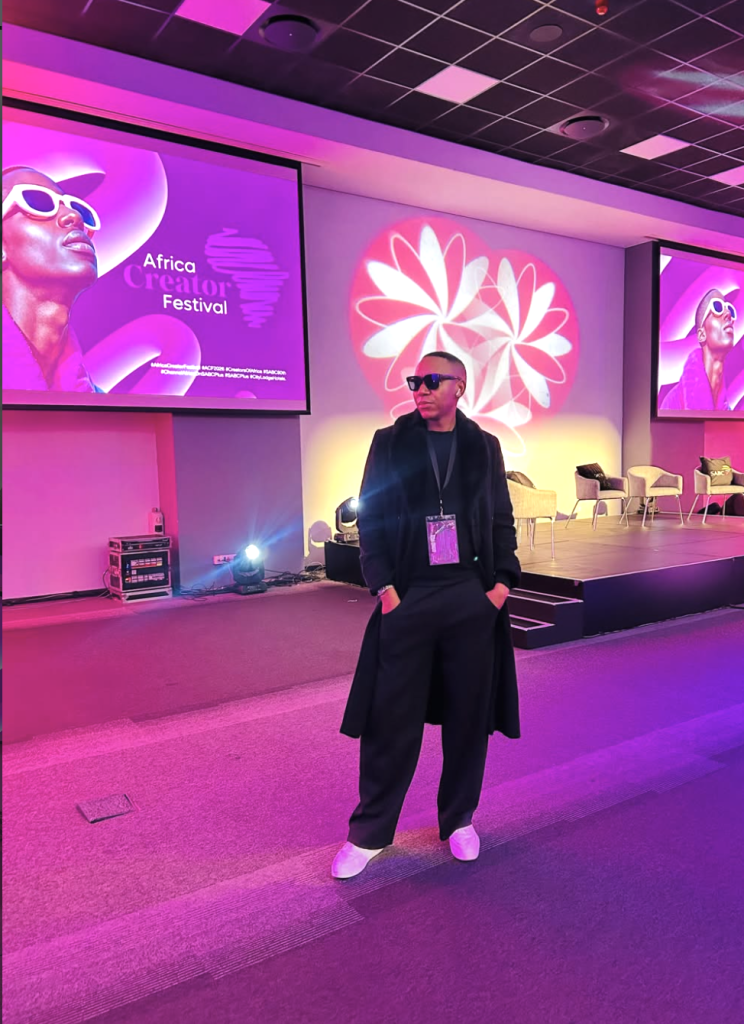
Held on 5 September 2026 at Focus Rooms in Modderfontein, Johannesburg, the festival brought together creators, broadcasters, marketers, agencies and corporate decision-makers for a programme focused on the increasingly sophisticated relationship between culture, media and commerce. The event was positioned around transforming creative influence into scalable enterprise, connecting creators with brands, platforms and industry specialists.
The discussions moved beyond the conventional language of influencer marketing to examine how creators can build durable businesses around their ideas, identities and intellectual property while enabling brands to participate meaningfully in Africa’s rapidly evolving cultural economy.
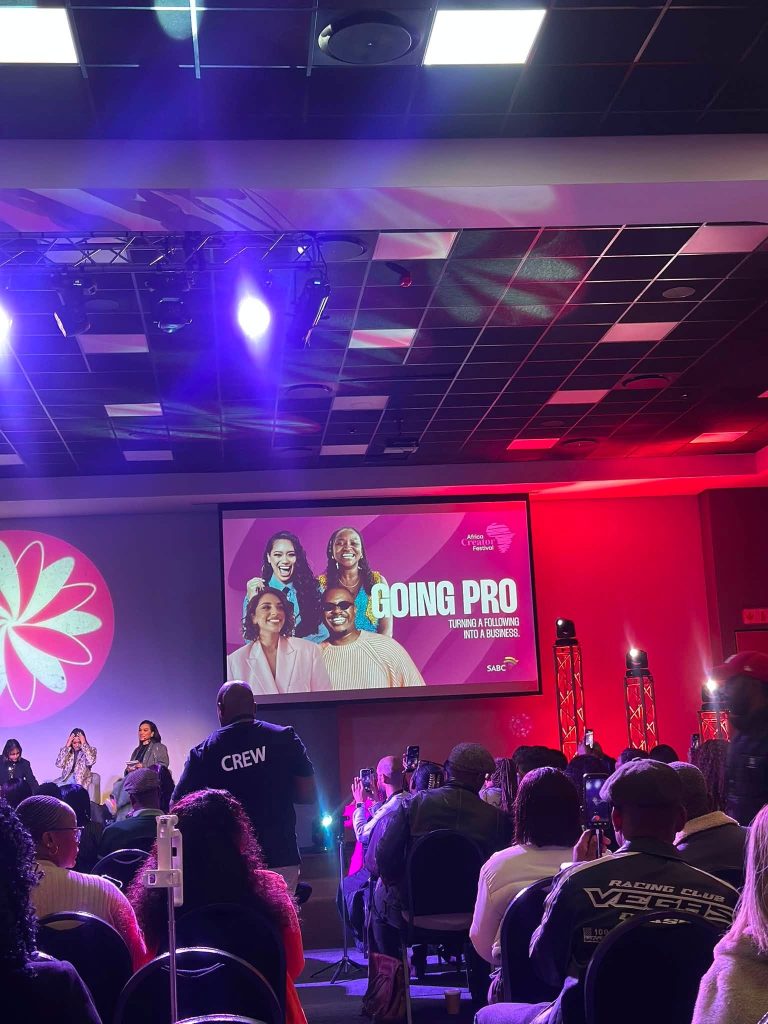
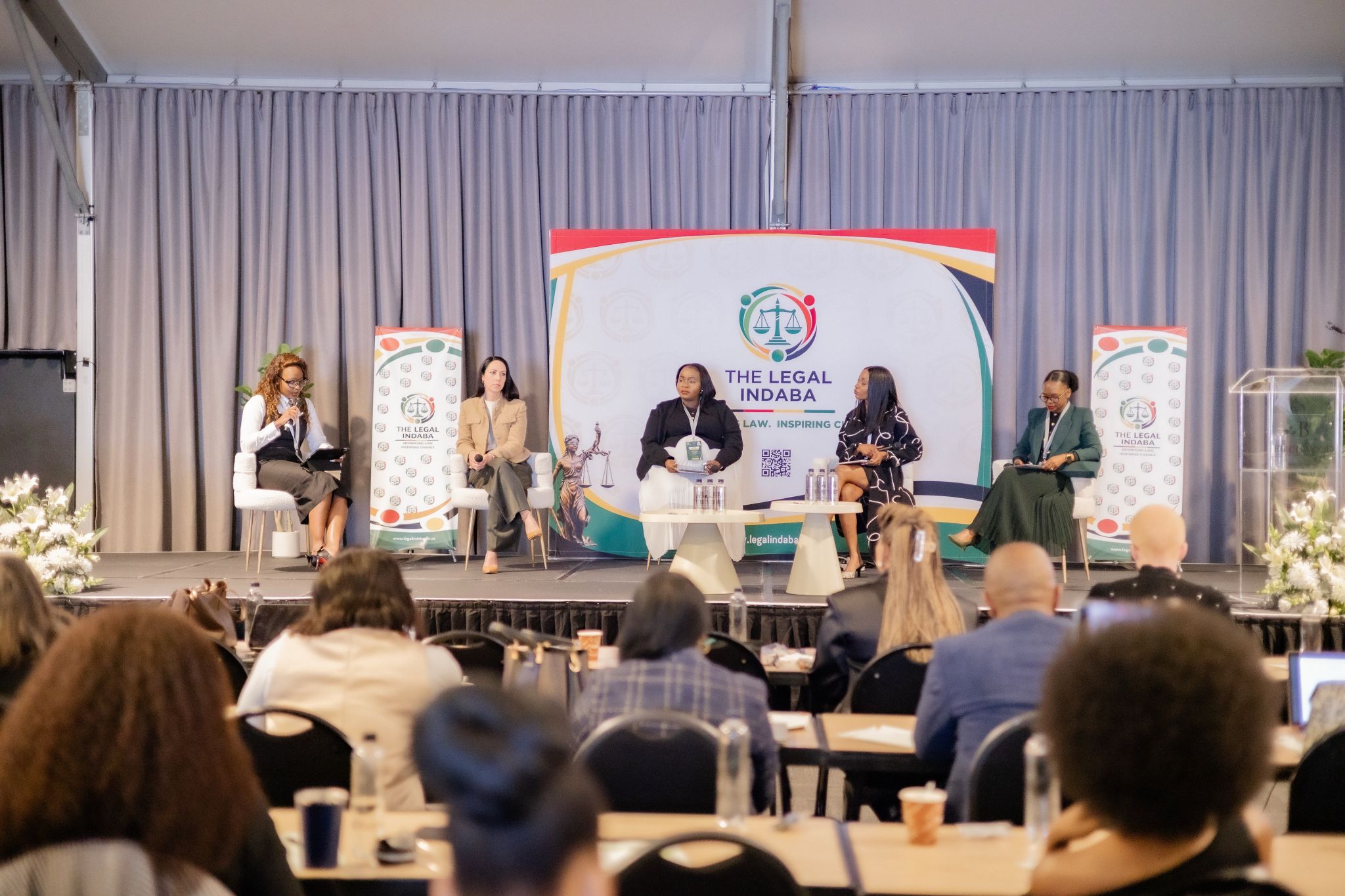
The opening panel brought together media producer and creative entrepreneur Kim Jayde, filmmaker and Directors Guild of South Africa chairperson Sara Chitambo-Hatira, and creator Bheki Ndamase. Chitambo-Hatira’s professional profile identifies her as a broadcasting and content professional associated with the Documentary Filmmakers’ Association.
Their discussion examined the practical dimensions of narrative ownership, intellectual property and the development of stories capable of moving across multiple screens and markets.
That emphasis on ownership was significant. As creator-led media becomes increasingly integrated into corporate marketing strategies, the distinction between producing content and building an intellectual property asset is becoming commercially important. Creators who develop recognisable formats, brands, characters, concepts, and communities have opportunities to generate value beyond individual campaigns.
The festival subsequently turned to one of the more consequential questions facing Africa’s creator economy: whether the continent can translate its considerable cultural influence into sustainable economic participation.
Africa’s music, fashion, entertainment, and digital culture increasingly shape global consumer conversations. Yet cultural visibility does not automatically translate into ownership of the economic value generated from that influence. The festival’s programme therefore examined cross-border monetization, corporate marketing expenditure, and the relationship between creators and established media institutions.
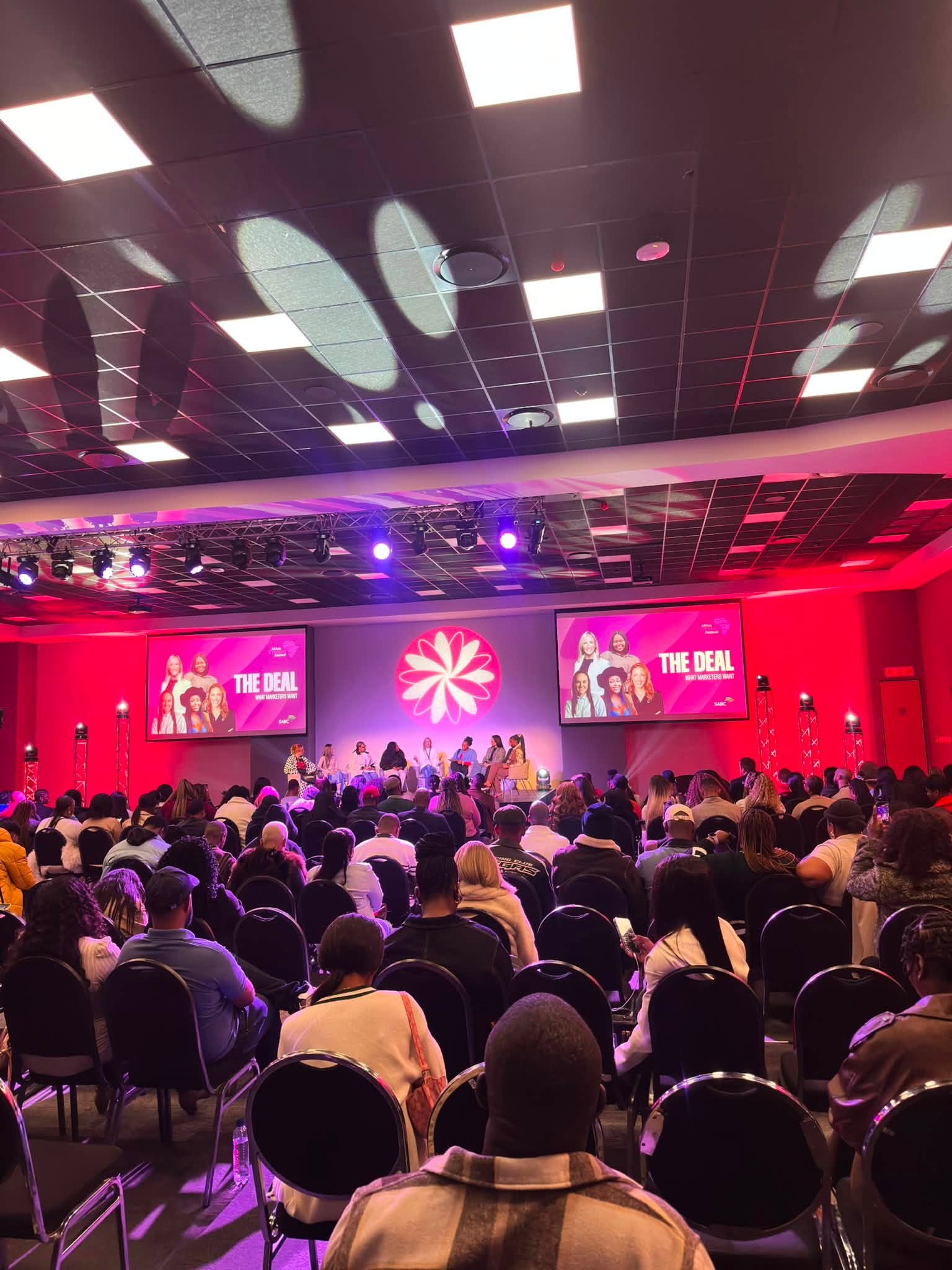
On the main stage, Ongeziwe “Oz” Lupuwana, head of marketing at the South African Broadcasting Corporation (SABC), was joined by Mpumelelo Zondi, country manager at Humanz, and Amanda Hoosain, digital lead for The Coca-Cola Company at WPP.
Zondi’s professional profile identifies him as a South African brand and communications professional, while the festival programme identified him as Humanz’s South Africa country manager.
The participation of the SABC was particularly significant in 2026, as the public broadcaster marked its 90th anniversary. The broadcaster’s involvement also reflects the increasingly important intersection between established media infrastructure and the creator economy. The SABC has itself described the creator economy as a significant driver of economic empowerment, cultural influence and global recognition, explaining its partnership with the Africa Creator Festival.
The juxtaposition of a legacy broadcasting institution with a rapidly expanding creator economy reflects a broader transformation in African media. Audiences are increasingly distributed across television, streaming platforms, social networks and creator-led channels rather than concentrated within a single broadcast ecosystem.
The commercial dimension was further underscored by Humanz, a creator-marketing technology company operating at the intersection of brands, agencies and creators. The company’s participation placed creator partnerships within a broader commercial infrastructure involving campaign strategy, brand relationships and measurable outcomes.
The second panel extended the conversation into corporate brand strategy and influencer marketing.
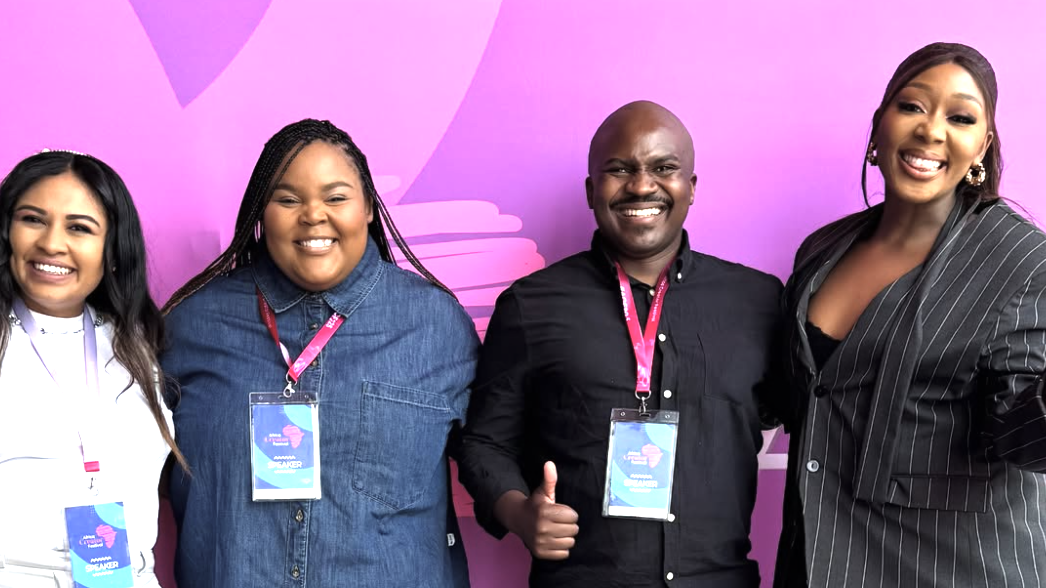
Speakers included Dr Tumi Sebopa, head of brands at Spur Corporation; Inga Fundakubi, social media and influencer specialist at Telkom; and Melissa Signor, digital and advertising manager at L’Oréal South Africa.
Fundakubi’s professional profile identifies her as a strategic digital marketing leader and records her professional association with Telkom, while Signor’s profile identifies her as a marketing professional specialising in digital marketing and records her experience at L’Oréal South Africa.
Their participation highlighted the extent to which creator partnerships have moved into the mainstream marketing function, where digital communities, cultural relevance and measurable consumer engagement increasingly form part of broader brand strategies.
For companies such as Spur Corporation, this increasingly sophisticated approach to brand building sits within a broader consumer-facing business. The group operates a substantial portfolio of restaurant brands, making cultural relevance and consumer engagement important components of its marketing environment.
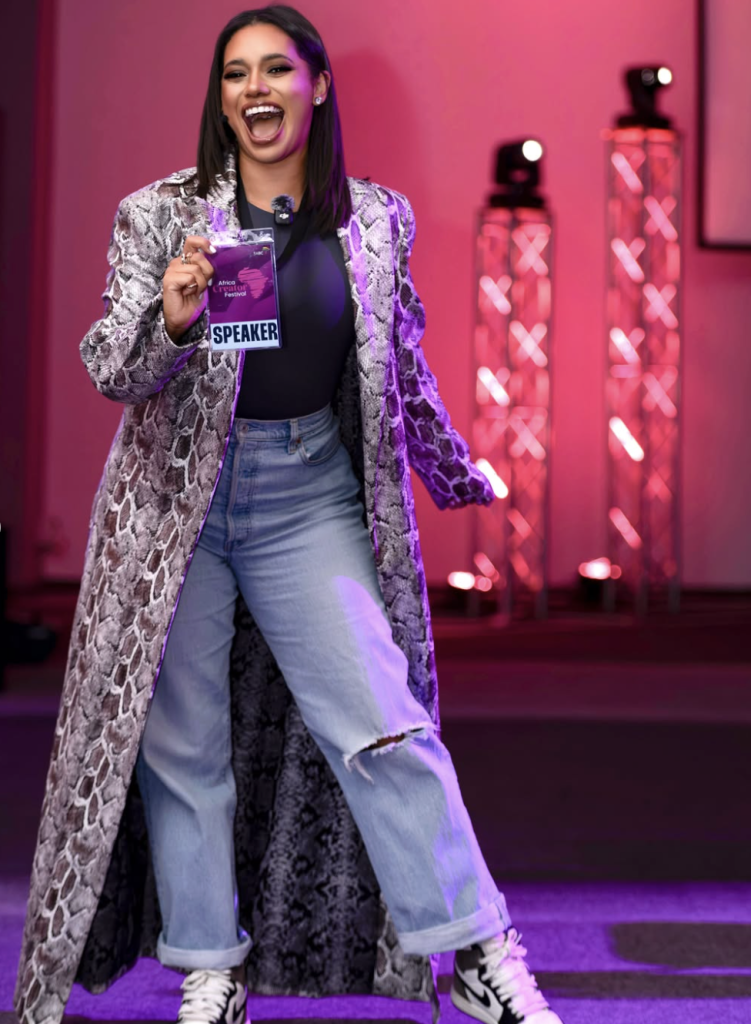
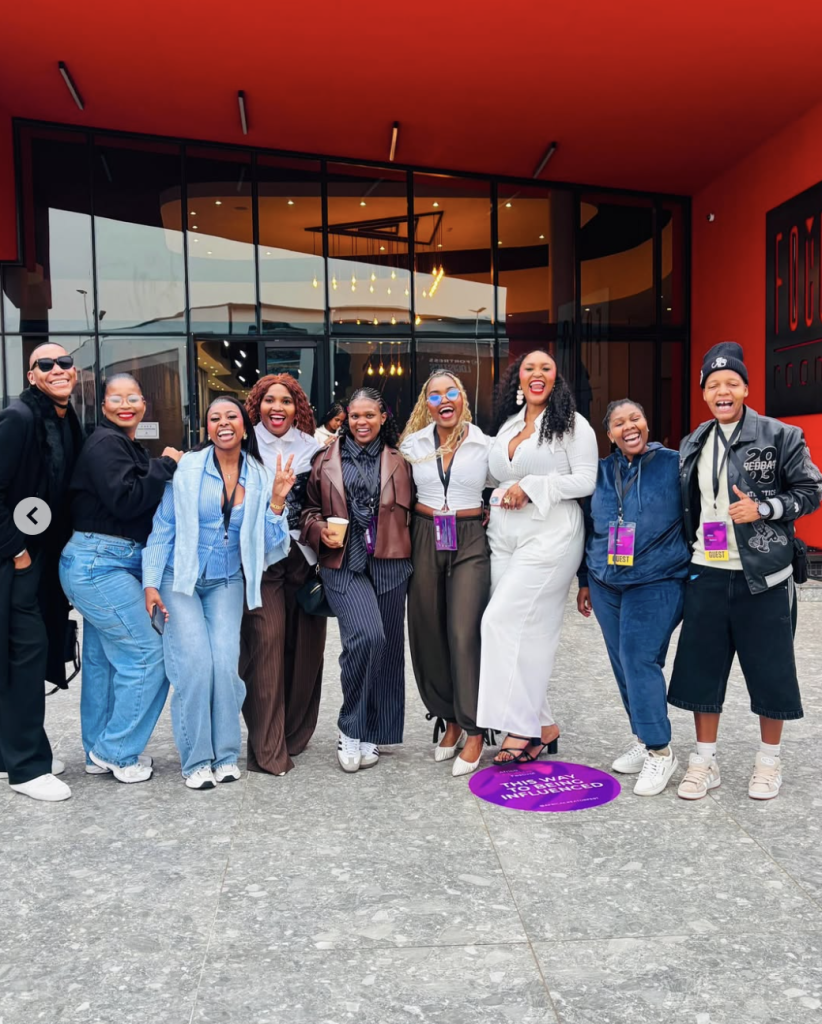
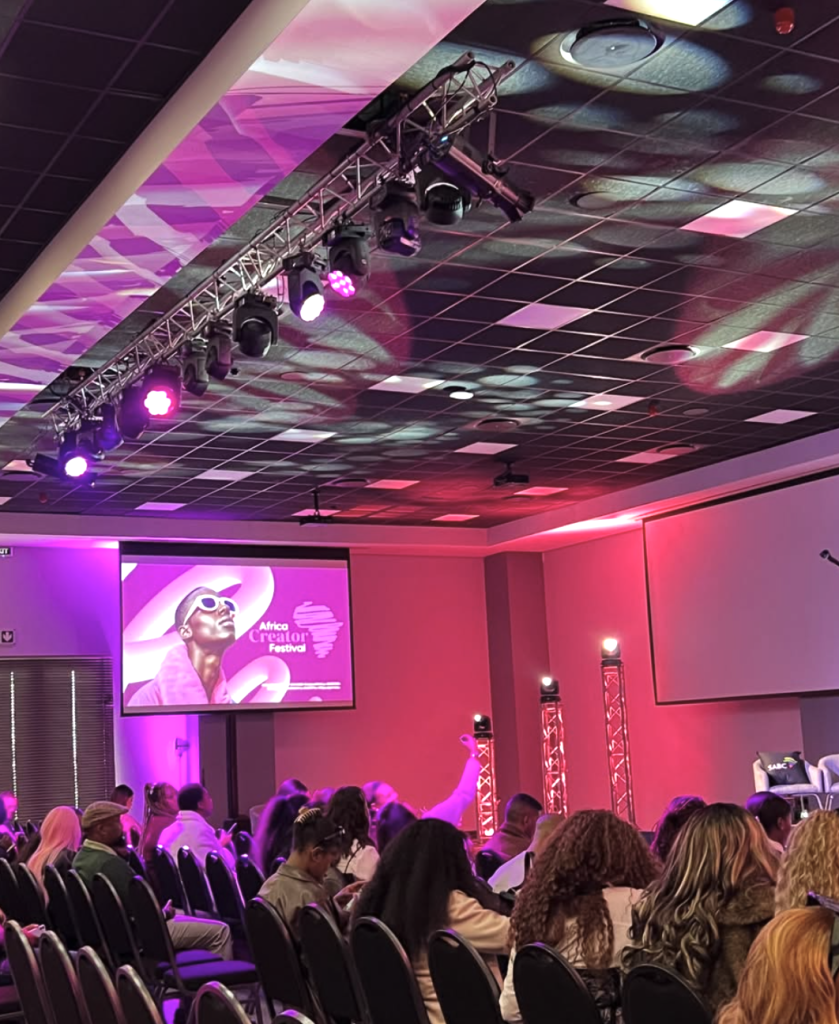
L’Oréal South Africa similarly operates within a multinational beauty group whose portfolio spans multiple consumer and professional beauty categories. The company’s participation illustrated how creator marketing has become relevant to established FMCG and beauty businesses seeking to connect brands with digitally engaged audiences.
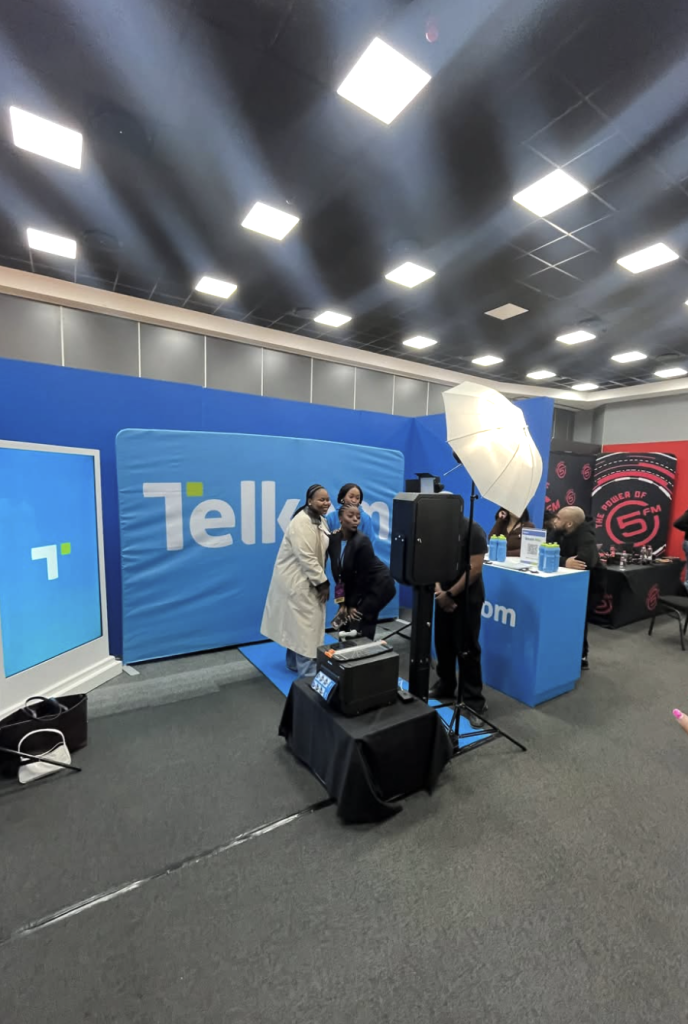
The commercial perspective was reinforced by participation from organisations across the consumer, telecommunications, automotive, media and marketing sectors, including Ford South Africa, Coca-Cola, L’Oréal, Telkom, Spur Corporation, SABC and Humanz.
Among the professionals associated with the broader programme was Tarryn Knight of Ford Motor Company. Her professional profile identifies her as a marketing leader at Ford Motor Company, where she has been involved in the company’s South African marketing operations.
Cape Town-based marketing executive Nicole Capper Austin, chief marketing officer at Cars.co.za, was also associated with the festival programme. Her LinkedIn profile independently identifies her as CMO of Cars.co.za and links to her personal Instagram account, @_nicolecapper.
For creators, the implication is clear: professionalisation increasingly requires more than audience growth. The ability to understand contracts, intellectual property, brand positioning, campaign objectives, analytics and commercial negotiations is becoming as important as creative output.
The festival therefore provided a platform for conversations that sit at the intersection of creativity and enterprise. A creator may begin with an audience, but sustainable commercialisation requires a proposition that brands can understand, a body of intellectual property that can be protected and monetised, and a business structure capable of supporting growth.
The programme also featured South African television host and travel storyteller Zahira Variawa as moderator. Her professional profile identifies her as a media and communications professional, while the festival’s own programme materials identified her as the 2026 moderator.
The festival also created space for creators to confront the professional barriers that can prevent experienced practitioners from participating in industry conversations. One contributor reflected on repeatedly declining speaking opportunities because of doubts about whether she had sufficient expertise or whether audiences would value what she had to say.
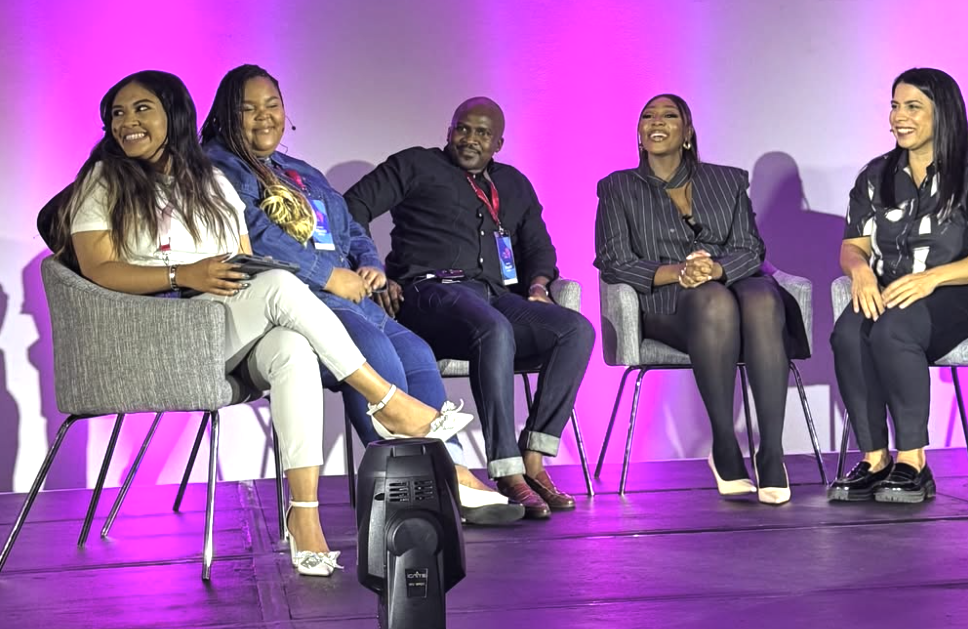
That tension speaks to a wider issue within the creator economy. While digital platforms have lowered barriers to publishing, sustainable participation still depends on professional networks, commercial literacy, access to opportunities and the ability to convert expertise into recognised intellectual property and commercial propositions.
The event’s significance therefore extended beyond networking or creator education. It reflected an industry moving towards a more mature commercial model in which African culture is treated not merely as a source of content, but as an economic asset with implications for branding, intellectual property, media ownership and market expansion.
The festival’s 2026 positioning was explicit: its flagship event was designed around the business of creativity, with the stated objective of helping creators move from digital passion towards scalable enterprise and commercial success.
For African creators, the central challenge will be converting cultural relevance into lasting ownership. For corporates, it will be determining how to invest in African creative ecosystems without reducing culture to a campaign aesthetic. For broadcasters, agencies and platforms, the opportunity lies in developing commercial structures that allow established institutions and independent creators to participate in the same value chain.
The Africa Creator Festival’s 2026 programme ultimately underscored a market becoming more sophisticated: Africa is generating cultural influence at scale, but the next phase of the creator economy will be determined by who owns, commercialises and sustains the intellectual property behind that influence.